

 Ver en contexto
 Enviar
 Compartir
 Detalles
 Guía
Guía

 Descargar
 Similares
 Radiografía
 Presentación de diapositivas
 Preguntas y respuestas
 Estadísticas
John Birkbeck


 Ver más
Giclée / Impresión de arte
Impresiones giclée o en lienzo de calidad de museo con producción rápida y opciones de acabado flexibles. ( Comprar pintura hecha a mano Cambiar a imagen digital)




P118B €10

P118H €10

P118W €10

P438Z €10

P508JH €12

P508YH €12

P805H €10

P805Z €10

P919BZ €10

P919G €10

P919XJ €10

P959ZH €10

P968JZ €12

W106C €8

W218G €10

W218JH €8

W218Y €10

W307PJ €10

W316G €10

W316PJ €8

W316Y €10

W398PJ €8

W4111J €10

W500HY €15

W500JH €15

W692G €12

W849H €8

W940BG €15

W953PJ €8




Elija entre nuestros tamaños predefinidos que respetan las proporciones originales de la obra.

Introduzca el ancho y el alto que necesite para adaptarse a su marco o pared. Una impresión solo puede recortarse, nunca hacerse más grande que la imagen original, por lo que un tamaño con una forma distinta perderá parte de la obra. Le enviaremos una maqueta digital para su aprobación antes de realizar cualquier impresión. La imagen que se muestra en esta página no refleja el recorte real; solo la maqueta lo hace.
Envío a todo el mundo () en 2 semanas en lugar de las 4/5 semanas estándar. (4 noviembre)

Envío exprés gratuito a todo el mundo

Lienzo de lino de alta calidad

Seguro de envío total

Garantía de reembolso de aranceles aduaneros

Garantía de fidelidad cromática exacta

Política de devolución de 100 días (solo por defectos)

Garantía de devolución del 100% del dinero

Descuento por cantidad
 La opción de vidrio solo está disponible en tamaños inferiores a 110 cm.

John Birkbeck
Giclée / Impresión de arte
Dimensiones de la reproducción
-


Precio total final
€ 56
A Steamboat’s Soul: James Bard's “John Birkbeck”
James Bard’s “John Birkbeck,” painted in 1854, isn’t merely a depiction of a steamboat navigating the ocean; it’s a meticulously rendered snapshot of an era – a vibrant testament to America’s burgeoning maritime industry and the spirit of innovation that defined mid-19th century life. The painting immediately draws the eye with its dynamic composition: the paddle steamer, “John Birkbeck,” dominates the scene, its powerful silhouette cutting through the choppy waves beneath a dramatic, cloud-streaked sky. Yet, it’s not just the ship itself that commands attention; it's Bard’s extraordinary ability to capture the essence of movement and atmosphere – the spray flung upwards by the vessel’s bow, the subtle shifts in light reflecting off the water, and the palpable sense of motion that permeates every brushstroke.
Bard, a largely unsung figure within American art history, dedicated his career to documenting the working waterfront. Unlike many artists of his time focused on grand landscapes or historical narratives, he chose instead to immerse himself in the gritty reality of New York’s harbor – the steamboats, the fishermen, and the bustling activity that fueled the city's growth. “John Birkbeck” exemplifies this commitment; it’s a detailed record, not of romanticized beauty, but of honest labor and technological progress. The painting speaks volumes about the era’s fascination with steam power and its transformative impact on commerce and travel.
The Painter’s Hand: Technique and Style
Examining the painting closely reveals Bard's distinctive style – a blend of realism and impressionistic techniques. He employed loose, expressive brushstrokes to convey movement and texture, particularly in depicting the water and the billowing steam from the ship’s funnels. The color palette is rich and evocative, dominated by deep blues and greens that suggest the vastness of the ocean, contrasted with the warm ochres and browns of the steamboat itself. Notice how he uses highlights to create a sense of depth and volume, particularly in capturing the reflections on the water’s surface – these aren't simply mirrored images but rather shimmering pools of light and color.
Bard’s meticulous attention to detail is equally noteworthy. He painstakingly rendered the rigging, the deckhands, and even the individual faces of those aboard the vessel, imbuing each figure with a sense of life and purpose. This level of observation suggests a deep understanding of his subject matter – he wasn't just painting a boat; he was painting a scene of human activity and industrial progress.
A Window into the Past: Historical Context
“John Birkbeck” was created during a period of immense transformation in America. The rise of steam-powered transportation revolutionized trade, connecting distant communities and fueling economic growth. Steamboats like “John Birkbeck” became vital arteries of commerce, carrying passengers and goods across vast distances. Bard’s painting captures this pivotal moment in American history – a time of rapid industrialization, technological innovation, and expanding horizons.
The painting's provenance offers further insight into its significance. Originally owned by the Mariners’ Museum in Newport News, Virginia, it reflects the growing interest in preserving maritime heritage during the late 19th and early 20th centuries. The fact that it was later gifted to the National Gallery of Art underscores its recognition as a valuable historical artifact.
Symbolism and Emotional Resonance
Beyond its technical merits, “John Birkbeck” resonates with a powerful sense of optimism and progress. The steamboat represents not just transportation but also ambition, innovation, and the relentless pursuit of new frontiers. The vastness of the ocean symbolizes both opportunity and challenge – a reminder that America’s future lay beyond the familiar shores of its past.
There's an underlying current of melancholy too, perhaps reflecting the displacement and disruption caused by industrialization. Yet, Bard doesn’t dwell on this aspect; instead, he presents a vision of progress tempered with a quiet appreciation for the beauty and power of nature. “John Birkbeck” is more than just a painting; it's a poignant reflection on America’s journey – a testament to its spirit of adventure and its enduring connection to the sea.
Preguntas y respuestas
¿Cuál es el color predominante en "John Birkbeck" de James Bard?
El color que más destaca en "John Birkbeck" es el Putty (#cfc9cd). El color dominante resulta muy útil a la hora de combinar una obra de arte con un espacio interior.
¿En qué estancia del hogar quedaría bien una reproducción de "John Birkbeck"?
Una reproducción de "John Birkbeck" queda muy bien en un Living Room.
¿Cuál es el tono predominante en "John Birkbeck"?
Un tono Green to Violet Spectrum recorre "John Birkbeck" de James Bard.
Obras relacionadas


Biografía del artista
James Bard: Un Cronista de la Era Marítima Neoyorquina
James Bard (1815-1897) fue un artista marino estadounidense del siglo XIX, nacido y radicado en la ciudad de Nueva York. Si bien no es ampliamente conocido entre los círculos artísticos convencionales, posee un valor histórico significativo como documentalista de la bulliciosa actividad marítima que definió el paisaje neoyorquino durante su vida. Sus detallados cuadros ofrecen valiosas pinceladas del pasado sobre los barcos de vapor, los buques de vela y las escenas costeras que caracterizaron esa época.
Vida Temprana y Desarrollo Artístico
Los detalles sobre la primera infancia de Bard son escasos. Nació en Nueva York en 1815. Su formación artística no está bien documentada; sin embargo, su estilo sugiere un grado de habilidad autodidacta combinada con observación y práctica. Su obra exhibe una cualidad "naïve" – caracterizada por representaciones directas sin sombreados ni perspectivas elaboradas—pero también una notable precisión en la representación de los detalles de los barcos y los entornos portuarios. Parece haber se centrado casi exclusivamente en temas marinos a lo largo de su carrera.
Temática y Estilo Artístico
El corpus de Bard consiste principalmente en pinturas que representan barcos de vapor, buques de vela, transbordadores y otras embarcaciones que navegan por las vías navegables de Nueva York. A menudo pintaba barcos específicos por encargo, creando un registro visual de la flota comercial de la ciudad. Su estilo se caracteriza por:
- Representación Detallada: Bard representó meticulosamente los detalles como el aparejo, los diseños del casco y las banderas, proporcionando información histórica valiosa sobre estos buques.
- Perspectiva Naïve: Sus composiciones a menudo carecen de técnicas de perspectiva sofisticadas, lo que confiere una calidad encantadoramente directa a su obra.
- Énfasis en la Documentación: En lugar de buscar efectos dramáticos o románticos, Bard priorizó capturar con precisión la apariencia de los barcos y las escenas portuarias. Esto hace que sus pinturas sean importantes registros históricos.
Obras Principales y Significado Histórico
Si bien muchas de las obras de Bard se encuentran en colecciones privadas, varias piezas notables ilustran su habilidad e importancia:
- "Commodore" (1857): Una representación impactante de un barco de vapor con ruedas laterales, que muestra su capacidad para capturar la grandeza de estos buques.
- Pinturas de Barcos Específicos: Bard creó numerosos retratos de barcos individuales, incluyendo "James A. Stevens" y "James W. Baldwin", sirviendo como registros visuales para los historiadores marítimos.
- "Sylvan Shore": Esta pintura ejemplifica su enfoque en documentar el transporte y los paisajes de la América del siglo XIX.
El trabajo de Bard es históricamente significativo porque proporciona un registro visual único de la historia marítima de Nueva York durante un período de rápido avance tecnológico y crecimiento económico. Sus pinturas ofrecen información sobre las prácticas de construcción naval, las rutas de envío y la vida cotidiana de los marineros y pasajeros en estos buques. Si bien su estilo puede no considerarse "arte elevado", la contribución de Bard radica en su meticulosa documentación de un aspecto vital de la historia estadounidense.
Legado
El legado de James Bard se basa principalmente en el valor histórico de sus pinturas. Está siendo cada vez más reconocido por los historiadores marítimos y coleccionistas por proporcionar un registro visual invaluable de la costa neoyorquina del siglo XIX. Su obra ofrece una mirada a una época pasada, capturando el espíritu de innovación y comercio que definió la identidad marítima de la ciudad.

James Bard
1815 - 1897 , Estados Unidos de América
Datos clave
- Fecha De Fallecimiento: 1897
- Fecha De Nacimiento: 1815
- Lugar De Nacimiento: Ciudad de Nueva York, EE. UU.
- Movimiento Artístico: Arte marino, Estilo naíf
- Nacionalidad: Estadounidense
- Nombre Completo: James Bard
- Obras Notables:
- James A. Stevens
- James W. Baldwin
- Sylvan Shore
- Jenny Lind
- The Side Paddlewheel
- Glen Cove
- Commodore
Artículos relacionados

Evocations of Place: A Historical Journey Through Landscape Art
Explore the rich history of landscape art with ArtsDot. Discover renowned artists, movements like Impressionism & Romanticism, and expert guidance for collecting timeless pieces. Find your perfect serene escape today!

James Bard: Navigating Light & Landscape in American Impressionism
Explore the captivating world of James Bard (1815-1897), a meticulous chronicler of 19th-century American maritime life. Discover his detailed steamboat paintings and lasting legacy within the American Impressionism movement.

Las 25 mejores obras de John Constable: Un viaje al corazón del paisaje inglés
Descubre las 25 obras maestras de John Constable y su alma romántica. Explora la colección completa en ArtsDot.com.
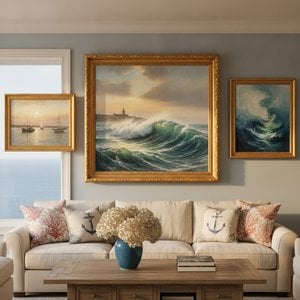
Bring the Ocean Home: Captivating Maritime Paintings to Transform Your Space with Timeless Elegance
Transform your home with breathtaking maritime oil paintings. From serene seascapes to dramatic nautical scenes, discover hand-painted reproductions that bring the ocean's soul to your space. Expertly crafted for collectors seeking timeless elegance and coastal tranquility.

Paisajes Románticos: 10 Obras Maestras que Definieron un Movimiento Artístico
Descubre los 10 paisajes románticos más influyentes de artistas como Caspar David Friedrich y Turner. Explora la belleza, el simbolismo y las técnicas del movimiento romántico. Reproducciones de arte exclusivas en ArtsDot.com.
