


 Ver en contexto
 Enviar
 Compartir
 Detalles

 Descargar
 Similares
 Radiografía
 Presentación de diapositivas
Self Portrait


 Ver más
Reproducción al óleo hecha a mano
Óleo sobre lienzo pintado a mano en el tamaño y marco de su elección, realizado por encargo por nuestros artistas. ( Comprar impresión Comprar imagen)




P118B $10

P118H $10

P118W $10

P438Z $10

P508JH $12

P508YH $12

P805H $10

P805Z $10

P919BZ $10

P919G $10

P919XJ $10

P959ZH $10

P968JZ $12

W106C $8

W218G $10

W218JH $8

W218Y $10

W307PJ $10

W316G $10

W316PJ $8

W316Y $10

W398PJ $8

W4111J $10

W500HY $15

W500JH $15

W692G $12

W849H $8

W940BG $15

W953PJ $8




Elija entre nuestros tamaños predefinidos que respetan las proporciones originales de la obra.

Puede ingresar sus propias dimensiones para adaptarse a un marco o espacio específico. Si el tamaño seleccionado no coincide con las proporciones de la imagen original, recortaremos la obra o extenderemos la pintura con elementos adicionales pintados a mano. Se le enviará una maqueta digital para su aprobación antes de comenzar la producción.
Tenga en cuenta que la vista previa en pantalla no refleja el recorte o la extensión reales. Solo la maqueta mostrará con precisión la composición final.
Si bien existen tamaños personalizados, recomendamos seleccionar una dimensión de la lista predefinida para preservar las proporciones originales.
Tras realizar el pedido, el equipo de ArtsDot.com enviará un correo electrónico al cliente para solicitar instrucciones y proporcionarle una vista previa del boceto.
Envío a todo el mundo () en 3-4 semanas en lugar de las 5 semanas estándar. (31 agosto). Sin comprometer la calidad.

Envío exprés gratuito a todo el mundo

Lienzo de lino de alta calidad

Seguro de envío total

Garantía de reembolso de impuestos aduaneros

Garantía de fidelidad cromática exacta

Política de devolución de 60 días (solo por defectos)

Garantía de devolución del 100% del dinero

Descuento por cantidad
 La opción de vidrio solo está disponible en tamaños inferiores a 110 cm.

Self Portrait
Técnica de reproducción
Dimensiones de la reproducción
-


Precio total final
$ 263
A Window into the Soul: James Tissot’s “Self Portrait”
James Jacques Joseph Tissot's "Self Portrait," painted in 1865, isn’t merely a likeness; it’s a carefully constructed invitation into the artist’s world. Emerging from a period of intense artistic exploration and marked by influences ranging from Ingres to the burgeoning Impressionism of Paris, this work offers a poignant glimpse at Tissot's evolving style and his deep engagement with the social currents of his time. The painting immediately draws the eye with its intimate scale – a relatively small canvas that fosters an immediate sense of connection, as if the artist is sharing a private moment. He sits before an easel, bathed in soft light, a contemplative expression gracing his face. His gaze, direct and slightly melancholic, seems to hold both awareness of himself and a subtle invitation for the viewer to share in his thoughts. The muted palette – predominantly browns, greys, and ochres – contributes to the painting’s subdued elegance, reflecting Tissot's deliberate choice to move away from the bright, theatrical colors favored by earlier academic styles.Technique and Style: A Synthesis of Realism and Impressionistic Hints
Tissot’s technique is a fascinating blend of meticulous realism and subtle Impressionistic touches. He employs a highly detailed approach, rendering the textures of his clothing – the velvet jacket, the worn fabric of his trousers – with remarkable accuracy. Yet, he doesn't simply replicate reality; instead, he uses light and shadow to create an atmosphere, suggesting depth and volume. Notice how the folds of the fabric seem to ripple and shift, not through a rigid adherence to form, but through a skillful manipulation of color and value. This is particularly evident in the way the light catches on the velvet, creating a subtle shimmer that adds to the painting’s overall luminosity. Furthermore, Tissot's use of brushstrokes—often short and broken—hints at an Impressionistic sensibility, anticipating the later developments of Monet and Renoir. He captures fleeting moments of light and shadow, imbuing the scene with a sense of movement and immediacy. The composition itself is carefully balanced, drawing the eye to the artist’s face while simultaneously establishing a harmonious relationship between his figure and the surrounding space.Social Context and Symbolism: A Parisian Artist in His Prime
Painted during a pivotal period in Tissot's career, “Self Portrait” reflects his growing success as a genre painter of contemporary society. He had established himself as a keen observer of Parisian life, capturing the elegance and sophistication of the Belle Époque with remarkable skill. The painting speaks to this ambition – it’s not just a portrait of an artist; it's a statement about his position within the vibrant artistic milieu of Paris. The easel itself becomes a symbol of his profession, while the quiet studio setting suggests a dedication to his craft. The slightly worn appearance of the room and the artist’s attire hint at a life dedicated to art, perhaps tinged with a touch of melancholy – a common theme in Tissot's work. Interestingly, the inclusion of a partially visible mirror behind him subtly reinforces the idea of self-reflection and artistic identity, echoing the Renaissance tradition of artists portraying themselves within their works.Emotional Resonance: Intimacy and Quiet Contemplation
Beyond its technical merits and historical context, “Self Portrait” possesses a profound emotional resonance. The artist’s expression is not one of grand pronouncements or theatrical display; rather, it conveys a sense of quiet contemplation—a moment of introspection amidst the bustle of Parisian life. There's an underlying vulnerability in his gaze, inviting the viewer to share in his thoughts and feelings. It’s a remarkably intimate portrait, offering a rare glimpse into the inner world of a talented artist. The painting speaks to the universal human experience of self-awareness, reminding us that even amidst artistic ambition and social engagement, there is always room for quiet reflection and personal connection. Reproductions of this work offer a beautiful opportunity to bring this moment of serene contemplation into any space, serving as a reminder of the power of art to connect us with both ourselves and the world around us.Obras relacionadas


Biografía del artista
Jacques Joseph Tissot (James Tissot)
James Jacques Joseph Tissot (Nantes, Países del Loira; 15 de octubre de 1836-Chenecey-Buillon, Franco Condado; 8 de agosto de 1902) fue un pintor y grabador francés. Estudió en la École des Beaux-Arts de París bajo maestros de la talla de Ingres, Flandrin y Lamothe y expuso por primera vez en el Salón de París en 1859. En 1861 mostró “La Reunión de Fausto y Margarita”, que fue adquirido por el Estado para la galería de Luxemburgo. Este ambicioso proyecto señaló Tissot’s creciente prestigio como pintor capaz de capturar narrativas complejas y transmitir emociones profundas. Sus primeros años estuvieron marcados por una profunda sensibilidad artística, impulsada por un padre drapería comerciante y una madre milenaria que le inculcaron el amor por la artesanía y el detalle—cualidades que influirían profundamente en su visión artística.Carrera Temprana y Reconocimiento
Su debut en el Salón de París fue un punto decisivo: la presentación de “La Reunión de Fausto y Margarita”, una composición dramática que cautivó al público y obtuvo amplio reconocimiento crítico. Esta obra maestra capturaba la complejidad narrativa y la profundidad emocional, reflejando las preocupaciones y aspiraciones de sus personajes con una precisión excepcional. Posteriormente, otras exposiciones en el Salón consolidaron su posición dentro del establecimiento artístico francés, mostrando su evolución estilística y atrayendo encargos importantes de clientes destacados. Estos primeros éxitos alimentaron confianza y lo impulsaron hacia la exploración de nuevos temas y técnicas—una trayectoria que definiría su ilustre carrera.Género Pintura y Sociedad Victoriana
Tissot alcanzó el reconocimiento artístico con su serie “La Mujer en París”, una observación meticulosa del mundo de la sociedad parisina burguesa a finales del siglo XIX. Estas pinturas, caracterizadas por una paleta cromática luminosa y una magistral representación de texturas—especialmente tejidos—se convirtieron en sinónimo de capturar el atractivo y dinamismo de la Belle Époque. Su atención al detalle trascendía la mera representación visual; buscaba transmitir no solo apariencia sino también matices psicológicos, reflejando las inquietudes y aspiraciones de sus sujetos con una sensibilidad artística única. Esta obra maestra sigue siendo un testimonio del impacto del impresionismo en el arte francés de principios de siglo XX.Temas Bíblicos y Japonismo
A lo largo de su prolífica producción artística, Tissot abrazó diversas fuentes de inspiración—desde relatos medievales hasta escenas religiosas—demostrando una notable versatilidad. Sus pinturas bíblicas estaban impregnadas de profundidad espiritual y resonancia emocional, mostrando su capacidad para elevar la narración visual a la contemplación profunda. Simultáneamente, fue fascinado por el Japonismo—el entusiasmo por el arte japonés que atravesó Europa durante la época victoriana—que se manifiesta en composiciones cargadas de disposición asimétrica y armonía cromática evocadora de las estampas japonesas. Esta fusión estilística reflejó su curiosidad intelectual y su voluntad de experimentar con enfoques artísticos innovadores.Últimos años y Legado
Tras la muerte de Kathleen Newton, en 1882, Tissot sufrió una profunda pérdida sentimental que afectó profundamente su producción artística. Sin embargo, continuó creando obras excepcionales hasta su fallecimiento en 1902, dejando un legado artístico duradero que sigue inspirando admiración por su brillantez estética y representación evocadora de la vida victoriana y la fe cristiana. Su nombre permanece grabado en los museos más importantes de París y Londres como uno de los artistas más destacados del siglo XIX.
Jacques Joseph Tissot
1836 - 1902 , Francia
Datos clave
- Artistic Movement Or Style: Genre Painting
- Artists Or Movements Influenced By This Artist: ['Impressionism']
- Artists Who Influenced This Artist:
- Ingres
- Courbet
- Date Of Birth: October 15, 1836
- Date Of Death: August 8, 1902
- Full Name: Jacques Joseph Tissot
- Nationality: French
- Notable Artworks:
- The Meeting of Faust and Marguerite
- La Femme à Paris
- Place Of Birth: Nantes, France
Artículos relacionados

James Abbott McNeill Whistler: Las 25 Obras Maestras del Maestro del Arte y la Atmósfera | ArtsDot
Descubre las 25 obras maestras de James Abbott McNeill Whistler, el maestro del impresionismo y la armonía en arte. Explora retratos icónicos, nocturnos evocadores y su innovadora paleta de colores. Reproducciones de arte exclusivas en ArtsDot.com.

Alfred Munnings: Las 25 Obras Maestras del Pintor de Caballos | ArtsDot
Descubre las 25 obras maestras de Alfred Munnings, el pintor británico de caballos por excelencia. Explora su impresionismo inglés, escenas campestres y técnica única. Encuentra reproducciones de arte de alta calidad en ArtsDot.com.

James Sant: Capturing Victorian Childhood & the Evolving Landscape of British Genre Painting
Explore the life & art of James Sant (1820-1916), renowned Victorian portraitist to Queen Victoria. Discover his captivating depictions of childhood, landscapes, and aristocratic society. Learn about his legacy & find fine art reproductions.
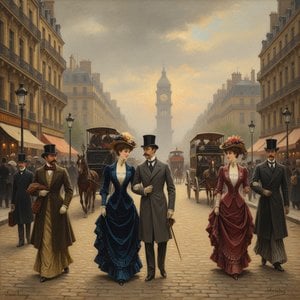
Jacques Joseph Tissot: A Chronicle of Parisian Life & Narrative Evolution
Explore the captivating world of Jacques Joseph Tissot, a master painter of Belle Époque society. Discover his realism, Impressionistic style, and lasting influence on art history. Learn more at ArtsDot.

Reflecting the Self: A History of Portraiture & Psychological Insight
Explore the fascinating history of self-portraiture from Renaissance masters like Dürer & Rembrandt to modern interpretations. Discover the psychological insights and artistic techniques behind these iconic works. Expert analysis for art enthusiasts.



