


 Vista previa
 Compartir
 Compartir
 Ver detalles
 Guía
Guía

 Descargar
 Ver artículos similares
 Radiografía
 Presentación de diapositivas
 Estadísticas
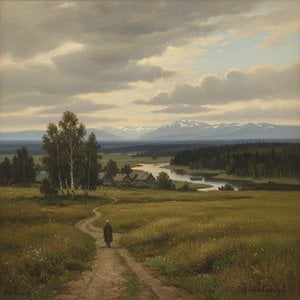
The Istra River. Study


 Leer más
Giclée / Impresión de arte
Impresiones giclée o en lienzo de calidad de museo con producción rápida y opciones de acabado flexibles. ( Encargar reproducción pintada a mano Ver versión en imagen digital)




P118B $10

P118H $10

P118W $10

P438Z $10

P508JH $12

P508YH $12

P805H $10

P805Z $10

P919BZ $10

P919G $10

P919XJ $10

P959ZH $10

P968JZ $12

W106C $8

W218G $10

W218JH $8

W218Y $10

W307PJ $10

W316G $10

W316PJ $8

W316Y $10

W398PJ $8

W4111J $10

W500HY $15

W500JH $15

W692G $12

W849H $8

W940BG $15

W953PJ $8




Elija entre nuestros tamaños predefinidos que respetan las proporciones originales de la obra.

Puede introducir sus propias dimensiones para adaptarse a un marco o espacio específico. Si el tamaño seleccionado no coincide con las proporciones de la imagen original, recortaremos la obra de arte o extenderemos la imagen con un borde con efecto espejo o de color sólido. Se enviará una maqueta digital para su aprobación antes de que comience la producción.
Tenga en cuenta que la vista previa en pantalla no refleja el recorte o la extensión real. Solo la maqueta mostrará con precisión la composición final.
Aunque existen tamaños personalizados, recomendamos seleccionar una dimensión de la lista predefinida para preservar las proporciones originales.
Envío a todo el mundo () en 2 semanas en lugar de las 4/5 semanas estándar. (26 septiembre)

Envío exprés gratuito a todo el mundo

Lienzo de lino de alta calidad

Seguro de envío completo

Garantía de reembolso de impuestos aduaneros

Garantía de fidelidad cromática exacta

Política de devolución de 100 días (solo por defectos)

Garantía de devolución del 100% del dinero

Oferta por volumen
 La opción de vidrio solo está disponible en tamaños inferiores a 110 cm.

The Istra River. Study
Giclée / Impresión de arte
Tamaño de la reproducción
-


Precio total
$ 62
A Symphony of Russian Soul: Isaak Levitan’s “The Istra River Study”
Isaak Ilyich Levitan's "The Istra River Study," painted in 1885, isn’t merely a landscape; it’s a distilled essence of the Russian soul. This evocative work, a cornerstone of the “mood landscape” movement, captures not just a scene but a profound feeling—a melancholic beauty born from the quiet contemplation of nature. Levitan, a master of conveying atmosphere and emotion through subtle brushstrokes, transports us to the banks of the Istra River, a waterway that holds a significant place in Russian folklore and artistic tradition.
The painting’s genesis lies within the burgeoning realist movement in 19th-century Russia. Artists were increasingly turning away from grand historical narratives and opulent court scenes, seeking instead to depict the everyday lives of ordinary people and the beauty of the natural world. Levitan, deeply influenced by the Barbizon School painters like Corot, embraced this shift, prioritizing observation and emotional resonance over strict academic representation. He spent countless hours outdoors, meticulously studying light, color, and texture – elements he then translated onto canvas with remarkable sensitivity.
The Language of Light and Color
Levitan’s technique is characterized by a masterful use of muted tones and atmospheric perspective. The dominant palette—a blend of blues, greens, and browns—creates a sense of stillness and tranquility. Notice how the light filters through the trees, casting dappled shadows across the grassy banks. This isn't a vibrant, sun-drenched landscape; it’s imbued with a subtle, almost ethereal quality. The artist employs broken brushstrokes, layering colors to build depth and create a hazy, dreamlike effect. The river itself reflects the sky above, blurring the boundaries between earth and heaven – a common motif in Levitan's work that speaks to a yearning for connection with something larger than oneself.
Symbolism of Place and Time
The Istra River holds deep symbolic significance within Russian culture. It’s often associated with melancholy, reflection, and the passage of time. The painting’s title, “Study,” suggests that Levitan wasn't simply aiming for a finished product but rather capturing a fleeting moment, an impression of the landscape. There is a sense of solitude here, yet not loneliness; it’s a quiet contemplation, inviting the viewer to share in the artist’s experience. The distant trees and the subtle ripples on the water evoke a feeling of timelessness – as if this scene has unfolded countless times before and will continue to unfold long after.
A Legacy of Mood Landscapes
“The Istra River Study” exemplifies Levitan's signature style, solidifying his place as one of Russia’s most beloved landscape painters. His ability to evoke emotion through the depiction of nature resonated deeply with audiences and continues to captivate viewers today. Reproductions of this work offer a window into the heart of Russian artistic tradition, allowing us to experience the beauty and melancholy of the Russian countryside through Levitan's masterful vision. It’s a piece that speaks volumes without uttering a single word – a testament to the power of art to transport us beyond the confines of our everyday lives.
Obras relacionadas


Biografía del artista
Isaak Ilyich Levitan: Una Vida en el Paisaje
Isaak Ilyich Levitan (1860-1900) fue un renombrado pintor de paisajes ruso que se convirtió en una figura clave en el desarrollo de los paisajes basados en el estado de ánimo. Su obra capturó la esencia del campo ruso, imbuida de encanto lírico y profundidad emocional.
Primeros Años y Educación
- Nació el 30 de agosto de 1860 en Kibarty (actualmente Lituania), en una familia judía que luego se mudó a Moscú.
- Demostró talento artístico desde temprana edad, recibiendo lecciones privadas antes de estudiar arte formalmente.
- En 1873, ingresó a la Escuela de Pintura, Escultura y Arquitectura de Moscú, donde estudió bajo artistas influyentes como Alexei Savrasov, Vasily Perov y Vasily Polenov.
- La influencia de Savrasov fue particularmente significativa, fomentando el amor de Levitan por representar los matices sutiles de la naturaleza rusa.
Desarrollo Artístico y Estilo
- Levitan se distinguió rápidamente por su capacidad para transmitir atmósfera y emoción a través de la pintura de paisajes.
- Pionero del género del "paisaje con ánimo", trascendiendo la mera representación topográfica para expresar sentimientos humanos y conexiones espirituales con la naturaleza.
- Su paleta era a menudo apagada, centrándose en colores naturalistas y elementos poéticos en lugar de tonos vibrantes.
- Si bien su trabajo posterior mostró familiaridad con el Impresionismo, mantuvo una sensibilidad rusamente única.
Obras Principales y Logros
- Algunas de sus obras más celebradas incluyen: Día de otoño. Sokolniki (1879), El camino de Vladimirka (1892) y Descanso eterno (1894). Estas pinturas se exhiben prominentemente en la Galería Tretyakov.
- Otras obras notables incluyen “Inundación de primavera”, “Día tormentoso”, “Campanas vespertinas” y “Claustro silencioso”.
- En 1897, Levitan fue elegido para la Academia Imperial de las Artes, un testimonio de su creciente reconocimiento.
- Se convirtió en jefe del estudio de paisajes en su alma mater en 1898, nutriendo a la próxima generación de pintores de paisajes rusos.
Influencias y Colaboraciones
- Levitan estuvo profundamente influenciado por las obras de Alexei Savrasov, cuyos paisajes melancólicos resonaron con su propia visión artística.
- Colaboró con otros artistas como Konstantin Korovin, Mikhail Nesterov y Nikolai Chekhov.
- Contribuyó con ilustraciones a la revista “Moscú” y diseñó escenografía para la Ópera Rusa privada de Savva Mamontov.
Significado Histórico y Legado
- El trabajo de Levitan jugó un papel crucial en la configuración del desarrollo de la pintura de paisajes rusa.
- Elevó el género más allá de una simple representación, imbuyéndolo de profundidad emocional y resonancia espiritual.
- Sus pinturas continúan evocando un fuerte sentido de identidad nacional y aprecio por la belleza del campo ruso.
- En 1941, sus restos fueron trasladados al Cementerio de Novodévichi en Moscú, donde está enterrado junto a su cercano amigo, Anton Chekhov, simbolizando su parentesco artístico.
El legado de Levitan perdura como maestro de la pintura de paisajes atmosféricos e intérprete profundo del alma rusa.

Isaak Ilyich Levitan
1860 - 1900 , Rusia
Datos clave
- Artistas Que Influyeron:
- Alexei Savrasov
- Vasily Perov
- Vasily Polenov
- Fecha De Nacimiento: 30 de agosto de 1860
- Lugar De Nacimiento: Kibarty, Lituania
- Movimiento Artístico: Pintura de paisaje, Paisaje emotivo
- Nacionalidad: Ruso
- Nombre Completo: Isaak Ilyich Levitan
- Obras Notables:
- Día de otoño. Sokolniki
- El camino de Vladimirka
- Descanso eterno
- Inundación de primavera
- Día tormentoso
Artículos relacionados

Vasily Polenov: A Pioneer of Landscape Impressionism & Russian National Identity
Explore the captivating landscapes of Vasily Polenov, a pivotal figure in Russian art history. Discover his lyrical realism, biblical series & influence on Impressionism. Learn about the 'Knight of Beauty' and his enduring legacy.

Paisajes Románticos: 10 Obras Maestras que Definieron un Movimiento Artístico
Descubre los 10 paisajes románticos más influyentes de artistas como Caspar David Friedrich y Turner. Explora la belleza, el simbolismo y las técnicas del movimiento romántico. Reproducciones de arte exclusivas en ArtsDot.com.
Fyodor Vasilyev: A Poetic Vision of Russian Landscape – Life, Legacy, and the Transience of Nature
Explore the captivating world of Fyodor Vasilyev, a pioneering Russian landscape painter. Discover his lyrical style, influential works like 'Clouds' & lasting legacy. Learn about his life, artistic journey & impact on Russian art history.

John Constable: Las 25 Obras Maestras del Paisaje Inglés | ArtsDot
Descubre las 25 obras maestras de John Constable, el pintor romántico inglés que capturó la belleza del paisaje. Explora su técnica, historia y significado en ArtsDot.com. Reproducciones de arte de alta calidad para tu hogar.

Aleksey Savrasov: The Poetic Realism That Defined Russian Landscape Painting
Explore the poetic realism of Aleksey Savrasov, founder of Russian lyrical landscape painting. Discover his masterpieces like 'The Rooks Have Returned' and learn about his lasting influence on 19th-century art. ArtsDot offers high-quality reproductions.


