


 Vista previa
 Compartir
 Compartir
 Ver detalles
 Guía
Guía

 Descargar
 Ver artículos similares
 Radiografía
 Presentación de diapositivas
 Estadísticas
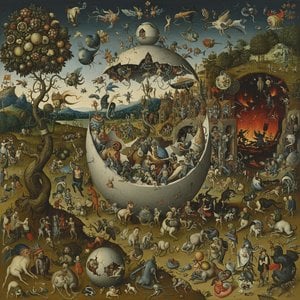
This is a human(Ecce Homo)

 Leer más
Giclée / Impresión de arte
Impresiones giclée o en lienzo de calidad de museo con producción rápida y opciones de acabado flexibles. ( Encargar reproducción pintada a mano Ver versión en imagen digital)




P118B $10

P118H $10

P118W $10

P438Z $10

P508JH $12

P508YH $12

P805H $10

P805Z $10

P919BZ $10

P919G $10

P919XJ $10

P959ZH $10

P968JZ $12

W106C $8

W218G $10

W218JH $8

W218Y $10

W307PJ $10

W316G $10

W316PJ $8

W316Y $10

W398PJ $8

W4111J $10

W500HY $15

W500JH $15

W692G $12

W849H $8

W940BG $15

W953PJ $8




Elija entre nuestros tamaños predefinidos que respetan las proporciones originales de la obra.

Puede introducir sus propias dimensiones para adaptarse a un marco o espacio específico. Si el tamaño seleccionado no coincide con las proporciones de la imagen original, recortaremos la obra de arte o extenderemos la imagen con un borde con efecto espejo o de color sólido. Se enviará una maqueta digital para su aprobación antes de que comience la producción.
Tenga en cuenta que la vista previa en pantalla no refleja el recorte o la extensión real. Solo la maqueta mostrará con precisión la composición final.
Aunque existen tamaños personalizados, recomendamos seleccionar una dimensión de la lista predefinida para preservar las proporciones originales.
Envío a todo el mundo () en 2 semanas en lugar de las 4/5 semanas estándar. (25 septiembre)

Envío exprés gratuito a todo el mundo

Lienzo de lino de alta calidad

Seguro de envío completo

Garantía de reembolso de impuestos aduaneros

Garantía de fidelidad cromática exacta

Política de devolución de 100 días (solo por defectos)

Garantía de devolución del 100% del dinero

Oferta por volumen
 La opción de vidrio solo está disponible en tamaños inferiores a 110 cm.

This is a human(Ecce Homo)
Giclée / Impresión de arte
Tamaño de la reproducción
-


Precio total
$ 62
A Portrait of Suffering: Exploring Hieronymus Bosch’s “This is a Human”
The painting "This is a Human," attributed to the enigmatic Netherlandish artist Hieronymus Bosch (1450-1516), stands as a haunting testament to the anxieties and spiritual turmoil of its time. Born in ’s-Hertogenbosch, Brabant—a region grappling with religious reformation and burgeoning urban life—Bosch’s artistic output defies easy categorization, cementing his place among the most distinctive voices of the Early Renaissance. Unlike many artists preoccupied with idealized beauty or classical grandeur, Bosch relentlessly pursued a vision rooted in grotesque realism and psychological depth, creating images that simultaneously repel and fascinate viewers centuries later.- Subject Matter: The artwork depicts the crucifixion of Jesus Christ—a pivotal event in Christian theology—but Bosch’s depiction transcends mere religious iconography. Rather than presenting a serene tableau of piety, he portrays a scene fraught with palpable emotion and unsettling detail. Figures surrounding the crucified Jesus are rendered with unflinching honesty, capturing expressions of grief, bewilderment, and despair.
- Style: Bosch’s style is undeniably unique—characterized by an astonishing blend of meticulous observation and fantastical imagination. He meticulously captures anatomical accuracy alongside bizarre creatures and symbolic landscapes, resulting in a visual language that anticipates Surrealism and foreshadows the anxieties of modernity. The artist's penchant for disturbing imagery distinguishes him from his contemporaries.
Technique: A Masterclass in Detail
Bosch’s technique is remarkable for its precision and expressive power. Executed in oil paint on panel—a common medium of the period—he employed a layering process that allowed him to build up textures and create astonishing levels of detail. Bosch meticulously rendered every element of his compositions, from the folds of drapery to the expressions on the faces of the figures. The artist’s use of chiaroscuro—the dramatic interplay between light and shadow—further enhances the emotional impact of the painting, emphasizing the suffering endured by Jesus and amplifying the sense of unease within the scene.- Color Palette: Bosch utilized a muted color palette dominated by earthy tones—browns, ochres, and reds—reflecting the somber mood of the crucifixion. However, splashes of vibrant hues—particularly crimson—serve to draw attention to key elements within the composition, intensifying their symbolic significance.
- Composition: Bosch’s compositional choices contribute significantly to the painting's unsettling effect. The figures are arranged in a claustrophobic space, creating a sense of confinement and mirroring the psychological torment experienced by those witnessing the crucifixion. The placement of objects—such as the wine glass and swords—further reinforces the symbolic narrative.
Historical Context: Fear and Faith Amidst Uncertainty
“This is a Human” emerged during a period of profound religious upheaval in Europe. The Protestant Reformation was challenging papal authority and reshaping theological beliefs, sparking intense debates about salvation and morality. Bosch’s artwork reflects this intellectual ferment by confronting viewers with uncomfortable questions about human nature and the consequences of sin. Furthermore, the painting anticipates anxieties surrounding mortality and decay—themes prevalent in medieval art but powerfully articulated by Bosch through his grotesque imagery.Symbolism: Decoding Layers of Meaning
The symbolism embedded within “This is a Human” operates on multiple levels. The crucifixion itself represents sacrifice and redemption, yet Bosch presents it not as an idealized spiritual experience but as a brutal confrontation with suffering. The figures surrounding Jesus embody various aspects of human emotion—compassion, grief, fear—highlighting the universality of human experience. Objects like the wine glass and swords symbolize judgment and divine retribution, underscoring the painting’s moral dimension. Bosch's masterful use of symbolism elevates the artwork beyond mere depiction to profound meditation on faith, mortality, and the darker recesses of the human psyche.Obras relacionadas


Biografía del artista
vida y carrera
Hieronymus Bosch, un pintor holandés/niederlandés destacado de Brabante, nació alrededor de 1450 en ‘s-Hertogenbosch, Países Bajos. Su vida permanece envuelta en misterio, con solo unos pocos registros de su existencia. A pesar de la falta de información biográfica, el arte de Bosch ha tenido un impacto profundo en el arte europeo del norte, particularmente en el siglo XVI.estilo artístico e influencias
El estilo único de Bosch, caracterizado por **representaciones surrealistas e imaginativas de temas religiosos**, ha sido ampliamente influyente. Sus pinturas al óleo sobre madera, a menudo que presentan **visiones inquietantes y de pesadilla del infierno**, han sido objeto de numerosas interpretaciones. El Triptico del Juicio Final (c. 1480-1490) y el Jardín de las Delicias (c. 1490-1510) son dos de sus obras más celebradas, que muestran su maestría en el medio.obras notables y colecciones
* Ascenso de los Benditos (renacimiento del norte, óleo sobre tabla): un ejemplo raro del trabajo de Bosch, que presenta una escena onírica y otrosa. * Epifanía (c. 1495, Museo Prado, Madrid): Un triptico que demuestra el uso innovador de óleo sobre madera por parte de Bosch. * Cabeza de un Halbedero (Museo Prado, Madrid): Un buen ejemplo de la pintura al óleo de retrato de Bosch, que muestra su atención al detalle.museos y colecciones que exhiben el trabajo de Bosch
* El Museo Prado, Madrid: Hogar de algunas de las obras más famosas de Bosch, incluyendo la Epifanía y el Triptico del Juicio Final. * El Museo de Arte de Filadelfia, Filadelfia: Presenta una versión de la Epifanía, ofreciendo una perspectiva única sobre el estilo artístico de Bosch.- Explore más obras de Hieronymus Bosch en https://ArtsDot.com/@/hieronymus-bosch
- Descubra el movimiento del arte flamenco temprano y sus figuras clave, incluyendo a Jan van Eyck y Pieter Bruegel el Viejo, en https://ArtsDot.com/@@/a@d3cpaf-the-erly-netherlandish-art-movement
- Aprenda más sobre la vida y obra de Pieter Bruegel el Viejo en https://en.wikipedia.org/wiki/pieter_bruegel_the_elder
legado
El estilo enigmático de Hieronymus Bosch ha cautivado a los entusiastas del arte durante siglos, y su influencia aún se puede ver en la obra de numerosos artistas. Su combinación única de **surrealismo e ideas profundas sobre la condición humana** ha solidificado su lugar como maestro de la pintura flamenco.
Jerónimo Bosch
1450 - 1516 , Países Bajos
Datos clave
- Artistas Influenciados: ['Pieter Bruegel el Viejo']
- Fecha De Muerte: 1516
- Fecha De Nacimiento: c. 1450
- Lugar De Nacimiento: 's-Hertogenbosch, Países Bajos
- Movimiento Artístico: Primitivos Flamencos
- Nacionalidad: Holandés
- Nombre Completo: Jerónimo Bosch
- Obras Notables:
- El Jardín de las Delicias
- Tríptico del Juicio Final
- Ascenso de los Benditos
- Epifanía
Artículos relacionados

Las 10 Obras Maestras del Alto Medieval: Arte, Historia y Decoración Exclusiva
Descubre las 10 obras maestras del Alto Medieval. Explora la historia, el simbolismo y la belleza de la pintura románica y gótica. Reproducciones exclusivas en ArtsDot.com para decorar tu hogar con arte atemporal.
Hieronymus Bosch: Las 25 Obras Maestras del Genio Medieval | Arte y Decoración
Descubre las 25 obras maestras de Hieronymus Bosch, el enigmático pintor medieval. Explora 'El Jardín de las Delicias' y su simbolismo único. Reproducciones de arte de alta calidad para tu hogar en ArtsDot.com.

10 Obras Maestras Medievales que Definen el Arte (y tu Hogar)
Descubre 10 obras maestras del arte medieval, desde Duccio a Van Eyck. Explora la historia, simbolismo y belleza de Giotto, Simone Martini y más. Encuentra reproducciones de alta calidad para decorar tu hogar en ArtsDot.com.

Las 25 Obras Maestras del Prado: Arte Español e Inspiración para tu Hogar
Descubre las 25 obras maestras del Museo del Prado: Velázquez, Goya, El Greco y más. Explora la historia, técnica y belleza de cada cuadro español. Encuentra reproducciones de arte exclusivas e inspira tu hogar con ArtsDot.com.

Hieronymus Bosch: Decoding the Visions of a Netherlandish Master
Explore the captivating world of Hieronymus Bosch! Delve into the symbolism, religious context, and artistic innovation of this Netherlandish master with ArtsDot's expert analysis. Discover his iconic paintings & lasting influence.


