


La imagen se ajusta a sus preferencias: , .
Descripción del objeto
Vibrant yellow lemons burst from the branches of this impressionist oil masterpiece by Henry Scott Tuke that captures a serene moment in nature, inviting you to bring this timeless beauty into your private collection.
 Ver más
Biografía del artista
Descubre a Henry Scott Tuke (1858-1929), artista impresionista británico conocido por sus íntimas pinturas de jóvenes y escenas marítimas. ¡Explora su legado!
Reproducción al óleo hecha a mano
Óleo sobre lienzo pintado a mano en el tamaño y marco de su elección, realizado por encargo por nuestros artistas. ( Cambiar a impresiones Cambiar a imagen digital)
Más información sobre esta pintura
 Ver en contexto
 Enviar
 Compartir
 Detalles
 Guía
Guía

 Descargar
 Similares
 Radiografía
 Presentación de diapositivas
 Preguntas y respuestas
 Estadísticas
Pida su pintura en cuatro sencillos pasos
Tómese su tiempo. Puede cambiar cualquier respuesta; el precio en su carrito de compra se actualizará según cada elección.
1 Paso uno de cuatro
¿Qué tamaño desea?
Estos tamaños mantienen las proporciones de la pintura original. El dibujo muestra su elección en una pared, sobre un sofá de dos metros.
O introduce tus propias medidas
Elija entre nuestros tamaños predefinidos que respetan las proporciones originales de la obra.

Indique el ancho y el alto que necesite para adaptarse a su marco o pared. Al tratarse de una obra pintada a mano, si requiere un tamaño con una proporción distinta, el artista puede pintar un poco más alrededor de la imagen o recortarla ligeramente; usted elige. Le enviaremos una maqueta digital para su aprobación antes de comenzar la pintura. La imagen que se muestra en esta página no refleja el resultado real; solo la maqueta lo hace.
2 Paso dos de cuatro
¿Cómo desea recibirlo: enrollado, estirado o enmarcado?
Los precios que aparecen a continuación corresponden al tamaño seleccionado en el primer paso.
Elige el acabado de los bordes del lienzo
Elige tu marco

Blanco €1

Bordes difuminados €1

Continuación de imagen €1

P118B €10

P118H €10

P118W €10

P438Z €10

P508JH €12

P508YH €12

P805H €10

P805Z €10

P919BZ €10

P919G €10

P919XJ €10

P959ZH €10

P968JZ €12

W106C €8

W218G €10

W218JH €8

W218Y €10

W307PJ €10

W316G €10

W316PJ €8

W316Y €10

W398PJ €8

W4111J €10

W500HY €15

W500JH €15

W692G €12

W849H €8

W940BG €15

W953PJ €8

H24-GOLD €30

H24-SILVER €30

H36-GOLD €45

H36-SILVER €45
Con marco
Moldura: . Dimensiones totales con marco: .
3 Paso tres de cuatro
¿Desea realizar algún cambio en la pintura?
La mayoría de las personas responden que no. Debido a que cada pintura se realiza a mano, nuestro artista también puede adaptarla para usted.
Tras realizar el pedido, el equipo de ArtsDot.com enviará un correo electrónico al cliente para solicitar instrucciones y proporcionar una vista previa del boceto
4 Paso cuatro de cuatro
Algunas opciones de acabado
Todos ellos son opcionales. Las respuestas ya seleccionadas no tienen ningún coste adicional.
¿Quién lo pinta?
Envío a todo el mundo () en 3-4 semanas en lugar de las 5 semanas estándar. (4 noviembre). Sin comprometer la calidad.
¿Una placa de identificación, como en un museo?
Detalles de la placa de bronce grabada
This elegant plaque features the artist's name and the title of the artwork, finely engraved for a timeless presentation.
It is made from bronze with a refined, elegant finish. The text is precisely laser-engraved for a sharp and permanent result. Measuring 9x2 cm, the plaque is compact yet easy to read. It's built to be durable and scratch-resistant, offering a professional, museum-quality look. Mounting is simple thanks to the included adhesive backing.
Detalles de la placa de acrílico transparente
The plaque includes essential engraved details such as the artist's name, the title of the artwork, the date it was created, the type of media used-like oil on canvas or watercolor-a brief description of the piece, and a QR code that links to the complete artwork information.
It is crafted from clear acrylic, offering a sleek, modern appearance. The text is UV-engraved in black to ensure strong visual contrast. With a size of 10x15 cm, it ensures optimal readability. It comes equipped with two metal hooks for secure wall mounting. The plaque is designed to be weather-resistant, making it suitable for various environments, and it includes interactive features that work seamlessly with smartphone scanning.
Detalles de la placa de acrílico negro
This elegant plaque includes engraved information such as the artist's name, the title of the artwork, the date it was created, the type of media used (like oil on canvas or watercolor), a short description of the artwork, and a QR code for quick access to more information.
The plaque itself is made from refined black acrylic with a premium finish. The text is laser-engraved in white for high contrast and readability. Its size is 10x15 cm, designed to be easy to read. It comes with two metal hooks for professional mounting. The design is sleek and fits any interior style. It is also weather-resistant and durable, with built-in digital integration for mobile compatibility.
¿Un barniz protector?
¿Para cuándo lo necesita?
✓ Revisar y pedir
Su pintura, tal como la solicitó

The Lemon Tree
Técnica de reproducción
Dimensiones de la reproducción
-

Selección de artistas premium
Mayor nivel de detalle, delicadeza y tiempo de producción adicional
-

Enmarcado de reproducción
-
-
Para obras de arte o reproducciones que midan más de 105 cm (aproximadamente 41 pulgadas) en cualquiera de sus lados, el marco se enviará como un kit desmontado. Este método garantiza una entrega segura y evita daños durante el transporte.
Se requiere montaje profesional: este no es un producto para hacer usted mismo (DIY).
El kit debe ser ensamblado y el lienzo tensado por un enmarcador profesional con experiencia, utilizando cola para madera (no incluida), una tenaza para tensar lienzos y sargentos para mantener los bastidores alineados mientras la cola se seca. Un montaje incorrecto o una tensión desigual del lienzo pueden dañar la obra de arte de forma permanente y no están cubiertos por nuestra garantía.
 Para obras de arte o reproducciones que midan más de 105 cm (aproximadamente 41 pulgadas) en cualquiera de sus lados, el marco se enviará como un kit desmontado. Este método garantiza una entrega segura y evita daños durante el transporte.
Se incluyen todos los listones de madera maciza, cortados con precisión según las medidas.
Se ensambla con los tornillos incluidos, además de cola para madera para las uniones de las esquinas, la cual no se incluye y debe ser proporcionada por su enmarcador.
Se requieren herramientas profesionales que no están incluidas: un alicate para tensar lienzos (tensor) y abrazaderas para mantener los bastidores alineados mientras se seca el pegamento.
Importante:
Las uniones de las esquinas requieren cola para madera, los listones deben sujetarse con prensas hasta que la cola esté completamente seca, y para tensar el lienzo en el bastidor ensamblado se requiere una pinza para tensar lienzos. Ninguno de estos elementos está incluido en el kit. Por favor, contacte con un profesional del enmarcado con experiencia antes de realizar un pedido de este tamaño.

Cartela
-
-

Barniz protector
Barniz brillante (realza los colores y protege contra la luz y la humedad)
-

Personalizar mi obra
Ejemplos de lo que se puede personalizar: sustituir el rostro por una foto del cliente; añadir una mascota (por ejemplo, cambiar un gato por un perro); incluir un mensaje oculto en el fondo; cambiar el paisaje o los elementos del fondo.
-

Envío urgente
Envío a todo el mundo () en 3 o 4 semanas, en lugar de las 5 semanas habituales. (4 noviembre). Sin comprometer la calidad.
-
Envío urgente
Envío internacional () en 5 semanas. (11 noviembre).
Incluido
Precio total final
€ 235
La opción de vidrio solo está disponible en tamaños inferiores a 110 cm.
Incluido en cada pedido
- Envío exprés gratuito a todo el mundo
- Lienzo de lino de alta calidad
- Seguro de envío total
- Garantía de reembolso de aranceles aduaneros
- Garantía de fidelidad cromática exacta
- Política de devolución de 100 días (solo por defectos)
- Garantía de devolución del 100% del dinero
- Descuento por cantidad


A Sun-Drenched Symphony of Color and Light
In the luminous realm of Henry Scott Tuke’s The Lemon Tree, the viewer is immediately transported to a Mediterranean-inspired sanctuary where the boundaries between nature and tranquility dissolve. This exquisite oil on canvas serves as a breathtaking testament to the artist's mastery of light, presenting a central lemon tree that acts as a vibrant anchor for the entire composition. The fruit itself—heavy, ripe, and bursting with a brilliant yellow hue—seems to glow from within, casting a warm radiance across the scene. Tuke’s ability to capture the tactile essence of the citrus, from the textured rind to the delicate weight of the branches, creates an immersive sensory experience that invites the observer to step directly into this sun-soaked grove.
Beyond the mere depiction of flora, the painting weaves a complex tapestry of texture and depth. The artist employs a technique where bold yet delicate brushstrokes dance across the canvas, defining the intricate network of leaves and branches with an almost rhythmic precision. This interplay of light and shadow creates a profound sense of dimensionality; one can almost feel the warmth of the sun filtering through the canopy. Scattered amongst the lemons, hints of oranges add unexpected pops of color, enriching the palette and contributing to a lush, bountiful atmosphere that celebrates the fecundity of the natural world.
The Human Element and the Impressionist Spirit
While the lemon tree commands the spotlight, Tuke subtly integrates human presence to breathe life and narrative into the landscape. Two figures are positioned within the scene—one standing near the left periphery and another nestled further back on the right—acting as quiet observers of this natural splendor. These figures do not dominate the work; rather, they serve as a bridge between humanity and the wild beauty of the earth, suggesting a moment of peaceful coexistence and quiet contemplation. Their presence adds a layer of storytelling, transforming a botanical study into a lived experience, where the scale of nature is both celebrated and respected.
As a prominent figure associated with the Newlyn School, Tuke brought an en plein air sensibility to his work, a technique heavily influenced by his time in Paris. This influence is palpable in The Lemon Tree through its vibrant, impressionistic use of color and its focus on capturing the fleeting effects of natural light. For collectors and interior designers alike, this piece offers more than just visual beauty; it provides an emotional anchor for any space. The painting’s ability to evoke feelings of serenity, warmth, and vitality makes it a timeless choice for those seeking to infuse their environments with the restorative power of classical Impressionism.
Whether viewed as a study of botanical brilliance or a poetic meditation on summer afternoons, this masterpiece remains an enduring jewel of British art. It stands as a perfect acquisition for the discerning enthusiast who appreciates the delicate balance of technical rigor and emotional resonance, offering a window into a world where nature remains eternally bright and unblemished.
Preguntas y respuestas
¿Puedo ver "The Lemon Tree" de Henry Scott Tuke en mi propia pared antes de comprarlo?
"The Lemon Tree" cuenta con una vista previa en realidad aumentada: la página de Vista previa en RA de la obra permite visualizarla en su propio espacio mediante un dispositivo compatible.
¿Los colores de "The Lemon Tree" de Henry Scott Tuke son intensos o tenues?
La paleta cromática de "The Lemon Tree" presenta una saturación de Clear Color Presence y una intensidad de Vivid.
¿Cómo se combinan la técnica y el movimiento en "The Lemon Tree"?
"The Lemon Tree" de Henry Scott Tuke combina la técnica de Oil On Canvas con el estilo Impressionism. La técnica y el movimiento describen la ejecución y el estilo de la obra.
Obras relacionadas


Henry Scott Tuke
1858 - 1929, Reino Unido
Biografía del artista
Primeros años y educación
Henry Scott Tuke, un destacado artista visual inglés, nació el 12 de junio de 1858 en Lawrence Street, York, dentro de una familia cuáquera. Su padre, Daniel Hack Tuke, era un médico reconocido especializado en psiquiatría. La vida temprana de Tuke se caracterizó por una fuerte inclinación hacia el arte, alentada por su familia.Carrera artística
El viaje artístico de Tuke comenzó con su inscripción en la Slade School of Art bajo Alphonse Legros y Sir Edward Poynter en 1875. Más tarde ganó una beca que le permitió continuar sus estudios en la Slade e Italia en 1880. Su tiempo en París desde 1881 hasta 1883, donde conoció a Jules Bastien-Lepage, influyó en su decisión de pintar al aire libre (en plein air).- El trabajo más notable de Tuke fue en el estilo impresionista.
- Es conocido principalmente por sus pinturas de niños y jóvenes desnudos, un tema tanto personal como profesionalmente significativo.
- La prolífica carrera de Tuke resultó en más de 1300 obras, incluidas pinturas al óleo de jóvenes, escenas marítimas y retratos de barcos de vela.
Obras destacadas y legado
Algunas de las obras más notables de Tuke incluyen:- El sueño del niño, un ejemplo conmovedor de su estilo impresionista.
- Agosto, azul, que muestra su habilidad para capturar la esencia de la juventud y la naturaleza.
- Barcos de vela en Newlyn, destacando su arte marítimo.
Vida posterior y muerte
Tuke sufrió un ataque cardíaco en 1928 y falleció el 13 de marzo de 1929. A pesar de saber que su trabajo ya no estaba de moda hacia el final de su vida, la generosidad de Tuke con sus modelos, muchos de los cuales eran jóvenes, habla mucho sobre su carácter.El legado artístico de Tuke: una mezcla de impresionismo e intimidad
Su obra, aunque a menudo eclipsada por contemporáneos más llamativos, sigue siendo un testimonio del poder perdurable del arte impresionista y la forma humana. El legado de Tuke no está solo en sus pinturas, sino también en las vidas que tocó, tanto como artista como persona.


Artículos relacionados
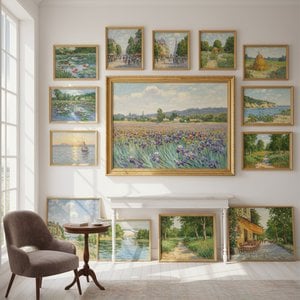
Los 10 Maestros del Paisaje Impresionista: Obras que Cambiaron la Historia del Arte
Descubre los 10 lienzos impresionistas que revolucionaron el arte. Explora la historia de Monet, Van Gogh y Renoir, sus técnicas y colores vibrantes. Encuentra reproducciones de alta calidad para decorar tu hogar en ArtsDot.com

Las 25 mejores obras de Pierre-Auguste Renoir: El alma del Impresionismo
Explora las 25 mejores obras de Renoir y la luz del impresionismo. ¡Descubre estas obras maestras en ArtsDot.com!
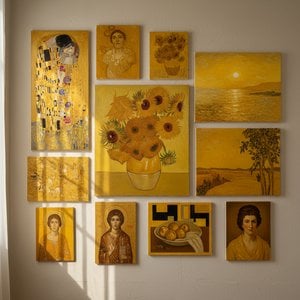
Los 10 cuadros más famosos dominados por el ocre amarillo: Arte y decoración atemporal
Descubre los 10 cuadros más famosos con tonos ocres amarillos. Explora la historia de Van Gogh, Monet y otros artistas clave del impresionismo y postimpresionismo. Encuentra reproducciones de arte de museo en .