


 Vista previa
 Compartir
 Compartir
 Ver detalles

 Descargar
 Ver artículos similares
 Radiografía
 Presentación de diapositivas
 Estadísticas
untitled (3950)


 Leer más
Reproducción al óleo hecha a mano
Óleo sobre lienzo pintado a mano en el tamaño y marco de su elección, realizado por encargo por nuestros artistas. ( Cambiar a formato impreso Ver versión en imagen digital)




P118B $10

P118H $10

P118W $10

P438Z $10

P508JH $12

P508YH $12

P805H $10

P805Z $10

P919BZ $10

P919G $10

P919XJ $10

P959ZH $10

P968JZ $12

W106C $8

W218G $10

W218JH $8

W218Y $10

W307PJ $10

W316G $10

W316PJ $8

W316Y $10

W398PJ $8

W4111J $10

W500HY $15

W500JH $15

W692G $12

W849H $8

W940BG $15

W953PJ $8




Elija entre nuestros tamaños predefinidos que respetan las proporciones originales de la obra.

Puede ingresar sus propias dimensiones para adaptarse a un marco o espacio específico. Si el tamaño seleccionado no coincide con las proporciones de la imagen original, recortaremos la obra o extenderemos la pintura con elementos adicionales pintados a mano. Se le enviará una maqueta digital para su aprobación antes de comenzar la producción.
Tenga en cuenta que la vista previa en pantalla no refleja el recorte o la extensión reales. Solo la maqueta mostrará con precisión la composición final.
Si bien existen tamaños personalizados, recomendamos seleccionar una dimensión de la lista predefinida para preservar las proporciones originales.
Tras realizar el pedido, el equipo de ArtsDot.com enviará un correo electrónico al cliente para solicitar instrucciones y proporcionarle una vista previa del boceto.
Envío a todo el mundo () en 3-4 semanas en lugar de las 5 semanas estándar. (17 septiembre). Sin comprometer la calidad.

Envío exprés gratuito a todo el mundo

Lienzo de lino de alta calidad

Seguro de envío completo

Garantía de reembolso de impuestos aduaneros

Garantía de fidelidad cromática exacta

Política de devolución de 100 días (solo por defectos)

Garantía de devolución del 100% del dinero

Oferta por volumen
 La opción de vidrio solo está disponible en tamaños inferiores a 110 cm.

untitled (3950)
Técnica de reproducción
Tamaño de la reproducción
-


Precio total
$ 263
A Window into the Northern Renaissance
In the quiet, luminous depths of Hans Holbein the Younger’s untitled (3950), one finds more than just a portrait; one encounters a profound psychological encounter that has captivated viewers for centuries. Executed between 1526 and 1528, this masterpiece serves as a breathtaking window into the Northern Renaissance, an era defined by an almost spiritual devotion to meticulous detail and the exploration of human emotion. The subject, likely a noblewoman of high standing, gazes out from the panel with a serene yet piercing expression that seems to bridge the gap between the sixteenth century and our modern gaze. There is an undeniable intimacy in her presence, a quality that makes this work not merely a historical artifact, and but a living, breathing entity capable of transforming any space it inhabits.
Holbein’s technical mastery is nothing short of revolutionary. Through the painstaking application of thin, translucent oil glazes, he achieved a level of realism that feels almost tactile. To look upon this painting is to experience the subtle textures of skin, the delicate weight of a white cap, and the soft, velvet-like appearance of the small black bird held within the woman's grasp. This layering technique creates a luminous surface that captures light in a way that mimics the natural world, providing a depth and brilliance that remains striking even in reproduction. For the discerning collector or interior designer, this luminosity offers a sophisticated focal point, bringing a sense of classical elegance and enduring light to a curated room.
Symbolism and the Soul of the Subject
Beyond its outward beauty, the painting is a complex tapestry of humanist thought and Christian iconography. During the period of its creation, Europe was undergoing a massive intellectual shift, fueled by the rediscovery of classical texts and the rise of humanism. Holbein subtly weaves these themes into the very fabric of the portrait. The inclusion of birds—specifically the small black bird held delicately in the woman’s hand, alongside others perched in the background—is laden with symbolic weight. In the iconographic language of the time, birds often represented spirituality, hope, and the concept of resurrection. This suggests that the sitter possessed an inner peace and a contemplative nature, reflecting the virtues of piety and grace so highly valued by the Tudor court.
This interplay between the physical and the metaphysical creates an emotional impact that is both soothing and intellectually stimulating. The balanced composition, with its careful arrangement of figures and background elements, provides a sense of stability and harmony. For those seeking to decorate a space with art that inspires reflection, this piece offers a profound narrative. It is a work that invites the viewer to linger, to search for hidden meanings within the folds of drapery or the glint in an eye, making it an ideal acquisition for those who appreciate art as a medium for storytelling and deep emotional resonance.
Obras relacionadas


Biografía del artista
vida temprana y formación
Hans Holbein el Joven, una figura destacada en la renacimiento norteño, nació en 1497 en Augsburg, Alemania. Aunque a menudo se le confunde con su padre, Hans Holbein el Viejo, un artista y grabador renombrado, la obra del joven Holbein es distinta y notable por sí misma.carrera artística
La carrera artística de Holbein el Joven comenzó bajo la tutela de su padre. Posteriormente viajó a Inglaterra, donde se convirtió en pintor de corte para el rey Enrique VIII. Esta posición le permitió capturar la esencia de la familia real y la aristocracia inglesa emergente. Su obra se caracteriza por:- realismo excepcional: los retratos de Holbein son celebrados por su calidad realista, como se ve en Retrato de una dama desconocida (renacimiento norteño).
- composición innovadora: su uso de la composición es evidente en Sir William Butts (37 x 46 cm, renacimiento norteño, óleo sobre tabla).
- estudio para el retrato familiar de Tomás Moro (38 x 52 cm, renacimiento norteño) muestra su habilidad para capturar la esencia de una familia.
obras notables y legado
La obra de Holbein el Joven se encuentra en varios museos, incluido el Museos Estatales de Berlín (Alemania, donde su Señor desconocido con libros de música y laúd (óleo sobre tabla) está en exhibición. Su influencia en el renacimiento norteño es innegable, y su obra continúa inspirando a los artistas hasta el día de hoy. Holbein el Joven falleció en 1543, pero su legado perdura a través de sus cautivadores retratos y estudios detallados. ver más obras de Hans Holbein el Joven en ArtsDot.
Hans Holbein el Joven
1497 - 1543 , Italia
Datos clave
- Artistas Que Influyeron:
- Hans Holbein el Viejo
- Albrecht Dürer
- Estilo Artístico: Renacimiento Nórdico
- Fecha De Muerte: 1543
- Fecha De Nacimiento: 1497
- Lugar De Nacimiento: Augsburgo, Italia
- Nacionalidad: Alemán
- Nombre Completo: Hans Holbein el Joven
- Obras Notables:
- Retrato de Enrique VIII
- El cuerpo del Cristo muerto
- Los embajadores
- Autorretrato
- Madonna del Burgomaestre Meyer
Artículos relacionados

Hans Holbein the Younger: A Renaissance Portraitist's Mastery of Realism & Psychological Insight
Explore the life & art of Hans Holbein the Younger, a Renaissance master renowned for his strikingly realistic portraits and psychological insight. Discover iconic works like 'The Ambassadors' and delve into his lasting legacy.

Top 10 Obras de Arte para un Ambiente Sereno |
Descubre 10 obras de arte icónicas que evocan serenidad y calma. Explora la historia detrás de Monet, Van Gogh y otros maestros. Encuentra reproducciones de museo para crear un ambiente zen en tu hogar. ¡Explora la colección completa en !

Feathered Visions: A Historical & Artistic Exploration of Birds in Painting
Explore the rich history of birds in painting! Discover symbolism, artistic movements & master artists like Audubon. High-quality reproductions available at ArtsDot.

Expresionismo Alemán: 10 Obras Maestras que Transformaron el Arte | ArtsDot
Descubre las 10 obras maestras del Expresionismo Alemán: Kirchner, Munch y más. Explora la historia, técnica y emoción detrás de estos lienzos icónicos. Reproducciones de arte de museo en ArtsDot.com. ¡Inspira tu hogar con arte!
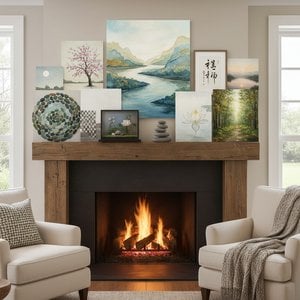
Las 10 Obras de Arte que Inspiran Serenidad |
Descubre 10 obras maestras de Monet, Van Gogh y más que inspiran serenidad. Explora la historia del arte impresionista y postimpresionista, colores relajantes y técnicas artísticas en . Encuentra reproducciones de alta calidad para tu hogar.


![Retrato Doble de Jean de Dinteville y Georges de Selve (también conocido como Los Embajadores) [detalle]](/media/artworks/images-thumb/bb/ab/bbab7ce77b7dd15d23d21114a63b51a4.jpg)


