


 Vista previa
 Compartir
 Compartir
 Ver detalles

 Descargar
 Ver similares
 Radiografía
 Presentación de diapositivas
Endymion

 Leer más
Giclée / Impresión de arte
Impresiones giclée o en lienzo de calidad de museo con producción rápida y opciones de acabado flexibles. ( Encargar reproducción pintada a mano Comprar descarga)




P118B $10

P118H $10

P118W $10

P438Z $10

P508JH $12

P508YH $12

P805H $10

P805Z $10

P919BZ $10

P919G $10

P919XJ $10

P959ZH $10

P968JZ $12

W106C $8

W218G $10

W218JH $8

W218Y $10

W307PJ $10

W316G $10

W316PJ $8

W316Y $10

W398PJ $8

W4111J $10

W500HY $15

W500JH $15

W692G $12

W849H $8

W940BG $15

W953PJ $8




Elija entre nuestros tamaños predefinidos que respetan las proporciones originales de la obra.

Puede introducir sus propias dimensiones para adaptarse a un marco o espacio específico. Si el tamaño seleccionado no coincide con las proporciones de la imagen original, recortaremos la obra de arte o extenderemos la imagen con un borde con efecto espejo o de color sólido. Se enviará una maqueta digital para su aprobación antes de que comience la producción.
Tenga en cuenta que la vista previa en pantalla no refleja el recorte o la extensión real. Solo la maqueta mostrará con precisión la composición final.
Aunque existen tamaños personalizados, recomendamos seleccionar una dimensión de la lista predefinida para preservar las proporciones originales.
Envío a todo el mundo () en 2 semanas en lugar de las 4/5 semanas estándar. (16 agosto)

Envío exprés gratuito a todo el mundo

Lienzo de lino de alta calidad

Seguro de envío completo

Garantía de reembolso de aranceles aduaneros

Garantía de fidelidad cromática exacta

Política de devolución de 60 días (solo por defectos)

Garantía de devolución del 100% del dinero

Oferta por volumen
 La opción de vidrio solo está disponible en tamaños inferiores a 110 cm.

Endymion
Giclée / Impresión de arte
Tamaño de la reproducción
-


Precio total
$ 62
Descripción de la pieza
A Vision of Myth and Moonlight: Exploring Gustave Moreau’s Endymion
Moreau's “Endymion” isn’t merely a depiction of Greek mythology; it’s an immersion into a dreamscape meticulously crafted to evoke profound contemplation. Painted in 1894, this monumental canvas embodies the core tenets of Symbolism—a movement that rejected literal representation in favor of conveying psychological states and spiritual truths through evocative imagery and rich symbolism. The artwork transports viewers to a secluded forest bathed in silvery moonlight, dominated by the languid repose of Endymion, the shepherd beloved by Selene, the goddess of the moon.- Subject Matter: The painting centers around Endymion, a figure from Homer’s Iliad and Odyssey, renowned for his beauty and immortality—a prize coveted by Zeus who imprisoned him in eternal slumber to preserve his youthful visage.
- Style: Moreau's style is distinctly Symbolist. Unlike Impressionists striving to capture fleeting sensations of light and color, he aimed to distill emotion and intellect into visual form. The result is an otherworldly tableau characterized by flattened perspectives and stylized forms—a deliberate rejection of academic realism.
Technique: Layers of Illusion and Decorative Detail
Moreau’s masterful technique contributes significantly to the painting's mesmerizing effect. He employed a layered approach, utilizing tempera on canvas—a medium favored by Renaissance artists—to achieve remarkable luminosity and depth. The surface is adorned with intricate ornamentation, reflecting Moreau’s fascination with Byzantine mosaics and decorative arts. Minute details—such as the delicate foliage of the trees and the luminous glow emanating from Selene's gaze—are rendered with painstaking precision, creating an illusionistic space that defies conventional spatial conventions. Furthermore, Moreau skillfully incorporated iridescent pigments—primarily ultramarine blue and gold—to heighten the painting’s visual splendor and imbue it with a sense of sacred grandeur.Historical Context: The Symbolist Rebellion
“Endymion” emerged during a period of artistic ferment in Paris, coinciding with the rise of intellectual currents challenging Victorian morality and materialism. Symbolism arose as a reaction against Naturalism and Impressionism’s obsession with observable reality, asserting instead that art should explore the inner world—the realm of dreams, emotions, and spiritual intuition. Moreau's collaborators included Alexandre Bouguereau and Gustave Brion, who shared his commitment to elevating artistic expression beyond mere imitation of nature. The painting reflects the broader Symbolist preoccupation with esoteric knowledge and mystical symbolism, drawing inspiration from sources such as Kabbalah and Dante’s Inferno.Symbolism: Echoes of Eternity
The artwork is replete with symbolic elements designed to communicate profound ideas about beauty, mortality, and divine love. The moon itself represents Selene's nurturing gaze—a symbol of feminine grace and eternal illumination—while Endymion embodies idealized masculinity and timeless serenity. The forest setting symbolizes the subconscious mind—a space where myths and dreams converge—and the luminous colors contribute to an atmosphere of ethereal enchantment. Moreau’s deliberate use of visual metaphors underscores his belief that art possesses the power to transcend the limitations of language and convey spiritual truths directly to the viewer's soul.Emotional Impact: A Meditation on Beauty and Transcendence
“Endymion” transcends mere aesthetic pleasure; it invites contemplation and introspection. Its serene composition, combined with its luminous palette and intricate ornamentation, evokes a feeling of profound stillness—a momentary escape from the anxieties of everyday life. Moreau’s masterful rendering captures not just an image but also a mood—a palpable sense of wonder and reverence for the sublime beauty of nature and the mysteries of existence. It remains a testament to Symbolism's enduring legacy as an artistic movement dedicated to exploring the depths of human consciousness.Obras relacionadas


Biografía del artista
**vida temprana y educación**
gustave moreau, un artista francés, nació el 6 de abril de 1826 en París. Recibió una formación académica tradicional en pintura en la école des beaux-arts, mostrando una aptitud para el dibujo desde temprana edad.**el movimiento simbolista**
La obra de Moreau, caracterizada por temas alegóricos y mitológicos, lo posicionó como un destacado pintor simbolista, especialmente durante los años 1890. Su arte (y el simbolismo en general) cayó en desfavor pero ha sido reevaluado desde la década de 1960, con Moreau ahora considerado entre los pintores simbolistas más importantes.**obras notables y exposiciones**
* salomé en la prisión (pintura de 'gustave moreau') es un ejemplo notable de su obra, mostrando su dominio del simbolismo. * autorretrato (pintura de 'gustave moreau') es otra poderosa representación del artista en sí mismo.**museo gustavo moreau**
El museo nacional gustavo-moreau (museo gustavo moreau paris, francia) en París está dedicado a la obra de Moreau, que alberga más de 1200 pinturas, acuarelas y dibujos. El museo es un testimonio de su legado artístico.**legado e influencia**
La influencia de Moreau en el movimiento simbolista es innegable. Enseñó en la école des beaux-arts, influyendo en artistas notables como hénri matisse y giorges rouault. Su naturaleza reclusiva no disminuyó su impacto en el mundo del arte.- descubra más sobre la vida y obra de gustavo moreau en ArtsDot.com
- explore el museo nacional gustavo-moreau y su impresionante colección de obras de arte en museo gustavo moreau paris, francia
- aprenda más sobre el movimiento simbolista y su importancia en la historia del arte en el movimiento simbolista de arte

Gustave Moreau
1826 - 1898 , Francia
Datos clave
- Artistas Influenciados:
- Henri Matisse
- Georges Rouault
- Artistas Que Influyeron:
- Eugène Delacroix
- Miguel Ángel
- Leonardo da Vinci
- Fecha De Muerte: 1898
- Fecha De Nacimiento: 6 de abril de 1826
- Lugar De Nacimiento: París, Francia
- Movimiento Artístico: Simbolismo
- Nacionalidad: Francés
- Nombre Completo: Gustave Moreau
- Obras Notables:
- Salomé en la prisión
- Autorretrato
- Júpiter y Semele
- Orfeo
- La Aparición
Artículos relacionados
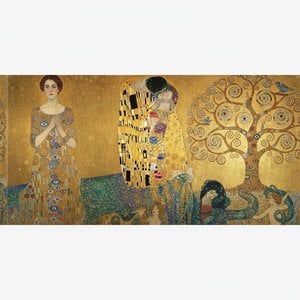
Gustav Klimt: Las 25 Obras Maestras que Definen un Ícono del Arte Moderno | ArtsDot
Descubre las 25 obras maestras de Gustav Klimt, ícono del simbolismo y Art Nouveau. Explora 'El Beso', 'Judith' y más. Reproducciones de arte en ArtsDot.com para decorar tu hogar con elegancia. ¡Inspírate!

The Enduring Legacy of Oil on Canvas: Technique, History & Aesthetic Impact
Explore the rich history & techniques of oil painting – from Renaissance masters to Impressionism. Discover pigments, layering methods, and why this timeless medium endures. Expert insights for artists & art enthusiasts.

El Óleo sobre Lienzo: Historia, Técnica y la Persistencia de un Medio Artístico Atemporal
Descubre la historia y técnica del óleo sobre lienzo. Explora reproducciones fieles hechas a mano, personalización artística y consejos de expertos con ArtsDot. ¡Colecciona arte con confianza!

The Enduring Power of Painting: A Historical & Contemporary Exploration of Form and Emotion
Explore the rich history & enduring techniques of oil painting with ArtsDot. Discover masterpieces, learn about art collecting, and find authentic handmade reproductions crafted by skilled artists.

Echoes of Olympus: Mythological Narratives in Western Art Through the Ages
Explore the captivating history of mythological narratives in Western art! From ancient Greece to modern masterpieces, discover iconic artworks & symbolism. Expert analysis and high-quality reproductions at ArtsDot.



