

 Vista previa
 Compartir
 Compartir
 Ver detalles

 Descargar
 Ver similares
 Radiografía
 Presentación de diapositivas
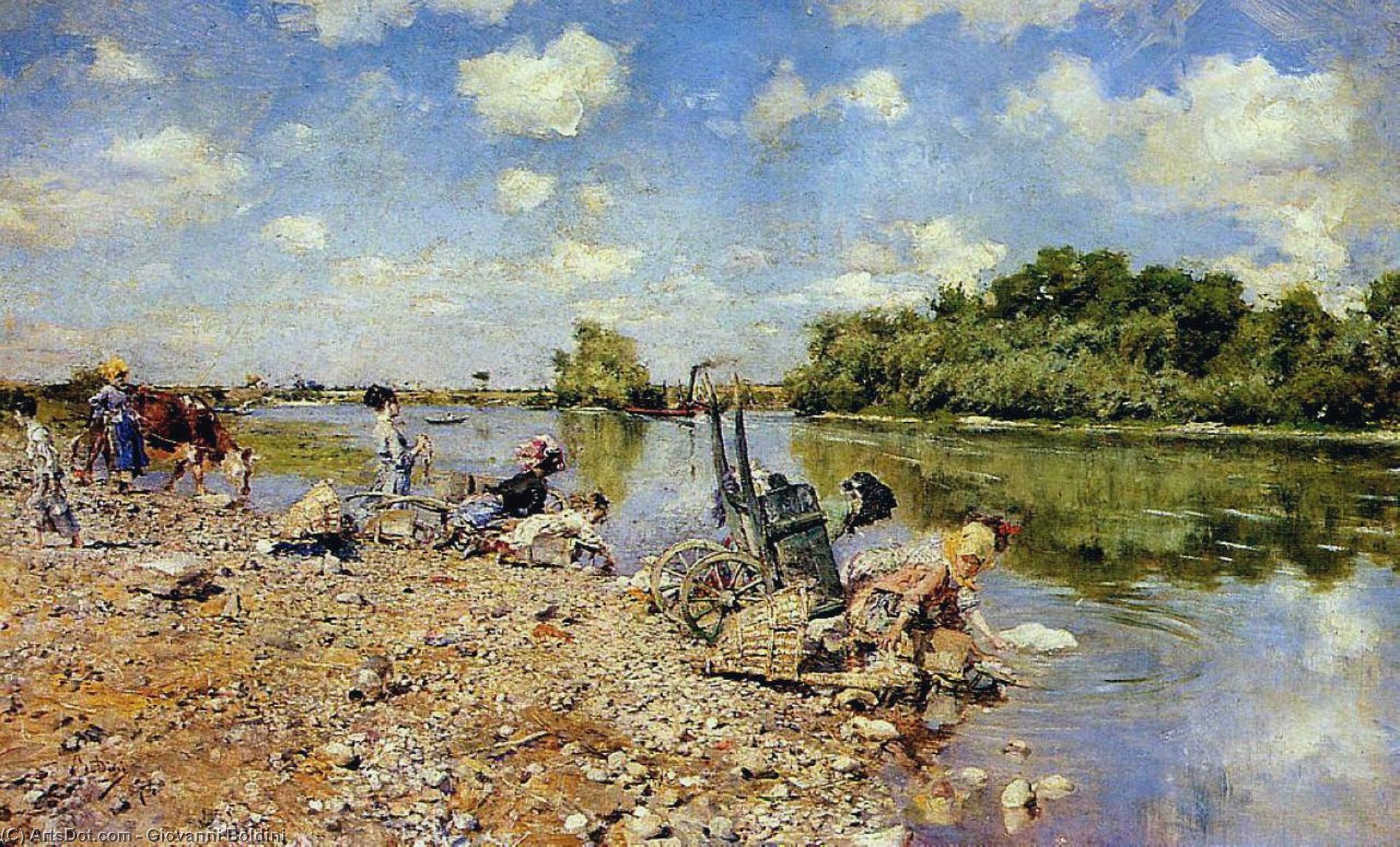
The Laundry
 Oil On Panel
- Realism
 1874
1874- 19th Century
 53.0 x 66.0 cm
 Leer más
Reproducción al óleo hecha a mano
Óleo sobre lienzo pintado a mano en el tamaño y marco de su elección, realizado por encargo por nuestros artistas. ( Pedir impresión Comprar descarga)




P118B $10

P118H $10

P118W $10

P438Z $10

P508JH $12

P508YH $12

P805H $10

P805Z $10

P919BZ $10

P919G $10

P919XJ $10

P959ZH $10

P968JZ $12

W106C $8

W218G $10

W218JH $8

W218Y $10

W307PJ $10

W316G $10

W316PJ $8

W316Y $10

W398PJ $8

W4111J $10

W500HY $15

W500JH $15

W692G $12

W849H $8

W940BG $15

W953PJ $8




Elija entre nuestros tamaños predefinidos que respetan las proporciones originales de la obra.

Puede ingresar sus propias dimensiones para adaptarse a un marco o espacio específico. Si el tamaño seleccionado no coincide con las proporciones de la imagen original, recortaremos la obra o extenderemos la pintura con elementos adicionales pintados a mano. Se le enviará una maqueta digital para su aprobación antes de comenzar la producción.
Tenga en cuenta que la vista previa en pantalla no refleja el recorte o la extensión reales. Solo la maqueta mostrará con precisión la composición final.
Si bien existen tamaños personalizados, recomendamos seleccionar una dimensión de la lista predefinida para preservar las proporciones originales.
Tras realizar el pedido, el equipo de ArtsDot.com enviará un correo electrónico al cliente para solicitar instrucciones y proporcionarle una vista previa del boceto.
Envío a todo el mundo () en 3-4 semanas en lugar de las 5 semanas estándar. (18 agosto). Sin comprometer la calidad.

Envío exprés gratuito a todo el mundo

Lienzo de lino de alta calidad

Seguro de envío completo

Garantía de reembolso de aranceles aduaneros

Garantía de fidelidad cromática exacta

Política de devolución de 60 días (solo por defectos)

Garantía de devolución del 100% del dinero

Oferta por volumen
 La opción de vidrio solo está disponible en tamaños inferiores a 110 cm.

The Laundry
Técnica de reproducción
Tamaño de la reproducción
-


Precio total
$ 263
Descripción de la obra
A Glimpse into the Rhythms of Rural Life
In his evocative masterpiece, The Laundry, Giovanni Boldini invites the viewer to step into a world where the boundaries between labor and nature dissolve into a beautiful, rhythmic dance. Painted in 1874, this work serves as a profound window into the late 19th-century landscape, capturing a moment of communal industry set against the serene backdrop of a flowing river. The scene is far from a static portrait; it is a living, breathing tableau of daily existence. As women gather at the water's edge, their figures are woven into the very fabric of the environment, surrounded by the gentle presence of grazing cows and horses that ground the composition in the quiet dignity of rural life. Through his masterful eye, Boldini transforms a mundane chore into a poetic exploration of human connection to the earth.
The painting is a sophisticated dialogue between Realism and the burgeoning energy of Impressionism. While the subject matter remains rooted in the truthful depiction of everyday life—a hallmark of the Realist movement—Boldini’s technique whispers of the modern revolution occurring in the Parisian art circles of his time. His brushwork is famously spirited, utilizing loose, energetic strokes that imbue the water and the surrounding landscape with a sense of constant motion. This "swish" of the brush creates a shimmering effect on the light hitting the river, making the atmosphere feel heavy with humidity and life. For the discerning collector, this technique offers a dynamic visual experience, where the texture of the oil on panel provides a tactile depth that brings the scene to life within any interior space.
Light, Shadow, and the Soul of the Scene
Beyond the mere depiction of figures, The Laundry is a masterclass in the manipulation of light and shadow. Boldini employs a nuanced chiaroscuro that lends a sculptural dimension to the laundry workers and the animals nearby. The way sunlight filters through the atmosphere to catch the edges of a white cloth or the curve of a stone creates a profound sense of three-dimensionality. This interplay of light does more than just define form; it establishes an emotional resonance, evoking a sense of nostalgia for a simpler, more grounded era. There is a quiet, industrious peace found in the scattered objects—a boat, a chair, and various vessels—which act as narrative anchors, suggesting the presence of a community that exists both within and beyond the frame.
For interior designers and art enthusiasts alike, this painting offers an unparalleled opportunity to introduce a sense of historical elegance and movement into a room. Whether displayed as a large-scale canvas or a delicate print, the work acts as a focal point that commands attention through its complexity and warmth. It is not merely a decoration but a conversation piece that speaks to the enduring beauty of the human spirit amidst the cycles of nature. Owning a high-quality reproduction of this Boldini treasure allows one to curate an environment filled with the grace of the Belle Époque, bringing the timeless charm of 19th-century Italy and France into the modern home.
Obras relacionadas


Biografía del artista
Primeros años y formación
Giovanni Boldini, pintor italiano de género y retratos, nació el 31 de diciembre de 1842 en Ferrara, Italia. Su padre, un pintor de temas religiosos, fomentó su temprano interés por el arte. En 1862, Boldini se trasladó a Florencia durante seis años para estudiar y dedicarse a la pintura, donde conoció a los macchiaioli, un grupo de pintores realistas italianos que fueron precursores del impresionismo.Carrera artística
El estilo artístico de Boldini se caracterizó por su respuesta fluida y espontánea a la naturaleza, como se ve en sus paisajes. Sin embargo, fueron sus retratos los que le valieron un amplio reconocimiento. Se hizo conocido como el "maestro del trazo", un título acuñado por Time Magazine en 1933.Obras notables y exposiciones
- El retrato de Giovanni Boldini de la condesa de Rasty recostada (impresionismo) es un ejemplo notable de su obra, que muestra su capacidad para capturar la esencia de sus sujetos.
- En 1897, tuvo una exposición individual en Nueva York, lo que consolidó aún más su reputación como retratista.
- Participó en la Bienal de Venecia en 1895, 1903, 1905 y 1912, demostrando su compromiso con el mundo del arte.
Influencias y desarrollo artístico
Boldini inicialmente se formó bajo la influencia de los macchiaioli, adoptando sus técnicas realistas y su enfoque en la observación directa de la naturaleza. Sin embargo, a medida que evolucionaba su carrera, desarrolló un estilo más libre y expresivo, influenciado por el impresionismo y el arte japonés. Su habilidad para capturar el movimiento y la luz se convirtió en una característica distintiva de sus retratos, especialmente aquellos realizados durante su período parisino.Legado e importancia histórica
Giovanni Boldini falleció el 11 de julio de 1931 en París, dejando atrás un legado como uno de los pintores de retratos más elegantes de su tiempo. Su obra continúa inspirando a artistas y entusiastas del arte por igual.- Explore más obras de Giovanni Boldini en [https://ArtsDot.com/@/giovanni-boldini].
- Descubra el Museo Giovanni Boldini (Italia) y su importancia en el arte italiano en [https://ArtsDot.com/@@/a@d3astr-museo-giovanni-boldini-(italy)-a-hidden-gem-of-italian-art].

Giovanni Boldini
1842 - 1931 , Italia
Datos clave
- Artistas Influyentes: ['Macchiaioli']
- Estilo Artístico: Impresionismo, Realismo
- Fecha De Fallecimiento: 11 de julio de 1931
- Fecha De Nacimiento: 31 de diciembre de 1842
- Lugar De Nacimiento: Ferrara, Italia
- Nacionalidad: Italiana
- Nombre Completo: Giovanni Boldini
- Obras Notables: ['La condesa de Rasty reclinada']
Artículos relacionados

Romantic Realism's Finest: 10 Masterpieces for Your Home | ArtsDot
Explore 10 defining masterpieces of Romantic Realism! Discover Courbet, Millet & Daumier's powerful paintings—capturing emotion and social realities. Find museum-quality reproductions for your home at ArtsDot.com.

Flowing Narratives: Rivers in Painting – A Historical Exploration
Explore the rich history of rivers in painting! Discover masterpieces from ancient times to Impressionism & beyond. Learn about symbolism, artists like Monet & Daubigny, and find your perfect serene artwork at ArtsDot.

The Enduring Muse: Women as Subject & Symbol in Art History
Explore the rich history of women in art – from iconic muses to groundbreaking artists. Discover feminist movements, global perspectives & reclaim female narratives with ArtsDot.

Ecos de la Sociedad: El Legado Duradero del Realismo Social en el Arte
Descubre el fascinante mundo del Realismo Social. Explora sus orígenes, artistas clave y su impacto duradero en la historia del arte. ¡Encuentra reproducciones de alta calidad en ArtsDot!

Giovanni Fattori: Realism, Identity & the Tuscan Landscape – A Macchiaioli Master
Explore the life & art of Giovanni Fattori, a leading figure of the Macchiaioli movement. Discover his revolutionary realism, captivating Tuscan landscapes, and lasting impact on Italian painting. Learn more at ArtsDot.



