
- Inicio

- Impresión en lienzo
- Giorgio Vasari
- Annunciation
 Preview
 Encargar reproducción Comprar imagen en alta resolución
 Enviar
 Compartir
 Detalles
 Añadir a favoritos

 Descargar
 Similares
 Radiografía
 Presentación de diapositivas
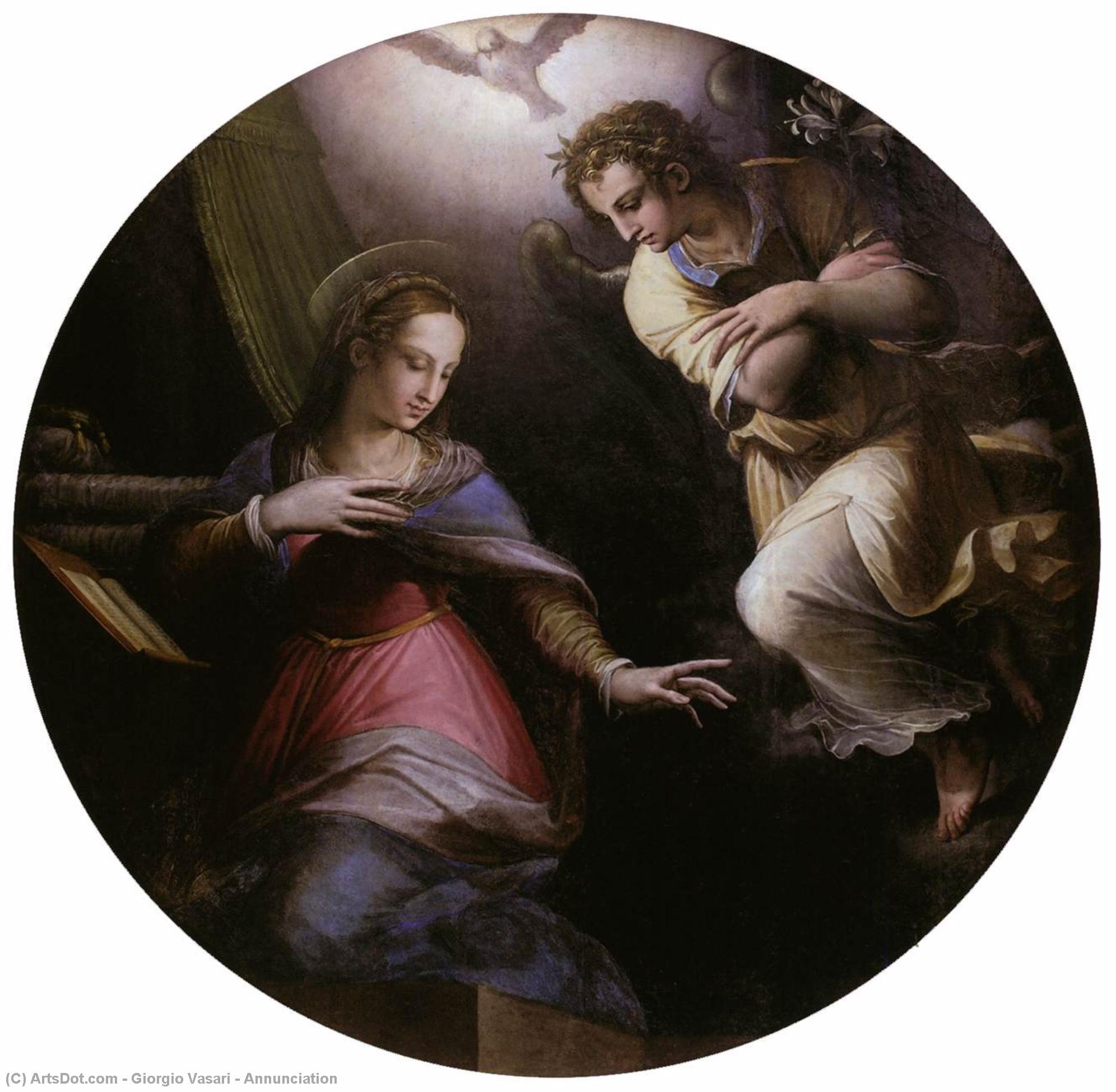
Annunciation
 Acrylic On Canvas
- WallArt
- Mannerism
 1570
1570 157.0 x 157.0 cm
 Móra Ferenc Múzeum
 Ver más
Giclée / Impresión de arte
Impresión giclée o en lienzo de calidad de museo con producción rápida y opciones de acabado flexibles.




P118B $10

P118H $10

P118W $10

P438Z $10

P508JH $12

P508YH $12

P805H $10

P805Z $10

P919BZ $10

P919G $10

P919XJ $10

P959ZH $10

P968JZ $12

W106C $8

W218G $10

W218JH $8

W218Y $10

W307PJ $10

W316G $10

W316PJ $8

W316Y $10

W398PJ $8

W4111J $10

W500HY $15

W500JH $15

W692G $12

W849H $8

W940BG $15

W953PJ $8




Elija entre nuestros tamaños predefinidos que respetan las proporciones originales de la obra.

Puede introducir sus propias dimensiones para adaptarse a un marco o espacio específico. Si el tamaño seleccionado no coincide con las proporciones de la imagen original, recortaremos la obra de arte o extenderemos la imagen con un borde con efecto espejo o de color sólido. Se enviará una maqueta digital para su aprobación antes de que comience la producción.
Tenga en cuenta que la vista previa en pantalla no refleja el recorte o la extensión real. Solo la maqueta mostrará con precisión la composición final.
Aunque existen tamaños personalizados, recomendamos seleccionar una dimensión de la lista predefinida para preservar las proporciones originales.
Entrega mundial () en 2 semanas en lugar de las 4/5 semanas estándar. (25 julio)

Envío exprés gratuito a todo el mundo

Lienzo de lino de alta calidad

Seguro de envío total

Garantía de reembolso de impuestos aduaneros

Garantía de fidelidad de color

Política de devolución de 60 días (solo por defectos)

Garantía de devolución del 100% del dinero

Descuento por pedido múltiple
 La opción de vidrio solo está disponible en tamaños inferiores a 110 cm.

Annunciation
Giclée / Impresión de arte
Tamaño de la reproducción
-


Precio total final
-
Descripción de la obra
The Genesis of Faith: Exploring the Annunciation Fresco
Giorgio Vasari’s 1570 Annunciation, housed within the serene confines of the Morgan Library and Museum in New York City, isn't merely a depiction of a biblical narrative; it’s a profound meditation on divine grace, humility, and the transformative power of faith. Painted during the height of the Italian Renaissance, this fresco embodies the era’s fascination with classical ideals blended seamlessly with deeply rooted Christian symbolism. Vasari, a pivotal figure in both art history and architectural documentation, masterfully captures a moment of extraordinary significance – the revelation to Mary that she would bear the Son of God. The scene unfolds within a modestly appointed room, bathed in a carefully orchestrated chiaroscuro, drawing the viewer’s eye directly to the central figures: the radiant Archangel Gabriel and the profoundly receptive Virgin Mary.

Mannerist Elegance: Composition and Technique
Vasari’s artistic approach firmly situates this Annunciation within the Mannerist style, a transitional phase between the High Renaissance and Baroque art. Unlike the balanced compositions of his predecessors, Vasari employs a dynamic, almost theatrical arrangement, utilizing elongated figures and dramatic gestures to heighten emotional impact. The fresco's meticulous detail—from the folds of Mary’s garments to the delicate feathers on Gabriel’s wings—demonstrates Vasari’s exceptional technical skill. He expertly manipulates light and shadow, creating a sense of depth and volume that brings the scene to life. Notably, Vasari utilized *carta azzurra*, a distinctive blue pigment favored by Florentine artists, lending the work an ethereal quality and contributing to its overall luminosity. The use of perspective is subtly employed, guiding the viewer’s eye through the composition with graceful precision.
Symbolism Woven into the Scene
Beyond the straightforward narrative, the Annunciation is rich in symbolic meaning. Gabriel's trumpet, a traditional emblem of divine proclamation, signifies God’s urgent message. The dove, hovering above the figures, represents the Holy Spirit – the vital force that enables the miraculous conception. Mary’s posture—kneeling, hands clasped in prayer—expresses her humility and acceptance of God’s will. The carefully chosen setting, a simple room devoid of opulent decoration, underscores the sanctity of the event and emphasizes Mary's role as a vessel for divine grace. The books scattered throughout the scene are not merely decorative; they represent the wisdom and knowledge that Mary brings forth through her son.
A Legacy of Faith and Art
The Annunciation by Giorgio Vasari stands as a testament to the enduring power of faith and artistic expression. Its influence can be traced through countless subsequent depictions of this pivotal biblical event, shaping the visual language of Christian art for centuries. The work’s emotional resonance—a palpable sense of awe, reverence, and hope—continues to captivate viewers today. Reproductions of this masterpiece offer a remarkable opportunity to bring this iconic image into any space, fostering contemplation and reminding us of the profound mysteries at the heart of our beliefs. Consider commissioning a hand-painted reproduction – a faithful recreation that captures the fresco’s luminous beauty and timeless significance.
Obras similares


Biografía del artista
Primeros años y formación
Giorgio Vasari, un renombrado pintor, arquitecto, escritor e historiador italiano, nació el 30 de julio de 1511 en Arezzo, Toscana. Comenzó su viaje artístico como discípulo de Guglielmo da Marsiglia, un hábil pintor de vidrieras. A los dieciséis años, Vasari se unió al círculo de Andrea del Sarto y sus alumnos, Rosso Fiorentino y Jacopo Pontormo, en Florencia.Carrera artística
Las propias pinturas manieristas de Vasari fueron muy admiradas durante su vida. En 1529, visitó Roma, donde estudió las obras de Rafael y otros artistas del Alto Renacimiento romano. Algunas de sus obras notables incluyen:- El taller del pintor (fresco, 1548), ubicado en Casa Vasari, Arezzo, Italia (ver en ArtsDot)
- El Juicio Final (fresco, 1572), en la cúpula de la catedral de Florencia
- La Adoración de los Magos (pintura al óleo, 1566), en la iglesia de Santa Croce, Florencia (más en ArtsDot)
Contribuciones arquitectónicas
Los logros arquitectónicos de Vasari incluyen:- La logia del Palazzo degli Uffizi, Florencia, que funciona como una plaza pública
- El Corredor de Vasari, que conecta los Uffizi con el Palazzo Pitti en Florencia (explorar en ArtsDot)
- La renovación de iglesias medievales, como Santa Maria Novella y Santa Croce
Legado
Vasari a menudo se le llama "el primer historiador del arte" debido a su libro Vidas de los más excelentes pintores, escultores y arquitectos italianos, que sigue siendo un texto fundamental en la escritura histórico-artística. Murió el 27 de junio de 1574 en Florencia, Gran Ducado de Toscana, a la edad de 62 años. Descubre más sobre la vida y obra de Giorgio Vasari en ArtsDot: Giorgio Vasari | 72 obras de arte
Giorgio Vasari
1511 - 1574 , Italia
Datos clave
- Artistas Que Influyeron:
- Rafael
- Miguel Ángel
- Estilo Artístico: Manierismo
- Fecha De Muerte: 27 de junio de 1574
- Fecha De Nacimiento: 30 de julio de 1511
- Lugar De Nacimiento: Arezzo, Italia
- Nacionalidad: Italiana
- Nombre Completo: Giorgio Vasari
- Obras Notables:
- El taller del pintor
- El Juicio Final
- La Adoración de los Magos
Artículos relacionados

Dante Gabriel Rossetti: Las 25 Obras Maestras del Prerrafaelismo | ArtsDot
Descubre las 25 obras maestras de Dante Gabriel Rossetti, el máximo exponente del Prerrafaelismo. Explora su simbolismo, retratos victorianos y la belleza femenina en lienzos inolvidables. Reproducciones de arte exclusivas en ArtsDot.com.
Legado en las Paredes: Frescos Familiares que Trascienden el Tiempo
Descubre el arte del fresco muralístico para inmortalizar tu historia familiar. Expertos en frescos personalizados y técnicas ancestrales. Crea un legado visual único con .

Giotto di Bondone: Las 25 Obras Maestras que Definieron el Renacimiento | ArtsDot
Descubre las 25 obras maestras de Giotto di Bondone, el pionero del Renacimiento. Explora la historia, técnica y simbolismo de sus frescos italianos más icónicos. Encuentra reproducciones de arte exclusivas para decorar tu hogar en ArtsDot.com.

The Enduring Legacy of Fresco Painting: Techniques, History & Contemporary Relevance
Explore the rich history & enduring artistry of fresco painting – from Giotto to Michelangelo! Discover techniques, conservation efforts, & modern applications. Learn how ArtsDot brings this timeless art form to your home.

Fra Angelico: Las 25 Obras Maestras del Renacimiento para Decorar con Arte y Fe
Descubre las 25 obras maestras de Fra Angelico, el pintor renacentista que llenó el arte sacro de luz y fe. Explora su técnica, simbolismo y belleza en frescos e iconos. Encuentra reproducciones de alta calidad para decorar tu hogar con ArtsDot.com.



