


 Ver en contexto
 Enviar
 Compartir
 Detalles

 Descargar
 Similares
 Radiografía
 Presentación de diapositivas
Caryatids


 Ver más
Giclée / Impresión de arte
Impresiones giclée o en lienzo de calidad de museo con producción rápida y opciones de acabado flexibles. ( Comprar pintura hecha a mano Comprar imagen)




P118B $10

P118H $10

P118W $10

P438Z $10

P508JH $12

P508YH $12

P805H $10

P805Z $10

P919BZ $10

P919G $10

P919XJ $10

P959ZH $10

P968JZ $12

W106C $8

W218G $10

W218JH $8

W218Y $10

W307PJ $10

W316G $10

W316PJ $8

W316Y $10

W398PJ $8

W4111J $10

W500HY $15

W500JH $15

W692G $12

W849H $8

W940BG $15

W953PJ $8




Elija entre nuestros tamaños predefinidos que respetan las proporciones originales de la obra.

Puede introducir sus propias dimensiones para adaptarse a un marco o espacio específico. Si el tamaño seleccionado no coincide con las proporciones de la imagen original, recortaremos la obra de arte o extenderemos la imagen con un borde con efecto espejo o de color sólido. Se enviará una maqueta digital para su aprobación antes de que comience la producción.
Tenga en cuenta que la vista previa en pantalla no refleja el recorte o la extensión real. Solo la maqueta mostrará con precisión la composición final.
Aunque existen tamaños personalizados, recomendamos seleccionar una dimensión de la lista predefinida para preservar las proporciones originales.
Envío a todo el mundo () en 2 semanas en lugar de las 4/5 semanas estándar. (29 agosto)

Envío exprés gratuito a todo el mundo

Lienzo de lino de alta calidad

Seguro de envío total

Garantía de reembolso de impuestos aduaneros

Garantía de fidelidad cromática exacta

Política de devolución de 60 días (solo por defectos)

Garantía de devolución del 100% del dinero

Descuento por cantidad
 La opción de vidrio solo está disponible en tamaños inferiores a 110 cm.

Caryatids
Giclée / Impresión de arte
Dimensiones de la reproducción
-


Precio total final
$ 62
A Silent Symphony in Stone: Unveiling Germain Pilon’s Caryatids
Germain Pilon's "Caryatids" – a pair of monumental sculptures depicting these iconic female figures supporting architectural weight – transcend mere representation; they embody the very spirit of Renaissance Florence. Crafted around 1560, during a period of burgeoning artistic innovation and fervent religious devotion, these works are not simply static forms but rather eloquent expressions of classical ideals interwoven with deeply felt human emotion. Pilon’s mastery lies in his ability to capture both the idealized beauty of antiquity and the subtle nuances of individual character within the rigid framework of Renaissance sculpture.
The sculptures themselves, carved from pristine white marble – a material prized for its luminosity and capacity to convey texture – present a striking visual narrative. The central Caryatid commands attention with her serene expression, a quiet dignity that speaks volumes despite the absence of overt gesture. Her drapery, rendered with meticulous detail, cascades in graceful folds, suggesting both movement and an underlying sense of repose. The two flanking figures, though smaller in scale, mirror this composure, creating a harmonious composition rooted in symmetry yet imbued with individual presence. The subtle use of gold leaf on the headdresses – a hallmark of Pilon’s style – provides a delicate contrast against the cool marble tones, drawing the eye and adding a touch of opulent splendor.
The Legacy of Fontainebleau: Style and Technique
Pilon's "Caryatids" are firmly rooted in the artistic currents flowing from the prestigious workshop of Jean Goujon at the Château de Fontainebleau. This royal atelier, renowned for its revival of classical forms and techniques, profoundly influenced Pilon’s approach to sculpture. The influence is evident in the sculptures’ balanced proportions, their refined drapery – a hallmark of Fontainebleau style – and their overall sense of elegance and restraint. However, Pilon departs from a purely imitative stance, injecting his own distinctive sensibility into the work.
Technically, Pilon demonstrates an exceptional command of marble carving. The surfaces are remarkably smooth, yet retain a palpable sense of texture achieved through careful polishing and subtle variations in chisel marks. The drapery is particularly noteworthy for its fluidity and realism; each fold and pleat appears to possess a life of its own, conveying both the weight of the fabric and the movement of the figure beneath. The meticulous attention to anatomical detail – evident in the hands, feet, and torsos – speaks to Pilon’s deep understanding of human form.
Symbolism and Historical Context
The Caryatids themselves are not merely decorative elements; they carry profound symbolic weight. Originating as architectural supports for a monumental tomb, their function immediately connects them to themes of memory, eternity, and the passage of time. Within the context of 16th-century Florence, where powerful families commissioned elaborate funerary monuments to commemorate their deceased ancestors, these sculptures served as potent reminders of lineage and legacy. The bird motif adorning the headdresses – a recurring element in Pilon’s work – may symbolize freedom, divinity, or perhaps even the soul ascending to heaven.
Furthermore, Pilon's work reflects the broader cultural landscape of Renaissance Italy, where classical antiquity was experiencing a fervent revival. The rediscovery of Greek and Roman art and literature fueled a renewed interest in humanism, reason, and beauty. Pilon’s "Caryatids" embody these values, celebrating the ideal forms and harmonious proportions of the ancient world while simultaneously expressing the emotional depth and psychological complexity of the Renaissance spirit.
A Timeless Masterpiece: Reproduction and Beyond
Germain Pilon's “Caryatids” remain a testament to the enduring power of classical art. Reproductions, meticulously crafted by skilled artisans using traditional techniques, offer an unparalleled opportunity to experience the beauty and grandeur of this iconic masterpiece. Whether adorning a grand salon or a private residence, these reproductions capture not only the visual splendor of the original sculptures but also the profound sense of history, symbolism, and emotional resonance that they evoke.
Obras relacionadas


Biografía del artista
Germain Pilon (1528–1590): El Escultor de la Emoción y Fontainebleau
Germain Pilon se erige como una de las figuras más prominentes de la escultura del Renacimiento francés, tendiendo un puente magistral entre la tradición gótica y la grandeza barroca. Nacido alrededor de 1525 en París —aunque estudios recientes sugieren un año de nacimiento más cercano a 1528—, heredó su talento artístico de su padre, Antoine Pilon, quien estableció un taller especializado en encargos escultóricos. Este legado familiar moldeó profundamente los años formativos de Pilon, sumergiéndolo en las técnicas y la estética de la época. Los primeros documentos indican proyectos colaborativos con su padre en monumentales estatuas religiosas y efigies funerarias, demostrando un compromiso inmediato con las corrientes artísticas predominantes de aquel tiempo.- Formación Temprana y Colaboración: El taller de Antoine Pilon proporcionó a Pilon una experiencia invaluable en la creación de esculturas en piedra, fomentando una maestría que definiría toda su carrera. Estos esfuerzos colaborativos demostraron un profundo entendimiento del oficio escultórico y establecieron los cimientos para sus logros futuros.
- <La Influencia de la Escuela de Fontainebleau: Al igual que muchos escultores de su generación, Pilon se vio profundamente impactado por la Escuela de Fontainebleau —el taller inspirado en Miguel Ángel—, que defendía la precisión anatómica y la emoción teatral. Esta influencia es palpable en sus obras posteriores, donde las figuras se representan con un realismo notable e impregnadas de gestos expresivos que transmiten una profunda profundidad psicológica.
Encargos Notables y Estilo Artístico
Pilon ganó reconocimiento rápidamente gracias a su excepcional habilidad y visión artística. Su participación en la decoración de la tumba de Francisco I en Saint-Denis —un proyecto realizado junto a Jean Goujon— marcó un momento crucial, consolidando su reputación como uno de los escultores más importantes de Francia. Esta empresa monumental ejemplifica el compromiso de Pilon por capturar la grandeza y la solemnidad de la iconografía religiosa, mientras exploraba simultáneamente técnicas escultóricas innovadoras. Los encargos posteriores incluyeron la tumba de Enrique II en Saint-Denis (finalizada en 1564), un testimonio de su capacidad para traducir narrativas complejas en representaciones visuales cautivadoras.- Tumba de Saint-Denis: La Tumba de Saint-Denis es considerada una de las obras maestras de Pilon, exhibiendo su dominio del tallado en mármol y encarnando el énfasis de la Escuela de Fontainebleau en la precisión anatómica y la emoción dramática.
- <Relieve de Diana y el Ciervo: El relieve de Diana y el Ciervo —encargado para Diane de Poitiers— es un ejemplo impactante del estilo escultórico de Pilon, caracterizado por texturas rugosas y poses expresivas que transmiten una sensación de dinamismo e intensidad psicológica.
Grandes Logros y Legado
La contribución de Pilon al arte francés se extendió más allá de las tumbas monumentales; destacó en la escultura de retratos y el diseño de medallas, produciendo representaciones evocadoras de la realeza y la nobleza. Sus bustos de bronce de Enrique II y Catalina de Médici —particularmente el de esta última— permanecen como símbolos icónicos de la elegancia renacentista y el logro artístico. Además, la relación de Pilon con Pierre Bontemps fomentó un espíritu colaborativo que enriqueció el panorama artístico de París durante su vida. Se hizo célebre por su capacidad para capturar la esencia de la emoción humana dentro de la forma esculpida, estableciéndose como un defensor de la estética manierista. Su influencia puede verse en las generaciones posteriores de escultores que abrazaron el realismo y la teatralidad, un legado que continúa inspirando admiración y estudio académico en la actualidad.Obras Clave
- Resurrección de Cristo (Louvre)
- Diana con un Ciervo (Louvre)
- Tumba de Enrique II y Catalina de Médici (Basílica de Saint-Denis)
- La Lamentación (Escultura en bronce)
Las esculturas de Germain Pilon se mantienen como monumentos perdurables del espíritu renacentista: un testimonio de la innovación artística, la virtuosisidad técnica y un profundo compromiso con la emoción humana.

Germain Pilon
1528 - 1590 , Francia
Datos clave
- Artistic Movement Or Style: Mannerismo
- Artists Who Influenced This Artist:
- Miguel Ángel
- Escuela Fontainebleau
- Date Of Birth: c. 1525
- Date Of Death: 1590
- Full Name: Germain Pilon
- Nationality: Francés
- Notable Artworks:
- Resurrección de Cristo
- Diana con un ciervo
- Tumba de Enrique II y Catalina de Médici
- Place Of Birth: Paris, Francia
Artículos relacionados
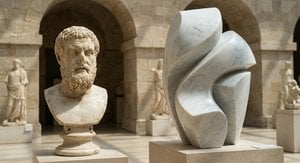
The Enduring Allure of Marble in Art History: From Classical Sculpture to Modern Abstraction
Explore the captivating history of marble sculpture from ancient Greece to modern art. Discover renowned artists like Canova & Michelangelo, carving techniques, and investment insights at ArtsDot.

Esculturas de Bronce Legendarias: 10 Obras Maestras que Transformaron el Arte | ArtsDot
Descubre las 10 esculturas de bronce más legendarias que revolucionaron el arte. Explora la historia de Rodin, Degas y otros maestros del bronce. Encuentra reproducciones de alta calidad e inspiración para tu hogar en ArtsDot.com.

The Enduring Form: Exploring Themes & Techniques in Sculpture Across Historical Periods
Explore the rich history of sculpture from ancient masterpieces to contemporary innovations. Discover key techniques, influential artists & investment potential for discerning art collectors.

The Enduring Legacy of Marble: A Comprehensive Exploration of Technique, Symbolism & Artistic Expression
Explore the rich history of marble sculpture from antiquity to the Renaissance! Discover key techniques, influential artists & enduring themes in classical art. Expert insights for collectors and enthusiasts at ArtsDot.

The Enduring Form: Sculpture Across History, Technique & Emotional Resonance
Explore the rich history of sculpture with ArtsDot. Discover key techniques, influential artists & investment potential for discerning collectors. Expert insights into valuing and collecting timeless masterpieces.


