


 Vista previa
 Compartir
 Compartir
 Ver detalles
 Guía
Guía

 Descargar
 Ver artículos similares
 Radiografía
 Presentación de diapositivas
 Estadísticas
Tragical landscape


 Leer más
La obra de arte que se muestra en esta página está protegida por las leyes de propiedad intelectual, lo que significa que no podemos crear ni vender legalmente una reproducción idéntica. Esta protección se hace cumplir en virtud de acuerdos internacionales como el Convenio de Berna y por las leyes nacionales, incluidas aquellas establecidas por el Ley de derechos de autor de los EE. UU. - Título 17.
Como una alternativa respetuosa y legal, ofrecemos obras de arte personalizadas y pintadas a mano inspiradas en la original. Nuestros expertos y profesionales del arte estudian cuidadosamente el estilo, el sentimiento y la esencia artística de la obra original para crear una pieza nueva y única que evoque la misma sensación, siendo al mismo tiempo una creación original por derecho propio.
Este método cumple plenamente con las normativas de derechos de autor, ya que no implica la copia ni la duplicación de la obra protegida. En su lugar, se trata de una reinterpretación creativa: una nueva pintura influenciada por la original, pero que no es idéntica a ella.
Reproducción al óleo hecha a mano
Óleo sobre lienzo pintado a mano en el tamaño y marco de su elección, realizado por encargo por nuestros artistas. ( Cambiar a formato impreso Ver versión en imagen digital)




P118B €10

P118H €10

P118W €10

P438Z €10

P508JH €12

P508YH €12

P805H €10

P805Z €10

P919BZ €10

P919G €10

P919XJ €10

P959ZH €10

P968JZ €12

W106C €8

W218G €10

W218JH €8

W218Y €10

W307PJ €10

W316G €10

W316PJ €8

W316Y €10

W398PJ €8

W4111J €10

W500HY €15

W500JH €15

W692G €12

W849H €8

W940BG €15

W953PJ €8




Elija entre nuestros tamaños predefinidos que respetan las proporciones originales de la obra.

Escriba el ancho y el alto que necesite para adaptarse a su marco o a su pared. Al ser una obra pintada a mano, para un tamaño con una forma distinta, el artista puede pintar un poco más alrededor de la imagen o recortar un poco; usted elige. Le enviaremos una maqueta digital para su aprobación antes de comenzar la pintura. La imagen que se muestra en esta página no refleja el resultado real; solo la maqueta lo hace.
Tras realizar el pedido, el equipo de ArtsDot.com enviará un correo electrónico al cliente para solicitar instrucciones y proporcionarle una vista previa del boceto.
Envío a todo el mundo () en 3-4 semanas en lugar de las 5 semanas estándar. (22 octubre). Sin comprometer la calidad.

Envío exprés gratuito a todo el mundo

Lienzo de lino de alta calidad

Seguro de envío completo

Garantía de reembolso de impuestos aduaneros

Garantía de fidelidad cromática exacta

Política de devolución de 100 días (solo por defectos)

Garantía de devolución del 100% del dinero

Oferta por volumen
 La opción de vidrio solo está disponible en tamaños inferiores a 110 cm.

Tragical landscape
Técnica de reproducción
Tamaño de la reproducción
-


Precio total
€ 230
Tragical Landscape by Georges Rouault: A Descent into Emotion
Georges Rouault’s “Tragical Landscape” is not merely a depiction of a scene; it's an immersion in profound sorrow and contemplation, a testament to the artist’s deeply rooted empathy for human suffering. Painted around 1936, this work exemplifies Rouault’s distinctive style – a potent blend of Fauvist color theory and Expressionist emotional intensity – offering a glimpse into the soul of a man wrestling with weighty themes. The painting immediately commands attention through its bold, almost jarring, palette: dark, brooding backgrounds punctuated by flashes of red, suggesting both danger and perhaps a desperate yearning for light or redemption. This deliberate contrast is characteristic of Rouault’s approach, designed to evoke a visceral response in the viewer rather than simply offering a realistic representation.
At its heart, the painting centers on a solitary figure – a man wearing a white hat or head covering – positioned within this turbulent landscape. The figure's downturned mouth and thoughtful gaze speak volumes of quiet despair, a sense of isolation amplified by the vastness and darkness surrounding them. Rouault’s masterful use of loose brushstrokes contributes significantly to the painting’s emotional impact; they aren’t meticulously rendered details but rather expressive marks that convey movement, feeling, and an underlying current of unease. The ambiguity of the landscape itself – a metaphorical “tragical landscape” rather than a literal one – adds another layer of interpretation. It could represent the internal turmoil of the individual, or perhaps a broader commentary on human vulnerability and loss.
The Rouault Aesthetic: Lead and Light
Understanding Georges Rouault’s artistic process is key to appreciating “Tragical Landscape.” His early apprenticeship as a glass painter profoundly shaped his style. As detailed in numerous sources, including the Metropolitan Museum of Art's collection notes, this experience instilled within him a fascination with luminous color contained within dark outlines – a technique reminiscent of stained glass. This influence manifests powerfully here; the heavy black contours framing the vibrant color fields create a dramatic tension, drawing the eye to the central figure while simultaneously emphasizing the surrounding darkness. It’s a deliberate strategy that echoes medieval artistry and adds a layer of spiritual depth to the work.
The use of red, particularly in the upper left corner, is not accidental. Rouault frequently employed this color to represent passion, sacrifice, or even blood – potent symbols within his deeply Catholic worldview. The subtle reflection hinted at by the red could be interpreted as a glimmer of hope amidst the gloom, or perhaps simply the harsh glare of an unforgiving light.
Historical Context and Artistic Influences
"Tragical Landscape" was created during a period of significant artistic experimentation in France. Rouault’s work aligns with both Fauvism – known for its unrestrained use of color – and Expressionism, which prioritized emotional expression over objective representation. While he initially embraced the boldness of the Fauves, his later works demonstrate a more profound engagement with the psychological intensity championed by Expressionists like Van Gogh. As documented in Wikipedia, Rouault’s childhood experiences, including witnessing the bombardment of Paris during the Commune, undoubtedly informed his artistic vision and fueled his empathy for the marginalized.
The painting's creation coincided with Rouault's deepening spiritual convictions, further enriching its symbolic resonance. His exploration of themes related to suffering, faith, and human nature cemented his legacy as one of the 20th century’s most poignant and emotionally resonant artists. The Robert Lehman Collection acquisition in 1975 ensures this powerful work continues to captivate audiences today.
A Timeless Exploration of Human Emotion
"Tragical Landscape" is more than just a beautiful painting; it's an invitation to contemplate the complexities of human emotion and experience. Rouault’s masterful use of color, composition, and brushwork creates a truly immersive work that resonates with viewers on a deeply personal level. Whether you are an art collector seeking a significant piece of 20th-century history or an interior designer looking for a statement artwork to evoke contemplation and emotion, this painting offers a unique opportunity to own a piece of artistic genius.
Preguntas y respuestas
¿Para qué estancia se recomienda "Tragical landscape" de Georges Rouault?
Una reproducción de "Tragical landscape" encaja perfectamente en un Living Room.
¿Qué lugar ocupa "Tragical landscape" de Georges Rouault en la historia del arte?
Históricamente, "Tragical landscape" es una obra Fauvism de la más amplia era 19th Century.
¿Cómo encaja "Tragical landscape" con los temas y el estilo de Georges Rouault?
"Tragical landscape" comparte con otras obras de Georges Rouault su estilo Fauvism y los temas recurrentes: stained glass influence, catholic faith, marginalized figures, social critique, fauvist color, emotional impact, rouault’s spiritual exploration, symbolism.
Obras relacionadas


![Study For A Portrait [looking Left], — Francis Bacon, Expressionistic](/media/artworks/images-thumb/97/4b/974b1bb96876baa8310e66cb870c41f5.jpg)


Biografía del artista
Primeros años y formación
Georges Henri Rouault, un pintor, dibujante e impresor francés, nació en París el 27 de mayo de 1871, en una familia humilde. Su madre fomentó su amor por las artes, y a los 14 años comenzó un aprendizaje como vidrieros y restaurador, que duró hasta 1890. Esta experiencia temprana probablemente influyó en su estilo pictórico maduro, caracterizado por el contorneado negro intenso y los colores brillantes, reminiscente del vidrio emplomado.Trayectoria artística
Durante su aprendizaje, Rouault asistió a clases nocturnas en la Escuela de Bellas Artes y posteriormente ingresó en la École des Beaux-Arts en 1891, donde estudió bajo Gustave Moreau. Los primeros trabajos de Rouault muestran un simbolismo en el uso del color, reflejando la influencia de Moreau. Tras la muerte de Moreau en 1898, Rouault fue nombrado curador del Museo Moreau en París.Fauvismo y Expresionismo
Rouault conoció a artistas notables como Henri Matisse, Albert Marquet, Henri Manguin y Charles Camoin, lo que le llevó al movimiento fauvista, con Matisse como su líder. Su uso de contrastes marcados y emotividad estuvo influenciado por Vincent van Gogh. Sus caracterizaciones de personalidades grotescas exageradas inspiraron a los pintores expresionistas.Obras destacadas y exposiciones
- En 1891, Rouault pintó *El camino del Calvario*.
- A partir de 1895, participó en importantes exhibiciones públicas, incluido el Salon d'Automne, que ayudó a fundar.
- En 1907, Rouault comenzó una serie de pinturas dedicadas a cortes, payasos y prostitutas, interpretadas como crítica moral y social.
Post-Impresionismo y Legado
Georges Rouault se dedicó a la pintura desde 1917, con la fe cristiana informando su obra. Creó diseños para el ballet *El hijo pródigo* de Diaghilev en 1929. En 1930, comenzó a exponer en países extranjeros, principalmente en Londres, Nueva York y Chicago. Rouault murió en París el 13 de febrero de 1958, dejando atrás un legado como uno de los artistas cristianos más apasionados del siglo XX. Importante: Al final de su vida, Rouault quemó 300 de sus cuadros, estimados en más de quinientos millones de francos hoy en día.
Georges Rouault
1871 - 1958 , Francia
Datos clave
- Artistas Que Influyeron:
- Gustave Moreau
- Vincent van Gogh
- Fecha De Fallecimiento: 13 de febrero de 1958
- Fecha De Nacimiento: 27 de mayo de 1871
- Influenciado Artistas: ['Expresionistas']
- Lugar De Nacimiento: París, Francia
- Movimiento Artístico: Expresionismo, Fauvismo
- Nacionalidad: Francesa
- Nombre Completo: Georges Rouault
- Obras Notables:
- El camino a Calvario
- Retratos de cortesanos
Artículos relacionados

Georges Seurat: Las 25 Obras Maestras del Pionero Puntillista | ArtsDot
Descubre las 25 obras maestras de Georges Seurat, el innovador del puntillismo. Explora su técnica única, colores vibrantes y legado artístico en ArtsDot.com. Reproducciones de arte de museo para tu hogar.
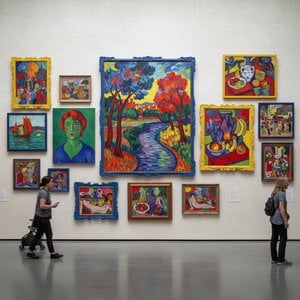
Fauvismo: 10 Obras Maestras que Revolucionaron la Pintura |
Descubre las 10 obras maestras del Fauvismo con Matisse, Derain y Vlaminck. Explora la historia, el color y la audacia de este movimiento artístico revolucionario. Reproducciones de arte exclusivas en .

10 Obras de Arte Audaces que Transformarán tu Espacio | ArtsDot
Descubre 10 obras de arte audaces que definen la pasión y el impacto visual. Explora la historia detrás de artistas como Van Gogh, Matisse y Kahlo. Encuentra reproducciones de museo en ArtsDot.com.

Georges Braque: Las 25 Obras Maestras del Cubismo y su Legado en el Arte Moderno
Descubre las 25 obras maestras de Georges Braque, pionero del cubismo. Explora su innovadora técnica, colores y el legado del arte moderno francés. Reproducciones de alta calidad en ArtsDot.com. ¡Encuentra tu inspiración!

Paisajes Románticos: 10 Obras Maestras que Definieron un Movimiento Artístico
Descubre los 10 paisajes románticos más influyentes de artistas como Caspar David Friedrich y Turner. Explora la belleza, el simbolismo y las técnicas del movimiento romántico. Reproducciones de arte exclusivas en ArtsDot.com.


