
- Inicio

- Impresión en lienzo
- Georges Braque
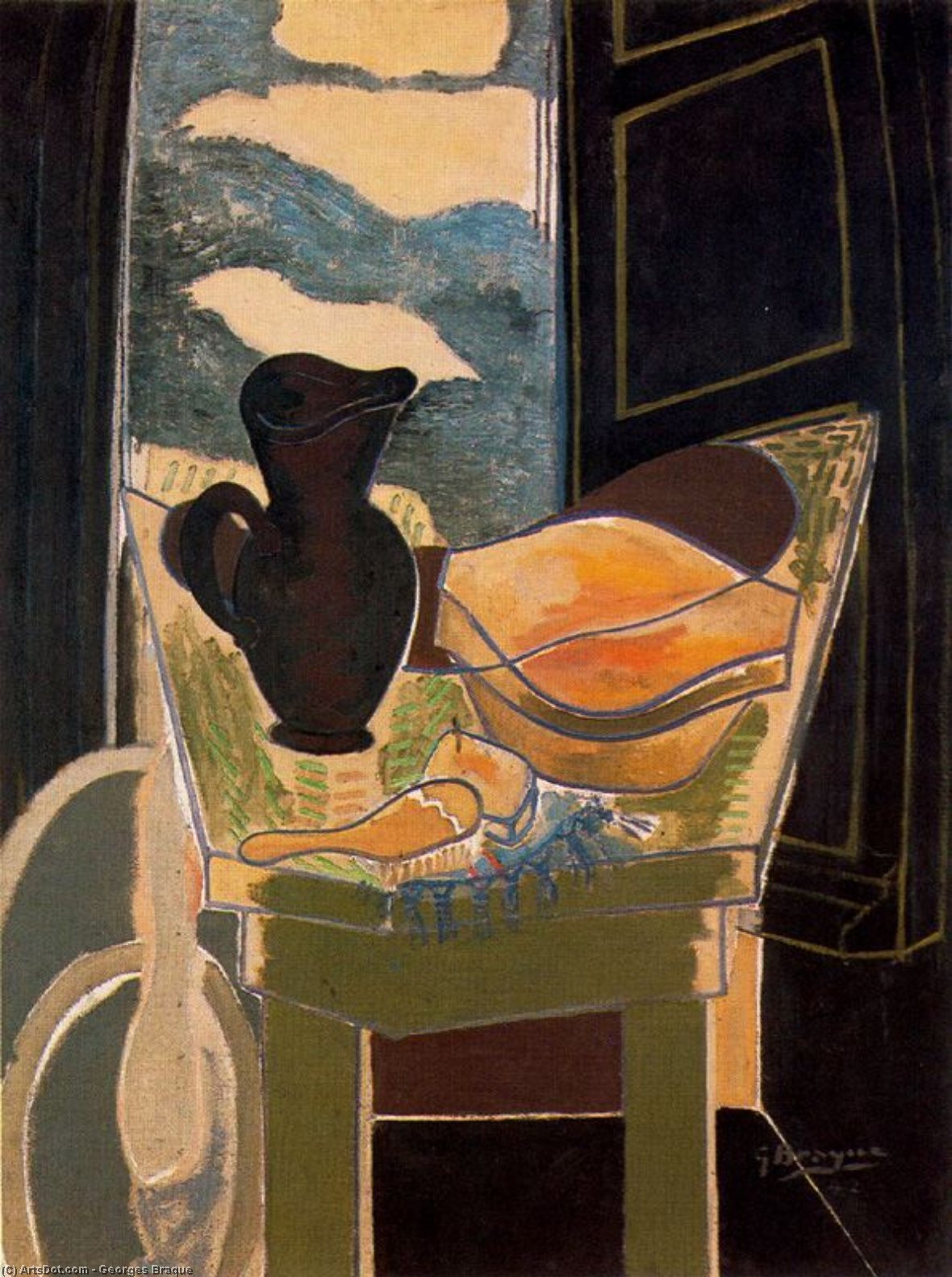
- untitled (853)
 Encargar reproducción Comprar imagen en alta resolución
 Enviar
 Compartir
 Detalles
 Añadir a favoritos

 Descargar
 Similares
 Radiografía
 Presentación de diapositivas
untitled (853)


 Ver más
Giclée / Impresión de arte
Impresión giclée o en lienzo de calidad de museo con producción rápida y opciones de acabado flexibles.




P118B $10

P118H $10

P118W $10

P438Z $10

P508JH $12

P508YH $12

P805H $10

P805Z $10

P919BZ $10

P919G $10

P919XJ $10

P959ZH $10

P968JZ $12

W106C $8

W218G $10

W218JH $8

W218Y $10

W307PJ $10

W316G $10

W316PJ $8

W316Y $10

W398PJ $8

W4111J $10

W500HY $15

W500JH $15

W692G $12

W849H $8

W940BG $15

W953PJ $8




Elija entre nuestros tamaños predefinidos que respetan las proporciones originales de la obra.

Puede introducir sus propias dimensiones para adaptarse a un marco o espacio específico. Si el tamaño seleccionado no coincide con las proporciones de la imagen original, recortaremos la obra de arte o extenderemos la imagen con un borde con efecto espejo o de color sólido. Se enviará una maqueta digital para su aprobación antes de que comience la producción.
Tenga en cuenta que la vista previa en pantalla no refleja el recorte o la extensión real. Solo la maqueta mostrará con precisión la composición final.
Aunque existen tamaños personalizados, recomendamos seleccionar una dimensión de la lista predefinida para preservar las proporciones originales.
Entrega mundial () en 2 semanas en lugar de las 4/5 semanas estándar. (18 julio)

Envío exprés gratuito a todo el mundo

Lienzo de lino de alta calidad

Seguro de envío total

Garantía de reembolso de impuestos aduaneros

Garantía de fidelidad de color

Política de devolución de 60 días (solo por defectos)

Garantía de devolución del 100% del dinero

Descuento por pedido múltiple
 La opción de vidrio solo está disponible en tamaños inferiores a 110 cm.

untitled (853)
Giclée / Impresión de arte
Tamaño de la reproducción
-


Precio total final
-
Descripción de la obra
A Study in Shadow and Form
In the quiet, monochromatic depths of Georges Braque’s untitled (853), we encounter a world stripped of the distractions of color, leaving behind only the raw, evocative power of light and silhouette. This masterful composition presents a somber, introspective scene where a clay vase rests atop a dark chair, creating a focal point that feels both grounded and ethereal. The absence of hue allows the viewer to focus entirely on the interplay of textures—the perceived weight of the ceramic vessel against the structural lines of the furniture. Within this carefully curated space, the sudden presence of two birds and a subtle bowl introduces a narrative layer of unexpected life, transforming a simple still life into a mysterious tableau that invites deep contemplation.
The technique employed in this work speaks to Braque’s profound understanding of structure and spatial relationships. By utilizing a black and white palette, the artist emphasizes the sculptural qualities of his subjects. The shadows are not merely absences of light but are active participants in the composition, carving out shapes and defining the boundaries between objects. This approach creates a sense of depth that is both tactile and atmospheric, making the scene feel as though it exists in a dreamlike state between reality and abstraction. For the discerning collector or interior designer, this piece offers a sophisticated anchor for a room, providing a sense of intellectual gravity and timeless elegance.
The Legacy of Cubist Foundations
To understand the emotional resonance of this work, one must look to the lineage of Georges Braque. Born into a family of decorators in Argenteuil, Braque possessed an innate grasp of how form interacts with space—a skill that would later become a cornerstone of the Cubist movement. While this particular piece leans into a more intimate, tonal exploration, it carries the DNA of his revolutionary approach to deconstructing reality. The way he arranges the vase, the chair, and the avian figures suggests a deliberate orchestration of elements designed to challenge the viewer's perception of a singular moment in time.
The symbolism within the piece is subtle yet profound. The birds, often symbols of freedom or messengers of the soul, provide a delicate contrast to the heavy, earthbound nature of the clay vase and the wooden chair. This tension between the terrestrial and the celestial creates an emotional pull that lingers long after the first viewing. It is a work that does not demand attention through loudness, but rather earns it through a quiet, persistent mystery. For those seeking to infuse their living spaces with art that sparks conversation and provides a sense of historical depth, this reproduction serves as a window into the soul of early 20th-century modernism.
Obras similares


Biografía del artista
**vida temprana y formación**
georges braque, un destacado pintor francés, collageador, dibujante, grabador y escultor, nació el 13 de mayo de 1882 en Argelo, Val-d'Oise. Creció en Le Havre y inicialmente se formó para ser pintor de casas y decorador, como su padre y abuelo. Sin embargo, las inclinaciones artísticas de Braque lo llevaron a estudiar pintura en la École des Beaux-Arts en Le Havre de 1897 a 1899.**evolución artística y fauvismo**
En 1902, después de completar su aprendizaje con un decorador en París, Braque asistió a la Academia Humbert hasta 1904. Este período marcó su introducción al fauvismo, un estilo caracterizado por colores vibrantes y respuestas emocionales. Influenciado por las obras de henri matisse y andré derain, Braque adoptó un enfoque fauvista, como se ve en su pintura the patience (fauvismo, óleo sobre lienzo).**contribución al cubismo**
La colaboración de Braque con pablo picasso desde 1908 hasta 1912 llevó al desarrollo del cubismo. Sus obras cubistas analíticas, como georges braque: the patience y pablo picasso: clarinet(cubismo analítico, óleo sobre lienzo), se consideran hitos en la historia del arte.**legado y obras notables**
* Houses at l'Estaque: un testimonio del uso innovador de la geometría y la perspectiva simultánea de Braque. * The Patience(fauvismo, óleo sobre lienzo): demuestra el estilo fauvista de Braque. * Clarinet(cubismo analítico, óleo sobre lienzo): una obra cubista colaborativa con Picasso.**museos y colecciones**
* Musée d'Orsay: presenta una extensa colección de arte impresionista y postimpresionista, incluyendo obras de Braque. * Musée de l'Orangerie: exhibe una amplia gama de obras de arte, incluyendo las de Braque y otros artistas notables.- Descubra más sobre la vida y obra de Georges Braque en ArtsDot.com
- Explore la colección del Musée d'Orsay, que presenta obras de Braque y otros artistas, en Musée d'Orsay - Wikipedia
- Aprenda más sobre el fauvismo y su influencia en el desarrollo del cubismo con el movimiento artístico fauvista en ArtsDot.com

Georges Braque
1882 - 1963 , Francia
Datos clave
- Artistas Influenciados Por Este Artista: ['Pablo Picasso']
- Artistas Que Influyeron:
- Henri Matisse
- André Derain
- Paul Cézanne
- Fecha De Muerte: 31 de agosto de 1963
- Fecha De Nacimiento: 13 de mayo de 1882
- Lugar De Nacimiento: Argenteuil, Francia
- Movimiento Artístico: Cubismo, Fauvismo
- Nacionalidad: Francés
- Nombre Completo: Georges Braque
- Obras Notables:
- Casas en L'Estaque
- La paciencia (Fauvismo)
- Violin y Paleta
- Mandola
Artículos relacionados
La Sutileza del Neutro: Explorando la Abstracción en Blanco y Negro para una Arquitectura Moderna Elevada
Descubre cómo la abstracción en blanco y negro eleva el diseño arquitectónico moderno. Expertos revelan secretos de iluminación, materiales y minimalismo para espacios sofisticados y atemporales.

Los 10 Cuadros Más Famosos Dominados por el Negro Marfil: Arte y Decoración
Descubre los 10 cuadros más impactantes dominados por el negro marfil. Explora la historia de Rembrandt, Van Gogh y otros maestros del arte clásico y moderno. Encuentra reproducciones de alta calidad para tu hogar en
Las 10 Obras Maestras Dominadas por el Negro Marsella: Arte y Decoración
Descubre las 10 pinturas más famosas dominadas por el negro marsella. Explora la historia, técnica y simbolismo de obras maestras del expresionismo alemán, gótico y arte moderno. Reproducciones de museos en .

Georges Braque: Las 25 Obras Maestras del Cubismo y su Legado en el Arte Moderno
Descubre las 25 obras maestras de Georges Braque, pionero del cubismo. Explora su innovadora técnica, colores y el legado del arte moderno francés. Reproducciones de alta calidad en ArtsDot.com. ¡Encuentra tu inspiración!

La Elegancia del Blanco y Negro: Transformando Fotografías en Obras de Arte Clásicas Atemporales
Transforme sus fotos en obras de arte clásicas con ArtsDot. Reproducciones artesanales de alta calidad, retratos personalizados y un legado visual atemporal. Confíe en nuestros artistas expertos para crear una pieza única e inolvidable.



