

 Vista previa
 Compartir
 Compartir
 Ver detalles

 Descargar
 Ver similares
 Radiografía
 Presentación de diapositivas
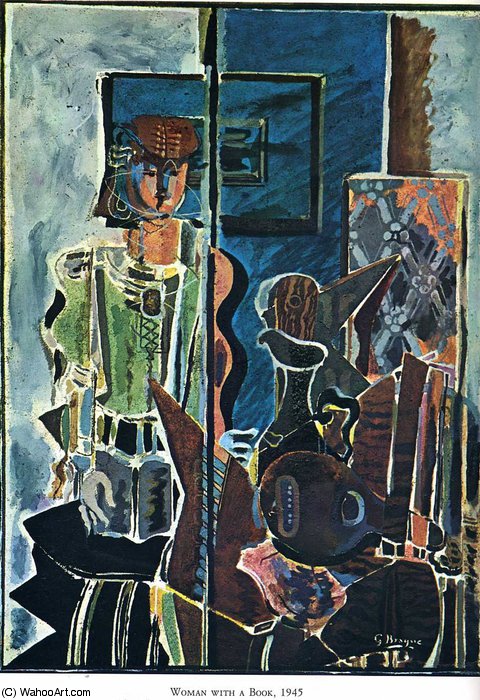
untitled (6226)

 Leer más
Giclée / Impresión de arte
Impresiones giclée o en lienzo de calidad de museo con producción rápida y opciones de acabado flexibles. ( Comprar pintura hecha a mano Comprar imagen)




P118B $10

P118H $10

P118W $10

P438Z $10

P508JH $12

P508YH $12

P805H $10

P805Z $10

P919BZ $10

P919G $10

P919XJ $10

P959ZH $10

P968JZ $12

W106C $8

W218G $10

W218JH $8

W218Y $10

W307PJ $10

W316G $10

W316PJ $8

W316Y $10

W398PJ $8

W4111J $10

W500HY $15

W500JH $15

W692G $12

W849H $8

W940BG $15

W953PJ $8




Elija entre nuestros tamaños predefinidos que respetan las proporciones originales de la obra.

Puede introducir sus propias dimensiones para adaptarse a un marco o espacio específico. Si el tamaño seleccionado no coincide con las proporciones de la imagen original, recortaremos la obra de arte o extenderemos la imagen con un borde con efecto espejo o de color sólido. Se enviará una maqueta digital para su aprobación antes de que comience la producción.
Tenga en cuenta que la vista previa en pantalla no refleja el recorte o la extensión real. Solo la maqueta mostrará con precisión la composición final.
Aunque existen tamaños personalizados, recomendamos seleccionar una dimensión de la lista predefinida para preservar las proporciones originales.
Envío a todo el mundo () en 2 semanas en lugar de las 4/5 semanas estándar. (12 agosto)

Envío exprés gratuito a todo el mundo

Lienzo de lino de alta calidad

Seguro de envío completo

Garantía de reembolso de aranceles aduaneros

Garantía de fidelidad cromática exacta

Política de devolución de 60 días (solo por defectos)

Garantía de devolución del 100% del dinero

Oferta por volumen
 La opción de vidrio solo está disponible en tamaños inferiores a 110 cm.

untitled (6226)
Giclée / Impresión de arte
Tamaño de la reproducción
-


Precio total
$ 62
Descripción de la pieza
The Quiet Revolution: Georges Braque and the Genesis of Cubism
Georges Braque's "Untitled (6226)" isn't a painting that shouts; it whispers. Born in Argenteuil, France, in 1882, Braque’s artistic journey began not with grand pronouncements but with the quiet discipline of his father’s trade – house painting and decoration. This foundational experience instilled within him an acute awareness of materials, structure, and the subtle language of form. Initially following a similar path, he soon recognized a deeper calling, enrolling in the École des Beaux-Arts in Le Havre, laying the groundwork for a career that would fundamentally challenge the conventions of Western art. The early 1900s witnessed a seismic shift in artistic thought, fueled by the influence of Paul Cézanne and the vibrant energy of Parisian life. Braque’s engagement with the Fauvist movement – characterized by bold colors and emotional expression – marked an initial departure, but it was his subsequent collaboration with Pablo Picasso that truly ignited the revolutionary spark of Cubism. This wasn't merely a stylistic shift; it represented a profound re-evaluation of how we perceive and represent reality on canvas.

Deconstructing Reality: The Techniques of Analytical Cubism
“Untitled (6226)” exemplifies the core tenets of Analytical Cubism, a period in which Braque and Picasso meticulously dismantled familiar objects into their geometric components. The image depicts a man seated, engaged with a guitar – an instrument imbued with both musicality and historical significance. Notice how the figure is fragmented, not rendered as a single, unified form but rather presented as a collection of interlocking planes and angles. This isn’t simply a stylistic choice; it's a deliberate attempt to capture multiple viewpoints simultaneously, reflecting the idea that objects can be understood from any angle. The muted palette – predominantly browns, grays, and ochres – further emphasizes this deconstruction, stripping away superficial color and focusing on the underlying structure of the scene. Braque’s brushwork is precise yet subtly textured, creating a sense of depth and volume despite the flattened perspective. The use of thin layers of paint allows light to penetrate through the forms, adding an ethereal quality to the composition.
Symbolism and Context: A Portrait of Artistic Collaboration
While seemingly straightforward in its subject matter, “Untitled (6226)” carries a deeper resonance. The guitar itself is a potent symbol – representing creativity, expression, and perhaps even contemplation. The man’s posture, seated and engaged with his instrument, suggests a moment of focused concentration, inviting the viewer to share in his artistic process. Considering Braque's close working relationship with Picasso during this period, it’s likely that this piece was conceived as part of a larger dialogue, an exploration of shared ideas and techniques. The painting reflects the spirit of collaboration that defined their Cubist experiments – a constant exchange of inspiration and a willingness to challenge established artistic norms. The inclusion of other figures in the background hints at a social context, suggesting a scene of domestic life or perhaps a gathering of artists.
A Legacy of Innovation: Braque’s Enduring Influence
Georges Braque's contribution to modern art is immeasurable. “Untitled (6226)” stands as a testament to his pioneering spirit and his ability to transform the way we see the world. His work paved the way for Synthetic Cubism, characterized by collage and brighter colors, and profoundly influenced subsequent movements such as Futurism and Constructivism. Today, Braque’s paintings continue to resonate with viewers, offering a glimpse into a pivotal moment in art history – a time of radical experimentation and profound artistic innovation. Reproductions of this piece offer an exceptional opportunity to bring this complex and intellectually stimulating work into your home or studio, allowing you to appreciate the subtle nuances of Braque's genius for years to come.
Obras relacionadas


Biografía del artista
**vida temprana y formación**
georges braque, un destacado pintor francés, collageador, dibujante, grabador y escultor, nació el 13 de mayo de 1882 en Argelo, Val-d'Oise. Creció en Le Havre y inicialmente se formó para ser pintor de casas y decorador, como su padre y abuelo. Sin embargo, las inclinaciones artísticas de Braque lo llevaron a estudiar pintura en la École des Beaux-Arts en Le Havre de 1897 a 1899.**evolución artística y fauvismo**
En 1902, después de completar su aprendizaje con un decorador en París, Braque asistió a la Academia Humbert hasta 1904. Este período marcó su introducción al fauvismo, un estilo caracterizado por colores vibrantes y respuestas emocionales. Influenciado por las obras de henri matisse y andré derain, Braque adoptó un enfoque fauvista, como se ve en su pintura the patience (fauvismo, óleo sobre lienzo).**contribución al cubismo**
La colaboración de Braque con pablo picasso desde 1908 hasta 1912 llevó al desarrollo del cubismo. Sus obras cubistas analíticas, como georges braque: the patience y pablo picasso: clarinet(cubismo analítico, óleo sobre lienzo), se consideran hitos en la historia del arte.**legado y obras notables**
* Houses at l'Estaque: un testimonio del uso innovador de la geometría y la perspectiva simultánea de Braque. * The Patience(fauvismo, óleo sobre lienzo): demuestra el estilo fauvista de Braque. * Clarinet(cubismo analítico, óleo sobre lienzo): una obra cubista colaborativa con Picasso.**museos y colecciones**
* Musée d'Orsay: presenta una extensa colección de arte impresionista y postimpresionista, incluyendo obras de Braque. * Musée de l'Orangerie: exhibe una amplia gama de obras de arte, incluyendo las de Braque y otros artistas notables.- Descubra más sobre la vida y obra de Georges Braque en ArtsDot.com
- Explore la colección del Musée d'Orsay, que presenta obras de Braque y otros artistas, en Musée d'Orsay - Wikipedia
- Aprenda más sobre el fauvismo y su influencia en el desarrollo del cubismo con el movimiento artístico fauvista en ArtsDot.com
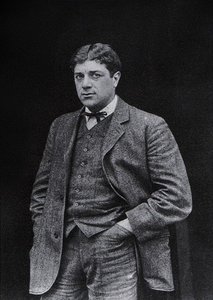
Georges Braque
1882 - 1963 , Francia
Datos clave
- Artistas Influenciados Por Este Artista: ['Pablo Picasso']
- Artistas Que Influyeron:
- Henri Matisse
- André Derain
- Paul Cézanne
- Fecha De Muerte: 31 de agosto de 1963
- Fecha De Nacimiento: 13 de mayo de 1882
- Lugar De Nacimiento: Argenteuil, Francia
- Movimiento Artístico: Cubismo, Fauvismo
- Nacionalidad: Francés
- Nombre Completo: Georges Braque
- Obras Notables:
- Casas en L'Estaque
- La paciencia (Fauvismo)
- Violin y Paleta
- Mandola
Artículos relacionados

La Síntesis Visual: Creación de Composiciones Artísticas Personalizadas a partir de Múltiples Fuentes y su Impacto Emocional
Transforma tus recuerdos en obras de arte únicas con ArtsDot. Reproducciones personalizadas hechas por artistas expertos y materiales de calidad museística. Crea un legado visual atemporal.

Deconstruyendo la Realidad: El Impacto Revolucionario del Cubismo en el Arte del Siglo XX
Descubra el revolucionario impacto del Cubismo en el arte del siglo XX. Análisis profundo de Picasso, Braque y su legado. Guía para coleccionistas apasionados e inversores.

Los 10 Maestros del Cubismo: Obras que Revolucionaron el Arte | ArtsDot
Descubre los 10 lienzos cubistas que revolucionaron el arte moderno. Explora las obras maestras de Picasso, Braque y Gris en ArtsDot.com. Reproducciones de alta calidad para tu hogar.

The Eloquence of Arrangement: Compositional Strategies in Western Art from the Renaissance to Modernism
Explore the evolution of compositional strategies in Western art! Discover how masters like Raphael & Zurbaran used perspective, proportion, and dynamic arrangement to create timeless masterpieces. Enhance your art appreciation today!

Los 10 Maestros del Cubismo: Obras que Revolucionaron el Arte |
Descubre los 10 lienzos cubistas que revolucionaron el arte moderno. Explora la historia de Picasso, Braque y otros maestros del cubismo en . Reproducciones de alta calidad para tu hogar.



