


 Vista previa
 Compartir
 Compartir
 Ver detalles

 Descargar
 Ver similares
 Radiografía
 Presentación de diapositivas
untitled (3777)

 Leer más
Giclée / Impresión de arte
Impresiones giclée o en lienzo de calidad de museo con producción rápida y opciones de acabado flexibles. ( Encargar reproducción pintada a mano Comprar descarga)




P118B $10

P118H $10

P118W $10

P438Z $10

P508JH $12

P508YH $12

P805H $10

P805Z $10

P919BZ $10

P919G $10

P919XJ $10

P959ZH $10

P968JZ $12

W106C $8

W218G $10

W218JH $8

W218Y $10

W307PJ $10

W316G $10

W316PJ $8

W316Y $10

W398PJ $8

W4111J $10

W500HY $15

W500JH $15

W692G $12

W849H $8

W940BG $15

W953PJ $8




Elija entre nuestros tamaños predefinidos que respetan las proporciones originales de la obra.

Puede introducir sus propias dimensiones para adaptarse a un marco o espacio específico. Si el tamaño seleccionado no coincide con las proporciones de la imagen original, recortaremos la obra de arte o extenderemos la imagen con un borde con efecto espejo o de color sólido. Se enviará una maqueta digital para su aprobación antes de que comience la producción.
Tenga en cuenta que la vista previa en pantalla no refleja el recorte o la extensión real. Solo la maqueta mostrará con precisión la composición final.
Aunque existen tamaños personalizados, recomendamos seleccionar una dimensión de la lista predefinida para preservar las proporciones originales.
Envío a todo el mundo () en 2 semanas en lugar de las 4/5 semanas estándar. (13 agosto)

Envío exprés gratuito a todo el mundo

Lienzo de lino de alta calidad

Seguro de envío completo

Garantía de reembolso de aranceles aduaneros

Garantía de fidelidad cromática exacta

Política de devolución de 60 días (solo por defectos)

Garantía de devolución del 100% del dinero

Oferta por volumen
 La opción de vidrio solo está disponible en tamaños inferiores a 110 cm.

untitled (3777)
Giclée / Impresión de arte
Tamaño de la reproducción
-


Precio total
$ 62
Descripción de la pieza
The Enigmatic Room: An Exploration of Georges Braque's "Untitled (3777)"
Georges Braque’s “Untitled (3777)” presents a deceptively simple scene – a modestly furnished room bathed in the stark contrast of black and white. Yet, within this apparent stillness lies a complex interplay of form, perspective, and human presence, hallmarks of the artist's pivotal role in developing Cubism alongside Pablo Picasso. The painting isn’t merely a depiction of an interior; it’s a carefully constructed puzzle designed to challenge our perception of space and reality, inviting us to actively engage with its fragmented composition.
The central focus is undeniably the chair, positioned deliberately near the viewer's eye line, anchoring the scene. However, Braque doesn’t offer a straightforward representation. Instead, he deconstructs the object into geometric planes – sharp angles and overlapping forms that suggest multiple viewpoints simultaneously. This technique, characteristic of Cubism, dismantles traditional notions of depth and perspective, forcing us to reconsider how we see the world. The two figures within the room—a man and a woman—are similarly rendered with an emphasis on their constituent parts, their bodies fragmented and reassembled into abstract shapes. They are not presented as unified individuals but rather as elements contributing to the overall spatial arrangement of the scene.
A Fusion of Fauvism and Proto-Cubism
Created around 1927, “Untitled (3777)” sits firmly within a transitional period in Braque’s artistic development. It showcases elements of his earlier work with the Fauves – particularly the bold use of color and expressive brushstrokes—while simultaneously foreshadowing the more rigorous geometric explorations that would define Cubism. The subdued palette, dominated by grays and blacks, creates an atmosphere of quiet contemplation, a deliberate shift from the vibrant hues of his Fauvist phase. The meticulous attention to detail in rendering the furniture – the texture of the couch, the sheen of the clock – reveals Braque’s continued mastery of technique, even as he pushes against established artistic conventions.
Notably, the inclusion of everyday objects—a dining table, a book, a vase—elevates the scene beyond mere architectural study. These items become symbols of domesticity and routine, subtly hinting at the lives of those within the room. The clock, in particular, introduces an element of temporal awareness, suggesting that time itself is being fragmented and reconfigured by Braque’s artistic vision.
Symbolism and Emotional Resonance
While seemingly objective in its monochrome presentation, “Untitled (3777)” possesses a subtle emotional depth. The arrangement of the figures and objects creates a sense of contained tension—a quiet stillness punctuated by the implied presence of human interaction. The fragmented forms can be interpreted as representing the complexities of modern life, where individuals are often isolated within their own thoughts and experiences. The painting’s ambiguity invites viewers to project their own interpretations onto the scene, fostering a personal connection with the artwork.
Braque's exploration of geometric abstraction in this piece anticipates the broader artistic movements of the 20th century, solidifying his position as a key innovator in modern art. Reproductions of “Untitled (3777)” offer a unique opportunity to experience firsthand the intellectual and aesthetic rigor that defined Braque’s groundbreaking work – a testament to the power of fragmentation and the enduring appeal of a meticulously constructed visual puzzle.
Obras relacionadas


Biografía del artista
**vida temprana y formación**
georges braque, un destacado pintor francés, collageador, dibujante, grabador y escultor, nació el 13 de mayo de 1882 en Argelo, Val-d'Oise. Creció en Le Havre y inicialmente se formó para ser pintor de casas y decorador, como su padre y abuelo. Sin embargo, las inclinaciones artísticas de Braque lo llevaron a estudiar pintura en la École des Beaux-Arts en Le Havre de 1897 a 1899.**evolución artística y fauvismo**
En 1902, después de completar su aprendizaje con un decorador en París, Braque asistió a la Academia Humbert hasta 1904. Este período marcó su introducción al fauvismo, un estilo caracterizado por colores vibrantes y respuestas emocionales. Influenciado por las obras de henri matisse y andré derain, Braque adoptó un enfoque fauvista, como se ve en su pintura the patience (fauvismo, óleo sobre lienzo).**contribución al cubismo**
La colaboración de Braque con pablo picasso desde 1908 hasta 1912 llevó al desarrollo del cubismo. Sus obras cubistas analíticas, como georges braque: the patience y pablo picasso: clarinet(cubismo analítico, óleo sobre lienzo), se consideran hitos en la historia del arte.**legado y obras notables**
* Houses at l'Estaque: un testimonio del uso innovador de la geometría y la perspectiva simultánea de Braque. * The Patience(fauvismo, óleo sobre lienzo): demuestra el estilo fauvista de Braque. * Clarinet(cubismo analítico, óleo sobre lienzo): una obra cubista colaborativa con Picasso.**museos y colecciones**
* Musée d'Orsay: presenta una extensa colección de arte impresionista y postimpresionista, incluyendo obras de Braque. * Musée de l'Orangerie: exhibe una amplia gama de obras de arte, incluyendo las de Braque y otros artistas notables.- Descubra más sobre la vida y obra de Georges Braque en ArtsDot.com
- Explore la colección del Musée d'Orsay, que presenta obras de Braque y otros artistas, en Musée d'Orsay - Wikipedia
- Aprenda más sobre el fauvismo y su influencia en el desarrollo del cubismo con el movimiento artístico fauvista en ArtsDot.com

Georges Braque
1882 - 1963 , Francia
Datos clave
- Artistas Influenciados Por Este Artista: ['Pablo Picasso']
- Artistas Que Influyeron:
- Henri Matisse
- André Derain
- Paul Cézanne
- Fecha De Muerte: 31 de agosto de 1963
- Fecha De Nacimiento: 13 de mayo de 1882
- Lugar De Nacimiento: Argenteuil, Francia
- Movimiento Artístico: Cubismo, Fauvismo
- Nacionalidad: Francés
- Nombre Completo: Georges Braque
- Obras Notables:
- Casas en L'Estaque
- La paciencia (Fauvismo)
- Violin y Paleta
- Mandola
Artículos relacionados
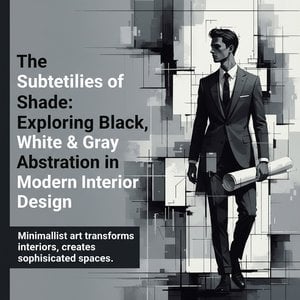
La Sutileza del Neutro: Explorando la Abstracción en Blanco y Negro para una Arquitectura Moderna Elevada
Descubre cómo la abstracción en blanco y negro eleva el diseño arquitectónico moderno. Expertos revelan secretos de iluminación, materiales y minimalismo para espacios sofisticados y atemporales.

Los 10 Maestros del Cubismo: Obras que Revolucionaron el Arte | ArtsDot
Descubre los 10 lienzos cubistas que revolucionaron el arte moderno. Explora las obras maestras de Picasso, Braque y Gris en ArtsDot.com. Reproducciones de alta calidad para tu hogar.

Los 10 Maestros del Cubismo: Obras que Revolucionaron el Arte |
Descubre los 10 lienzos cubistas que revolucionaron el arte moderno. Explora la historia de Picasso, Braque y otros maestros del cubismo en . Reproducciones de alta calidad para tu hogar.

Georges Braque: Pioneering Cubism & the Evolution of Modern Form
Explore the revolutionary art of Georges Braque, a pioneer of Cubism alongside Picasso. Discover his artistic evolution, key works, and lasting impact on modern art. A guide for discerning collectors.

Los 10 Cuadros Más Famosos Dominados por el Negro Marfil: Arte y Decoración
Descubre los 10 cuadros más impactantes dominados por el negro marfil. Explora la historia de Rembrandt, Van Gogh y otros maestros del arte clásico y moderno. Encuentra reproducciones de alta calidad para tu hogar en



