

 Vista previa
 Compartir
 Compartir
 Ver detalles

 Descargar
 Ver similares
 Radiografía
 Presentación de diapositivas
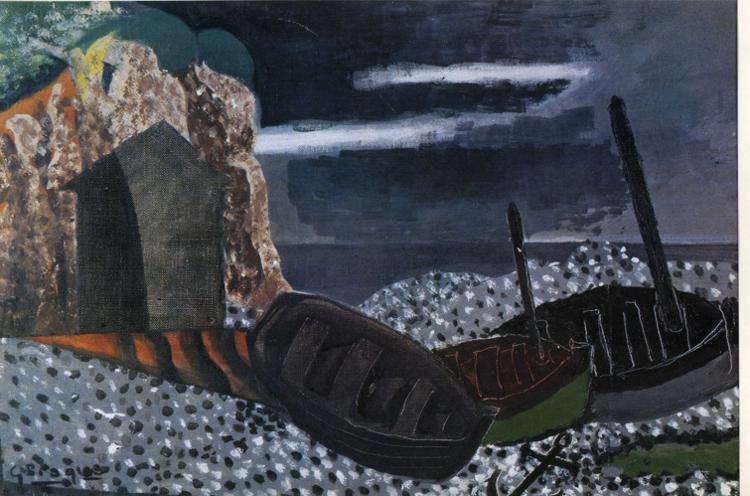
The Three Boats
 Oil On Canvas
- WallArt
- Cubism
 1929
1929 24.0 x 35.0 cm
 Leer más
Giclée / Impresión de arte
Impresiones giclée o en lienzo de calidad de museo con producción rápida y opciones de acabado flexibles. ( Cambiar a pintura hecha a mano Cambiar a imagen)




P118B $10

P118H $10

P118W $10

P438Z $10

P508JH $12

P508YH $12

P805H $10

P805Z $10

P919BZ $10

P919G $10

P919XJ $10

P959ZH $10

P968JZ $12

W106C $8

W218G $10

W218JH $8

W218Y $10

W307PJ $10

W316G $10

W316PJ $8

W316Y $10

W398PJ $8

W4111J $10

W500HY $15

W500JH $15

W692G $12

W849H $8

W940BG $15

W953PJ $8




Elija entre nuestros tamaños predefinidos que respetan las proporciones originales de la obra.

Puede introducir sus propias dimensiones para adaptarse a un marco o espacio específico. Si el tamaño seleccionado no coincide con las proporciones de la imagen original, recortaremos la obra de arte o extenderemos la imagen con un borde con efecto espejo o de color sólido. Se enviará una maqueta digital para su aprobación antes de que comience la producción.
Tenga en cuenta que la vista previa en pantalla no refleja el recorte o la extensión real. Solo la maqueta mostrará con precisión la composición final.
Aunque existen tamaños personalizados, recomendamos seleccionar una dimensión de la lista predefinida para preservar las proporciones originales.
Envío a todo el mundo () en 2 semanas en lugar de las 4/5 semanas estándar. (11 agosto)

Envío exprés gratuito a todo el mundo

Lienzo de lino de alta calidad

Seguro de envío completo

Garantía de reembolso de aranceles aduaneros

Garantía de fidelidad cromática exacta

Política de devolución de 60 días (solo por defectos)

Garantía de devolución del 100% del dinero

Oferta por volumen
 La opción de vidrio solo está disponible en tamaños inferiores a 110 cm.

The Three Boats
Giclée / Impresión de arte
Tamaño de la reproducción
-


Precio total
$ 62
Descripción de la pieza
A Stormy Vision of the Coastline
Georges Braque’s “The Three Boats” (1929) isn't merely a depiction of a coastal scene; it’s an immersion into a mood, a palpable sense of drama and isolation. Painted during a pivotal period in his artistic evolution, this oil on canvas captures the raw power of nature against a backdrop of muted blues and greys – colors that speak of impending storm or a lingering twilight. The composition immediately draws the eye to the turbulent sea, dominated by three small boats seemingly adrift amidst the churning waves. These aren’t idyllic vessels; they are humble craft, vulnerable yet resilient, hinting at the lives inextricably linked to this rugged coastline.
The painting's strength lies not in photographic realism but in Braque’s masterful manipulation of form and color. He employs a distinctly Expressionist approach, prioritizing emotional impact over precise detail. The boats themselves are rendered with simplified geometric shapes – rectangles and ovals – that contribute to the overall sense of dynamism and movement. The rocky shoreline is similarly abstracted, its jagged edges defined by bold, assertive lines. This deliberate flattening of perspective creates an almost theatrical stage for the drama unfolding before us.
Cubism’s Echoes and a Shift in Perspective
“The Three Boats” firmly resides within the burgeoning world of Cubism, though it moves beyond its purely analytical roots. Braque, alongside Pablo Picasso, was dismantling traditional notions of representation, fracturing objects into geometric components and presenting them from multiple viewpoints simultaneously. However, unlike some of Picasso’s more overtly intellectual explorations, Braque's work retains a strong connection to the natural world. He doesn’t simply dissect forms; he uses these fragmented shapes to evoke feeling – a sense of unease, perhaps, or the humbling power of the sea.
The painting’s historical context is crucial to understanding its significance. The 1920s were a time of rapid social and artistic change in Europe, marked by disillusionment after World War I and a growing interest in exploring subjective experience. Braque's work reflects this spirit of experimentation, pushing the boundaries of traditional art while retaining a deep appreciation for the beauty and power of the natural world.
Symbolism and Emotional Resonance
Beyond its formal qualities, “The Three Boats” is rich in symbolic meaning. The boats themselves can be interpreted as metaphors for human vulnerability and resilience – small vessels confronting the vastness and unpredictability of life. The stormy sky suggests challenges and uncertainties, while the quiet stillness of the shoreline offers a hint of solace or contemplation. The limited color palette—primarily blues, greys, and browns—reinforces this sense of melancholy and introspection.
Braque’s use of thick impasto – applying paint in heavy layers – adds to the painting's tactile quality and emotional intensity. The visible brushstrokes create a sense of immediacy and energy, as if the artist himself was wrestling with the subject matter. The textured surface invites viewers to engage physically with the artwork, further enhancing its immersive effect.
A Timeless Masterpiece for Art Lovers
“The Three Boats” is more than just a painting; it’s an experience. It's a powerful evocation of coastal drama, rendered with Braque’s signature blend of geometric precision and expressive emotion. Whether you are an art enthusiast, a collector seeking to enrich your collection, or an interior designer searching for a captivating piece to complement your space, this work offers a timeless appeal. Reproductions capture the essence of this dramatic scene, bringing its evocative power into any setting.
Obras relacionadas


Biografía del artista
**vida temprana y formación**
georges braque, un destacado pintor francés, collageador, dibujante, grabador y escultor, nació el 13 de mayo de 1882 en Argelo, Val-d'Oise. Creció en Le Havre y inicialmente se formó para ser pintor de casas y decorador, como su padre y abuelo. Sin embargo, las inclinaciones artísticas de Braque lo llevaron a estudiar pintura en la École des Beaux-Arts en Le Havre de 1897 a 1899.**evolución artística y fauvismo**
En 1902, después de completar su aprendizaje con un decorador en París, Braque asistió a la Academia Humbert hasta 1904. Este período marcó su introducción al fauvismo, un estilo caracterizado por colores vibrantes y respuestas emocionales. Influenciado por las obras de henri matisse y andré derain, Braque adoptó un enfoque fauvista, como se ve en su pintura the patience (fauvismo, óleo sobre lienzo).**contribución al cubismo**
La colaboración de Braque con pablo picasso desde 1908 hasta 1912 llevó al desarrollo del cubismo. Sus obras cubistas analíticas, como georges braque: the patience y pablo picasso: clarinet(cubismo analítico, óleo sobre lienzo), se consideran hitos en la historia del arte.**legado y obras notables**
* Houses at l'Estaque: un testimonio del uso innovador de la geometría y la perspectiva simultánea de Braque. * The Patience(fauvismo, óleo sobre lienzo): demuestra el estilo fauvista de Braque. * Clarinet(cubismo analítico, óleo sobre lienzo): una obra cubista colaborativa con Picasso.**museos y colecciones**
* Musée d'Orsay: presenta una extensa colección de arte impresionista y postimpresionista, incluyendo obras de Braque. * Musée de l'Orangerie: exhibe una amplia gama de obras de arte, incluyendo las de Braque y otros artistas notables.- Descubra más sobre la vida y obra de Georges Braque en ArtsDot.com
- Explore la colección del Musée d'Orsay, que presenta obras de Braque y otros artistas, en Musée d'Orsay - Wikipedia
- Aprenda más sobre el fauvismo y su influencia en el desarrollo del cubismo con el movimiento artístico fauvista en ArtsDot.com

Georges Braque
1882 - 1963 , Francia
Datos clave
- Artistas Influenciados Por Este Artista: ['Pablo Picasso']
- Artistas Que Influyeron:
- Henri Matisse
- André Derain
- Paul Cézanne
- Fecha De Muerte: 31 de agosto de 1963
- Fecha De Nacimiento: 13 de mayo de 1882
- Lugar De Nacimiento: Argenteuil, Francia
- Movimiento Artístico: Cubismo, Fauvismo
- Nacionalidad: Francés
- Nombre Completo: Georges Braque
- Obras Notables:
- Casas en L'Estaque
- La paciencia (Fauvismo)
- Violin y Paleta
- Mandola
Artículos relacionados

Georges Braque: Las 25 Obras Maestras del Cubismo y su Legado en el Arte Moderno
Descubre las 25 obras maestras de Georges Braque, pionero del cubismo. Explora su innovadora técnica, colores y el legado del arte moderno francés. Reproducciones de alta calidad en ArtsDot.com. ¡Encuentra tu inspiración!

Georges Seurat: Las 25 Obras Maestras del Pionero Puntillista | ArtsDot
Descubre las 25 obras maestras de Georges Seurat, el innovador del puntillismo. Explora su técnica única, colores vibrantes y legado artístico en ArtsDot.com. Reproducciones de arte de museo para tu hogar.

Los 10 Paisajes Más Icónicos de la Historia del Arte | ArtsDot
Descubre los 10 paisajes más emblemáticos de la historia del arte, desde Monet a Van Gogh. Explora su significado, técnica y belleza atemporal. Encuentra reproducciones de alta calidad e inspira tu hogar con ArtsDot.com.

Redefining Nature: A Collector's Guide to the Geometric Beauty of Cubist Landscapes
Explore the revolutionary world of Cubist landscapes. Discover how masters like Picasso and Braque redefined nature through geometric beauty, and learn expert tips for curating these transformative masterpieces in your modern home collection.

Paisajes Románticos: 10 Obras Maestras que Definieron un Movimiento Artístico
Descubre los 10 paisajes románticos más influyentes de artistas como Caspar David Friedrich y Turner. Explora la belleza, el simbolismo y las técnicas del movimiento romántico. Reproducciones de arte exclusivas en ArtsDot.com.



