


 Vista previa
 Compartir
 Compartir
 Ver detalles
 Guía
Guía

 Descargar
 Ver artículos similares
 Radiografía
 Presentación de diapositivas
 Estadísticas
If I die here 3


 Leer más
Giclée / Impresión de arte
Impresiones giclée o en lienzo de calidad de museo con producción rápida y opciones de acabado flexibles. ( Encargar reproducción pintada a mano Ver versión en imagen digital)




P118B $10

P118H $10

P118W $10

P438Z $10

P508JH $12

P508YH $12

P805H $10

P805Z $10

P919BZ $10

P919G $10

P919XJ $10

P959ZH $10

P968JZ $12

W106C $8

W218G $10

W218JH $8

W218Y $10

W307PJ $10

W316G $10

W316PJ $8

W316Y $10

W398PJ $8

W4111J $10

W500HY $15

W500JH $15

W692G $12

W849H $8

W940BG $15

W953PJ $8




Elija entre nuestros tamaños predefinidos que respetan las proporciones originales de la obra.

Puede introducir sus propias dimensiones para adaptarse a un marco o espacio específico. Si el tamaño seleccionado no coincide con las proporciones de la imagen original, recortaremos la obra de arte o extenderemos la imagen con un borde con efecto espejo o de color sólido. Se enviará una maqueta digital para su aprobación antes de que comience la producción.
Tenga en cuenta que la vista previa en pantalla no refleja el recorte o la extensión real. Solo la maqueta mostrará con precisión la composición final.
Aunque existen tamaños personalizados, recomendamos seleccionar una dimensión de la lista predefinida para preservar las proporciones originales.
Envío a todo el mundo () en 2 semanas en lugar de las 4/5 semanas estándar. (25 septiembre)

Envío exprés gratuito a todo el mundo

Lienzo de lino de alta calidad

Seguro de envío completo

Garantía de reembolso de impuestos aduaneros

Garantía de fidelidad cromática exacta

Política de devolución de 100 días (solo por defectos)

Garantía de devolución del 100% del dinero

Oferta por volumen
 La opción de vidrio solo está disponible en tamaños inferiores a 110 cm.

If I die here 3
Giclée / Impresión de arte
Tamaño de la reproducción
-


Precio total
$ 62
A Blue Vision: The Geometric Soul of Braque’s Crown
In the quiet revolution of early twentieth-century modernism, few images capture the tension between tradition and transformation as poignantly as Georges Braque’s “If I Die Here 3.” At first glance, the viewer is met with a striking, ethereal blue crown, outlined in a crisp, ghostly white. Yet, to linger on this piece is to realize that it is far more than a mere depiction of regalia; it is a profound meditation on form and spirit. The artwork presents an unconventional design that masterfully weaves together disparate threads of human experience—the sacred geometry of the Christian cross, the tender curves of a heart, and the imposing silhouette of royalty. This deliberate juxtaposition invites the observer into a contemplative space, where themes of faith, heritage, and personal aspiration begin to intertwine.
The brilliance of this work lies in its seamless integration of Cubist innovation with deep-seated symbolism. Braque, working alongside his legendary collaborator Pablo Picasso, sought to dismantle the single-point perspective that had dominated Western art for centuries. In “If I Die Here 3,” he achieves this by fragmenting the crown into a rhythmic arrangement of geometric planes—cubes, cylinders, and cones. This technique does not merely flatten the subject; rather, it creates an illusionistic depth that captures the three-dimensional essence of the object while simultaneously disrupting our visual perception. It is a dance of light and structure, where the eye is encouraged to move through the facets of the blue form, discovering new angles and shadows with every glance.
The Mastery of Layer and Light
The technical execution of this masterpiece reveals Braque’s profound respect for the tactile nature of oil paint. The canvas serves as a stage for a meticulous layering process that breathes life into the pigment. Beginning with a somber underpainting of muted browns and grays, Braque established a foundational tonal depth that allows the subsequent layers to glow from within. He applied thin, delicate washes of color with a precision that suggests both the discipline of a craftsman and the intuition of a poet. These subtle gradations of blue, ranging from deep midnight tones to luminous cerulean, create a texture that feels almost atmospheric, as if the crown itself were emerging from a dreamlike mist.
Beyond its formal beauty, the historical context of this piece adds a layer of intellectual weight that will resonate with any serious collector. Created during the formative years of Cubism between 1907 and 1914, the work reflects the turbulent intellectual currents of an era shaped by Nietzschean philosophy and the concept of eternal recurrence. The fragmentation of the crown mirrors the shattering of old certainties, suggesting a reality that is cyclical and multifaceted rather than linear and fixed. For the interior designer or art enthusiast, this piece offers more than just aesthetic appeal; it provides a focal point of profound philosophical inquiry.
An Enduring Legacy for the Modern Space
For those seeking to curate a space of distinction, “If I Die Here 3” serves as an incomparable centerpiece. Its cool color palette and structured composition make it a versatile addition to contemporary, minimalist, or even classical interiors, providing a sense of calm authority and intellectual depth. The emotional impact of the work is one of quiet strength—a reminder of the beauty found in deconstruction and the resilience of symbols that endure through change.
Owning a high-quality reproduction of this Braque masterpiece allows for the preservation of this historical moment within a private collection or a curated home. It is an invitation to experience the dawn of modern art, offering a daily encounter with the transformative power of the Cubist vision. Whether viewed as a study in geometric harmony or a symbolic exploration of identity, this artwork remains a timeless testament to the enduring legacy of Georges Braque.
Obras relacionadas


Biografía del artista
**vida temprana y formación**
georges braque, un destacado pintor francés, collageador, dibujante, grabador y escultor, nació el 13 de mayo de 1882 en Argelo, Val-d'Oise. Creció en Le Havre y inicialmente se formó para ser pintor de casas y decorador, como su padre y abuelo. Sin embargo, las inclinaciones artísticas de Braque lo llevaron a estudiar pintura en la École des Beaux-Arts en Le Havre de 1897 a 1899.**evolución artística y fauvismo**
En 1902, después de completar su aprendizaje con un decorador en París, Braque asistió a la Academia Humbert hasta 1904. Este período marcó su introducción al fauvismo, un estilo caracterizado por colores vibrantes y respuestas emocionales. Influenciado por las obras de henri matisse y andré derain, Braque adoptó un enfoque fauvista, como se ve en su pintura the patience (fauvismo, óleo sobre lienzo).**contribución al cubismo**
La colaboración de Braque con pablo picasso desde 1908 hasta 1912 llevó al desarrollo del cubismo. Sus obras cubistas analíticas, como georges braque: the patience y pablo picasso: clarinet(cubismo analítico, óleo sobre lienzo), se consideran hitos en la historia del arte.**legado y obras notables**
* Houses at l'Estaque: un testimonio del uso innovador de la geometría y la perspectiva simultánea de Braque. * The Patience(fauvismo, óleo sobre lienzo): demuestra el estilo fauvista de Braque. * Clarinet(cubismo analítico, óleo sobre lienzo): una obra cubista colaborativa con Picasso.**museos y colecciones**
* Musée d'Orsay: presenta una extensa colección de arte impresionista y postimpresionista, incluyendo obras de Braque. * Musée de l'Orangerie: exhibe una amplia gama de obras de arte, incluyendo las de Braque y otros artistas notables.- Descubra más sobre la vida y obra de Georges Braque en ArtsDot.com
- Explore la colección del Musée d'Orsay, que presenta obras de Braque y otros artistas, en Musée d'Orsay - Wikipedia
- Aprenda más sobre el fauvismo y su influencia en el desarrollo del cubismo con el movimiento artístico fauvista en ArtsDot.com
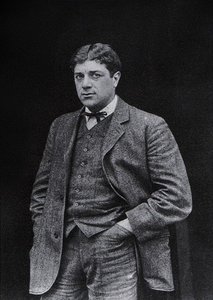
Georges Braque
1882 - 1963 , Francia
Datos clave
- Artistas Influenciados Por Este Artista: ['Pablo Picasso']
- Artistas Que Influyeron:
- Henri Matisse
- André Derain
- Paul Cézanne
- Fecha De Muerte: 31 de agosto de 1963
- Fecha De Nacimiento: 13 de mayo de 1882
- Lugar De Nacimiento: Argenteuil, Francia
- Movimiento Artístico: Cubismo, Fauvismo
- Nacionalidad: Francés
- Nombre Completo: Georges Braque
- Obras Notables:
- Casas en L'Estaque
- La paciencia (Fauvismo)
- Violin y Paleta
- Mandola
Artículos relacionados

Georges Braque: Las 25 Obras Maestras del Cubismo y su Legado en el Arte Moderno
Descubre las 25 obras maestras de Georges Braque, pionero del cubismo. Explora su innovadora técnica, colores y el legado del arte moderno francés. Reproducciones de alta calidad en ArtsDot.com. ¡Encuentra tu inspiración!

Las 10 Obras Maestras del Azul Pizarra: Arte, Historia y Decoración
Descubre las 10 pinturas más famosas dominadas por el azul pizarra. Explora la historia, técnica y belleza de Monet, Van Gogh y otros maestros. Encuentra reproducciones de arte exclusivas para decorar tu hogar en .

Serene Blue Backgrounds: Discover Soulful Art to Transform Your Space with Timeless Elegance
Transform your home with soulful blue art. From serene Monet impressions to modern textured sculptures, discover curated masterpieces designed to inspire calm. Explore expert art consultations and bespoke hand-painted reproductions to create your personal sanctuary.

Paul Cézanne: Las 25 Obras Maestras que Definieron el Arte Moderno | ArtsDot
Descubre las 25 obras maestras de Paul Cézanne que revolucionaron el arte moderno. Explora su técnica, inspiración y significado en paisajes, bodegones y retratos. Reproducciones de alta calidad para decorar tu hogar con arte inolvidable. ¡Explora la colección completa en ArtsDot.com!

Fernand Léger: Las 25 Obras Maestras del Tubismo y la Vanguardia Francesa | ArtsDot
Descubre las 25 obras maestras de Fernand Léger, pionero del tubismo y la vanguardia francesa. Explora su estética industrial, composiciones geométricas y vibrantes colores. Reproducciones de arte exclusivas en ArtsDot.com.


