

 Vista previa
 Compartir
 Compartir
 Ver detalles

 Descargar
 Ver similares
 Radiografía
 Presentación de diapositivas
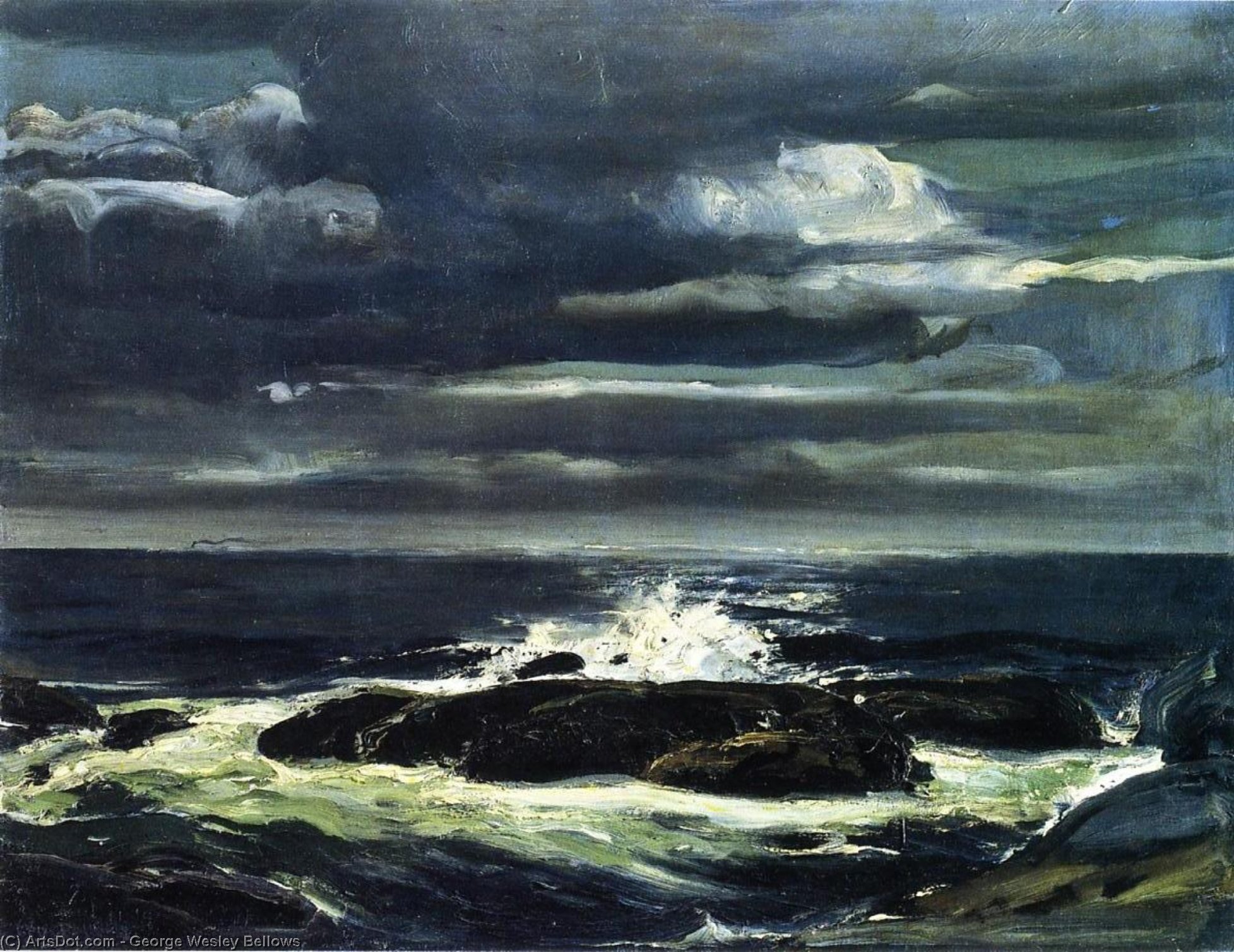
The Sea


 Leer más
Reproducción al óleo hecha a mano
Óleo sobre lienzo pintado a mano en el tamaño y marco de su elección, realizado por encargo por nuestros artistas. ( Pedir impresión Comprar descarga)




P118B $10

P118H $10

P118W $10

P438Z $10

P508JH $12

P508YH $12

P805H $10

P805Z $10

P919BZ $10

P919G $10

P919XJ $10

P959ZH $10

P968JZ $12

W106C $8

W218G $10

W218JH $8

W218Y $10

W307PJ $10

W316G $10

W316PJ $8

W316Y $10

W398PJ $8

W4111J $10

W500HY $15

W500JH $15

W692G $12

W849H $8

W940BG $15

W953PJ $8




Elija entre nuestros tamaños predefinidos que respetan las proporciones originales de la obra.

Puede ingresar sus propias dimensiones para adaptarse a un marco o espacio específico. Si el tamaño seleccionado no coincide con las proporciones de la imagen original, recortaremos la obra o extenderemos la pintura con elementos adicionales pintados a mano. Se le enviará una maqueta digital para su aprobación antes de comenzar la producción.
Tenga en cuenta que la vista previa en pantalla no refleja el recorte o la extensión reales. Solo la maqueta mostrará con precisión la composición final.
Si bien existen tamaños personalizados, recomendamos seleccionar una dimensión de la lista predefinida para preservar las proporciones originales.
Tras realizar el pedido, el equipo de ArtsDot.com enviará un correo electrónico al cliente para solicitar instrucciones y proporcionarle una vista previa del boceto.
Envío a todo el mundo () en 3-4 semanas en lugar de las 5 semanas estándar. (15 agosto). Sin comprometer la calidad.

Envío exprés gratuito a todo el mundo

Lienzo de lino de alta calidad

Seguro de envío completo

Garantía de reembolso de aranceles aduaneros

Garantía de fidelidad cromática exacta

Política de devolución de 60 días (solo por defectos)

Garantía de devolución del 100% del dinero

Oferta por volumen
 La opción de vidrio solo está disponible en tamaños inferiores a 110 cm.

The Sea
Técnica de reproducción
Tamaño de la reproducción
-


Precio total
$ 263
Descripción de la obra
A Dramatic Encounter: The Essence of “The Sea”
George Wesley Bellows’ “The Sea,” painted in 1911, isn't merely a depiction of an ocean scene; it’s a visceral experience. This oil on canvas, now residing within the Hirshhorn Museum and Sculpture Garden in Washington D.C., captures a pivotal moment – the raw, untamed power of nature colliding with the steadfast solidity of land. The painting immediately draws the viewer into a world of turbulent energy: colossal waves relentlessly assault jagged rocks in the foreground, their crests foaming white against a bruised, dramatic sky. Clouds swirl and gather, hinting at an impending storm, while scattered boats – some bravely battling the elements, others seeking refuge – punctuate the scene with a sense of scale and vulnerability.
Bellows, a key figure in the Ashcan School movement, rejected idealized representations of American life. Instead, he embraced the gritty reality of urban existence and the natural world, often portraying them with unflinching honesty. “The Sea” exemplifies this approach; it’s not a romanticized seascape but a potent portrayal of nature's dominance, rendered with an intensity that reflects Bellows’ own dynamic artistic vision.
Bold Brushstrokes and Vibrant Color: The Artist’s Technique
Examining the painting closely reveals Bellows’ distinctive style. He employed bold, expressive brushstrokes – thick, impastoed layers of paint that convey movement and texture with remarkable immediacy. Notice how he uses short, choppy strokes to depict the crashing waves, contrasting them with broader, more fluid marks for the sky. The color palette is equally impactful: deep blues and greens dominate, punctuated by flashes of white foam and the somber grays of the storm clouds. This masterful use of color not only creates a sense of drama but also establishes a strong visual hierarchy, guiding the viewer’s eye through the composition.
Bellows' technique was deeply influenced by his background as an athlete; he sought to capture the dynamism and physicality of movement within his art. This is particularly evident in the way he portrays the waves – they seem to surge forward with unstoppable force, mirroring the energy of a boxer’s punch or a runner’s stride.
Historical Context: The Ashcan School and American Modernism
To fully appreciate “The Sea,” it's crucial to understand its place within the broader context of early 20th-century American art. The Ashcan School, which Bellows was a prominent member of, rejected the academic traditions of the time and focused on depicting everyday life in New York City – often with unflinching realism. Artists like Robert Henri championed this approach, encouraging their students to paint what they saw without idealization or sentimentality.
“The Sea” reflects this spirit of social observation and artistic experimentation. It’s a powerful statement about the relationship between humanity and nature, capturing a moment of intense confrontation that speaks to both the beauty and the danger inherent in the natural world. The painting was created during a period of rapid industrialization and urbanization in America, and Bellows' work served as a counterpoint to the prevailing narratives of progress and prosperity.
Symbolism and Emotional Resonance
Beyond its technical brilliance, “The Sea” is rich in symbolism. The crashing waves can be interpreted as representing the overwhelming forces of nature, while the boats symbolize humanity’s struggle against these forces. The dark, ominous sky suggests uncertainty and impending change. Yet, amidst this turmoil, there's also a sense of resilience – the boats continue to navigate the storm, demonstrating an enduring spirit of determination.
Ultimately, “The Sea” evokes a powerful emotional response in the viewer. It’s a painting that captures not only a specific moment in time but also a fundamental human experience: our relationship with the wild and unpredictable forces of nature. A high-quality reproduction allows you to bring this evocative masterpiece into your home or office, serving as a constant reminder of the beauty and power of the natural world.
Obras relacionadas


Biografía del artista
Primeros años y educación
George Wesley Bellows, una figura destacada en el arte americano, nació el 12 o 19 de agosto de 1882 en Columbus, Ohio. Era hijo único de George Bellows y Anna Wilhelmina Smith Bellows. Su infancia temprana estuvo marcada por su inclinación hacia el arte, como lo demuestran sus dibujos incluso antes de comenzar la escuela primaria.Trayectoria artística
La trayectoria artística de Bellows comenzó con ilustración comercial y finalmente lo llevó a dedicarse a la pintura. Se matriculó en la Universidad Estatal de Ohio (1901-1904), donde jugó para los equipos de béisbol y baloncesto, consolidando aún más su destreza atlética. Sin embargo, su verdadera pasión residía en el arte, lo que lo impulsó a mudarse a Nueva York en 1904 para estudiar bajo la tutela de Robert Henri.- George Wesley Bellows se asoció con "The Eight" y la Escuela Ashcan, abogando por la representación de la sociedad americana contemporánea.
- En 1906, estableció un estudio en el número 1947 de Broadway Street, marcando el comienzo de su prolífica carrera.
- Su primera exposición notable en 1908 presentó estudios urbanos, que, aunque algunos críticos los consideraron pintados de manera tosca, también se encontraron audazmente atrevidos e innovadores.
Obras notables y contribuciones
Obras clave:- Central Park (Club de la Facultad de la Universidad Estatal de Ohio, Estados Unidos, óleo sobre lienzo) - un testimonio de su habilidad para capturar la vida urbana.
- Los alemanes llegan (1918) - una serie de litografías y pinturas que representaban gráficamente las atrocidades cometidas por Alemania durante su invasión de Bélgica.
- El Museo de Arte Moderno (Nueva York, Reino Unido) - aunque no presenta exclusivamente sus obras, representa el contexto más amplio del arte moderno en el que Bellows prosperó.
- La Biblioteca Pública de Nueva York - aunque no es específicamente conocida por albergar sus obras, sus colecciones y programas de arte reflejan la vibrante escena artística que influyó en su carrera.
Influencias y desarrollo artístico
Bellows fue profundamente influenciado por Robert Henri, quien lo animó a pintar los sujetos cotidianos de la vida urbana. Esta influencia se evidencia en las obras tempranas de Bellows, que capturan con realismo y vitalidad la vida de los barrios bajos de Nueva York. Además, estudió a los maestros europeos, buscando inspiración en sus obras durante visitas a museos. Su estilo evolucionó desde un realismo crudo hacia una mayor expresividad y dinamismo, incorporando elementos del impresionismo y el modernismo. Experimentó con diversas técnicas, incluyendo la pintura al óleo, el dibujo a lápiz y la litografía, desarrollando un lenguaje visual único que combinaba precisión técnica con una poderosa carga emocional.Legado e importancia histórica
George Wesley Bellows falleció el 8 de enero de 1925, pero su legado como "el artista americano más aclamado de su generación" (según el Museo de Arte de Columbus) perdura. Sus audaces representaciones de la vida urbana en Nueva York continúan inspirando e influyendo al arte contemporáneo. Su capacidad para capturar la energía y el dinamismo de la ciudad, así como su compromiso con la representación honesta de la realidad social, lo convierten en una figura clave del realismo americano y un precursor del arte moderno.- Vea más obras de George Wesley Bellows en ArtsDot.com
- Explore la colección del Museo de Arte Moderno (Nueva York, Reino Unido) en ArtsDot.com
- Aprenda más sobre las colecciones y programas de arte de la Biblioteca Pública de Nueva York en ArtsDot.com
Referencias

George Wesley Bellows
1882 - 1925 , Estados Unidos de América
Datos clave
- Artistas Que Influyeron: ['Robert Henri']
- Fecha De Muerte: 8 de enero de 1925
- Fecha De Nacimiento: 12 o 19 de agosto de 1882
- Lugar De Nacimiento: Columbus, Estados Unidos
- Movimiento Artístico: Ashcan School, Realismo americano
- Nacionalidad: Estadounidense
- Nombre Completo: George Wesley Bellows
- Obras Notables:
- Central Park
- The Germans Arrive
- Margarita
Artículos relacionados

Georges Braque: Las 25 Obras Maestras del Cubismo y su Legado en el Arte Moderno
Descubre las 25 obras maestras de Georges Braque, pionero del cubismo. Explora su innovadora técnica, colores y el legado del arte moderno francés. Reproducciones de alta calidad en ArtsDot.com. ¡Encuentra tu inspiración!

Georges Seurat: Las 25 Obras Maestras del Pionero Puntillista | ArtsDot
Descubre las 25 obras maestras de Georges Seurat, el innovador del puntillismo. Explora su técnica única, colores vibrantes y legado artístico en ArtsDot.com. Reproducciones de arte de museo para tu hogar.

The Allure of the Horizon: A Comprehensive Exploration of Seascape Art Through History & Emotion
Explore the captivating world of seascape art! Discover its history, key artists & movements – from Dutch Masters to Impressionism. Expert insights for collectors and enthusiasts at ArtsDot.

The Enduring Legacy of Oil on Canvas: Technique, History & Aesthetic Impact
Explore the rich history & techniques of oil painting – from Renaissance masters to Impressionism. Discover pigments, layering methods, and why this timeless medium endures. Expert insights for artists & art enthusiasts.

El Óleo sobre Lienzo: Historia, Técnica y la Persistencia de un Medio Artístico Atemporal
Descubre la historia y técnica del óleo sobre lienzo. Explora reproducciones fieles hechas a mano, personalización artística y consejos de expertos con ArtsDot. ¡Colecciona arte con confianza!



