


 Vista previa
 Compartir
 Compartir
 Ver detalles
 Guía
Guía

 Descargar
 Ver artículos similares
 Radiografía
 Presentación de diapositivas
 Estadísticas
Interrogatorio
 Óleo sobre lienzo
- Arte de pared
- Sátira expresionista
 1938
1938- Edad Moderna
 46.0 x 59.0 cm
 Galería y Museo Ben Uri
 Leer más
La obra de arte que se muestra en esta página está protegida por las leyes de propiedad intelectual, lo que significa que no podemos crear ni vender legalmente una reproducción idéntica. Esta protección se hace cumplir en virtud de acuerdos internacionales como el Convenio de Berna y por las leyes nacionales, incluidas aquellas establecidas por el Ley de derechos de autor de los EE. UU. - Título 17.
Este método cumple plenamente con las normativas de derechos de autor, ya que no implica la copia ni la duplicación de la obra protegida. En su lugar, se trata de una reinterpretación creativa: una nueva pintura influenciada por la original, pero que no es idéntica a ella.
Giclée / Impresión de arte
Impresiones giclée o en lienzo de calidad de museo con producción rápida y opciones de acabado flexibles. ( Encargar reproducción pintada a mano Ver versión en imagen digital)




P118B €10

P118H €10

P118W €10

P438Z €10

P508JH €12

P508YH €12

P805H €10

P805Z €10

P919BZ €10

P919G €10

P919XJ €10

P959ZH €10

P968JZ €12

W106C €8

W218G €10

W218JH €8

W218Y €10

W307PJ €10

W316G €10

W316PJ €8

W316Y €10

W398PJ €8

W4111J €10

W500HY €15

W500JH €15

W692G €12

W849H €8

W940BG €15

W953PJ €8




Elija entre nuestros tamaños predefinidos que respetan las proporciones originales de la obra.

Introduzca el ancho y el alto que necesite para adaptarse a su marco o pared. Una impresión solo puede recortarse, nunca hacerse más grande que la imagen original, por lo que un tamaño con una forma distinta perderá parte de la obra. Le enviaremos una maqueta digital para su aprobación antes de realizar cualquier impresión. La imagen que se muestra en esta página no refleja el recorte real; solo la maqueta lo hace.
Envío a todo el mundo () en 2 semanas en lugar de las 4/5 semanas estándar. (20 octubre)

Envío exprés gratuito a todo el mundo

Lienzo de lino de alta calidad

Seguro de envío completo

Garantía de reembolso de impuestos aduaneros

Garantía de fidelidad cromática exacta

Política de devolución de 100 días (solo por defectos)

Garantía de devolución del 100% del dinero

Oferta por volumen
 La opción de vidrio solo está disponible en tamaños inferiores a 110 cm.

Interrogatorio
Giclée / Impresión de arte
Tamaño de la reproducción
-


Precio total
€ 54
A Visceral Encounter with Shadows
In the haunting depths of George Grosz’s 1938 masterpiece, Interrogation, the viewer is not merely an observer but a silent witness to a moment of profound psychological and physical violation. The painting presents a scene of stark, unsettling tension: three men are locked in a grim confrontation within a room that feels heavy with the scent of dread. At the center of this drama, a man sits with his hands bound behind his back, his very posture a testament to vulnerability and resistance. Surrounding him, the figures of his interrogators loom, their presence injecting a palpable sense of menace into the composition. The room itself tells a story of recent violence; bloodstains mar the floor and walls, suggesting that the interrogation is but one chapter in a larger cycle of brutality. This is not a static portrait, but a living, breathing fragment of a much darker narrative, capturing the precise second where tension threatens to erupt into tragedy.
To gaze upon this work is to experience the raw power of Brutal Realism infused with the jagged, emotive distortions of Expressionism. Grosz, a master of dissecting the societal rot of his era, eschews the polished aesthetics of traditional academic art in favor of a more visceral truth. His technique relies on sharp, angular lines and a deliberate use of light and shadow to amplify the dramatic conflict. The artist utilizes oil on canvas to create a surface that feels almost tactile; one can sense the weight of the textures as they depict the grim reality of the setting. The stark contrasts do not merely illuminate the subjects but serve to carve them out of the darkness, emphasizing the psychological torment etched into their features and the cold, unforcketing atmosphere of the room.
The Echoes of a Crumbling Republic
To understand the profound emotional impact of Interrogation, one must look toward the turbulent landscape of late Weimar Germany. Created in 1938, as the shadows of fascism were lengthening across Europe, the painting serves as a chilling reflection of the political polarization and systemic violence that defined the era. Grosz, a prominent figure in the Berlin Dada and New Objectivity movements, used his brush as a weapon to indict the moral decay of his time. This specific work carries deep personal and historical resonance, referencing the persecution and even the murder of figures like the anarchist Erich Mühsam. The painting captures the pervasive disillusionment of an intellectual class caught between the collapse of democracy and the rise of an oppressive new order.
For the discerning collector or interior designer, Interrogation offers more than just a striking visual; it provides a profound conversation piece that explores themes of power, justice, and human resilience. As a high-quality reproduction, this piece brings a sophisticated, intellectual gravity to any space, whether it be a private study, a gallery, or a curated contemporary living area. It is an artwork for those who appreciate the capacity of fine art to confront uncomfortable truths and to find beauty in the unflinching examination of the human condition. Owning such a work is an invitation to engage with history, to contemplate the fragility of peace, and to celebrate the enduring power of the artist's voice against the tide of silence.
Preguntas y respuestas
¿En qué año se creó "Interrogatorio" de George Grosz?
La creación de "Interrogatorio" de George Grosz data de 1938.
¿Cómo puedo descubrir obras de arte similares a "Interrogatorio" de George Grosz?
Las obras similares a "Interrogatorio" de George Grosz se encuentran reunidas en la página de Similares de la obra.
¿Qué aporta "Interrogatorio" de George Grosz a un espacio interior?
La atmósfera Dramático de "Interrogatorio" de George Grosz combina perfectamente con su espacio recomendado: un Salón principal.
Obras relacionadas


Biografía del artista
Primeros años e influencias
George Grosz, cuyo nombre original era Georg Ehrenfried Gross, nació el 26 de julio de 1893 en Berlín, Alemania. Creció en una familia luterana devota, donde su padre era dueño de un pub. Tras la muerte de su padre en 1901, la madre de Grosz se convirtió en encargada del salón de oficiales de los husares locales, lo que expuso al joven artista a un ambiente social complejo y a menudo decadente.Desarrollo artístico
La formación artística de Grosz comenzó bajo la tutela de un pintor local llamado Grot, quien le enseñó las bases técnicas de la pintura. Posteriormente, perfeccionó sus habilidades copiando meticulosamente escenas de consumo de alcohol e imaginarias batallas de Eduard von Grützner. Estudió en la Academia de Bellas Artes de Dresde (1909-1911) y luego en el Colegio de Artes y Oficios de Berlín, donde se expuso a diversas corrientes artísticas y desarrolló su propio estilo distintivo.Estilo y obras destacadas
Grosz es reconocido principalmente por sus caricaturas mordaces y pinturas que retratan la vida berlinesa durante los años 20. Fue un miembro destacado del movimiento Dadaísta de Berlín y del grupo de la Nueva Objetividad (Neue Sachlichkeit). Su obra se caracteriza por una crítica satírica de la sociedad burguesa alemana, la política y el auge del fascismo. Algunas de sus obras más notables incluyen:- La Cova (Die Fuge): Una representación caótica y expresionista que refleja la turbulencia social y moral de la época.
- El Agitador (Der Redner): Un ejemplo de su estilo dadaísta, caracterizado por el uso de colores vibrantes y una composición dinámica.
- Los Pilares de la Sociedad (Die Gesellschaft): Una crítica mordaz a las élites sociales y políticas alemanas.
- Caimán o Hitler en el Infierno (Kaiman oder Hitler im Inferno): Una poderosa obra anti-fascista que denuncia los horrores del régimen nazi.
Exilio y legado
Con el ascenso del nazismo en Alemania, Grosz emigró a los Estados Unidos en 1933, donde se naturalizó como ciudadano estadounidense en 1938. Se estableció en Nueva York y enseñó arte en la Art Students League durante muchos años. A pesar de abandonar su estilo anterior, continuó exhibiendo su trabajo hasta su regreso a Berlín en 1959, poco antes de su fallecimiento el 6 de julio del mismo año. El legado de Grosz perdura como uno de los artistas más importantes del siglo XX, cuya obra sigue siendo relevante por su crítica social y política incisiva. Sus obras se encuentran en prestigiosas colecciones museísticas, como las Kunstsammlungen und Museen Augsburg y la Kunsthalle Bielefeld, testimonio de su impacto duradero en el arte moderno.
George Grosz
1893 - 1959 , Alemania
Datos clave
- Artistas Que Influyeron: ['Eduard von Grützner']
- Fecha De Fallecimiento: 6 de julio de 1959
- Fecha De Nacimiento: 26 de julio de 1893
- Lugar De Nacimiento: Berlín, Alemania
- Movimiento Artístico: Dadaísmo, Nueva Objetividad
- Nacionalidad: Alemán-Estadounidense
- Nombre Completo: George Grosz
- Obras Notables:
- El Agitador
- La Cova
- Los Pilares de la Sociedad
- Caimán o Hitler en el Infierno
Artículos relacionados

The Sharpest Wit: A Historical Exploration of Satire in Visual Culture
Explore the history of satire in art! From ancient masters like Aristophanes to Goya & Grosz, discover how artists use wit and critique to reflect—and challenge—society. Expert insights at ArtsDot.
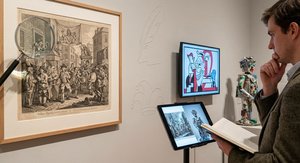
The Sharpest Wit: A Critical Exploration of Satire in Art History – From Hogarth to Contemporary Critique
Explore the history of satire in art! From Hogarth's London to contemporary critique, discover how artists use wit & visual power to reflect and challenge society. Expert insights at ArtsDot.

Las 25 Obras Maestras del Staatliche Museen Berlin: Arte, Historia y Decoración Exclusiva
Descubre las 25 obras maestras del Staatliche Museen Berlín. Explora la historia, el arte alemán y artistas como Nefertiti o Schinkel. Reproducciones de alta calidad para decorar tu hogar con elegancia. ¡Encuentra tu inspiración en ArtsDot.com!
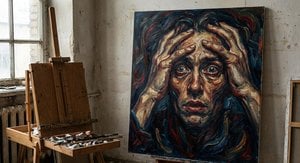
Expresionismo Figurado: Intensidad Emocional y Realidad Subjetiva en el Arte del Siglo XX
Explora la intensidad emocional del Expresionismo Figurado alemán. Descubre sus orígenes, artistas clave como Munch y Kirchner, y su legado en el arte moderno. Análisis experto y profundo.

Obras Maestras Dramáticas: Arte para un Hogar con Carácter |
Descubre 10 obras maestras que evocan drama y emoción. Explora la historia, técnica y colores de artistas como Caravaggio y Munch. Encuentra reproducciones de arte para transformar tu hogar en .


