Vista previa
 Compartir
 Compartir
 Ver detalles
 Guía
Guía

 Descargar
 Ver artículos similares
 Radiografía
 Presentación de diapositivas
 Estadísticas
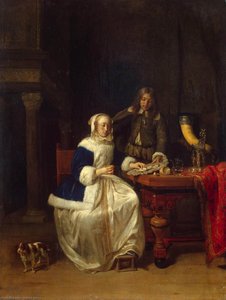
The Prodigal Son
 Oil On Canvas
- WallArt
- Baroque
 1640
1640- Early Modern
 77.0 x 66.0 cm
 Museo del Hermitage
 Leer más
Giclée / Impresión de arte
Impresiones giclée o en lienzo de calidad de museo con producción rápida y opciones de acabado flexibles. ( Encargar reproducción pintada a mano Ver versión en imagen digital)




P118B €10

P118H €10

P118W €10

P438Z €10

P508JH €12

P508YH €12

P805H €10

P805Z €10

P919BZ €10

P919G €10

P919XJ €10

P959ZH €10

P968JZ €12

W106C €8

W218G €10

W218JH €8

W218Y €10

W307PJ €10

W316G €10

W316PJ €8

W316Y €10

W398PJ €8

W4111J €10

W500HY €15

W500JH €15

W692G €12

W849H €8

W940BG €15

W953PJ €8




Elija entre nuestros tamaños predefinidos que respetan las proporciones originales de la obra.

Introduzca el ancho y el alto que necesite para adaptarse a su marco o pared. Una impresión solo puede recortarse, nunca hacerse más grande que la imagen original, por lo que un tamaño con una forma distinta perderá parte de la obra. Le enviaremos una maqueta digital para su aprobación antes de realizar cualquier impresión. La imagen que se muestra en esta página no refleja el recorte real; solo la maqueta lo hace.
Envío a todo el mundo () en 2 semanas en lugar de las 4/5 semanas estándar. (24 octubre)

Envío exprés gratuito a todo el mundo

Lienzo de lino de alta calidad

Seguro de envío completo

Garantía de reembolso de impuestos aduaneros

Garantía de fidelidad cromática exacta

Política de devolución de 100 días (solo por defectos)

Garantía de devolución del 100% del dinero

Oferta por volumen
 La opción de vidrio solo está disponible en tamaños inferiores a 110 cm.

The Prodigal Son
Giclée / Impresión de arte
Tamaño de la reproducción
-


Precio total
€ 54
A Masterpiece of Redemption and Splendor
In the heart of the Dutch Golden Age, few works capture the profound tension between worldly temptation and spiritual homecoming as exquisitely as Gabriel Metsu’s The Prodigal Son. Executed around 1640, this Baroque masterpiece is far more than a mere biblical illustration; it is a psychological drama rendered in oil and canvas. The painting invites viewers into a lavish, intimate bedroom where the air seems thick with the weight of unspoken emotions. Here, Metsu orchestrates a poignant tableau of familial reconciliation, depicting the moment a wealthy father welcomes his estranged son back into the fold after years of wandering. It is a scene that resonates deeply with anyone who has experienced the complexities of loss, regret, and the transformative power of forgiveness.
The narrative strength of the piece lies in its ability to juxtapose physical opulence with internal struggle. As the figures are positioned within an environment of extreme luxury—surrounded by heavy draperies and ornate furnishings—the setting serves as a deliberate metaphor for the very temptations that led the son astray. The contrast between the son’s state of repentance and the surrounding grandeur creates a captivating tension, making the artwork a profound meditation on the human condition. For the discerning collector or interior designer, this painting offers a sophisticated focal point that brings both historical gravity and narrative depth to any curated space.
The Artistry of Light and Texture
Metsu’s technical prowess is on full display through his masterful use of chiaroscuro. By employing a dramatic light source originating from an unseen point above and to the left, he sculpts the figures out of the surrounding shadows, lending them a three-dimensional, lifelike presence. This interplay of light and dark does more than create depth; it heightens the theatricality of the reunion, casting a spotlight on the emotional expressions of the characters while allowing the corners of the room to recede into mysterious, velvety gloom.
The tactile quality of the painting is nothing short of breathtaking. A close inspection reveals Metsu’s dedication to illusionistic realism, particularly in his rendering of diverse textures. One can almost feel the weight of the heavy bed canopy, the smoothness of the silk gowns, and the soft, organic contours of the skin tones. His color palette is a sophisticated blend of warm earth tones—rich ochre, deep gold, and resonant browns—which evoke a sense of aristocratic warmth. These are punctuated by strategic bursts of cooler blues and vibrant reds in the clothing, adding a rhythmic visual interest that guides the eye across the complex composition.
A Timeless Symbolism for the Modern Collector
Beyond its aesthetic brilliance, The Prodigal Son is rich with symbolic resonance. The discarded garments and the subtle gestures of the figures hint at themes of lost virtue and the pursuit of excess. Every element, from the way the light hits a piece of jewelry to the contemplative gaze of an observer in the background, contributes to a larger story of moral complexity. This layer of meaning ensures that the artwork remains intellectually stimulating long after the initial visual impact has been felt.
For those seeking to adorn a home or gallery with a high-quality reproduction, this piece offers an unparalleled opportunity to integrate a sense of history and soul into an interior design scheme. Whether placed in a quiet study to inspire reflection or as a grand statement piece in a formal living area, Metsu’s work brings with it the prestige of the Dutch masters. It is an investment in beauty, a tribute to the enduring power of storytelling, and a window into a golden era of artistic innovation.
Preguntas y respuestas
¿Cómo se relacionan entre sí los colores de "The Prodigal Son"?
Los colores de "The Prodigal Son" de Gabriel Metsu muestran una armonía Strong Color Unity. La armonía describe cómo se relacionan los colores entre sí.
¿Qué técnica se utilizó para "The Prodigal Son" de Gabriel Metsu?
"The Prodigal Son" está ejecutada en Oil On Canvas.
¿Quién vende copias pintadas a mano de "The Prodigal Son" de Gabriel Metsu?
Puede solicitar una reproducción pintada a mano de "The Prodigal Son" de Gabriel Metsu directamente en su página de Reproducción pintada a mano: una reproducción al óleo pintada a mano sobre lienzo de lino, realizada bajo pedido.
Obras relacionadas


Biografía del artista
Una Vida de Exploración Artística: Gabriël Metsu
- Nacimiento: Leiden, Países Bajos (1629)
- Fallecimiento: 1667
Primeros Años e Influencias
Gabriël Metsu vivió una vida marcada por la exploración artística y la innovación. Nacido en 1629, era hijo de Jacques Metsu, un fabricante de tapices y pintor originario de Hainault. Este trasfondo diverso probablemente influyó en su temprano interés en diversas técnicas artísticas. La mudanza familiar a Leiden lo expuso a numerosas influencias culturales.
Carrera Artística: Un Estilo Ecléctico
La carrera de Metsu se caracterizó por una adhesión a ningún estilo o técnica única, ganándose el título de "un artista altamente ecléctico". Su obra abarcó pinturas históricas, bodegones, retratos y obras de género. Notablemente, solo 14 de sus 133 obras conocidas están fechadas, lo que deja mucho por descubrir sobre su proceso creativo.
- Primeras Influencias: La influencia de Rembrandt van Rijn en la obra temprana de Metsu es evidente en su uso de la luz y el color.
- Período de Ámsterdam (a partir de 1655): Su traslado a Ámsterdam marcó un cambio hacia interiores domésticos y escenas de género, con mayor énfasis en el detalle y el realismo.
- Formación y Mentoría: Formó a Michiel van Musscher y Joost van Geel, lo que refleja su compromiso con la comunidad artística.
Obras Notables y Desarrollo Artístico
Las pinturas de Metsu a menudo presentaban mujeres jóvenes, escenas de mercado y ancianos, basándose en los emblemas populares de la época. Su estilo evolucionó a lo largo de su carrera, demostrando un dominio de diversas técnicas.
- El Niño Enfermo (c. 1664): Esta obra refleja la admiración de Metsu por el meticuloso detalle y el uso de la luz de Johannes Vermeer.
- Retrato de la Familia Hinlopen: Una obra maestra que combina la pintura de género con el retrato, mostrando su capacidad para capturar tanto el carácter individual como la vida doméstica.
- El Hijo Pródigo (c. 1640): Demuestra una influencia barroca con su composición dramática y ricos detalles.
- Temas Recurrentes: Metsu representó frecuentemente escenas de la vida cotidiana, a menudo imbuídas de significado simbólico.
Significado Histórico y Legado
El legado de Gabriël Metsu reside en su versatilidad y contribución a la Edad de Oro holandesa. Su estilo ecléctico, aunque a veces enigmático, influyó en generaciones posteriores de artistas. Hoy en día, sus obras se conservan en prestigiosos museos de todo el mundo.
- Pintor de la Edad de Oro Holandesa: Es reconocido como una figura significativa dentro del vibrante panorama artístico del siglo XVII neerlandés.
- Colecciones de Museos: Sus pinturas se pueden encontrar en varios museos, incluido el Rijksmuseum de Ámsterdam.
- Apreciación Continua: El arte de Metsu continúa fascinando e inspirando a los espectadores con su realismo, detalle y sutiles narrativas.

Gabriel Metsu
1629 - 1667 , Países Bajos
Datos clave
- Artistas Que Influyeron: ['Rembrandt van Rijn']
- Fecha De Fallecimiento: 1667
- Fecha De Nacimiento: 1629
- Lugar De Nacimiento: Leiden, Países Bajos
- Movimiento Artístico: Edad de Oro Holandesa
- Nacionalidad: Holandés
- Nombre Completo: Gabriël Metsu
- Obras Notables:
- El niño enfermo
- Retrato de la familia Hinlopen
- Vendedora de aves de corral
- La escritora sorprendida
- El hijo pródigo
Artículos relacionados

Reflejos de una Época Dorada: La Pintura Barroca Holandesa y la Innovación Cultural
Descubra la riqueza y el detalle de la pintura barroca holandesa del Siglo de Oro. Explore las obras maestras de Rembrandt, Vermeer y otros artistas clave. Análisis experto e historia cultural.

La Luz y la República: Innovación Artística en el Siglo de Oro Neerlandés
Descubra la innovación artística del Siglo de Oro Neerlandés. Explore las obras maestras de Rembrandt y Vermeer, técnicas revolucionarias y el legado perdurable de este florecimiento cultural. ¡Sumérjase en la luz y la belleza!

Dante Gabriel Rossetti: Las 25 Obras Maestras del Prerrafaelismo | ArtsDot
Descubre las 25 obras maestras de Dante Gabriel Rossetti, el máximo exponente del Prerrafaelismo. Explora su simbolismo, retratos victorianos y la belleza femenina en lienzos inolvidables. Reproducciones de arte exclusivas en ArtsDot.com.

Gabriel Metsu: Illuminating Dutch Daily Life with Exquisite Detail
Explore the captivating world of Gabriel Metsu, a leading Dutch Golden Age painter. Discover his exquisite genre scenes, masterful realism, and insightful social commentary. Learn about key works & his lasting legacy.

Los 10 Maestros del Barroco Holandés: Obras que Definen una Época | ArtsDot
Descubre los 10 imprescindibles del Barroco holandés: Rembrandt, Vermeer y más. Explora la historia, técnica y belleza de estas obras maestras. Reproducciones de arte en ArtsDot.com para decorar tu hogar con elegancia.