Vista previa
 Compartir
 Compartir
 Ver detalles
 Guía
Guía

 Descargar
 Ver artículos similares
 Radiografía
 Presentación de diapositivas
 Estadísticas
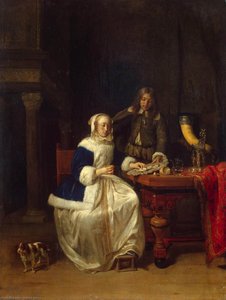
The Cook
 Oil On Canvas
- WallArt
- Dutch Golden Age
 1657
1657- Early Modern
 40.0 x 34.0 cm
 Museo Nacional Thyssen-Bornemisza
 Leer más
Reproducción al óleo hecha a mano
Óleo sobre lienzo pintado a mano en el tamaño y marco de su elección, realizado por encargo por nuestros artistas. ( Cambiar a formato impreso Ver versión en imagen digital)




P118B €10

P118H €10

P118W €10

P438Z €10

P508JH €12

P508YH €12

P805H €10

P805Z €10

P919BZ €10

P919G €10

P919XJ €10

P959ZH €10

P968JZ €12

W106C €8

W218G €10

W218JH €8

W218Y €10

W307PJ €10

W316G €10

W316PJ €8

W316Y €10

W398PJ €8

W4111J €10

W500HY €15

W500JH €15

W692G €12

W849H €8

W940BG €15

W953PJ €8




Elija entre nuestros tamaños predefinidos que respetan las proporciones originales de la obra.

Escriba el ancho y el alto que necesite para adaptarse a su marco o a su pared. Al ser una obra pintada a mano, para un tamaño con una forma distinta, el artista puede pintar un poco más alrededor de la imagen o recortar un poco; usted elige. Le enviaremos una maqueta digital para su aprobación antes de comenzar la pintura. La imagen que se muestra en esta página no refleja el resultado real; solo la maqueta lo hace.
Tras realizar el pedido, el equipo de ArtsDot.com enviará un correo electrónico al cliente para solicitar instrucciones y proporcionarle una vista previa del boceto.
Envío a todo el mundo () en 3-4 semanas en lugar de las 5 semanas estándar. (24 octubre). Sin comprometer la calidad.

Envío exprés gratuito a todo el mundo

Lienzo de lino de alta calidad

Seguro de envío completo

Garantía de reembolso de impuestos aduaneros

Garantía de fidelidad cromática exacta

Política de devolución de 100 días (solo por defectos)

Garantía de devolución del 100% del dinero

Oferta por volumen
 La opción de vidrio solo está disponible en tamaños inferiores a 110 cm.

The Cook
Técnica de reproducción
Tamaño de la reproducción
-


Precio total
€ 231
A Moment Frozen in Time: The Quiet Majesty of Gabriel Metsu
In the heart of the Dutch Golden Age, amidst a period defined by unparalleled prosperity and a burgeoning middle class, Gabriel Metsu captured something far more profound than mere domesticity. His 1657 masterpiece, "The Cook," currently held in the prestigious Museo Thtle Thyssen-Bornemisza in Madrid, serves as a breathtaking window into the seventeenth century. At first glance, the painting presents a deceptively simple tableau of everyday life, yet beneath its surface lies a masterful distillation of realism and psychological depth. The scene centers on a woman, draped in a striking blue gown that commands the viewer's attention, standing before a monumental oven. Her posture, marked by a calm and steady confidence, suggests a moment of quiet purpose as she holds aloft a tray laden with food, inviting us to witness the sacred rituals of nourishment and service.
Metsu’s technical prowess is nothing short of extraordinary, making this piece an essential inspiration for those who appreciate the fine nuances of classical oil painting. He employs chiaroscuro with surgical precision, skillfully manipulating light and shadow to sculpt the physical forms within the room. The way the light catches the subtle sheen on the food tray or illuminates the rugged texture of the oven’s brickwork creates a sense of three-dimensional reality that is almost tactile. Through the delicate use of glazing—layering thin, translucent washes of pigment over thicker underlayers—Metsu achieves a luminous, ethereal quality. This technique imbues the painting with a soft glow, as if the scene itself is breathing, making it an ideal centerpiece for any collection seeking to evoke warmth and timeless elegance.
Symbolism and the Soul of the Dutch Interior
Beyond its visual splendor, "The Cook" is a tapestry of symbolic meaning, reflecting the core values of seventeenth-century Dutch society. The oven, a dominant and rustic presence in the composition, is far more than a kitchen appliance; it stands as a powerful emblem of warmth, stability, and the hearth—the very foundation of domestic life. Even the small details, such as the bird hanging from the rafters, are heavy with intent. This poultry, likely a chicken, serves as a subtle nod to fertility and the prosperity of the household, grounding the painting in the era's preoccupation with abundance and the rewards of diligent labor.
For the discerning collector or interior designer, this work offers a unique emotional resonance. It does not shout; rather, it whispers stories of peace, sustenance, and the beauty found in the mundane. The dark, atmospheric background provides a dramatic contrast that pushes the central figures forward, creating a focal point that can anchor a room with its quiet intensity. Whether viewed as a historical document or a triumph of Baroque technique, "The Cook" remains a captivating testament to Metsu's ability to elevate the ordinary into the extraordinary, offering a sense of enduring grace to any space it inhabits.
Preguntas y respuestas
¿De qué manera el estilo de "The Cook" se relaciona con la época de su creador?
"The Cook" de Gabriel Metsu se sitúa en el movimiento Dutch Golden Age, dentro de la era Edad Moderna temprana de su creador.
¿En qué estancia del hogar quedaría bien una reproducción de "The Cook"?
El espacio recomendado para "The Cook" de Gabriel Metsu es un Living Room. Por supuesto, esta sugerencia puede adaptarse a su interiorismo.
¿Quién creó "The Cook" y en qué año?
Gabriel Metsu realizó "The Cook" en 1657.
Obras relacionadas


Biografía del artista
Una Vida de Exploración Artística: Gabriël Metsu
- Nacimiento: Leiden, Países Bajos (1629)
- Fallecimiento: 1667
Primeros Años e Influencias
Gabriël Metsu vivió una vida marcada por la exploración artística y la innovación. Nacido en 1629, era hijo de Jacques Metsu, un fabricante de tapices y pintor originario de Hainault. Este trasfondo diverso probablemente influyó en su temprano interés en diversas técnicas artísticas. La mudanza familiar a Leiden lo expuso a numerosas influencias culturales.
Carrera Artística: Un Estilo Ecléctico
La carrera de Metsu se caracterizó por una adhesión a ningún estilo o técnica única, ganándose el título de "un artista altamente ecléctico". Su obra abarcó pinturas históricas, bodegones, retratos y obras de género. Notablemente, solo 14 de sus 133 obras conocidas están fechadas, lo que deja mucho por descubrir sobre su proceso creativo.
- Primeras Influencias: La influencia de Rembrandt van Rijn en la obra temprana de Metsu es evidente en su uso de la luz y el color.
- Período de Ámsterdam (a partir de 1655): Su traslado a Ámsterdam marcó un cambio hacia interiores domésticos y escenas de género, con mayor énfasis en el detalle y el realismo.
- Formación y Mentoría: Formó a Michiel van Musscher y Joost van Geel, lo que refleja su compromiso con la comunidad artística.
Obras Notables y Desarrollo Artístico
Las pinturas de Metsu a menudo presentaban mujeres jóvenes, escenas de mercado y ancianos, basándose en los emblemas populares de la época. Su estilo evolucionó a lo largo de su carrera, demostrando un dominio de diversas técnicas.
- El Niño Enfermo (c. 1664): Esta obra refleja la admiración de Metsu por el meticuloso detalle y el uso de la luz de Johannes Vermeer.
- Retrato de la Familia Hinlopen: Una obra maestra que combina la pintura de género con el retrato, mostrando su capacidad para capturar tanto el carácter individual como la vida doméstica.
- El Hijo Pródigo (c. 1640): Demuestra una influencia barroca con su composición dramática y ricos detalles.
- Temas Recurrentes: Metsu representó frecuentemente escenas de la vida cotidiana, a menudo imbuídas de significado simbólico.
Significado Histórico y Legado
El legado de Gabriël Metsu reside en su versatilidad y contribución a la Edad de Oro holandesa. Su estilo ecléctico, aunque a veces enigmático, influyó en generaciones posteriores de artistas. Hoy en día, sus obras se conservan en prestigiosos museos de todo el mundo.
- Pintor de la Edad de Oro Holandesa: Es reconocido como una figura significativa dentro del vibrante panorama artístico del siglo XVII neerlandés.
- Colecciones de Museos: Sus pinturas se pueden encontrar en varios museos, incluido el Rijksmuseum de Ámsterdam.
- Apreciación Continua: El arte de Metsu continúa fascinando e inspirando a los espectadores con su realismo, detalle y sutiles narrativas.

Gabriel Metsu
1629 - 1667 , Países Bajos
Datos clave
- Artistas Que Influyeron: ['Rembrandt van Rijn']
- Fecha De Fallecimiento: 1667
- Fecha De Nacimiento: 1629
- Lugar De Nacimiento: Leiden, Países Bajos
- Movimiento Artístico: Edad de Oro Holandesa
- Nacionalidad: Holandés
- Nombre Completo: Gabriël Metsu
- Obras Notables:
- El niño enfermo
- Retrato de la familia Hinlopen
- Vendedora de aves de corral
- La escritora sorprendida
- El hijo pródigo
Artículos relacionados

Los 10 Maestros del Siglo de Oro Holandés: Arte, Historia y Decoración Exclusiva
Descubre los 10 imprescindibles del Siglo de Oro Holandés: Rembrandt, Vermeer y más. Explora la historia, técnica y belleza de estos lienzos clásicos. Encuentra reproducciones de arte exclusivas para decorar tu hogar en .

Dante Gabriel Rossetti: Las 25 Obras Maestras del Prerrafaelismo | ArtsDot
Descubre las 25 obras maestras de Dante Gabriel Rossetti, el máximo exponente del Prerrafaelismo. Explora su simbolismo, retratos victorianos y la belleza femenina en lienzos inolvidables. Reproducciones de arte exclusivas en ArtsDot.com.

Los 10 Maestros del Barroco Holandés: Obras que Definen una Época | ArtsDot
Descubre los 10 imprescindibles del Barroco holandés: Rembrandt, Vermeer y más. Explora la historia, técnica y belleza de estas obras maestras. Reproducciones de arte en ArtsDot.com para decorar tu hogar con elegancia.

Reflejos de una Época Dorada: La Pintura Barroca Holandesa y la Innovación Cultural
Descubra la riqueza y el detalle de la pintura barroca holandesa del Siglo de Oro. Explore las obras maestras de Rembrandt, Vermeer y otros artistas clave. Análisis experto e historia cultural.

La Luz y la República: Innovación Artística en el Siglo de Oro Neerlandés
Descubra la innovación artística del Siglo de Oro Neerlandés. Explore las obras maestras de Rembrandt y Vermeer, técnicas revolucionarias y el legado perdurable de este florecimiento cultural. ¡Sumérjase en la luz y la belleza!