

 Ver en contexto
 Enviar
 Compartir
 Detalles
 Guía
Guía

 Descargar
 Similares
 Radiografía
 Presentación de diapositivas
 Preguntas y respuestas
 Estadísticas
Cabs

- 81.0 x 65.0 cm

 Ver más
Giclée / Impresión de arte
Impresiones giclée o en lienzo de calidad de museo con producción rápida y opciones de acabado flexibles. ( Comprar pintura hecha a mano Cambiar a imagen digital)




































Elija entre nuestros tamaños predefinidos que respetan las proporciones originales de la obra.

Introduzca el ancho y el alto que necesite para adaptarse a su marco o pared. Una impresión solo puede recortarse, nunca hacerse más grande que la imagen original, por lo que un tamaño con una forma distinta perderá parte de la obra. Le enviaremos una maqueta digital para su aprobación antes de realizar cualquier impresión. La imagen que se muestra en esta página no refleja el recorte real; solo la maqueta lo hace.
Envío a todo el mundo () en 2 semanas en lugar de las 4/5 semanas estándar. (3 noviembre)

Envío exprés gratuito a todo el mundo

Lienzo de lino de alta calidad

Seguro de envío total

Garantía de reembolso de aranceles aduaneros

Garantía de fidelidad cromática exacta

Política de devolución de 100 días (solo por defectos)

Garantía de devolución del 100% del dinero

Descuento por cantidad
 La opción de vidrio solo está disponible en tamaños inferiores a 110 cm.

Cabs
Giclée / Impresión de arte
Dimensiones de la reproducción
-


Precio total final
€ 56
Obras relacionadas


Biografía del artista
El legado luminoso de Frank Edwin Scott
Nacido en un linaje definido por la búsqueda del descubrimiento, Frank Edwin Scott llegó al mundo el 27 de noviembre de 1863, en Edimburgo, Escocia. Su herencia era una de profunda exploración; su padre, Robert Falcon Scott, se convertiría en una figura legendaria de la exploración antártica, mientras que su madre, Eleanor Falconer Scott, cultivó una profunda devencia por las intrincadas maravillas de la botánica. Esta crianza única, impregnada tanto de la rigurosa observación científica como de la delicada belleza del mundo natural, proporcionó la dualidad fundacional del alma artística de Scott. Desde sus primeros años, poseía una capacidad innata para traducir las texturas de la vida al papel, un talento que eventualmente lo alejaría de los paisajes escarpados de su juventud hacia las vibrantes calles de París, bañadas por la luz.
El viaje formal de Scott hacia el reino de las bellas artes comenzó en la prestigiosa Slade School of Fine Art en Londres. Bajo la tutela de maestros como Frederic Leighton y Joseph Hibbert, dominó las técnicas disciplinadas de la estética Beaux Arts. Sin embargo, los rígidos confines de la tradición académica no pudieron contener su espíritu floreciente. Impulsado por el deseo de capturar lo efímero, Scott se sintió atraído por el movimiento revolucionario del impresionismo. Buscó ir más allá de la representación estática, persiguiendo en su lugar la danza fugaz de la luz y los cambios atmosféricos que definen un instante único en el tiempo. Esta transición marcó su verdadero surgimiento como artista, al comenzar a priorizar la experiencia sensorial de la mirada sobre los dictados estructurados de la academia.
Una visión parisina: Luz, color y movimiento
El corazón de la evolución creativa de Scott latía dentro de los bulliciosos estudios de Montmartre. Al sumergirse en el epicentro del movimiento impresionista, encontró un espíritu afín en las obras de Claude Monet, Pierre-Auguste Renoir y Alfred Sisley. Estos encuentros fueron más que meros compromisos sociales; fueron catalizadores intelectuales que alimentaron su experimentación con la pintura plein air. Al aventurarse al aire libre para observar directamente el mundo, Scott aprendió a manipular el óleo sobre lienzo para replicar los reflejos trémulos del Sena y el suave y brumoso resplandor del crepúsculo parisino. Su pincelada se volvió cada vez más fluida, caracterizada por una cualidad luminosa que infundía vida a sus sujetos.
Su repertorio sirve como una carta de amor visual a París, capturando monumentos icónicos con una intimidad que trasciende la mera topografía. En obras como Place de la Concorde no. V, se puede presenciar su maestría en la profundidad y la textura, donde las estatuas sobre pilares y la silueta distante de una torre del reloj cobran vida a través de trazos enérgicos y la inclusión de elementos dinámíamos como aves dispersas. Del mismo modo, sus representaciones de la Place St. Germain des Pres muestran su habilidad para plasmar la energía bulliciosa de las calles urbanas, equilibrando la grandeza de las iglesias históricas con el movimiento transitorio de los peatones. Ya sea capturando la atmósfera melancólica de una escena crepuscular en el Quai de la Seine o el realismo sombrío de un Portrait de Jeune Homme, la obra de Scott permanece anclada en una aguda sensibilidad a la variación tonal y al peso emocional de la luz.
Significancia histórica y perdurabilidad artística
Aunque su vida se vio truncada en 1929, Frank Edwin Scott dejó tras de sí un cuerpo de obra que se erige como testimonio del encanto perdurable de la era impresionista. Su capacidad para tender un puente entre la precisión científica heredada de su familia y la libertad emotiva del modernismo le permitió crear escenas que se sienten tanto estructuralmente sólidas como atmosféricamente etéreas. La presencia de sus obras en instituciones de gran prestigio, como el Smithsonian American Art Museum y el Hirshhorn Museum and Sculpture Garden, subraya su contribución duradera al diálogo artístico transatlántico.
Hoy en día, las pinturas de Scott continúan resonando en aquellos espectadores que buscan la belleza nostálgica de un París pasado. Su legado se encuentra en:
- La maestría de la luz: Su capacidad única para representar la luz del sol sobre el agua y el follaje.
- Intimidad urbana: Su destreza para transformar paisajes urbanos abarrotados en narrativas poéticas y atmosféricas.
- <Evolución técnica: La transición desde el rigor académico hacia la libertad expresiva de las pinceladas impresionistas.
A través de sus ojos, las calles de París no eran meramente ubicaciones, sino lienzos vivos que respiraban color y emoción, preservados para siempre en el suave y luminoso resplandor de sus obras maestras imperecederas.

Frank Edwin Scott
1863 - 1929 , Escocia
Datos clave
- Artistic Movement Or Style: Impressionismo
- Artists Or Movements Influenced By This Artist: ['Impresionismo británico']
- Artists Who Influenced This Artist:
- Claude Monet
- Pierre Auguste Renoir
- Date Of Birth: 1863
- Date Of Death: 1929
- Full Name: Frank Edwin Scott
- Nationality: Británico
- Notable Artworks:
- La Madeleine no. I
- Place St. Germain des Pres
- Place de la Concorde no. V
- Place Of Birth: Lancaster, Pensilvania
Artículos relacionados

Paisajes Románticos: 10 Obras Maestras que Definieron un Movimiento Artístico
Descubre los 10 paisajes románticos más influyentes de artistas como Caspar David Friedrich y Turner. Explora la belleza, el simbolismo y las técnicas del movimiento romántico. Reproducciones de arte exclusivas en ArtsDot.com.

Los 10 Maestros del Paisaje Impresionista: Obras que Cambiaron la Historia del Arte
Descubre los 10 lienzos impresionistas que revolucionaron el arte. Monet, Renoir y más… Explora la historia, técnica y belleza de cada obra maestra. Encuentra reproducciones de alta calidad para tu hogar en ArtsDot.com.
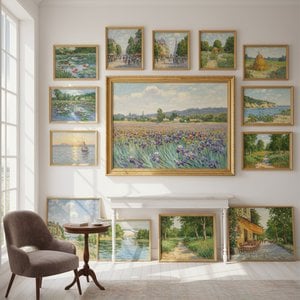
Los 10 Maestros del Paisaje Impresionista: Obras que Cambiaron la Historia del Arte
Descubre los 10 lienzos impresionistas que revolucionaron el arte. Explora la historia de Monet, Van Gogh y Renoir, sus técnicas y colores vibrantes. Encuentra reproducciones de alta calidad para decorar tu hogar en ArtsDot.com

Evocations of Place: A Historical Journey Through Landscape Art
Explore the rich history of landscape art with ArtsDot. Discover renowned artists, movements like Impressionism & Romanticism, and expert guidance for collecting timeless pieces. Find your perfect serene escape today!

Las 25 mejores obras de John Constable: Un viaje al corazón del paisaje inglés
Descubre las 25 obras maestras de John Constable y su alma romántica. Explora la colección completa en ArtsDot.com.