


 Vista previa
 Compartir
 Compartir
 Ver detalles

 Descargar
 Ver similares
 Radiografía
 Presentación de diapositivas
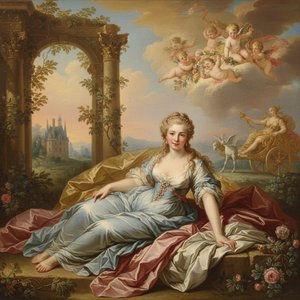
Junon, Iris et Flore


 Leer más
Reproducción al óleo hecha a mano
Óleo sobre lienzo pintado a mano en el tamaño y marco de su elección, realizado por encargo por nuestros artistas. ( Pedir impresión Comprar descarga)




P118B $10

P118H $10

P118W $10

P438Z $10

P508JH $12

P508YH $12

P805H $10

P805Z $10

P919BZ $10

P919G $10

P919XJ $10

P959ZH $10

P968JZ $12

W106C $8

W218G $10

W218JH $8

W218Y $10

W307PJ $10

W316G $10

W316PJ $8

W316Y $10

W398PJ $8

W4111J $10

W500HY $15

W500JH $15

W692G $12

W849H $8

W940BG $15

W953PJ $8




Elija entre nuestros tamaños predefinidos que respetan las proporciones originales de la obra.

Puede ingresar sus propias dimensiones para adaptarse a un marco o espacio específico. Si el tamaño seleccionado no coincide con las proporciones de la imagen original, recortaremos la obra o extenderemos la pintura con elementos adicionales pintados a mano. Se le enviará una maqueta digital para su aprobación antes de comenzar la producción.
Tenga en cuenta que la vista previa en pantalla no refleja el recorte o la extensión reales. Solo la maqueta mostrará con precisión la composición final.
Si bien existen tamaños personalizados, recomendamos seleccionar una dimensión de la lista predefinida para preservar las proporciones originales.
Tras realizar el pedido, el equipo de ArtsDot.com enviará un correo electrónico al cliente para solicitar instrucciones y proporcionarle una vista previa del boceto.
Envío a todo el mundo () en 3-4 semanas en lugar de las 5 semanas estándar. (13 agosto). Sin comprometer la calidad.

Envío exprés gratuito a todo el mundo

Lienzo de lino de alta calidad

Seguro de envío completo

Garantía de reembolso de aranceles aduaneros

Garantía de fidelidad cromática exacta

Política de devolución de 60 días (solo por defectos)

Garantía de devolución del 100% del dinero

Oferta por volumen
 La opción de vidrio solo está disponible en tamaños inferiores a 110 cm.

Junon, Iris et Flore
Técnica de reproducción
Tamaño de la reproducción
-


Precio total
$ 363
Descripción de la obra
A Vision of Divine Harmony: Unveiling François Lemoyne’s Junon, Iris et Flore
François Lemoyne's “Junon, Iris et Flore,” painted in the heart of the Rococo era between 1720 and 1724, isn’t merely a depiction of mythological figures; it’s an immersive experience. This opulent canvas transports the viewer to a realm where classical grandeur intertwines with playful exuberance, reflecting the spirit of Louis XV's France. Lemoyne, deeply influenced by the legacy of Rubens and the Venetian masters, masterfully captures a moment of serene power – Juno, the Roman goddess of marriage and childbirth, presiding over a scene brimming with allegorical significance and breathtaking beauty.
The painting’s core lies in its masterful composition. A pyramidal structure anchors the scene, drawing the eye towards the central figure of Juno, seated regally upon an elaborate gilded chair that seems to float amidst swirling clouds. Surrounding her are a constellation of cherubic figures – Iris, goddess of the rainbow, and Flore, representing flowers – engaged in delightful activities: playing instruments, offering bouquets, and generally radiating an aura of youthful joy. The inclusion of a magnificent peacock, positioned prominently in the lower right corner, adds a touch of regal splendor and symbolizes Juno’s connection to royalty and immortality. Lemoyne's deliberate use of light and shadow creates a sense of depth and drama, highlighting the figures' features and enhancing the painting's overall luminosity.
The Rococo Palette: Color, Line, and Texture in Detail
The color palette is undeniably characteristic of the Rococo style – a symphony of pastel hues that evoke a sense of lightness, elegance, and dreamlike quality. Soft blues, delicate pinks, creamy whites, and shimmering golds dominate the scene, creating an atmosphere of refined beauty. Lemoyne’s skillful use of layering and blending techniques results in smooth transitions between colors, while subtle variations in tone add depth and dimension to the figures and drapery. The artist employs curving lines extensively, mirroring the graceful forms of the human body and the billowing clouds, contributing significantly to the painting's overall sense of fluidity and movement.
Beyond color and line, Lemoyne demonstrates a remarkable command of texture. He utilizes varying brushstrokes to create a diverse range of effects – smooth surfaces for the figures’ skin, textured strokes for the clouds and drapery, and meticulous detailing in the peacock's iridescent plumage. This attention to tactile detail invites the viewer to almost feel the softness of the fabrics and the shimmer of the feathers, further enhancing the painting’s immersive quality.
Symbolism and Historical Context: A Window into 18th-Century France
“Junon, Iris et Flore” is rich in symbolic meaning. Juno represents not only marriage and childbirth but also authority, justice, and protection – qualities highly valued during the period. Iris embodies communication, hope, and divine messengership, while Flore symbolizes fertility, abundance, and the beauty of nature. The peacock itself holds significant mythological associations, representing Juno’s royal status and her connection to immortality. The painting was created during a time of immense artistic innovation in France, as artists sought to revive the grandeur of classical art while embracing the playful spirit of the Rococo style. Lemoyne's work reflects this dynamic interplay between tradition and modernity, showcasing his mastery of both technical skill and allegorical storytelling.
A Legacy of Elegance: Reproduction and Artistic Inspiration
Reproductions of “Junon, Iris et Flore” offer a remarkable opportunity to bring the beauty and sophistication of this iconic masterpiece into your home or office. Whether you’re an art enthusiast, a collector seeking to enrich your collection, or an interior designer aiming to create a space of timeless elegance, this painting provides a stunning focal point. The delicate colors, graceful forms, and rich symbolism will undoubtedly elevate any setting, transporting viewers to a world of divine harmony and artistic splendor. Consider commissioning a hand-painted reproduction – a faithful recreation that captures the essence of Lemoyne’s original work, ensuring its legacy endures for generations to come.
Obras relacionadas


Biografía del artista
François Lemoyne: Una Vida en la Pintura Rococó
- Nacido: París, Francia (1688)
- Fallecido: 1737
François Lemoyne fue un prominente pintor francés del Rococó a principios y mediados del siglo XVIII. Es reconocido por sus grandiosos frescos de techos alegóricos y escenas mitológicas, contribuyendo significativamente al panorama artístico del reinado de Luis XV. Aunque a menudo eclipsado por contemporáneos como Boucher y Watteau, Lemoyne buscó establecerse como el heredero de Charles Le Brun, una figura destacada en la historia del arte francés.
Vida Temprana y Formación
- Aprendizaje: Lemoyne inicialmente estudió bajo Robert le Vrac, su padrastro.
- Académie Royale: Se formó formalmente en la Académie Royale de peinture et de sculpture a partir de 1701, estudiando con Louis Galloche y más tarde recibiendo orientación de Pierre-Jacques Cazes. La influencia de Cazes se nota particularmente en el uso del color por parte de Lemoyne.
- Prix de Rome: En 1711, logró un hito importante al ganar el Prix de Roma, un premio que normalmente otorgaba viajes a Italia para estudiar arte. Sin embargo, las limitaciones financieras le impidieron aprovechar esta oportunidad de inmediato.
Desarrollo Artístico e Influencias
- Influencia Italiana: Su eventual viaje a Italia en 1723/24, acompañando a François Berger, demostró ser crucial. Estudió las obras de Rafael, Correggio y Tiziano, absorbiendo técnicas y estéticas artísticas italianas.
- Impacto de Rubens: Una fuerte influencia en Lemoyne fue la obra de Peter Paul Rubens, evidente particularmente en su uso vibrante del color y composiciones dinámicas.
- Escuela Veneciana: La exposición a la pintura veneciana, especialmente dentro de la colección de Pierre Crozat, moldeó aún más su estilo artístico.
- Estilo Rococó: Si bien influenciado por maestros anteriores, el trabajo de Lemoyne perteneció firmemente al período Rococó, caracterizado por elegancia, ornamentación y un enfoque en la belleza decorativa.
Obras Principales y Logros
- Frescos de Techo: Lemoyne es mejor conocido por sus monumentales frescos de techo, notablemente L'Apothéose d'Hercule (La Apoteosis de Hércules) en el Salon d’Hercule en el Palacio de Versalles. Este trabajo demostró su dominio de las técnicas ilusionistas y fue ampliamente elogiado por contemporáneos como Voltaire y el Cardenal Fleury.
- Pinturas Religiosas: También creó obras religiosas significativas, como La Transfiguración en la cabecera de la Iglesia del Jacobino (ahora Iglesia Parroquial de San Tomás de Aquino) en París.
- Premier Peintre du Roi: En 1736, Lemoyne alcanzó la cúspide de su carrera al ser nombrado Premier peintre du roi (Primer Pintor del Rey) bajo Luis XV.
Significado Histórico y Legado
François Lemoyne jugó un papel vital en la configuración de la pintura francesa del Rococó. Su ambición era revivir la tradición de los grandes frescos alegóricos de techo, que habían caído en desuso. Aunque su carrera se truncó trágicamente por el suicidio en 1737, su trabajo dejó un impacto duradero en las generaciones futuras de artistas.
- Influencia en Estudiantes: Lemoyne sirvió como tutor de artistas destacados como Charles-Joseph Natoire y François Boucher, transmitiendo sus conocimientos artísticos e influyendo en su desarrollo.
- Declive de la Pintura de Techo: Su muerte marcó el fin de una era, coincidiendo con la disminución de la popularidad de las grandes pinturas alegóricas de techo.
- Reconocimiento Actual: Si bien quizás no sea tan ampliamente reconocido como algunos de sus contemporáneos, las contribuciones de Lemoyne al arte francés del Rococó se aprecian cada vez más por su habilidad técnica y ambición artística.

François Lemoyne
1688 - 1737 , Francia
Datos clave
- Artistas Influenciados:
- François Boucher
- Charles-Joseph Natoire
- Artistas Que Influyeron:
- Charles Le Brun
- Rubens
- Fecha De Fallecimiento: 1737
- Fecha De Nacimiento: 1688
- Lugar De Nacimiento: París, Francia
- Movimiento Artístico: Pintura rococó
- Nacionalidad: Francés
- Nombre Completo: François Lemoyne
- Obras Notables:
- Apotéosis de Hércules
- La Transfiguración
Artículos relacionados

La Estética Rococó: Opulencia, Rebelión y Placer en el Arte del Siglo XVIII
Descubre la fascinante estética rococó: su historia, características clave y los artistas más influyentes del siglo XVIII. Un análisis profundo para amantes del arte y coleccionistas.

Rococó: 10 Obras Maestras que Definieron una Época | Arte y Decoración en
Descubre las 10 obras maestras del Rococó que marcaron una época. Explora la elegancia de Fragonard, Boucher y Watteau en . Reproducciones de arte de calidad museo para decorar tu hogar con estilo.
François Boucher: Rococo Master of Myth, Sensuality, and the French Court
Explore the captivating world of François Boucher, master of Rococo painting! Discover his iconic works, aristocratic patronage, and lasting influence on French art history. Learn more at ArtsDot.

The Allure of Elegance in Art: A Historical & Aesthetic Exploration of Refinement & Grace
Explore the exquisite world of Rococo art! Discover its history, masters (Watteau, Boucher & more), and defining elegance. Expert insights for collectors seeking museum-quality reproductions & custom portraits.

Echoes of Olympus: Mythological Narratives in Western Art Through the Ages
Explore the captivating history of mythological narratives in Western art! From ancient Greece to modern masterpieces, discover iconic artworks & symbolism. Expert analysis and high-quality reproductions at ArtsDot.



