


 Vista previa
 Compartir
 Compartir
 Ver detalles
 Guía
Guía

 Descargar
 Ver artículos similares
 Radiografía
 Presentación de diapositivas
 Estadísticas
Annunciation
 Oil On Canvas
- WallArt
- Renaissance
 1497
1497- Renaissance
 176.0 x 170.0 cm
 Duomo
Duomo
 Leer más
Giclée / Impresión de arte
Impresiones giclée o en lienzo de calidad de museo con producción rápida y opciones de acabado flexibles. ( Encargar reproducción pintada a mano Ver versión en imagen digital)




P118B €10

P118H €10

P118W €10

P438Z €10

P508JH €12

P508YH €12

P805H €10

P805Z €10

P919BZ €10

P919G €10

P919XJ €10

P959ZH €10

P968JZ €12

W106C €8

W218G €10

W218JH €8

W218Y €10

W307PJ €10

W316G €10

W316PJ €8

W316Y €10

W398PJ €8

W4111J €10

W500HY €15

W500JH €15

W692G €12

W849H €8

W940BG €15

W953PJ €8




Elija entre nuestros tamaños predefinidos que respetan las proporciones originales de la obra.

Introduzca el ancho y el alto que necesite para adaptarse a su marco o pared. Una impresión solo puede recortarse, nunca hacerse más grande que la imagen original, por lo que un tamaño con una forma distinta perderá parte de la obra. Le enviaremos una maqueta digital para su aprobación antes de realizar cualquier impresión. La imagen que se muestra en esta página no refleja el recorte real; solo la maqueta lo hace.
Envío a todo el mundo () en 2 semanas en lugar de las 4/5 semanas estándar. (24 octubre)

Envío exprés gratuito a todo el mundo

Lienzo de lino de alta calidad

Seguro de envío completo

Garantía de reembolso de impuestos aduaneros

Garantía de fidelidad cromática exacta

Política de devolución de 100 días (solo por defectos)

Garantía de devolución del 100% del dinero

Oferta por volumen
 La opción de vidrio solo está disponible en tamaños inferiores a 110 cm.

Annunciation
Giclée / Impresión de arte
Tamaño de la reproducción
-


Precio total
€ 54
The Sacred Moment: An Exploration of Fra Bartolomeo's Annunciation
To gaze upon this depiction of the Annunciation is to step directly into the luminous heart of the Italian Renaissance. The scene, rendered with exquisite grace by Fra Bartolomeo in 1497, captures that breath-held instant when divine will intersects with human life. It is a moment steeped in profound theological weight, yet portrayed with such palpable tenderness that it feels both monumental and deeply intimate. The composition immediately draws the eye to the two central figures: one kneeling in reverent anticipation, the other standing as the messenger of heavenly grace. Fra Bartolomeo masterfully guides the viewer's gaze through their interaction, creating a visual narrative that speaks volumes without uttering a single word.
Symbolism Woven into Blue Drapery
The symbolism within this panel is rich and multilayered, inviting contemplation from every corner of the canvas. Notice the lily held delicately in one woman's hand; it has long been the quintessential emblem of purity and virginity, anchoring the narrative’s sacred core. The pervasive use of blue in their garments is not merely decorative; historically, deep blues often signified heavenly connection and nobility within Renaissance art. Beyond the figures themselves, the background elements contribute to this symbolic tapestry. Through the open doorway, a glimpse of nature—marked by the visible tree—suggests the world awaiting transformation. Furthermore, the inclusion of objects like the book and the handbag are not incidental details; they serve as visual signifiers of knowledge, readiness, and the transition from one state of being to another.
Mastery of Renaissance Technique
Fra Bartolomeo’s technique showcases a sophisticated understanding of High Renaissance ideals while retaining a personal touch. The handling of light across the figures' drapery is breathtaking; it seems to emanate from an unseen, divine source, giving the scene a soft, ethereal glow. His ability to balance detailed naturalism—visible in the careful rendering of the background architecture and foliage—with idealized, spiritual forms is remarkable. This painting exemplifies the period’s pursuit of perfect harmony between earthly representation and sublime spirituality. The composition feels balanced, yet dynamic, suggesting movement even in stillness.
An Echo for the Modern Collector
For those who appreciate art that speaks to enduring themes of faith, beauty, and divine mystery, this Annunciation offers unparalleled depth. Owning a reproduction of this work is not simply acquiring decoration; it is curating a piece of history and spirituality for your home or studio. The scale, 176 x 170 cm, allows the narrative to unfold grandly, making it a breathtaking focal point in any significant space. It invites quiet contemplation, transforming a room into a sanctuary where one can pause and reflect on moments of profound revelation.
Preguntas y respuestas
¿Qué color predomina en la composición de "Annunciation" de Fra Bartolommeo?
El Black (#141111) es el color predominante de "Annunciation" de Fra Bartolommeo.
¿Qué tono predominante recorre "Annunciation" de Fra Bartolommeo?
El tono dominante de "Annunciation" de Fra Bartolommeo es Golden Yellow Range. El tono es la base cromática de la paleta.
¿Qué representa "Annunciation" de Fra Bartolommeo y qué atmósfera transmite?
"Annunciation" de Fra Bartolommeo combina annunciation, religious scene, madonna and child, lily flower, kneeling figure, renaissance art, christian theme con una atmósfera Ethereal.
Obras relacionadas


Biografía del artista
Vida Temprana y Formación (1472-1499)
- Nacimiento: Baccio della Porta, el 28 de marzo de 1472, en Savignano di Prato, Toscana.
- Apodo: Recibió el apodo de "Baccio della Porta" debido a la proximidad de su casa a la Puerta de San Pier Gattolini.
- Aprendizaje: En 1483 o 1484, comenzó un aprendizaje en el taller de Cosimo Rosselli, un prominente pintor florentino conocido por sus frescos. Esta formación fundamental lo expuso a las técnicas y estilos artísticos del Renacimiento.
- Colaboración con Mariotto Albertinelli: Desde 1490 o 1491, Fra Bartolomeo colaboró estrechamente con Mariotto Albertinelli, otro artista florentino. Su asociación resultó en comisiones compartidas y un intercambio mutuo de ideas artísticas.
Influencia de Savonarola y Conversión Religiosa (1498-1503)
- Influencia Savaronolana: A finales de la década de 1490, Fra Bartolomeo fue profundamente influenciado por los sermones y las enseñanzas de Fra Girolamo Savonarola. La denuncia de Savonarola de lo que consideraba un arte contemporáneo vano y corrupto impactó significativamente la perspectiva artística de Bartolomeo.
- Retrato de Savonarola: Una obra clave de este período es su famoso retrato de Savonarola (1498), ahora alojado en el Museo Nazionale di San Marco, Florencia. Esta pintura sigue siendo una representación visual significativa del reformador.
- Fraile Dominico: En 1500, profundamente afectado por las enseñanzas de Savonarola, Bartolomeo renunció a la pintura y se convirtió en fraile dominico en el Convento de San Marco. Permaneció en este estado durante varios años, dedicándose a la vida religiosa.
Retorno a la Pintura y Estilo del Alto Renacimiento (1504-1517)
- Reanudación de la Pintura: En 1504, a petición de sus superiores, Fra Bartolomeo retomó la pintura, convirtiéndose en jefe del taller del monasterio.
- Visión de San Bernardo: Una obra clave de este período es la "Visión de San Bernardo" (1507), que ejemplifica su estilo idealizado del Alto Renacimiento en desarrollo. Esta pieza, aunque ahora se encuentra en malas condiciones, fue muy influyente e impresionó reportedly a un joven Rafael.
- Amistad con Rafael: Bartolomeo formó una estrecha amistad con Rafael durante la visita del artista a Florencia. Se influenciaron mutuamente; Bartolomeo aprendió perspectiva de Rafael, mientras que él impartió habilidades en el coloreado y el drapeado al artista más joven.
- Desarrollo del Estilo: Su estilo evolucionó, incorporando elementos de la luz y sus efectos sobre las formas, probablemente inspirado por la influencia de Rafael. Se le conoce por sus figuras pequeñas, elegantemente vestidas, y su hábil uso de la luz y la sombra.
Obras Principales y Contribuciones Artísticas
- Retablos: Fra Bartolomeo produjo numerosos retablos a lo largo de su carrera, incluyendo obras encargadas en Venecia (Santa María Magdalena y Santa Catalina de Siena), Lucca (Madonna y Niño con Santos) y Besançon (retablo para la catedral).
- Frescos: Creó frescos para varios lugares, incluido el convento dominico de Pian di Mugnone cerca de Fiesole.
- Primeros Bocetos de Paisaje: Fra Bartolomeo es reconocido como un pionero en el arte del paisaje, produciendo algunos de los primeros bocetos de paisajes puros de Italia. Estos dibujos demuestran un interés temprano en capturar el paisaje natural.
- Fresco Noli Me Tangere: Su obra final fue un fresco de "Noli Me Tangere" (No me toques) también en Pian di Mugnone.
Legado y Significado Histórico
- Influencia sobre Rafael: La influencia de Fra Bartolomeo sobre Rafael es innegable, contribuyendo al desarrollo del arte del Alto Renacimiento.
- Pionero en el Arte del Paisaje: Sus bocetos de paisajes se consideran innovadores para su época, anticipando desarrollos posteriores en la pintura de paisajes.
- Devoción Religiosa y Expresión Artística: Combinó de manera única una profunda devoción religiosa con habilidad artística, creando obras que sirvieron tanto a propósitos espirituales como estéticos.
- Transición del Primer al Alto Renacimiento: La carrera de Fra Bartolomeo representa una transición del estilo florentino anterior hacia las formas idealizadas y las composiciones equilibradas del Alto Renacimiento.
- Muerte: Murió en Florencia el 31 de octubre de 1517.

Fra Bartolommeo
1472 - 1517 , Italia
Datos clave
- Artistas Influyentes:
- Cosimo Rosselli
- Raphael
- Fecha De Fallecimiento: 31 de octubre de 1517
- Fecha De Nacimiento: 28 de marzo de 1472
- Influenciado A Artistas: ['Raphael']
- Lugar De Nacimiento: Prato, Italia
- Movimiento Artístico: Alto Renacimiento
- Nacionalidad: Italiana
- Nombre Completo: Fra Bartolommeo
- Obras Notables:
- Visión de San Bernardo
- Retrato de Savonarola
Artículos relacionados

Fra Angelico: Las 25 Obras Maestras del Renacimiento para Decorar con Arte y Fe
Descubre las 25 obras maestras de Fra Angelico, el pintor renacentista que llenó el arte sacro de luz y fe. Explora su técnica, simbolismo y belleza en frescos e iconos. Encuentra reproducciones de alta calidad para decorar tu hogar con ArtsDot.com.

Giclée Prints: Archival Quality & Aesthetic Nuances for the Discerning Collector
Explore the world of giclée prints with ArtsDot. Learn about archival quality, aesthetic nuances & investment potential. Expert guidance for discerning art collectors seeking museum-quality reproductions and lasting value.

The Enduring Legacy of Fine Art Prints: Technique, History & Aesthetic Impact
Explore the rich history & techniques of fine art prints. Discover investment potential, assess authenticity, and learn how to preserve your collection with expert guidance. Trusted insights for discerning collectors.
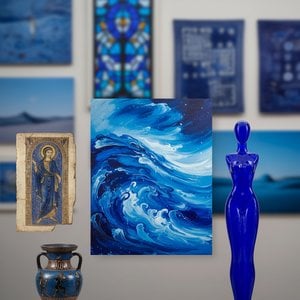
The Allure of Azure: Exploring the Symbolic & Aesthetic Depths of Blue in Art History
Explore the rich history of blue in art! Discover its symbolism, from ancient pigments to modern masterpieces by Kandinsky & Seurat. Uncover the psychological impact and cultural meanings behind this captivating hue.

Las 10 Obras Maestras del Azul Pizarra: Arte, Historia y Decoración
Descubre las 10 pinturas más famosas dominadas por el azul pizarra. Explora la historia, técnica y belleza de Monet, Van Gogh y otros maestros. Encuentra reproducciones de arte exclusivas para decorar tu hogar en .


