

 Vista previa
 Compartir
 Compartir
 Ver detalles

 Descargar
 Ver similares
 Radiografía
 Presentación de diapositivas
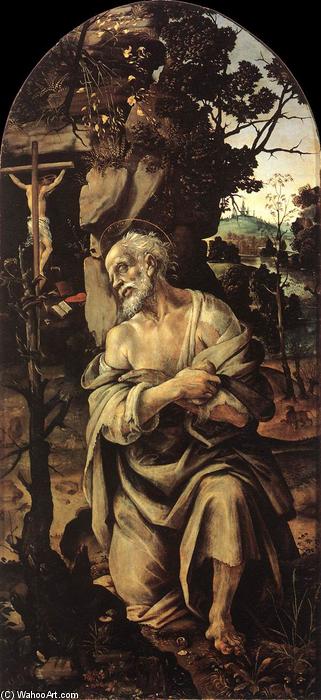
St Jerome
 Oil On Canvas
- WallArt
- Renaissance Art
 1490
1490 136.0 x 71.0 cm
 Galería de los Uffizi
 Leer más
Giclée / Impresión de arte
Impresiones giclée o en lienzo de calidad de museo con producción rápida y opciones de acabado flexibles. ( Cambiar a pintura hecha a mano Cambiar a imagen)




































Elija entre nuestros tamaños predefinidos que respetan las proporciones originales de la obra.

Puede introducir sus propias dimensiones para adaptarse a un marco o espacio específico. Si el tamaño seleccionado no coincide con las proporciones de la imagen original, recortaremos la obra de arte o extenderemos la imagen con un borde con efecto espejo o de color sólido. Se enviará una maqueta digital para su aprobación antes de que comience la producción.
Tenga en cuenta que la vista previa en pantalla no refleja el recorte o la extensión real. Solo la maqueta mostrará con precisión la composición final.
Aunque existen tamaños personalizados, recomendamos seleccionar una dimensión de la lista predefinida para preservar las proporciones originales.
Envío a todo el mundo () en 2 semanas en lugar de las 4/5 semanas estándar. (6 agosto)

Envío exprés gratuito a todo el mundo

Lienzo de lino de alta calidad

Seguro de envío completo

Garantía de reembolso de aranceles aduaneros

Garantía de fidelidad cromática exacta

Política de devolución de 60 días (solo por defectos)

Garantía de devolución del 100% del dinero

Oferta por volumen
 La opción de vidrio solo está disponible en tamaños inferiores a 110 cm.

St Jerome
Giclée / Impresión de arte
Tamaño de la reproducción
-


Precio total
$ 62
Descripción de la pieza
A Moment of Contemplation: Exploring Filippino Lippi’s St Jerome
The painting “St Jerome” by Filippino Lippi stands as a testament to the artistic fervor of the High Renaissance, capturing not merely an image but an essence—a profound stillness born from deep reflection. Executed in 1490, this oil on canvas masterpiece resides within the Galleria degli Uffizi in Florence, Italy, offering visitors a glimpse into a pivotal period of artistic innovation and spiritual contemplation. Lippi’s meticulous attention to detail elevates the scene beyond mere representation, transforming it into an immersive experience for the viewer.The Artist's Vision: Filippino Lippi and His Renaissance Style
Filippino Lippi (1457-1504), born illegitimate son of Fra Filippo Lippi—a celebrated painter himself—received his formative artistic training under his father’s tutelage. This early influence instilled in him a dedication to realism and expressive artistry, characteristics that would define his oeuvre throughout his career. Unlike many artists of the time who prioritized idealized beauty, Lippi sought to portray figures with palpable humanity, capturing subtle nuances of emotion and gesture. His style aligns perfectly with the broader Renaissance movement’s embrace of classical ideals blended with humanist observation—a harmonious synthesis evident in every brushstroke. He was particularly renowned for his frescoes depicting biblical narratives, demonstrating a masterful command of perspective and color palettes that aimed to evoke profound spiritual resonance.A Study Illuminated: Composition and Technique
The painting depicts St Jerome seated on a rock or wall, bathed in diffused natural light—a deliberate choice by Lippi that underscores the saint’s inner solitude. His posture exudes calm deliberation; he leans forward slightly, hand raised to his forehead as if absorbed in prayer or reading scripture. The landscape surrounding him—characterized by mature trees and foliage—provides a tranquil backdrop, reinforcing the atmosphere of contemplative piety. Lippi skillfully employed oil paint on canvas, utilizing layering techniques to achieve remarkable depth and luminosity. Careful blending creates soft gradations of color, enhancing the sense of realism and conveying the subtle nuances of light and shadow. The inclusion of a small lion figure in the upper left corner is laden with symbolic significance—a reference to legend recounting St Jerome’s triumph over wild beasts through divine intervention. This emblem speaks to themes of faith overcoming adversity and embodies the saint's unwavering devotion.Historical Context: Florence Under Lorenzo de' Medici
“St Jerome” was created during the reign of Lorenzo de' Medici, known as “Il Magnifico,” who presided over a golden age of Florentine culture and artistic patronage. The villa where Lippi executed these frescoes served as a focal point for humanist intellectual discourse and artistic experimentation—a microcosm of Renaissance ideals. Artists like Lippi actively engaged with classical scholarship and sought to emulate the grandeur and beauty of ancient art forms, resulting in works that celebrated human potential and spiritual aspiration. The Galleria degli Uffizi itself stands as a monument to this legacy, housing an unparalleled collection of masterpieces from across Europe.Emotional Resonance: Capturing Inner Sanctity
Ultimately, Filippino Lippi’s “St Jerome” transcends mere visual representation; it communicates a profound emotional depth. The painting's subdued color palette—dominated by earthy tones—mirrors the saint’s contemplative mood, inviting viewers to contemplate themes of humility and spiritual fortitude. More than just depicting a biblical figure, Lippi captures an intangible quality—the stillness of contemplation itself—a reminder that true beauty resides not only in outward appearance but also in inner serenity. It remains a powerful testament to the enduring legacy of Renaissance art and its ability to inspire awe and reverence.Obras relacionadas


Biografía del artista
Primeros años y formación
- Nacimiento: Abril de 1457, Prato, Italia
- Fallecimiento: Abril de 1504
- Padres: Fra Filippo Lippi (pintor) y Lucrezia Buti
- Filippino fue el hijo ilegítimo de un renombrado pintor.
- La formación temprana bajo su padre sentó las bases para su carrera artística.
Carrera Artística y Desarrollo
- Período Temprano (1475-1480): Obras iniciales, como las Madonnas, mostraron un estilo menos refinado. Estas fueron inicialmente atribuidas a un artista anónimo conocido como "amico di Sandro".
- Evolución (1480-1485): Desarrollo de un enfoque más personal y efectivo en obras como los Viajes de Tobías.
- Madurez (1485-1504): Dominio del estilo del Alto Renacimiento, ejemplificado por la Aparición de Cristo a la Virgen.
Obras Principales y Colaboraciones
- Colaboración con Perugino, Ghirlandaio y Botticelli en los frescos de la villa de Lorenzo de' Medici.
- Completó la decoración inacabada de Masaccio en la Capilla Brancacci junto a Masolino.
- Obras notables incluyen: La Coronación de la Virgen, Tobías y el Ángel, San Jerónimo y una Escena de la Vida de San Tomás de Aquino.
Influencias y Estilo Artístico
- Influencias Tempranas: Sandro Botticelli, Fra Filippo Lippi.
- Características del Estilo: Forma y línea animadas, cromatismo cálido, paisajes detallados, figuras expresivas y una mezcla de geometría de perspectiva con interiores íntimos.
- Antigüedades Romanas: Estudios tras antigüedades romanas durante su tiempo en Roma influyeron en su obra, incorporando un vocabulario antiguo a su arte.
Significado Histórico y Legado
- Un exponente florentino líder de la tradición de los grandes ciclos de frescos.
- Su influencia en el Alto Renacimiento es innegable.
- Obras se encuentran en museos de todo el mundo, incluyendo la Galería Uffizi en Florencia.
- Conocido por tender un puente entre estilos del Renacimiento temprano y la estética emergente del Alto Renacimiento.

Filippino Lippi
1457 - 1504 , Italia
Datos clave
- Artistas Influenciados: ['Raffaellino del Garbo']
- Artistas Que Influyeron:
- Fra Filippo Lippi
- Sandro Botticelli
- Fecha De Muerte: Abril 1504
- Fecha De Nacimiento: Abril 1457
- Lugar De Nacimiento: Prato, Italia
- Movimiento Artístico: Alto Renacimiento
- Nacionalidad: Italiana
- Nombre Completo: Filippino Lippi
- Obras Notables:
- Coronación de la Virgen
- Viajes de Tobías
- San Jerónimo
- Vida de San Tomás Aquino
Artículos relacionados
Botticelli: Las 25 Obras Maestras del Renacimiento para Decorar con Arte y Elegancia
Descubre las 25 obras maestras de Sandro Botticelli, el genio del Renacimiento italiano. Explora 'El Nacimiento de Venus', 'Primavera' y más: historia, técnica y belleza clásica. Encuentra reproducciones de arte exclusivas en ArtsDot.com.
Los 25 Tesoros de la Alte Pinakothek: Arte Renacentista y Barroco en Munich
Descubre los 25 tesoros de la Alte Pinakothek en Munich. Explora obras maestras de Dürer, Rembrandt y Rubens. Historia del arte renacentista y barroco para inspirar tu hogar. Reproducciones de alta calidad en ArtsDot.com.

El Greco: Las 25 Obras Maestras que Definen un Genio del Arte y la Fe
Descubre las 25 obras maestras de El Greco, el genio del Renacimiento español. Explora su arte religioso, manierismo y la historia detrás de cuadros icónicos como 'El Entierro del Conde de Orgaz'. Encuentra reproducciones de alta calidad en ArtsDot.com.

Los 10 Maestros del Renacimiento Temprano: Arte que Transformó el Mundo |
Descubre los 10 maestros del Renacimiento Temprano: Botticelli, Leonardo da Vinci y más. Explora la historia, técnica y belleza de obras icónicas italianas. Reproducciones de arte exclusivas en .

Las 25 Obras Maestras del MET: Arte, Historia y Decoración para tu Hogar
Descubre las 25 obras maestras del MET de Nueva York: Van Gogh, Monet, Rembrandt y más. Explora la historia, el arte y los colores que inspiran tu hogar. Reproducciones de museo en ArtsDot.com.



