


 Ver en contexto
 Enviar
 Compartir
 Detalles

 Descargar
 Similares
 Radiografía
 Presentación de diapositivas
 Estadísticas
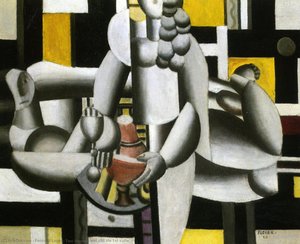
Still Life4


 Ver más
Giclée / Impresión de arte
Impresiones giclée o en lienzo de calidad de museo con producción rápida y opciones de acabado flexibles. ( Comprar pintura hecha a mano Cambiar a imagen digital)




P118B $10

P118H $10

P118W $10

P438Z $10

P508JH $12

P508YH $12

P805H $10

P805Z $10

P919BZ $10

P919G $10

P919XJ $10

P959ZH $10

P968JZ $12

W106C $8

W218G $10

W218JH $8

W218Y $10

W307PJ $10

W316G $10

W316PJ $8

W316Y $10

W398PJ $8

W4111J $10

W500HY $15

W500JH $15

W692G $12

W849H $8

W940BG $15

W953PJ $8




Elija entre nuestros tamaños predefinidos que respetan las proporciones originales de la obra.

Puede introducir sus propias dimensiones para adaptarse a un marco o espacio específico. Si el tamaño seleccionado no coincide con las proporciones de la imagen original, recortaremos la obra de arte o extenderemos la imagen con un borde con efecto espejo o de color sólido. Se enviará una maqueta digital para su aprobación antes de que comience la producción.
Tenga en cuenta que la vista previa en pantalla no refleja el recorte o la extensión real. Solo la maqueta mostrará con precisión la composición final.
Aunque existen tamaños personalizados, recomendamos seleccionar una dimensión de la lista predefinida para preservar las proporciones originales.
Envío a todo el mundo () en 2 semanas en lugar de las 4/5 semanas estándar. (10 septiembre)

Envío exprés gratuito a todo el mundo

Lienzo de lino de alta calidad

Seguro de envío total

Garantía de reembolso de impuestos aduaneros

Garantía de fidelidad cromática exacta

Política de devolución de 100 días (solo por defectos)

Garantía de devolución del 100% del dinero

Descuento por cantidad
 La opción de vidrio solo está disponible en tamaños inferiores a 110 cm.

Still Life4
Giclée / Impresión de arte
Dimensiones de la reproducción
-


Precio total final
$ 62
A Symphony of Form and Industry: Exploring Fernand Léger’s Still Life4
Fernand Léger's Still Life4 offers a captivating glimpse into the artist’s revolutionary approach to depicting the modern world – a world increasingly defined by industry, mechanics, and the burgeoning influence of urban life. This meticulously rendered composition transcends the traditional still-life genre, becoming instead a powerful statement about the integration of these new forms into artistic expression. Léger, born Joseph Fernand Henri Léger in 1881 in Argentan, Normandy, was profoundly shaped by his rural upbringing, an experience that would later inform his unique vision when he moved to Paris around 1900. Unlike many artists of his time who sought refuge in pure abstraction, Léger embraced a deliberately structured abstraction, one that actively engaged with the dynamism and geometric precision of the machine age.
- Subject Matter: The painting presents a carefully arranged still life – a wooden table as its central anchor, supporting a vase brimming with verdant plants, an assortment of cups and bowls, and a thoughtfully placed book. These objects are not merely decorative; they are imbued with symbolic weight, representing the domestic sphere, intellectual pursuits, and the burgeoning influence of technology within the home.
- Style & Technique: Léger’s signature style is immediately recognizable in Still Life4. He employs a bold, geometric vocabulary, breaking down forms into their essential shapes – cylinders, spheres, and planes – echoing the construction of machinery. The application of paint is deliberately rough and textured, creating a palpable sense of physicality and emphasizing the materiality of the objects themselves. This technique, often described as “tubism,” reflects Léger’s fascination with the visual language of industrial design.
The Rise of Tubism: A Reaction to Impressionism
Léger's artistic journey was inextricably linked to the broader intellectual and cultural currents of his time. Emerging in the early 20th century, he was part of a movement that challenged the conventions of traditional art – particularly those of Impressionism. The influence of Cubism is evident, but Léger pushed beyond mere fragmentation, seeking to *construct* new forms based on observed reality, specifically the shapes found in machines and urban landscapes. This approach, known as Tubism (named after his studio, “Les Tubes”), aimed to capture not just the appearance of objects but their underlying structure and movement. The deliberate use of repetition and geometric patterns reflects Léger’s belief that these were the fundamental elements of modern life.
- Historical Context: Still Life4 was created during a period of immense social and technological change. The rapid industrialization of Europe, coupled with advancements in transportation and communication, profoundly altered people's lives and perceptions of the world. Léger’s art can be seen as a response to this transformation, attempting to articulate the experience of modernity through a distinctly visual language.
- Color Palette: The painting features a restrained yet impactful color palette dominated by earthy tones – browns, greens, and ochres – punctuated by brighter accents that draw attention to key elements within the composition. This deliberate use of color enhances the sense of depth and volume, further emphasizing the geometric forms.
Symbolism and Emotional Resonance
Beyond its formal qualities, Still Life4 possesses a subtle emotional resonance. The carefully arranged objects evoke a feeling of quiet contemplation – a space for rest and reflection amidst the relentless pace of modern life. The open book suggests intellectual curiosity and the pursuit of knowledge, while the plants introduce an element of natural beauty and tranquility. Léger’s deliberate use of texture and form creates a sense of tactile engagement, inviting the viewer to connect with the objects on a visceral level. This piece is not simply a representation of still life; it's a meditation on the relationship between humanity and technology, domesticity and industry.
A Timeless Masterpiece – Perfect for Your Space
ArtsDot.com offers meticulously crafted hand-painted reproductions of Fernand Léger’s Still Life4, allowing you to bring this iconic artwork into your home or office. Each reproduction is created using the highest quality materials and techniques, ensuring exceptional detail and color accuracy. Whether you are an art collector, interior designer, or simply someone who appreciates beautiful art, a ArtsDot.com reproduction of Still Life4 will be a stunning addition to any space.
Obras relacionadas




Biografía del artista
vida temprana y formación
fernand léger, un pintor, escultor y cineasta francés, nació el 4 de febrero de 1881 en Argentán, Orne, Baja Normandía. Su padre criaba ganado, y Léger inicialmente se formó como arquitecto de 1897 a 1899. Luego se mudó a París en 1900, ganándose la vida como dibujante arquitectónico.desarrollo artístico
El trabajo temprano de Léger estuvo influenciado por el impresionismo, como se ve en le jardin de ma mère (mi madre's garden) (1905). Después de asistir a la escuela de artes decorativas y la academia Julian, comenzó a trabajar seriamente como pintor a los 25 años. Su estilo evolucionó hacia una forma personal del cubismo, que los críticos denominaron "tubismo" por su énfasis en las formas cilíndricas.cubismo y el grupo puteaux
En 1910, Léger expuso en el salón de otoño junto a jean metzinger y henri le fauconnier. Se unió al grupo puteaux, también conocido como la sección dorada (la sección de oro), junto con otros artistas como francis picabia y marcel duchamp.guerra y su influencia en el trabajo de léger
Las experiencias de Léger en la Primera Guerra Mundial impactaron significativamente su obra. Durante su tiempo en el frente, produjo dibujos de piezas de artillería, aviones y soldados compañeros. Su pintura soldier with a pipe (1916) refleja este período.obra posterior y legado
La obra posterior de Léger, caracterizada por formas mecánicas y elegantes, lo vinculó a la tradición de la pintura figurativa francesa. Sus paisajes animados de 1921 mostraron figuras y animales en formas armoniosas y aerodinámicas.- ver obras de fernand léger en ArtsDot
- más sobre fernand léger en wikipedia
- descubra el musée national fernand léger (francia) con ArtsDot
- la mujer sentada (100 x 81 cm, tubismo)
- elemento de máquina (cubismo)

Fernand Léger
1881 - 1955 , Francia
Datos clave
- Artistas Influenciados Por: ['Pop Art']
- Artistas Que Influyeron:
- Cézanne
- Impresionismo
- Fecha De Nacimiento: 4 de febrero de 1881
- Lugar De Nacimiento: Argentan, Francia
- Movimiento Artístico:
- Cubismo
- Tubismo
- Nacionalidad: Francés
- Nombre Completo: Fernand Léger
- Obras Notables:
- La Mujer Sentada
- Elemento de Máquina
- El Gran Desfile
- Paisajes Animados
Artículos relacionados

Giclée Prints: Archival Quality & Aesthetic Nuances for the Discerning Collector
Explore the world of giclée prints with ArtsDot. Learn about archival quality, aesthetic nuances & investment potential. Expert guidance for discerning art collectors seeking museum-quality reproductions and lasting value.

Fernand Léger: Las 25 Obras Maestras del Tubismo y la Vanguardia Francesa | ArtsDot
Descubre las 25 obras maestras de Fernand Léger, pionero del tubismo y la vanguardia francesa. Explora su estética industrial, composiciones geométricas y vibrantes colores. Reproducciones de arte exclusivas en ArtsDot.com.

Modern Shapes, Timeless Style: A Newlywed’s Guide to Transforming Your First Home with Geometric Art
Transform your first home with the striking elegance of geometric art. From bold multi-panel sets to bespoke hand-painted commissions, ArtsDot.com helps newlyweds curate a space filled with modern sophistication and timeless style. Discover your perfect piece today.

Echoes of Time: Exploring the Enduring Appeal & Historical Context of Vintage Art Prints
Explore the captivating world of vintage art prints! Discover their history, collecting tips & enduring appeal. Expert insights on chromolithography and building a legacy collection with ArtsDot.
Transforming Spaces: A Comprehensive Exploration of Wall Decor Through Art History & Contemporary Practice
Explore the art of transforming spaces with our comprehensive guide to wall decor. From historical movements to contemporary trends, discover how to curate impactful interiors and commission bespoke artwork for a truly personalized aesthetic.


