


 Vista previa
 Compartir
 Compartir
 Ver detalles

 Descargar
 Ver similares
 Radiografía
 Presentación de diapositivas
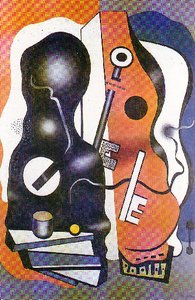
Still Life with key


 Leer más
Giclée / Impresión de arte
Impresiones giclée o en lienzo de calidad de museo con producción rápida y opciones de acabado flexibles. ( Encargar reproducción pintada a mano Comprar descarga)




P118B $10

P118H $10

P118W $10

P438Z $10

P508JH $12

P508YH $12

P805H $10

P805Z $10

P919BZ $10

P919G $10

P919XJ $10

P959ZH $10

P968JZ $12

W106C $8

W218G $10

W218JH $8

W218Y $10

W307PJ $10

W316G $10

W316PJ $8

W316Y $10

W398PJ $8

W4111J $10

W500HY $15

W500JH $15

W692G $12

W849H $8

W940BG $15

W953PJ $8




Elija entre nuestros tamaños predefinidos que respetan las proporciones originales de la obra.

Puede introducir sus propias dimensiones para adaptarse a un marco o espacio específico. Si el tamaño seleccionado no coincide con las proporciones de la imagen original, recortaremos la obra de arte o extenderemos la imagen con un borde con efecto espejo o de color sólido. Se enviará una maqueta digital para su aprobación antes de que comience la producción.
Tenga en cuenta que la vista previa en pantalla no refleja el recorte o la extensión real. Solo la maqueta mostrará con precisión la composición final.
Aunque existen tamaños personalizados, recomendamos seleccionar una dimensión de la lista predefinida para preservar las proporciones originales.
Envío a todo el mundo () en 2 semanas en lugar de las 4/5 semanas estándar. (15 agosto)

Envío exprés gratuito a todo el mundo

Lienzo de lino de alta calidad

Seguro de envío completo

Garantía de reembolso de aranceles aduaneros

Garantía de fidelidad cromática exacta

Política de devolución de 60 días (solo por defectos)

Garantía de devolución del 100% del dinero

Oferta por volumen
 La opción de vidrio solo está disponible en tamaños inferiores a 110 cm.

Still Life with key
Giclée / Impresión de arte
Tamaño de la reproducción
-


Precio total
$ 62
Descripción de la pieza
A Symphony of Steel and Soul: Exploring Fernand Léger’s Still Life with Key
Fernand Léger's Still Life with Key is more than just a depiction of musical instruments; it’s a profound meditation on the burgeoning relationship between humanity and machinery, rendered in his signature “Tubism” style. Painted by this pivotal figure of the early 20th century, the artwork captures a moment of quiet contemplation amidst a carefully orchestrated tableau of objects – a violin, cello, piano, books, and a bowl – each imbued with a sense of deliberate arrangement that speaks to Léger’s fascination with geometric forms and industrial aesthetics. The painting's power lies not just in its subject matter but in the way Léger translates observed reality into an intensely abstract language, anticipating the radical shifts occurring within the art world at the time.
The Genesis of Tubism
Created between 1920 and 1930, Still Life with Key firmly establishes Léger’s groundbreaking approach known as “Tubism.” Emerging from his earlier work, particularly the "Dynamic Cubes," Tubism sought to represent objects not as single, unified forms but as a series of interlocking geometric volumes – cylinders, cones, and cubes – reflecting the fragmented perspectives offered by modern urban life and the mechanized world. Léger was deeply influenced by the industrial landscape of Paris, witnessing firsthand the rise of factories, trains, and other machines that were reshaping society. This fascination is vividly expressed in the painting’s fractured representation of the instruments, suggesting their construction as a complex assembly of parts rather than a seamless whole.
Symbolism Within the Geometry
Beyond its purely formal concerns, Still Life with Key carries significant symbolic weight. The musical instruments themselves – violin, cello, and piano – represent the enduring power of human creativity and expression in an increasingly mechanized world. Their placement within the composition is deliberate, creating a visual dialogue between organic forms (the instruments) and geometric ones (Léger’s fragmented representation). The books scattered throughout the scene could symbolize knowledge, tradition, or perhaps a yearning for stability amidst the rapid changes brought about by industrialization. Even the key, subtly integrated into the artwork, hints at unlocking new possibilities, accessing hidden structures, or controlling the forces of modernity.
Technique and Emotional Impact
Léger’s technique is characterized by bold brushstrokes, a vibrant palette dominated by blues, greens, and ochres, and a meticulous attention to detail within his abstracted forms. He employed a layering technique, building up the composition through multiple applications of paint, creating a textured surface that adds depth and dynamism to the work. The overall effect is one of controlled chaos – a visual representation of the energy and movement inherent in the machine age. Still Life with Key evokes a sense of both fascination and unease, inviting viewers to contemplate the complex relationship between humanity and technology, a theme that remains remarkably relevant today. This reproduction offers an exceptional opportunity to experience Léger’s revolutionary vision firsthand.
Obras relacionadas




Biografía del artista
vida temprana y formación
fernand léger, un pintor, escultor y cineasta francés, nació el 4 de febrero de 1881 en Argentán, Orne, Baja Normandía. Su padre criaba ganado, y Léger inicialmente se formó como arquitecto de 1897 a 1899. Luego se mudó a París en 1900, ganándose la vida como dibujante arquitectónico.desarrollo artístico
El trabajo temprano de Léger estuvo influenciado por el impresionismo, como se ve en le jardin de ma mère (mi madre's garden) (1905). Después de asistir a la escuela de artes decorativas y la academia Julian, comenzó a trabajar seriamente como pintor a los 25 años. Su estilo evolucionó hacia una forma personal del cubismo, que los críticos denominaron "tubismo" por su énfasis en las formas cilíndricas.cubismo y el grupo puteaux
En 1910, Léger expuso en el salón de otoño junto a jean metzinger y henri le fauconnier. Se unió al grupo puteaux, también conocido como la sección dorada (la sección de oro), junto con otros artistas como francis picabia y marcel duchamp.guerra y su influencia en el trabajo de léger
Las experiencias de Léger en la Primera Guerra Mundial impactaron significativamente su obra. Durante su tiempo en el frente, produjo dibujos de piezas de artillería, aviones y soldados compañeros. Su pintura soldier with a pipe (1916) refleja este período.obra posterior y legado
La obra posterior de Léger, caracterizada por formas mecánicas y elegantes, lo vinculó a la tradición de la pintura figurativa francesa. Sus paisajes animados de 1921 mostraron figuras y animales en formas armoniosas y aerodinámicas.- ver obras de fernand léger en ArtsDot
- más sobre fernand léger en wikipedia
- descubra el musée national fernand léger (francia) con ArtsDot
- la mujer sentada (100 x 81 cm, tubismo)
- elemento de máquina (cubismo)

Fernand Léger
1881 - 1955 , Francia
Datos clave
- Artistas Influenciados Por: ['Pop Art']
- Artistas Que Influyeron:
- Cézanne
- Impresionismo
- Fecha De Nacimiento: 4 de febrero de 1881
- Lugar De Nacimiento: Argentan, Francia
- Movimiento Artístico:
- Cubismo
- Tubismo
- Nacionalidad: Francés
- Nombre Completo: Fernand Léger
- Obras Notables:
- La Mujer Sentada
- Elemento de Máquina
- El Gran Desfile
- Paisajes Animados
Artículos relacionados

Fernand Léger: Las 25 Obras Maestras del Tubismo y la Vanguardia Francesa | ArtsDot
Descubre las 25 obras maestras de Fernand Léger, pionero del tubismo y la vanguardia francesa. Explora su estética industrial, composiciones geométricas y vibrantes colores. Reproducciones de arte exclusivas en ArtsDot.com.

Abstracción Geométrica: 10 Obras Maestras que Transformaron el Arte Moderno | ArtsDot
Descubre las 10 obras maestras de la abstracción geométrica que revolucionaron el arte moderno. Explora a Mondrian, Malevich y Kandinsky en ArtsDot.com. Reproducciones de alta calidad para tu hogar.

Expresionismo Abstracto: 10 Obras Maestras que Transformaron el Arte |
Descubre las 10 obras maestras del Expresionismo Abstracto: Pollock, Rothko y más. Explora la historia, técnica y significado de estos lienzos icónicos. Reproducciones de arte exclusivas en .

Kandinsky: Las 25 Obras Maestras del Pionero de la Abstracción | ArtsDot
Descubre las 25 obras maestras de Wassily Kandinsky, pionero del arte abstracto. Explora su expresionismo, composiciones únicas y la historia detrás de cada cuadro. Reproducciones de alta calidad para decorar tu hogar con arte moderno en ArtsDot.com.

Giclée Prints: Archival Quality & Aesthetic Nuances for the Discerning Collector
Explore the world of giclée prints with ArtsDot. Learn about archival quality, aesthetic nuances & investment potential. Expert guidance for discerning art collectors seeking museum-quality reproductions and lasting value.



