


La imagen se ajusta a sus preferencias: , .
Descripción del objeto
Explore Fernand Léger’s striking geometric abstraction in ‘Composition,’ capturing the energy of the machine age through vibrant circles and squares alongside recognizable objects like a clock and bowl – an unforgettable piece from 1919.
 Ver más
Biografía del artista
Pionero del tubismo, Fernand Léger capturó la era de las máquinas. Explora sus audaces y rítmicas pinturas hoy mismo.
Pida su en cuatro sencillos pasos
Tómese su tiempo. Puede cambiar cualquier respuesta; el precio en su carrito de compra se actualizará según cada elección.
1 Paso uno de cuatro
On which medium should it be printed?
Canvas is printed with giclée inks and can be stretched or framed like a painting; paper comes flat, or framed behind glass.
2 Paso dos de cuatro
¿Qué tamaño desea?
Estos tamaños mantienen las proporciones de la pintura original. El dibujo muestra su elección en una pared, sobre un sofá de dos metros.
O introduce tus propias medidas
Elija entre nuestros tamaños predefinidos que respetan las proporciones originales de la obra.

Introduzca el ancho y el alto que necesite para adaptarse a su marco o pared. Una impresión solo puede recortarse, nunca hacerse más grande que la imagen original, por lo que un tamaño con una forma distinta perderá parte de la obra. Le enviaremos una maqueta digital para su aprobación antes de realizar cualquier impresión. La imagen que se muestra en esta página no refleja el recorte real; solo la maqueta lo hace.
3 Paso tres de cuatro
¿Cómo desea recibirlo: enrollado, estirado o enmarcado?
Los precios que aparecen a continuación corresponden al tamaño seleccionado en el primer paso.
Elige el acabado de los bordes del lienzo
Elige tu marco

Blanco €1

Bordes difuminados €1

Continuación de imagen €1

P118B €10

P118H €10

P118W €10

P438Z €10

P508JH €12

P508YH €12

P805H €10

P805Z €10

P919BZ €10

P919G €10

P919XJ €10

P959ZH €10

P968JZ €12

W106C €8

W218G €10

W218JH €8

W218Y €10

W307PJ €10

W316G €10

W316PJ €8

W316Y €10

W398PJ €8

W4111J €10

W500HY €15

W500JH €15

W692G €12

W849H €8

W940BG €15

W953PJ €8

H24-GOLD €30

H24-SILVER €30

H36-GOLD €45

H36-SILVER €45
Con marco
Moldura: . Dimensiones totales con marco: .
4 Paso cuatro de cuatro
Algunas opciones de acabado
Todos ellos son opcionales. Las respuestas ya seleccionadas no tienen ningún coste adicional.
Envío a todo el mundo () en 2 semanas en lugar de las 4/5 semanas estándar. (21 noviembre)
¿Una placa de identificación, como en un museo?
Detalles de la placa de bronce grabada
This elegant plaque features the artist's name and the title of the artwork, finely engraved for a timeless presentation.
It is made from bronze with a refined, elegant finish. The text is precisely laser-engraved for a sharp and permanent result. Measuring 9x2 cm, the plaque is compact yet easy to read. It's built to be durable and scratch-resistant, offering a professional, museum-quality look. Mounting is simple thanks to the included adhesive backing.
Detalles de la placa de acrílico transparente
The plaque includes essential engraved details such as the artist's name, the title of the artwork, the date it was created, the type of media used-like oil on canvas or watercolor-a brief description of the piece, and a QR code that links to the complete artwork information.
It is crafted from clear acrylic, offering a sleek, modern appearance. The text is UV-engraved in black to ensure strong visual contrast. With a size of 10x15 cm, it ensures optimal readability. It comes equipped with two metal hooks for secure wall mounting. The plaque is designed to be weather-resistant, making it suitable for various environments, and it includes interactive features that work seamlessly with smartphone scanning.
Detalles de la placa de acrílico negro
This elegant plaque includes engraved information such as the artist's name, the title of the artwork, the date it was created, the type of media used (like oil on canvas or watercolor), a short description of the artwork, and a QR code for quick access to more information.
The plaque itself is made from refined black acrylic with a premium finish. The text is laser-engraved in white for high contrast and readability. Its size is 10x15 cm, designed to be easy to read. It comes with two metal hooks for professional mounting. The design is sleek and fits any interior style. It is also weather-resistant and durable, with built-in digital integration for mobile compatibility.
¿Un barniz protector?
¿Para cuándo lo necesita?
✓ Revisar y pedir
Your print, as you ordered it

Composition
Técnica de reproducción
Dimensiones de la reproducción
-

Enmarcado de reproducción
-
-
Para obras de arte o reproducciones que midan más de 105 cm (aproximadamente 41 pulgadas) en cualquiera de sus lados, el marco se enviará como un kit desmontado. Este método garantiza una entrega segura y evita daños durante el transporte.
Se requiere montaje profesional: este no es un producto para hacer usted mismo (DIY).
El kit debe ser ensamblado y el lienzo tensado por un enmarcador profesional con experiencia, utilizando cola para madera (no incluida), una tenaza para tensar lienzos y sargentos para mantener los bastidores alineados mientras la cola se seca. Un montaje incorrecto o una tensión desigual del lienzo pueden dañar la obra de arte de forma permanente y no están cubiertos por nuestra garantía.
 Para obras de arte o reproducciones que midan más de 105 cm (aproximadamente 41 pulgadas) en cualquiera de sus lados, el marco se enviará como un kit desmontado. Este método garantiza una entrega segura y evita daños durante el transporte.
Se incluyen todos los listones de madera maciza, cortados con precisión según las medidas.
Se ensambla con los tornillos incluidos, además de cola para madera para las uniones de las esquinas, la cual no se incluye y debe ser proporcionada por su enmarcador.
Se requieren herramientas profesionales que no están incluidas: un alicate para tensar lienzos (tensor) y abrazaderas para mantener los bastidores alineados mientras se seca el pegamento.
Importante:
Las uniones de las esquinas requieren cola para madera, los listones deben sujetarse con prensas hasta que la cola esté completamente seca, y para tensar el lienzo en el bastidor ensamblado se requiere una pinza para tensar lienzos. Ninguno de estos elementos está incluido en el kit. Por favor, contacte con un profesional del enmarcado con experiencia antes de realizar un pedido de este tamaño.

Cartela
-
-

Barniz protector
Barniz brillante (realza los colores y protege contra la luz y la humedad)
-

Envío urgente
Envío mundial () en 2 semanas en lugar de las 4/5 semanas habituales. (21 noviembre)
-
Envío urgente
Envío mundial a en 4-5 semanas. (28 noviembre).
Incluido
Precio total final
€ 56
La opción de vidrio solo está disponible en tamaños inferiores a 110 cm.
Incluido en cada pedido
- Envío exprés gratuito a todo el mundo
- Lienzo de lino de alta calidad
- Seguro de envío total
- Garantía de reembolso de aranceles aduaneros
- Garantía de fidelidad cromática exacta
- Política de devolución de 100 días (solo por defectos)
- Garantía de devolución del 100% del dinero
- Descuento por cantidad


A Pioneer of Geometric Abstraction: Exploring Fernand Léger’s “Composition”
Fernand Léger's "Composition," painted in 1919, represents a crucial juncture in the trajectory of modern art—a bold assertion that abstraction could simultaneously honor and interpret the burgeoning influence of industrialization. More than just a visually striking image, it embodies Léger’s profound engagement with the transformative forces reshaping European society at the dawn of the twentieth century. The painting immediately captivates with its harmonious blend of geometric forms: circles dominate the canvas, interspersed with squares that create a dynamic interplay of shapes and textures. These aren't merely decorative elements; they are deliberate choices reflecting Léger’s fascination with machine construction and his desire to distill visual experience into fundamental building blocks.- Subject Matter: The artwork presents a carefully arranged tableau featuring commonplace objects – a clock, a cup, and a bowl – positioned against a backdrop of abstract geometric shapes. This juxtaposition is key to Léger’s artistic strategy.
- Style & Technique: Léger's style aligns squarely with the burgeoning movement of Geometric Abstraction, spearheaded by artists like Piet Mondrian and Kazimir Malevich. He employed a technique characterized by bold color palettes—primarily reds, yellows, and blues—applied in flat planes of pigment to achieve maximum visual impact. The surface is treated with a matte finish, emphasizing texture and solidity despite the absence of representational detail.
Historical Context: Embracing the Machine Age
“Composition” emerged during a period marked by unprecedented technological advancements – the rapid expansion of factories, railways, and automobiles – fundamentally altering daily life and reshaping perceptions of space and time. Léger wasn’t simply reacting to these changes; he actively sought to translate their essence into artistic expression. The machine age symbolized efficiency, precision, and a rejection of organic forms in favor of geometric structures. Léger believed that art should mirror the rhythms and patterns of industrial society, capturing its energy and dynamism without resorting to illusionistic representation. This conviction stemmed from his own experiences working as a sculptor on railway carriages, where he witnessed firsthand the transformative power of mechanized production.Symbolism Beyond Form: Exploring Underlying Ideas
While seemingly devoid of narrative content, “Composition” is laden with symbolic significance. The repetition of geometric shapes—circles and squares—represents stability and order amidst the chaos of industrial progress. Léger deliberately avoided depicting recognizable subjects to focus on conveying a deeper emotional response – a feeling of optimism and dynamism rooted in the belief that humanity could harness technology for constructive purposes. The inclusion of everyday objects serves as a reminder that even the most mundane aspects of life can be imbued with artistic meaning, prompting viewers to contemplate the relationship between art and reality.Emotional Impact & Artistic Legacy
Ultimately, “Composition” transcends its formal elements to evoke a sense of purposeful energy and quiet contemplation. Léger’s masterful manipulation of color and form communicates not just visual beauty but also an underlying conviction in the transformative potential of modern civilization. It stands as a testament to his pioneering role in establishing Geometric Abstraction as a dominant aesthetic force, influencing generations of artists who followed him. Reproductions of this artwork offer collectors and interior designers alike a chance to experience the enduring power of Léger’s vision—a celebration of form and function united in pursuit of an aesthetically compelling representation of the world around us.Preguntas y respuestas
¿En qué año y bajo qué movimiento se creó "Composition"?
"Composition" de Fernand Léger data de 1919 y pertenece al Geometric Abstraction.
¿Es "Composition" más bien clara o más bien oscura en su conjunto?
"Composition" de Fernand Léger presenta un nivel de brillo de brillante, con una luminancia de Luminosidad suave.
¿Quién creó "Composition" y en qué año?
Fernand Léger creó "Composition" en 1919.
Más información sobre esta pintura
 Ver en contexto
 Comprar pintura hecha a mano
 Enviar
 Compartir
 Detalles
 Guía
Guía

 Descargar
 Similares
 Radiografía
 Presentación de diapositivas
 Preguntas y respuestas
 Estadísticas
Obras relacionadas


Fernand Léger
1881 - 1955, Francia
Biografía del artista
La vida de Fernand Léger
La historia de Fernand Léger comienza en la aldea de Argentan, situada en la región de Orne, en la Baja Normandía. Llegó a este mundo el 4 de febrero de 1881, como hijo único. Sus primeros años estuvieron marcados por la quietud de la campiña francesa y la presencia de su madre, Marie-Adèle Daunou. Su padre, un hombre que se ganaba la vida como ganadero, falleció cuando Fernand era aún un niño pequeño, dejando al pequeño bajo el cuidado de su madre en un hogar definido por la piedad y una naturaleza algo abnegada.
Esta crianza en los paisajes rurales de Normandía proporcionó un contraste fundamental con la vida que finalmente llevaría en los bulliciosos centros de la cultura francesa. Mientras sus raíces estaban ligadas a la tierra y a la fisicidad de la vida agrícola, su espíritu se sentía atraído hacia las complejidades de la era moderna. Con el tiempo, expandiría su alcance mucho más allá de las fronteras de Argentan, convirtiéndose en un hombre de múltiples disciplinas. No se limitó al lienzo, sino que buscó expresar su visión a través de la escultura y las imágenes en movimiento del cine.
Su vida fue un movimiento constante entre las texturas orgánicas de su juventud y los ritmos estructurados y mecánicos de las ciudades. Esta dualidad definió su propia existencia mientras navegaba por los cambios de un siglo en transformación. Su camino nunca fue sencillo, marcado por la tensión entre el mundo tradicional de su infancia y el pulso industrial y acelerado del futuro que, eventualmente, ayudaría a definir a través de su arte.
Primeros años, familia y formación
Las raíces de su visión se plantaron en los paisajes rurales de Argentán, en la región de Orne, en la Baja Normandía, Francia. Nacido en un mundo dedicado a la ganadería, sus primeros años estuvieron marcados por la fisicidad de la tierra y los ritmos constantes de la vida agrícola. Este arraigo en el mundo tangible y trabajador permanecería como una presencia silenciosa bajo la superficie de sus exploraciones posteriores, más complejas. Fue hijo único, criado por una madre que era a la vez piadosa y modesta, y su camino se orientó inicialmente hacia la disciplina estructurada de la arquitectura. Entre 1897 y 1899, se dedicó a este oficio técnico, aprendiendo la lógica del espacio y la necesidad del dibujo preciso.
Hacia 1900, la atracción de la ciudad se volvió demasiado fuerte como para ignorarla y se trasladó a París. Se ganaba la vida trabajando como dibujante arquitectónico, un papel que requería una mirada aguda para la línea y la proporción. Si bien su formación formal en arquitectura le proporcionó una base de comprensión estructural, su corazón comenzó a desviarse hacia el lienzo. Intentó ingresar en la prestigiosa École des Beaux-Arts, pero la institución no le concedió el estatus oficial de alumno matriculado. Sin desanimarse, asistió a la escuela como estudiante no matriculado, absorbiendo las lecciones de los maestros mientras navegaba por los márgenes del sistema académico. Este periodo de estudio, aunque a veces descrito como una etapa de búsqueda, fue esencial para perfeccionar la destreza técnica que eventualmente utilizaría para desmantelar y reconstruir el mundo a su propia imagen.
La influencia de Cézanne y el Cubismo
Un cambio profundo se produjo en 1907, cuando el artista se encontró con la retrospectiva de Cézanne en el Salon d'Automne. Este encuentro actuó como un catalizador, alejándolo de las suaves impresiones de su juventud para conducirlo hacia una forma de ver más estructural. Comenzó a mirar más allá de la superficie de las cosas, buscando, en su lugar, la geometría subyacente que define el mundo. Para 1909, su presencia en los círculos creativos de París creció al conocer a figuras como Alexander Archipenko, Jacques Lipchitz, Marc Chagall y Robert Delaunay. Estos encuentros no fueron meramente sociales; fueron colisiones de nuevas ideas que ayudaron a moldear la dirección de su visión en desarrollo.
A medida que pasaban los años, se encontró moviéndose dentro de la órbita del Grupo de Puteaux, un círculo de artistas también conocido como la Sección de Oro. Junto a Jean Metzinger y Henri Le Fauconnier, exploró las posibilidades matemáticas y estructurales de este nuevo lenguaje. No se conformó con seguir simplemente los caminos trazados por otros, sino que buscó encontrar su propio camino a través de los planos fracturados y las formas superpuestas que definían la época. Este período de intensa experimentación lo llevó a su primera gran exposición en el Salon des indépendants en 1911, donde presentó Nudes in the Forest.
- Nudes in the Forest (1911)
La guerra y el periodo mecánico
El caos de la Gran Guerra arrastró al artista lejos de los estudios de París para sumergirlo en las crudas realidades del frente. Entre 1914 y 1917, sirvió en el ejército francés, pasando dos años agotadores en la región de Argonne. El conflicto no fue un mero telón de fondo en su vida, sino una fuerza transformadora que alteró su percepción misma de la forma. En 1916, un ataque con gas mostaza casi le arrebata la vida, dejándolo en un proceso de recuperación mientras el mundo que lo rodeaba era remodelado por el poder absoluto de la destrucción industrial. Incluso durante un breve permiso en ese mismo año, se sintió impulsado a pintar, dando vida a Soldier with a Pipe. Esta obra capturó la esencia de una nueva realidad, donde la figura humana comenzaba a adoptar las cualidades de las máquinas que dominaban el campo de batalla.
Para 1917, un cambio distintivo se había apoderado de su espíritu creativo, marcando el inicio de lo que se conocería como su periodo mecánico. Encontró una belleza extraña y rítmica en las herramientas y la tecnología de la guerra moderna y la industria. Las formas tubulares y estilizadas, junto con la precisión de las piezas mecánicas, se convirtieron en su nuevo lenguaje visual. No veía estos objetos como algo frío o impersonal; por el contrario, abrazó su fuerza y su capacidad para organizar el caos de la existencia moderna. La guerra había despojado a su obra anterior de sus bordes suaves, reemplazándolos con una claridad estructural y de contornos definidos que reflejaba el acero y los pistones de una era en constante transformación.
Técnica y Estilo
El pincel de Fernand Léger se movía con una precisión rítmica, casi industrial, buscando capturar el pulso de una era en constante transformación. Se alejó de las sombras suaves y difuminadas del pasado, optando en su lugar por construir sus composiciones a través de un lenguaje de robusta fuerza geométrica. Esto condujo al desarrollo de una forma personal de cubismo que la crítica identificó como "tubismo". En este estilo, el mundo era reimaginado mediante formas tubulares, cónicas y cúbicas, creando una sensación de volumen que se sentía a la vez sólida y dinámica. No se limitaba a pintar objetos; buscaba hallar su lógica estructural esencial.
Los colores que elegía eran tan asertivos como las formas que habitaban. Prefería una paleta dominada por colores primarios, a menudo puntuados por un marcado blanco y negro, lo que ayudaba a definir los límites nítidos de sus sujetos. En lugar de apoyarse en el ilusionismo tradicional, aplicaba la pintura en planos de color audaces y aplanados. Frecuentemente utilizaba un impasto grueso, una técnica que enfatizaba la presencia física del medio sobre el lienzo. Este enfoque textural aseguraba que su obra se sintiera terrenal y material, reflejando las mismas máquinas y estructuras urbanas que tanto admiraba. Sus figuras a menudo adoptaban formas estilizadas y de apariencia mecánica, desdibujando la línea entre la forma humana orgánica y la precisión de ingeniería de la era moderna.
- Nudes in the Forest (1910)
- The Woman in Blue (1912)
- Soldier with a Pipe (1916)
- The Mechanic (1920)
Últimos años y fallecimiento
Las mareas cambiantes de los conflictos globales terminaron por alejar al artista de sus círculos parisinos, transportándolo a través del Atlántico. Entre 1940 y 1945, residió en los Estados Unidos, un periodo que le ofreció una perspectiva distinta sobre el mundo moderno que tanto tiempo había intentado traducir al lienzo. Esta estancia en el extranjero supuso una pausa en su larga evolución, un momento de transición antes de su eventual regreso a la tierra de Francia.
Al retornar a su patria, su vida personal experimentó un cambio significativo. En febrero de 1952, contrajo matrimonio con Nadia Khodasevich. Esta unión marcó un capítulo final en su existencia, uno vivido en medio de una producción constante de obras diversas, que iban desde murales de gran escala hasta delicados vitrales. Incluso con el paso de los años, su reconocimiento se mantuvo firme en la escena internacional. En 1955, fue galardonado con el Gran Premio en la Bienal de São Paulo, un alto honor que llegó en el mismo año de su partida. Fernand Léger falleció el 17 de agosto de 1955, en Gif-sur-Yvette, Francia.
Legado e Influencia
Fernand Léger dejó una huella que se extendió mucho más allá de los círculos de vanguardia de su propia época. Al tender un puente entre el arte abstracto y la representación figurativa, ofreció a los artistas una forma de interactuar con el mundo moderno sin abandonar por completo el sujeto humano. Su enfoque permitió un diálogo entre la lógica estructural de la geometría y la presencia reconocible de personas y objetos. Esta capacidad para hallar un punto medio entre lo puramente conceptual y lo tangible ayudó a definir el rumbo de gran parte del arte que le sucedería.
Su audaz simplificación de la forma y su fascinación por la estética de la producción en masa actuaron como precursores del movimiento pop art. Él vislumbró una belleza particular en la naturaleza repetitiva y funcional de la era de las máquinas, una perspectiva que más tarde resonaría en una nueva generación de creadores. Artistas como Roy Lichtenstein y Andy Warhol trazaron una línea clara desde sus experimentos con contornos marcados e imaginería mecánica hacia sus propias exploraciones de la cultura popular. Fernand Léger ayudó a preparar el lenguaje visual para una era que, eventualmente, celebraría precisamente los elementos industriales y comerciales que él una vez buscó traducir al lienzo.
Dónde ver sus obras hoy en día
Para encontrarse con la presencia física de su visión, uno podría viajar al sur de Francia, específicamente a Biot, en los Alpes-Maritimes. Aquí reside el Musée national Fernand Léger, un lugar dedicado enteramente al estudio y la preservación de su producción creativa. El museo ocupa el Mas Saint-André, una villa que alguna vez perteneció al propio artista. Entre estos muros y los jardines circundantes, sus esculturas de cerámica polícroma encuentran su entorno ideal, permitiendo al espectador observar cómo sus formas interactúan con la luz y el espacio del paisaje mediterráneo.
Más allá de este santuario especializado, sus lienzos y esculturas se encuentran en diversas instituciones de gran relevancia. El Musée d'Art et d'Histoire en Francia mantiene una colección de sus obras, asegurando su presencia en la narrativa más amplia del arte francés. Estos acervos permiten un estudio continuo de cómo tradujo la energía de la era de las máquinas en formas visuales estáticas, pero vibrantes. Los viajeros que busquen su estética específica pueden encontrar sus huellas en varias colecciones importantes, entre ellas:
- El Kimbell Art Museum en Fort Worth
- El Museum of Modern Art en la ciudad de Nueva York
- El Musée National Fernand Léger en Biot
Su influencia también perdura en las obras de otros, pero la forma principal de presenciar su mano directa es a través de estos repositorios establecidos. Ya sea observando las audaces formas cilíndricas en un entorno museístico o contemplando sus esculturas en la quietud de un jardín, el espectador se encuentra con la misma claridad estructural que definió la obra de su vida. Su legado permanece anclado en estos lugares específicos, donde los ritmos pesados y mecánicos de sus pinturas se preservan para aquellos que buscan la verdad de su geometría.


Artículos relacionados
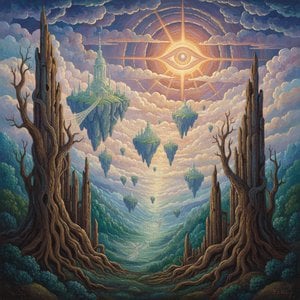
Beyond Symbolism: Exploring the Spiritual Landscapes of Mikalojus Konstantinas Čiurlionis's Art
Explore the captivating world of Mikalojus Konstantinas Čiurlionis, a pioneer of abstract art. Discover his unique blend of music and painting, spiritual themes, and lasting influence on Lithuanian culture. Learn more at ArtsDot.

The Mechanical Aesthetic of Fernand Léger: Cubism, Tubism, and the Industrial Pulse of Modernity
Explore the industrial evolution of Fernand Léger from Cézanne to Tubism. Discover the pulse of modernism now.

Las 25 obras maestras de Fernand Léger: El ritmo de la era moderna
Descubre las 25 obras maestras de Fernand Léger y su estilo Tubista. Explora su legado cubista en ArtsDot.com.