


 Ver en contexto
 Enviar
 Compartir
 Detalles

 Descargar
 Similares
 Radiografía
 Presentación de diapositivas
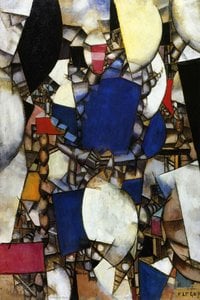
Composición al jarro
 Acrílico sobre lienzo
- Arte de pared
- Synthetic Cubism
 1918
1918- Moderno
 28.0 x 26.0 cm
 Ver más
Giclée / Impresión de arte
Impresiones giclée o en lienzo de calidad de museo con producción rápida y opciones de acabado flexibles. ( Comprar pintura hecha a mano Comprar imagen)




P118B $10

P118H $10

P118W $10

P438Z $10

P508JH $12

P508YH $12

P805H $10

P805Z $10

P919BZ $10

P919G $10

P919XJ $10

P959ZH $10

P968JZ $12

W106C $8

W218G $10

W218JH $8

W218Y $10

W307PJ $10

W316G $10

W316PJ $8

W316Y $10

W398PJ $8

W4111J $10

W500HY $15

W500JH $15

W692G $12

W849H $8

W940BG $15

W953PJ $8




Elija entre nuestros tamaños predefinidos que respetan las proporciones originales de la obra.

Puede introducir sus propias dimensiones para adaptarse a un marco o espacio específico. Si el tamaño seleccionado no coincide con las proporciones de la imagen original, recortaremos la obra de arte o extenderemos la imagen con un borde con efecto espejo o de color sólido. Se enviará una maqueta digital para su aprobación antes de que comience la producción.
Tenga en cuenta que la vista previa en pantalla no refleja el recorte o la extensión real. Solo la maqueta mostrará con precisión la composición final.
Aunque existen tamaños personalizados, recomendamos seleccionar una dimensión de la lista predefinida para preservar las proporciones originales.
Envío a todo el mundo () en 2 semanas en lugar de las 4/5 semanas estándar. (30 agosto)

Envío exprés gratuito a todo el mundo

Lienzo de lino de alta calidad

Seguro de envío total

Garantía de reembolso de impuestos aduaneros

Garantía de fidelidad cromática exacta

Política de devolución de 60 días (solo por defectos)

Garantía de devolución del 100% del dinero

Descuento por cantidad
 La opción de vidrio solo está disponible en tamaños inferiores a 110 cm.

Composición al jarro
Giclée / Impresión de arte
Dimensiones de la reproducción
-


Precio total final
$ 62
Una quietud en la era de las máquinas
La obra Composición al jarro de Fernand Léger, pintada en 1918, es mucho más que un simple bodegón; es una declaración silenciosa de una estética emergente, una que abrazaba la belleza del mundo industrial mientras conservaba una sensibilidad profundamente humana. La pintura presenta una disposición engañosamente sencilla: un jarrón azul, que brilla como si fuera metálico, ocupa el centro del escenario ante un fondo que sugiere árboles. Una taza, una botella y un cuenco completan la composición; sin embargo, dentro de esta escena aparentemente ordinaria se esconde una exploración profunda de la forma, el color y el paisaje cambiante de la vida a principios del siglo XX. El tamaño modesto de la obra —28 x 26 cm— invita a una experiencia de observación íntima, atrayendo al espectador hacia el mundo cuidadosamente construido por Léger.
El nacimiento del «tubismo» y un rechazo a la tradición
El viaje artístico de Léger fue uno de constante evolución. Inicialmente influenciado por el impresionismo, pronto dejó atrás sus representaciones fugaces de la luz para adoptar el enfoque más estructurado de Paul Cézanne. No obstante, fue su compromiso con el cubismo lo que verdaderamente definió su estilo. Sin embargo, Léger no se conformó con simplemente replicar las perspectivas fracturadas de Picasso o Braque. Él desarrolló lo que llegó a conocerse como «tubismo», una variación distintiva caracterizada por formas cilíndricas simplificadas y colores primarios audaces. Composición al jarro ejemplifica este enfoque; los objetos no se descomponen en innumerables facetas, sino que se representan con una solidez robusta, con sus formas claramente definidas y casi monumentales. Este énfasis en la forma refleja la fascinación de Léger por la maquinaria y el mundo industrial, un mundo que él no veía como algo frío o alienante, sino como poseedor de su propia belleza inherencia y dinamismo. Buscó crear un arte accesible, que reflejara la energía de la vida moderna en lugar de retirarse hacia la tradición académica.
Simbolismo en la sencillez: una reflexión de posguerra
Creada durante el último año de la Primera Guerra Mundial, Composición al jarro carga con un sutil peso de contexto histórico. Aunque no representa abiertamente los horrores de la guerra, la pintura puede interpretarse como una búsqueda de orden y estabilidad en medio del caos. Las formas sólidas y la composición cuidadosamente equilibrada sugieren un deseo de reconstruir y encontrar belleza en un mundo destrozado por el conflicto. Los objetos mismos —el jarrón, la taza, la botella— representan la vida cotidiana, un anhelo de normalidad tras años de agitación. Algunos estudiosos también señalan el potencial simbolismo dentro de la disposición; el jarro, como recipiente que contiene sustento, podría representar la esperanza o la renovación. Los árboles al fondo, aunque estilizados, ofrecen una conexión con la naturaleza y el crecimiento perdurable. La elección de Léger de representar estos objetos comunes con tan deliberada atención los eleva más allá de los meros temas de bodegón, transformándolos en símbolos de resiliencia y del espíritu humano inquebrantable.
Un legado perdurable: la influencia de Léger en el arte moderno
El impacto de Fernand Léger en el arte del siglo XX es innegable. Su estética audaz allanó el camino para el Pop Art, influyendo en artistas como Andy Warhol y Roy Lichtenstein mediante su adopción de la cultura popular y la estética de la máquina. Composición al jarro, aunque es una obra relativamente pequeña, encapsula los principios fundamentales que definieron la visión artística de Léger: una celebración de la modernidad, un rechazo a la representación tradicional y una creencia profunda en el poder del arte para reflejar y moldear el mundo que nos rodea. Una reproducción de esta pintura ofrece no solo una hermosa adición a cualquier colección, sino también una conexión tangible con un momento crucial en la historia del arte: un momento en el que los artistas comenzaron a redefinir lo que significaba crear y experimentar la belleza en una era cada vez más mecanizada.
Obras relacionadas




Biografía del artista
vida temprana y formación
fernand léger, un pintor, escultor y cineasta francés, nació el 4 de febrero de 1881 en Argentán, Orne, Baja Normandía. Su padre criaba ganado, y Léger inicialmente se formó como arquitecto de 1897 a 1899. Luego se mudó a París en 1900, ganándose la vida como dibujante arquitectónico.desarrollo artístico
El trabajo temprano de Léger estuvo influenciado por el impresionismo, como se ve en le jardin de ma mère (mi madre's garden) (1905). Después de asistir a la escuela de artes decorativas y la academia Julian, comenzó a trabajar seriamente como pintor a los 25 años. Su estilo evolucionó hacia una forma personal del cubismo, que los críticos denominaron "tubismo" por su énfasis en las formas cilíndricas.cubismo y el grupo puteaux
En 1910, Léger expuso en el salón de otoño junto a jean metzinger y henri le fauconnier. Se unió al grupo puteaux, también conocido como la sección dorada (la sección de oro), junto con otros artistas como francis picabia y marcel duchamp.guerra y su influencia en el trabajo de léger
Las experiencias de Léger en la Primera Guerra Mundial impactaron significativamente su obra. Durante su tiempo en el frente, produjo dibujos de piezas de artillería, aviones y soldados compañeros. Su pintura soldier with a pipe (1916) refleja este período.obra posterior y legado
La obra posterior de Léger, caracterizada por formas mecánicas y elegantes, lo vinculó a la tradición de la pintura figurativa francesa. Sus paisajes animados de 1921 mostraron figuras y animales en formas armoniosas y aerodinámicas.- ver obras de fernand léger en ArtsDot
- más sobre fernand léger en wikipedia
- descubra el musée national fernand léger (francia) con ArtsDot
- la mujer sentada (100 x 81 cm, tubismo)
- elemento de máquina (cubismo)

Fernand Léger
1881 - 1955 , Francia
Datos clave
- Artistas Influenciados Por: ['Pop Art']
- Artistas Que Influyeron:
- Cézanne
- Impresionismo
- Fecha De Nacimiento: 4 de febrero de 1881
- Lugar De Nacimiento: Argentan, Francia
- Movimiento Artístico:
- Cubismo
- Tubismo
- Nacionalidad: Francés
- Nombre Completo: Fernand Léger
- Obras Notables:
- La Mujer Sentada
- Elemento de Máquina
- El Gran Desfile
- Paisajes Animados
Artículos relacionados

Fernand Léger: Las 25 Obras Maestras del Tubismo y la Vanguardia Francesa | ArtsDot
Descubre las 25 obras maestras de Fernand Léger, pionero del tubismo y la vanguardia francesa. Explora su estética industrial, composiciones geométricas y vibrantes colores. Reproducciones de arte exclusivas en ArtsDot.com.
Deconstructing Reality: A Comprehensive Exploration of Cubist Still Life
Explore the revolutionary world of Cubist Still Life with ArtsDot. Discover Picasso & Braque's groundbreaking techniques, its philosophical roots, and lasting impact on modern art. Expert insights for collectors.

Georges Braque: Las 25 Obras Maestras del Cubismo y su Legado en el Arte Moderno
Descubre las 25 obras maestras de Georges Braque, pionero del cubismo. Explora su innovadora técnica, colores y el legado del arte moderno francés. Reproducciones de alta calidad en ArtsDot.com. ¡Encuentra tu inspiración!

Arte Industrial: 10 Obras Maestras para un Hogar con Carácter | ArtsDot.com
Descubre 10 obras maestras que capturan la esencia del arte industrial. Explora la historia de Van Gogh, Hopper y Klimt, sus técnicas y paletas. Encuentra lienzos perfectos para un hogar con carácter en ArtsDot.com.

Silent Narratives: Exploring the Enduring Appeal of Still Life Painting Across Centuries
Explore the rich history of still life painting with ArtsDot. Discover Dutch Masters, decode vanitas symbolism & learn about collecting timeless art. Expert insights and museum-quality reproductions.



