

 Vista previa
 Compartir
 Compartir
 Ver detalles

 Descargar
 Ver similares
 Radiografía
 Presentación de diapositivas
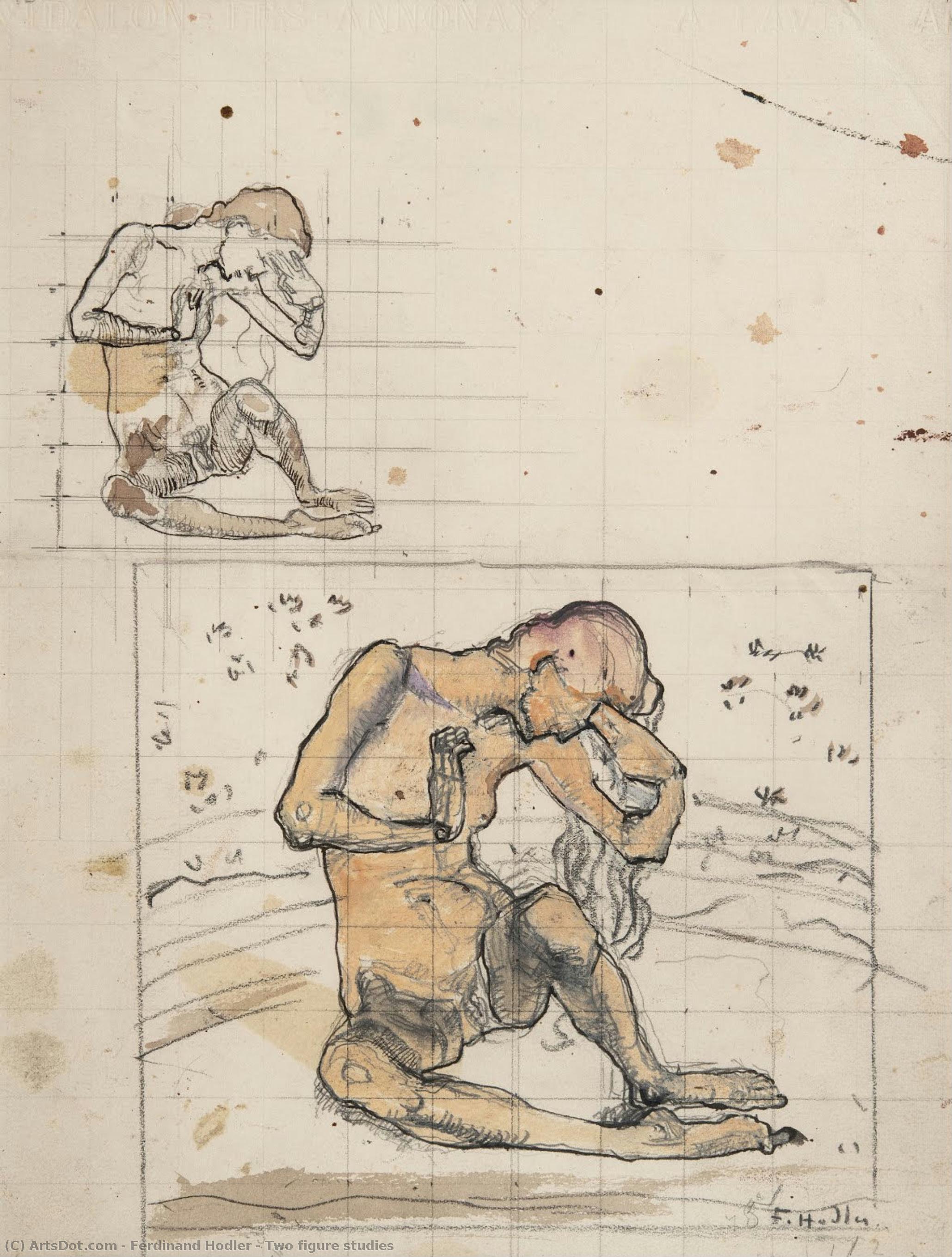
Two figure studies


 Leer más
Giclée / Impresión de arte
Impresiones giclée o en lienzo de calidad de museo con producción rápida y opciones de acabado flexibles. ( Encargar reproducción pintada a mano Comprar descarga)




P118B $10

P118H $10

P118W $10

P438Z $10

P508JH $12

P508YH $12

P805H $10

P805Z $10

P919BZ $10

P919G $10

P919XJ $10

P959ZH $10

P968JZ $12

W106C $8

W218G $10

W218JH $8

W218Y $10

W307PJ $10

W316G $10

W316PJ $8

W316Y $10

W398PJ $8

W4111J $10

W500HY $15

W500JH $15

W692G $12

W849H $8

W940BG $15

W953PJ $8




Elija entre nuestros tamaños predefinidos que respetan las proporciones originales de la obra.

Puede introducir sus propias dimensiones para adaptarse a un marco o espacio específico. Si el tamaño seleccionado no coincide con las proporciones de la imagen original, recortaremos la obra de arte o extenderemos la imagen con un borde con efecto espejo o de color sólido. Se enviará una maqueta digital para su aprobación antes de que comience la producción.
Tenga en cuenta que la vista previa en pantalla no refleja el recorte o la extensión real. Solo la maqueta mostrará con precisión la composición final.
Aunque existen tamaños personalizados, recomendamos seleccionar una dimensión de la lista predefinida para preservar las proporciones originales.
Envío a todo el mundo () en 2 semanas en lugar de las 4/5 semanas estándar. (16 agosto)

Envío exprés gratuito a todo el mundo

Lienzo de lino de alta calidad

Seguro de envío completo

Garantía de reembolso de aranceles aduaneros

Garantía de fidelidad cromática exacta

Política de devolución de 60 días (solo por defectos)

Garantía de devolución del 100% del dinero

Oferta por volumen
 La opción de vidrio solo está disponible en tamaños inferiores a 110 cm.

Two figure studies
Giclée / Impresión de arte
Tamaño de la reproducción
-


Precio total
$ 62
Descripción de la pieza
A Portrait of Melancholy: Exploring Ferdinand Hodler’s “Two Figure Studies”
The artwork "Two Figure Studies" by Ferdinand Hodler stands as a testament to the profound influence of Symbolism on late 19th-century European art. Executed in 1899, this deceptively simple drawing offers a glimpse into Hodler's deeply personal vision—a vision born from grief and imbued with an unwavering fascination for the human condition. The piece resides within the Kunsthaus Zürich’s collection, ensuring its enduring presence as a cornerstone of Swiss artistic heritage.Subject Matter and Composition
At first glance, “Two Figure Studies” presents two nude male figures positioned in profile against a muted backdrop. One figure sits passively on the ground, while the other stands behind him, gazing downwards with an expression of quiet contemplation. The positioning is deliberate—a careful choreography designed to convey vulnerability and introspection. Hodler’s masterful use of line creates a sense of stillness, mirroring the emotional weight carried by his subjects. The subtle shading contributes to the overall atmosphere of melancholy, hinting at unspoken sorrow and confronting themes of mortality.Style and Technique: Hodler's Signature Aesthetic
Hodler’s artistic style is instantly recognizable—characterized by its deliberate flatness, muted color palettes, and emphasis on tonal variations rather than precise delineation. He eschewed academic conventions, prioritizing emotional resonance over realistic representation. This approach aligns perfectly with the tenets of Symbolism, which sought to express inner feelings and ideas through abstracted forms and suggestive imagery. Hodler’s technique involved meticulous pencil sketching followed by subtle blending—a process that allowed him to capture not just the physical appearance of his subjects but also their psychological state. The drawing's surface is remarkably smooth, achieved through painstaking layering of graphite tones, demonstrating Hodler’s dedication to achieving a profound sense of atmosphere.Historical Context and Influences
Hodler emerged during a period marked by intellectual ferment—the Symbolist movement challenged the dominant Impressionistic aesthetic, advocating for art that transcended mere visual perception. Artists like Edvard Munch and Gustave Moreau similarly explored themes of anxiety, death, and spirituality through stylized imagery. Hodler’s own personal experiences—the tragic loss of his family—fueled his artistic exploration of grief and existential questioning. He drew inspiration from Japanese prints (Ukiyo-e), particularly those depicting landscapes and figures rendered in monochrome, influencing his compositional choices and tonal harmonies.Symbolism and Emotional Impact
The drawing’s symbolism extends beyond its depiction of two men. The nude posture represents vulnerability and exposure—a confrontation with the fragility of human existence. The downward gaze signifies contemplation and acceptance of fate. Hodler skillfully utilizes color (though restrained) to amplify the emotional impact, creating a visual experience that resonates with profound sadness. “Two Figure Studies” isn’t merely an image; it's a meditation on loss, remembrance, and the enduring power of human emotion—a timeless exploration of the human psyche that continues to captivate viewers today. It invites contemplation about confronting difficult truths and finding beauty within sorrow.Conclusion: Hodler’s Legacy
Ferdinand Hodler remains an artist whose work embodies the spirit of Symbolism's quest for emotional truth. “Two Figure Studies” exemplifies his distinctive style—characterized by its understated elegance and haunting introspection. Its enduring appeal lies in its ability to communicate complex feelings with remarkable simplicity, securing Hodler’s place as a pivotal figure in Swiss art history and inspiring artists across generations.Obras relacionadas


Biografía del artista
Primeros años y formación artística
Ferdinand Hodler, pintor suizo, nació el 14 de marzo de 1853 en Berna, Suiza. Sus primeras obras se caracterizaron por retratos, paisajes y pinturas de género en un estilo realista. Sin embargo, posteriormente adoptó una forma personal de simbolismo, que él denominó "paralelismo".Evolución del estilo de Hodler
A medida que avanzaba la carrera de Hodler, su obra evolucionó para combinar influencias de varios géneros, incluyendo el simbolismo y el art nouveau. En 1890, completó Noche, una pintura que marcó su transición hacia la imaginería simbolista. Esta pieza, que presenta varias figuras reclinadas, fue inicialmente recibida con controversia pero finalmente obtuvo atención favorable en París.Obras destacadas y colecciones
- El Día (1893), una pintura histórica a gran escala, es un ejemplo notable del trabajo de Hodler. Esta pieza, expuesta en el Kunsthaus Zúrich, demuestra su mezcla única de simbolismo y realismo.
- El Museo Kunsthaus Zúrich, Suiza, cuenta con una impresionante colección de obras de Hodler, incluyendo Verdad II (1897), que puede ser vista en /es/art/show/art-d3b4gt-es/
Legado e influencia
La adopción del simbolismo por parte de Hodler y el desarrollo del "paralelismo" han tenido un impacto duradero en el mundo del arte. Su trabajo puede verse como un precursor del expresionismo, con su énfasis en figuras fuertemente coloreadas y geométricas.- La biografía de Ferdinand Hodler está disponible en ArtsDot, proporcionando una visión profunda de su vida y evolución artística.
- La historia del desnudo en el arte, que ha sido un tema de interés a lo largo de la carrera de Hodler, puede explorarse más a fondo en [https://en.wikipedia.org/wiki/history_of_the_nude_in_art](https://en.wikipedia.org/wiki/history_of_the_nude_in_art).
Fechas clave
- 1853: Nació en Berna, Suiza
- 1890: Completó Noche, marcando su transición hacia la imaginería simbolista
- 1918: Falleció el 19 de mayo
- https://ArtsDot.com/@@/d3xnx9-ferdinand-hodler-the-day para ver El Día (1893)
- https://en.wikipedia.org/wiki/ferdinand_hodler para una biografía completa de Ferdinand Hodler
- https://ArtsDot.com/@/ferdinand-hodler para una extensa colección de sus obras y una biografía detallada.

Ferdinand Hodler
1853 - 1918 , Suiza
Datos clave
- Artistas Que Influyeron:
- Alexandre Calame
- Gustave Courbet
- Hans Holbein
- Fecha De Muerte: 19 de mayo de 1918
- Fecha De Nacimiento: 14 de marzo de 1853
- Influencia En Artistas: ['Expresionismo']
- Lugar De Nacimiento: Bern, Suiza
- Movimiento Artístico: Simbolismo, Art Nouveau
- Nacionalidad: Suizo
- Nombre Completo: Ferdinand Hodler
- Obras Notables:
- La noche
- El día
- Verdad II
Artículos relacionados

Blanco Sublime: Los 10 Cuadros Más Famosos Dominados por la Luz y el Color
Descubre los 10 cuadros blancos más emblemáticos de la historia del arte. Explora Monet, Van Gogh y Klimt, y su magistral uso de la luz y el color. Encuentra reproducciones de alta calidad e inspírate para tu decoración en .

Las 10 Pinturas Más Famosas Dominadas por el Negro | Arte y Decoración
Descubre las 10 pinturas más impactantes dominadas por el negro. Explora obras maestras de Rembrandt, Goya y Rothko, su historia y significado. Encuentra reproducciones de arte exclusivas para transformar tu hogar en .

Ferdinand Hodler: Symbolism, Parallelism & the Quest for Universal Harmony
Explore the captivating world of Ferdinand Hodler, Swiss Symbolist painter renowned for his evocative landscapes & pioneering 'parallelism'. Discover his life, key works, and lasting influence on art history. Own a hand-painted reproduction today!

Monochrome Visions: Exploring the Aesthetic & Historical Significance of Black & White Photography
Explore the rich history & artistic power of black and white photography. From early techniques to iconic masters like Ansel Adams, discover why monochrome continues to captivate art lovers today. Expert insights for collectors.
Las 10 Obras Maestras Dominadas por el Negro Marsella: Arte y Decoración
Descubre las 10 pinturas más famosas dominadas por el negro marsella. Explora la historia, técnica y simbolismo de obras maestras del expresionismo alemán, gótico y arte moderno. Reproducciones de museos en .



