


 Vista previa
 Compartir
 Compartir
 Ver detalles
 Guía
Guía

 Descargar
 Ver artículos similares
 Radiografía
 Presentación de diapositivas
 Estadísticas
Compositional study to retreat from Marignano
 Symbolism
 1897
1897- 19th Century
 43.0 x 65.0 cm
 Leer más
Giclée / Impresión de arte
Impresiones giclée o en lienzo de calidad de museo con producción rápida y opciones de acabado flexibles. ( Encargar reproducción pintada a mano Ver versión en imagen digital)




P118B $10

P118H $10

P118W $10

P438Z $10

P508JH $12

P508YH $12

P805H $10

P805Z $10

P919BZ $10

P919G $10

P919XJ $10

P959ZH $10

P968JZ $12

W106C $8

W218G $10

W218JH $8

W218Y $10

W307PJ $10

W316G $10

W316PJ $8

W316Y $10

W398PJ $8

W4111J $10

W500HY $15

W500JH $15

W692G $12

W849H $8

W940BG $15

W953PJ $8




Elija entre nuestros tamaños predefinidos que respetan las proporciones originales de la obra.

Puede introducir sus propias dimensiones para adaptarse a un marco o espacio específico. Si el tamaño seleccionado no coincide con las proporciones de la imagen original, recortaremos la obra de arte o extenderemos la imagen con un borde con efecto espejo o de color sólido. Se enviará una maqueta digital para su aprobación antes de que comience la producción.
Tenga en cuenta que la vista previa en pantalla no refleja el recorte o la extensión real. Solo la maqueta mostrará con precisión la composición final.
Aunque existen tamaños personalizados, recomendamos seleccionar una dimensión de la lista predefinida para preservar las proporciones originales.
Envío a todo el mundo () en 2 semanas en lugar de las 4/5 semanas estándar. (25 septiembre)

Envío exprés gratuito a todo el mundo

Lienzo de lino de alta calidad

Seguro de envío completo

Garantía de reembolso de impuestos aduaneros

Garantía de fidelidad cromática exacta

Política de devolución de 100 días (solo por defectos)

Garantía de devolución del 100% del dinero

Oferta por volumen
 La opción de vidrio solo está disponible en tamaños inferiores a 110 cm.

Compositional study to retreat from Marignano
Giclée / Impresión de arte
Tamaño de la reproducción
-


Precio total
$ 62
A Study in Human Connection and Compositional Grace
In the quiet intensity of Ferdinand Hodler’s 1897 work, Compositional study to retreat from Marignano, we find ourselves invited into a profound moment of collective pause. This large-scale composition serves as more than just a preparatory sketch; it is a masterful exploration of human presence and the intricate geometry of social interaction. The scene unfolds with a rhythmic vitality, presenting at least thirteen figures caught in various states of repose, conversation, and contemplation. Some individuals lean into the warmth of dialogue, while others sit in solitary reflection, creating a tapestry of movement that guides the viewer’s eye across the canvas. There is an undeniable sense of weight and permanence to each figure, as if Hodler were not merely capturing a fleeting moment, but etching the very essence of human connection into the fabric of the painting.
The brilliance of this study lies in its dynamic arrangement, where the placement of each body contributes to a larger, harmonious whole. As an expert in the nuances of Symbolist art, one can observe how Hodler utilizes the foreground and background to create depth and narrative tension. Some figures face us with a directness that demands engagement, while others turn away, lost in their own internal worlds. This interplay between the public act of gathering and the private experience of thought creates an atmosphere that is both socially vibrant and deeply introspective. For the discerning collector or interior designer, this piece offers a sophisticated focal point, bringing a sense of intellectual depth and structural elegance to any curated space.
The Mastery of Parallelism and Symbolist Vision
To understand this work, one must look through the lens of Hodler’s pioneering concept of parallelism. This technique, which sought to find rhythmic repetitions in nature and human form, is subtly yet powerfully present in the way the figures are distributed across the composition. The repetition of postures—the curve of a back, the tilt of a head, the angle of a limb—creates a visual cadence that resonates with the natural order. Hodler, deeply influenced by his early experiences with loss and the profound beauty of the Swiss landscape, imbue this social gathering with a sense of cosmic significance. The painting transcends its subject matter, moving beyond a simple depiction of a retreat to become a meditation on the shared human condition.
The technique employed in this 1897 study showcases Hodler’s ability to balance structural rigor with emotional fluidity. The brushwork, while purposeful and defining, allows for a softness that captures the atmospheric quality of the gathering. This duality makes the artwork particularly compelling for those seeking high-quality reproductions; the strength of the composition ensures it commands attention in large formats, while the subtle tonal shifts provide a delicate beauty that complements modern and classical interiors alike. It is an invitation to contemplate the rhythms of life, making it an exquisite addition to any collection dedicated to the profound legacies of the late 19th-century masters.
Obras relacionadas


Biografía del artista
Primeros años y formación artística
Ferdinand Hodler, pintor suizo, nació el 14 de marzo de 1853 en Berna, Suiza. Sus primeras obras se caracterizaron por retratos, paisajes y pinturas de género en un estilo realista. Sin embargo, posteriormente adoptó una forma personal de simbolismo, que él denominó "paralelismo".Evolución del estilo de Hodler
A medida que avanzaba la carrera de Hodler, su obra evolucionó para combinar influencias de varios géneros, incluyendo el simbolismo y el art nouveau. En 1890, completó Noche, una pintura que marcó su transición hacia la imaginería simbolista. Esta pieza, que presenta varias figuras reclinadas, fue inicialmente recibida con controversia pero finalmente obtuvo atención favorable en París.Obras destacadas y colecciones
- El Día (1893), una pintura histórica a gran escala, es un ejemplo notable del trabajo de Hodler. Esta pieza, expuesta en el Kunsthaus Zúrich, demuestra su mezcla única de simbolismo y realismo.
- El Museo Kunsthaus Zúrich, Suiza, cuenta con una impresionante colección de obras de Hodler, incluyendo Verdad II (1897), que puede ser vista en /es/art/show/art-d3b4gt-es/
Legado e influencia
La adopción del simbolismo por parte de Hodler y el desarrollo del "paralelismo" han tenido un impacto duradero en el mundo del arte. Su trabajo puede verse como un precursor del expresionismo, con su énfasis en figuras fuertemente coloreadas y geométricas.- La biografía de Ferdinand Hodler está disponible en ArtsDot, proporcionando una visión profunda de su vida y evolución artística.
- La historia del desnudo en el arte, que ha sido un tema de interés a lo largo de la carrera de Hodler, puede explorarse más a fondo en [https://en.wikipedia.org/wiki/history_of_the_nude_in_art](https://en.wikipedia.org/wiki/history_of_the_nude_in_art).
Fechas clave
- 1853: Nació en Berna, Suiza
- 1890: Completó Noche, marcando su transición hacia la imaginería simbolista
- 1918: Falleció el 19 de mayo
- https://ArtsDot.com/@@/d3xnx9-ferdinand-hodler-the-day para ver El Día (1893)
- https://en.wikipedia.org/wiki/ferdinand_hodler para una biografía completa de Ferdinand Hodler
- https://ArtsDot.com/@/ferdinand-hodler para una extensa colección de sus obras y una biografía detallada.

Ferdinand Hodler
1853 - 1918 , Suiza
Datos clave
- Artistas Que Influyeron:
- Alexandre Calame
- Gustave Courbet
- Hans Holbein
- Fecha De Muerte: 19 de mayo de 1918
- Fecha De Nacimiento: 14 de marzo de 1853
- Influencia En Artistas: ['Expresionismo']
- Lugar De Nacimiento: Bern, Suiza
- Movimiento Artístico: Simbolismo, Art Nouveau
- Nacionalidad: Suizo
- Nombre Completo: Ferdinand Hodler
- Obras Notables:
- La noche
- El día
- Verdad II
Artículos relacionados

Ferdinand Hodler: Symbolism, Parallelism & the Quest for Universal Harmony
Explore the captivating world of Ferdinand Hodler, Swiss Symbolist painter renowned for his evocative landscapes & pioneering 'parallelism'. Discover his life, key works, and lasting influence on art history. Own a hand-painted reproduction today!

El Atractivo de los Puntos Focales en el Arte: Composición, Psicología e Historia
Descubre el poder del punto focal en el arte. Explora técnicas de composición, la psicología detrás de la percepción visual y ejemplos históricos clave. ¡Profundiza tu apreciación artística!
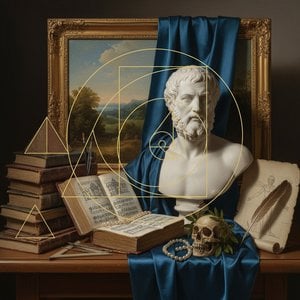
The Eloquence of Arrangement: Exploring Compositional Strategies in Western Art
Explore the evolution of compositional strategies in Western art from the Renaissance to Modernism. Discover how masters like Raphael & Zurbaran used perspective, proportion, and dynamic arrangement to create timeless masterpieces. Enhance your art appreciation today!

Kandinsky: Las 25 Obras Maestras del Pionero de la Abstracción | ArtsDot
Descubre las 25 obras maestras de Wassily Kandinsky, pionero del arte abstracto. Explora su expresionismo, composiciones únicas y la historia detrás de cada cuadro. Reproducciones de alta calidad para decorar tu hogar con arte moderno en ArtsDot.com.

The Eloquence of Arrangement: Compositional Strategies in Western Art from the Renaissance to Modernism
Explore the evolution of compositional strategies in Western art! Discover how masters like Raphael & Zurbaran used perspective, proportion, and dynamic arrangement to create timeless masterpieces. Enhance your art appreciation today!


