


La imagen se ajusta a sus preferencias: , .
Descripción del objeto
A delicate bouquet of pink roses in a silver vase captures the serene beauty of Biedermeier realism in this stunning oil painting by Ferdinand Georg Waldmüller, perfect for adding timeless elegance to your home collection.
 Ver más
Biografía del artista
Descubre a Ferdinand Georg Waldmüller (1793-1865), pintor austriaco del Biedermeier, conocido por sus realistas retratos y escenas de la vida rural con crítica social.
Reproducción al óleo hecha a mano
Óleo sobre lienzo pintado a mano en el tamaño y marco de su elección, realizado por encargo por nuestros artistas. ( Cambiar a impresiones Cambiar a imagen digital)
Más información sobre esta pintura
 Ver en contexto
 Enviar
 Compartir
 Detalles
 Guía
Guía

 Descargar
 Similares
 Radiografía
 Presentación de diapositivas
 Preguntas y respuestas
 Estadísticas
Pida su pintura en cuatro sencillos pasos
Tómese su tiempo. Puede cambiar cualquier respuesta; el precio en su carrito de compra se actualizará según cada elección.
1 Paso uno de cuatro
¿Qué tamaño desea?
Estos tamaños mantienen las proporciones de la pintura original. El dibujo muestra su elección en una pared, sobre un sofá de dos metros.
O introduce tus propias medidas
Elija entre nuestros tamaños predefinidos que respetan las proporciones originales de la obra.

Indique el ancho y el alto que necesite para adaptarse a su marco o pared. Al tratarse de una obra pintada a mano, si requiere un tamaño con una proporción distinta, el artista puede pintar un poco más alrededor de la imagen o recortarla ligeramente; usted elige. Le enviaremos una maqueta digital para su aprobación antes de comenzar la pintura. La imagen que se muestra en esta página no refleja el resultado real; solo la maqueta lo hace.
2 Paso dos de cuatro
¿Cómo desea recibirlo: enrollado, estirado o enmarcado?
Los precios que aparecen a continuación corresponden al tamaño seleccionado en el primer paso.
Elige el acabado de los bordes del lienzo
Elige tu marco

Blanco €1

Bordes difuminados €1

Continuación de imagen €1

P118B €10

P118H €10

P118W €10

P438Z €10

P508JH €12

P508YH €12

P805H €10

P805Z €10

P919BZ €10

P919G €10

P919XJ €10

P959ZH €10

P968JZ €12

W106C €8

W218G €10

W218JH €8

W218Y €10

W307PJ €10

W316G €10

W316PJ €8

W316Y €10

W398PJ €8

W4111J €10

W500HY €15

W500JH €15

W692G €12

W849H €8

W940BG €15

W953PJ €8

H24-GOLD €30

H24-SILVER €30

H36-GOLD €45

H36-SILVER €45
Con marco
Moldura: . Dimensiones totales con marco: .
3 Paso tres de cuatro
¿Desea realizar algún cambio en la pintura?
La mayoría de las personas responden que no. Debido a que cada pintura se realiza a mano, nuestro artista también puede adaptarla para usted.
Tras realizar el pedido, el equipo de ArtsDot.com enviará un correo electrónico al cliente para solicitar instrucciones y proporcionar una vista previa del boceto
4 Paso cuatro de cuatro
Algunas opciones de acabado
Todos ellos son opcionales. Las respuestas ya seleccionadas no tienen ningún coste adicional.
¿Quién lo pinta?
Envío a todo el mundo () en 3-4 semanas en lugar de las 5 semanas estándar. (3 noviembre). Sin comprometer la calidad.
¿Una placa de identificación, como en un museo?
Detalles de la placa de bronce grabada
This elegant plaque features the artist's name and the title of the artwork, finely engraved for a timeless presentation.
It is made from bronze with a refined, elegant finish. The text is precisely laser-engraved for a sharp and permanent result. Measuring 9x2 cm, the plaque is compact yet easy to read. It's built to be durable and scratch-resistant, offering a professional, museum-quality look. Mounting is simple thanks to the included adhesive backing.
Detalles de la placa de acrílico transparente
The plaque includes essential engraved details such as the artist's name, the title of the artwork, the date it was created, the type of media used-like oil on canvas or watercolor-a brief description of the piece, and a QR code that links to the complete artwork information.
It is crafted from clear acrylic, offering a sleek, modern appearance. The text is UV-engraved in black to ensure strong visual contrast. With a size of 10x15 cm, it ensures optimal readability. It comes equipped with two metal hooks for secure wall mounting. The plaque is designed to be weather-resistant, making it suitable for various environments, and it includes interactive features that work seamlessly with smartphone scanning.
Detalles de la placa de acrílico negro
This elegant plaque includes engraved information such as the artist's name, the title of the artwork, the date it was created, the type of media used (like oil on canvas or watercolor), a short description of the artwork, and a QR code for quick access to more information.
The plaque itself is made from refined black acrylic with a premium finish. The text is laser-engraved in white for high contrast and readability. Its size is 10x15 cm, designed to be easy to read. It comes with two metal hooks for professional mounting. The design is sleek and fits any interior style. It is also weather-resistant and durable, with built-in digital integration for mobile compatibility.
¿Un barniz protector?
¿Para cuándo lo necesita?
✓ Revisar y pedir
Su pintura, tal como la solicitó

Roses
Técnica de reproducción
Dimensiones de la reproducción
-

Selección de artistas premium
Mayor nivel de detalle, delicadeza y tiempo de producción adicional
-

Enmarcado de reproducción
-
-
Para obras de arte o reproducciones que midan más de 105 cm (aproximadamente 41 pulgadas) en cualquiera de sus lados, el marco se enviará como un kit desmontado. Este método garantiza una entrega segura y evita daños durante el transporte.
Se requiere montaje profesional: este no es un producto para hacer usted mismo (DIY).
El kit debe ser ensamblado y el lienzo tensado por un enmarcador profesional con experiencia, utilizando cola para madera (no incluida), una tenaza para tensar lienzos y sargentos para mantener los bastidores alineados mientras la cola se seca. Un montaje incorrecto o una tensión desigual del lienzo pueden dañar la obra de arte de forma permanente y no están cubiertos por nuestra garantía.
 Para obras de arte o reproducciones que midan más de 105 cm (aproximadamente 41 pulgadas) en cualquiera de sus lados, el marco se enviará como un kit desmontado. Este método garantiza una entrega segura y evita daños durante el transporte.
Se incluyen todos los listones de madera maciza, cortados con precisión según las medidas.
Se ensambla con los tornillos incluidos, además de cola para madera para las uniones de las esquinas, la cual no se incluye y debe ser proporcionada por su enmarcador.
Se requieren herramientas profesionales que no están incluidas: un alicate para tensar lienzos (tensor) y abrazaderas para mantener los bastidores alineados mientras se seca el pegamento.
Importante:
Las uniones de las esquinas requieren cola para madera, los listones deben sujetarse con prensas hasta que la cola esté completamente seca, y para tensar el lienzo en el bastidor ensamblado se requiere una pinza para tensar lienzos. Ninguno de estos elementos está incluido en el kit. Por favor, contacte con un profesional del enmarcado con experiencia antes de realizar un pedido de este tamaño.

Cartela
-
-

Barniz protector
Barniz brillante (realza los colores y protege contra la luz y la humedad)
-

Personalizar mi obra
Ejemplos de lo que se puede personalizar: sustituir el rostro por una foto del cliente; añadir una mascota (por ejemplo, cambiar un gato por un perro); incluir un mensaje oculto en el fondo; cambiar el paisaje o los elementos del fondo.
-

Envío urgente
Envío a todo el mundo () en 3 o 4 semanas, en lugar de las 5 semanas habituales. (3 noviembre). Sin comprometer la calidad.
-
Envío urgente
Envío internacional () en 5 semanas. (10 noviembre).
Incluido
Precio total final
€ 235
La opción de vidrio solo está disponible en tamaños inferiores a 110 cm.
Incluido en cada pedido
- Envío exprés gratuito a todo el mundo
- Lienzo de lino de alta calidad
- Seguro de envío total
- Garantía de reembolso de aranceles aduaneros
- Garantía de fidelidad cromática exacta
- Política de devolución de 100 días (solo por defectos)
- Garantía de devolución del 100% del dinero
- Descuento por cantidad


A Symphony of Petals: The Delicate Allure of Waldmüller’s Roses
In the quiet realm of still-life painting, few works capture the fleeting essence of beauty as poignantly as Ferdinand Georg Waldmüller’s Roses. This exquisite composition serves as a masterclass in the Biedermeier tradition, an era where the mundane was elevated to the magnificent through meticulous observation and a profound respect for nature. At first glance, the viewer is greeted by a lush bouquet of pink roses, their soft, velvety petals arranged with an effortless grace within a silver vase adorned with intricate leaf motifs. Yet, upon closer inspection, the painting reveals a deeper, more melancholic narrative; some blooms remain in the height of their glory, while others begin to wilt, their edges curling in a gentle surrender to time. This subtle interplay between vitality and decay creates a profound sense of realism, inviting the observer to contemplate the ephemeral nature of all living things.
The technical brilliance of Waldmüller is nowhere more evident than in his command of light and shadow. Drawing inspiration from the principles of luminism, the artist employs a soft, diffused light that seems to emanate from within the scene itself. This gentle illumination dances across the silver surface of the vase, highlighting its metallic sheen and the delicate textures of the floral arrangement. Through a masterful use of chiaroscuro, Waldmüller creates a remarkable sense of three-dimensionality, allowing the flowers to emerge from the shadows with a palpable volume. The background, featuring secondary vases and a subtle bowl, is rendered with enough detail to provide depth without distracting from the central protagonist: the roses. This careful balance ensures that every petal and leaf is imbued with a lifelike presence that feels almost tactile.
Historical Resonance and Symbolic Depth
To understand the soul of this piece, one must look toward the life of the artist himself. Born in Vienna in 1793, Waldmüller’s early experiences with loss and hardship instilled in him an awareness of life's precariousness—a theme that resonates deeply within these petals. As a leading figure of the Biedermeier period, his work moved away from the rigid, idealized doctrines of the Academy toward a commitment to realism and the study of nature. In this painting, the roses are not merely decorative objects; they are symbols of the cycle of existence. The vibrant pinks represent the peak of youth and passion, while the drooping, darkened edges of the older blooms serve as a memento mori, reminding us of the inevitable passage of time.
For the discerning collector or interior designer, this artwork offers more than just visual splendor; it provides an emotional anchor for a space. The painting’s ability to balance light and shadow makes it a versatile centerpiece, capable of adding a sense of classical elegance to a traditional study or a touch of organic warmth to a contemporary living area. It is a piece that rewards long periods of contemplation, offering new layers of meaning with every glance. Whether one is drawn to the technical mastery of its silver reflections or the poetic sadness of its wilting blossoms, Waldmüller’s Roses remains an enduring testament to the beauty found in the fleeting moments of our natural world.
Preguntas y respuestas
¿Qué estado de ánimo y emoción se entrelazan en "Roses"?
En "Roses", un ambiente Romantic acompaña a una emoción Calm.
¿Es "Roses" representativo de la temática habitual de Ferdinand Georg Waldmüller?
"Roses" representa roses, still life, pink roses, silver vase, flowers, nature, floral bouquet, mientras que los temas recurrentes de Ferdinand Georg Waldmüller son luminism influence, natural observation, biedermeier realism, detailed still life, nature's essence. Al comparar ambos, se observa cómo la obra se relaciona con los temas habituales del artista.
¿Qué color predomina en la composición de "Roses" de Ferdinand Georg Waldmüller?
El color que más destaca en "Roses" es el Brown (#951c41). El color dominante resulta muy útil a la hora de combinar una obra de arte con un espacio interior.
Obras relacionadas


Ferdinand Georg Waldmüller
1793 - 1865, Austria
Biografía del artista
Vida Temprana y Educación
- Nacimiento: 15 de enero de 1793, en Viena, Austria
- Fallecimiento: 23 de agosto de 1865, en Hinterbrühl, Austria (a los 72 años)
- Nacionalidad: Austríaco
- La vida temprana se vio marcada por dificultades financieras tras la muerte de su padre.
- Asistió a la Academia de Bellas Artes de Viena desde 1807, aunque la asistencia fue irregular.
- Inicialmente se dedicó a la pintura de retratos pero luego desarrolló un fuerte interés en los paisajes y las escenas de género.
Carrera y Desarrollo Artístico
- Su carrera temprana implicó trabajar como diseñador de escenografía y pintor de retratos mientras realizaba giras con su esposa, la cantante Katharina Weidner.
- Desarrolló un estilo distintivo caracterizado por representaciones realistas de la vida cotidiana, particularmente escenas rurales.
- Se convirtió en profesor de la Academia de Bellas Artes de Viena en 1819, pero enfrentó disputas debido a que abogaba por la observación natural y criticaba el sistema de la academia.
- Viajes frecuentes a Italia (a partir de 1825) y a la región de Salzkammergut influyeron significativamente en su estilo de pintura paisajística.
- Conocido por sus descripciones detalladas y refinadas de texturas y luz, a menudo representando la vida cotidiana rural con una perspectiva socialmente crítica.
- Sus obras fueron inicialmente criticadas por los contemporáneos por su realismo pero luego obtuvieron reconocimiento por su mérito artístico.
Obras Principales y Temas
- Vendedor de frutas veneciano (1826): Un ejemplo temprano de su estilo de pintura de género.
- Autorretrato (1828): Demuestra su habilidad en el retrato.
- Louise Mayer (1836) Una notable obra de retrato.
- Vista de Ischl (1838): Muestra sus habilidades para la pintura paisajística.
- En Todos los Santos (1839): Captura una escena de la vida rural.
- La Carta de Amor (1849): Una escena de género que representa la intimidad doméstica.
- Mujeres bañándose (c. 1848–1849): Un ejemplo de su exploración de temas sociales.
- Temas recurrentes incluyen: vida rural, dinámicas familiares, el impacto de la pobreza y la desgracia, y la belleza de la naturaleza.
Significado Histórico y Legado
- Considerado uno de los pintores austriacos más importantes del período Biedermeier.
- Defendió la observación natural y la pintura "a plein air", anticipando movimientos artísticos posteriores como el Impresionismo.
- Sus pinturas de género socialmente críticas desafiaron las representaciones convencionales de la vida rural durante su tiempo.
- Influyó en una generación de artistas con su realismo detallado y su enfoque en los temas cotidianos.
- A pesar de enfrentar críticas y contratiempos a lo largo de su carrera, la obra de Waldmüller obtuvo reconocimiento internacional más tarde en la vida.
- Su legado radica en su contribución al arte austriaco y su enfoque pionero de la pintura paisajística y de género.
Vida Posterior y Reconocimiento
- Se casó con Anna Bayer en 1851.
- Experimentó dificultades financieras a pesar de algunos éxitos.
- Participó en la Exposición Mundial de París (1855) y expuso en el Palacio de Buckingham (1856), obteniendo reconocimiento del emperador Napoleón III y la reina Victoria, respectivamente.
- Fue forzado a retirarse de la Academia de Bellas Artes de Viena en 1857 debido a su continua crítica.
- Recibió una pensión y fue nombrado caballero poco antes de su muerte el 23 de agosto de 1865, en Hinterbrühl.


Artículos relacionados

Silent Narratives: Exploring the Enduring Appeal of Still Life Painting Across Centuries
Explore the rich history of still life painting with ArtsDot. Discover Dutch Masters, decode vanitas symbolism & learn about collecting timeless art. Expert insights and museum-quality reproductions.
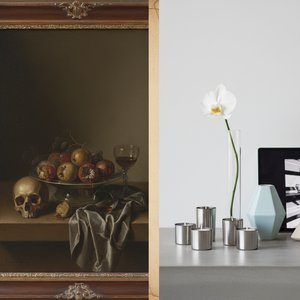
The Enduring Appeal of Still Life: A Historical & Contemporary Exploration
Explore the rich history & symbolism of still life painting with ArtsDot. Discover masterpieces from the Dutch Golden Age, learn about vanitas art, and find expert guidance for collecting timeless artworks.

Los 10 Cuadros Más Famosos en Tonos Rosa Pastel: Arte y Decoración
Descubre los 10 cuadros más icónicos en tonos rosa pastel. Explora la historia de Monet, Renoir y otros maestros del impresionismo y el arte moderno. Encuentra reproducciones de alta calidad para decorar tu hogar con .