


 Ver en contexto
 Enviar
 Compartir
 Detalles

 Descargar
 Similares
 Radiografía
 Presentación de diapositivas
Spring frost
 Acrylic On Canvas
- WallArt
- Impressionistic Landscape
 1919
1919 157.0 x 206.0 cm
 Galería de Arte de Nueva Gales del Sur
 Ver más
Giclée / Impresión de arte
Impresiones giclée o en lienzo de calidad de museo con producción rápida y opciones de acabado flexibles. ( Comprar pintura hecha a mano Comprar imagen)




P118B $10

P118H $10

P118W $10

P438Z $10

P508JH $12

P508YH $12

P805H $10

P805Z $10

P919BZ $10

P919G $10

P919XJ $10

P959ZH $10

P968JZ $12

W106C $8

W218G $10

W218JH $8

W218Y $10

W307PJ $10

W316G $10

W316PJ $8

W316Y $10

W398PJ $8

W4111J $10

W500HY $15

W500JH $15

W692G $12

W849H $8

W940BG $15

W953PJ $8




Elija entre nuestros tamaños predefinidos que respetan las proporciones originales de la obra.

Puede introducir sus propias dimensiones para adaptarse a un marco o espacio específico. Si el tamaño seleccionado no coincide con las proporciones de la imagen original, recortaremos la obra de arte o extenderemos la imagen con un borde con efecto espejo o de color sólido. Se enviará una maqueta digital para su aprobación antes de que comience la producción.
Tenga en cuenta que la vista previa en pantalla no refleja el recorte o la extensión real. Solo la maqueta mostrará con precisión la composición final.
Aunque existen tamaños personalizados, recomendamos seleccionar una dimensión de la lista predefinida para preservar las proporciones originales.
Envío a todo el mundo () en 2 semanas en lugar de las 4/5 semanas estándar. (24 agosto)

Envío exprés gratuito a todo el mundo

Lienzo de lino de alta calidad

Seguro de envío total

Garantía de reembolso de impuestos aduaneros

Garantía de fidelidad cromática exacta

Política de devolución de 60 días (solo por defectos)

Garantía de devolución del 100% del dinero

Descuento por cantidad
 La opción de vidrio solo está disponible en tamaños inferiores a 110 cm.

Spring frost
Giclée / Impresión de arte
Dimensiones de la reproducción
-


Precio total final
$ 62
Descripción de la pieza
A Dawn of Tranquility: Elioth Gruner’s “Spring Frost”
Elioth Gruner's "Spring Frost," painted in 1919, isn’t merely a depiction of a rural scene; it’s an immersion into the very essence of Australian light and landscape. This evocative work, now residing within the Art Gallery of New South Wales, captures a fleeting moment – the nascent warmth of early morning breaking over a pastoral vista—with a remarkable sensitivity to atmosphere and texture. Gruner, a pivotal figure in Australian Impressionism, masterfully translates the raw beauty of the Emu Plains countryside into a painting that resonates with both serenity and vibrant energy.
The scene unfolds before us: a small herd of dairy cows stands bathed in the soft glow of the rising sun, their forms rendered with a loose, expressive brushstroke. The foreground is dominated by a field of grass, its texture achieved through short, choppy strokes that seem to shimmer with reflected light. Beyond this immediate focus, the eye drifts into a hazy distance, where rolling hills and a muted sky create an expansive sense of space. Gruner’s choice of palette—a symphony of earthy browns, ochres, and subtle blues—evokes the cool tones of dawn while simultaneously injecting warmth through the golden highlights that dance across the cows' hides and the dew-kissed grasses.
The Influence of Light and Color
Gruner’s technique is deeply rooted in the Impressionist tradition, yet he possesses a distinctly Australian sensibility. He wasn’t simply aiming to replicate what he saw; instead, he sought to capture the *feeling* of that moment—the crispness of the air, the warmth on the skin, and the transformative power of light. His use of broken color, characteristic of Impressionism, creates a sense of movement and vibrancy within the painting. The colors aren’t blended smoothly; rather, they are applied in small, distinct strokes, allowing each hue to retain its individual identity and contribute to the overall luminosity of the scene.
Notably, Gruner was influenced by Max Meldrum's theories on color and light, a prominent figure in early 20th-century Australian art. Meldrum’s emphasis on “tone” – the fundamental quality of light—guided Gruner to prioritize capturing the subtle shifts in illumination across the landscape. This pursuit is evident in the painting’s masterful rendering of shadows and highlights, which create a dynamic interplay of form and atmosphere.
A Portrait of Rural Australia
"Spring Frost" isn't just a beautiful landscape; it’s also a poignant reflection on rural life in early 20th-century Australia. The presence of the cows—symbols of industry, sustenance, and connection to the land—underscores the importance of agriculture within the Australian identity. The solitary figure of the farmer, subtly integrated into the scene, suggests a quiet dignity and a deep understanding of his environment. This painting offers a glimpse into a world where life was intimately connected to the rhythms of nature.
Symbolism and Emotional Resonance
Beyond its representational qualities, “Spring Frost” is rich in symbolism. The title itself—"Spring Frost"—evokes a sense of delicate beauty and transient grace. The frost, barely perceptible yet undeniably present, hints at the fragility of life and the ephemeral nature of beauty. The painting’s overall mood is one of peaceful contemplation, inviting the viewer to slow down, appreciate the simple pleasures of rural existence, and connect with the natural world.
Reproductions of “Spring Frost” capture a significant portion of this original atmosphere. The artwork's enduring appeal lies in its ability to transport us to a bygone era—a time when life moved at a slower pace and the beauty of the Australian landscape was deeply revered. It remains a cornerstone of Australian art, embodying both the artistic innovation of its creator and the timeless allure of the bush.
Obras relacionadas


Biografía del artista
Primeros Años e Influencias
- Nacimiento y Familia: Elioth Lauritz Leganyer Gruner nació el 16 de diciembre de 1882 en Gisborne, Nueva Zelanda, hijo menor del casero noruego Elliott Grüner y su esposa irlandesa Mary Ann.
- Inclinación Artística Temprana: Demostró un deseo de dibujar desde temprana edad.
- Comienzo de la Formación Formal: Alrededor de los 12 años, su madre organizó que estudiara con Julian Ashton, una figura significativa en la educación artística australiana.
- Desafíos y Primeros Trabajos: Gruner enfrentó dificultades financieras después de que murieran su padre y su hermano mayor cuando era joven, trabajando largas horas desde los 14 años para mantener a su familia. A pesar de estos desafíos, continuó pintando los fines de semana y comenzó a enviar obras a exposiciones de la Sociedad de Artistas en Sydney alrededor de 1901.
Desarrollo Artístico y Estilo
- Tendencias Impresionistas: El estilo de Gruner se caracteriza generalmente como impresionista, con un enfoque en capturar la luz y la atmósfera en los paisajes australianos.
- Influencia de Norman Lindsay: Recibió aliento del artista colega Norman Lindsay, lo que ayudó a dar forma a su dirección artística.
- Experiencia Europea (1923-1925): Una visita a Europa durante aproximadamente dos años impactó significativamente en su trabajo. Simplificó sus composiciones y prestó más atención al patrón y el pincelado, influenciado por las críticas constructivas de Sir William Orpen.
- Retorno a los Estudios de Luz: Más adelante en su carrera, Gruner regresó a un enfoque en el estudio de la luz, combinándolo con una apreciación del color y la forma.
Logros Principales y Reconocimiento
- Ganador del Premio Wynne (Múltiples Veces): Gruner es más famoso por ganar el prestigioso Premio Wynne en la Galería de Arte de Nueva Gales del Sur siete veces. Sus victorias incluyen:
- 1916 – "Luz Matutina"
- 1919 – "Escarcha Primaveral"
- 1921 – "El Valle del Tweed"
- Trabajo Comisionado para AGNSW: Fue comisionado por la Galería de Arte de Nueva Gales del Sur para pintar “El Valle del Tweed”, una obra a gran escala que, aunque significativa, no se considera entre sus mejores trabajos.
- Exposición Individual (1927): Realizó una exitosa exposición individual en 1927, lo que demostró el creciente reconocimiento y la demanda de su arte.
Vida Posterior y Legado
- Desafíos de Salud: Gruner sufrió de nefritis crónica, lo que finalmente condujo a su muerte.
- Muerte e Inhumación: Murió en su casa en Waverley el 17 de octubre de 1939 y fue incinerado con ritos anglicanos.
- Significado Artístico: Elioth Gruner es recordado como un importante pintor paisajista australiano que capturó la belleza de Nueva Gales del Sur rural con sensibilidad y habilidad. Su éxito constante en el Premio Wynne consolidó su lugar en la historia del arte australiano.
- Reconocimiento Reciente: En 2014, su pintura "Sin Título (El Camino Seco)" fue adquirida por el Museo y Galería de Canberra, lo que destaca aún más el atractivo perdurable de su trabajo.
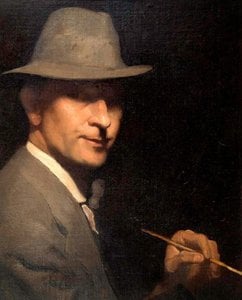
Elioth Gruner
1882 - 1939 , Nueva Zelanda
Datos clave
- Artistas Que Influyeron:
- Julian Ashton
- Norman Lindsay
- Fecha De Fallecimiento: 17 de octubre de 1939
- Fecha De Nacimiento: 16 de diciembre de 1882
- Lugar De Nacimiento: Gisborne, Nueva Zelanda
- Movimiento Artístico: Impresionismo
- Nacionalidad: Australiano
- Nombre Completo: Elioth Gruner
- Obras Notables:
- Morning Light
- Spring Frost
- The Valley of the Tweed
Artículos relacionados

John Constable: Las 25 Obras Maestras del Paisaje Inglés | ArtsDot
Descubre las 25 obras maestras de John Constable, el pintor romántico inglés que capturó la belleza del paisaje. Explora su técnica, historia y significado en ArtsDot.com. Reproducciones de arte de alta calidad para tu hogar.

Cultivating Visions: A Historical Journey Through Rural Landscapes in Art
Explore the rich history of rural landscape painting with ArtsDot. Discover Impressionist masterpieces, key artists & movements. Find your perfect serene artwork and bring nature's beauty home.

Paisajes Románticos: 10 Obras Maestras que Definieron un Movimiento Artístico
Descubre los 10 paisajes románticos más influyentes de artistas como Caspar David Friedrich y Turner. Explora la belleza, el simbolismo y las técnicas del movimiento romántico. Reproducciones de arte exclusivas en ArtsDot.com.

Evocations of Place: A Historical Journey Through Landscape Art
Explore the rich history of landscape art with ArtsDot. Discover renowned artists, movements like Impressionism & Romanticism, and expert guidance for collecting timeless pieces. Find your perfect serene escape today!

Evoking Arcadia: A Historical & Aesthetic Exploration of Rural Landscape Art
Explore the rich history of pastoral landscape art, from classical Arcadia to Impressionism & beyond. Discover key artists, movements, and how to collect serene rural scenes for your home. Expert insights at ArtsDot.

