


 Vista previa
 Compartir
 Compartir
 Ver detalles

 Descargar
 Ver similares
 Radiografía
 Presentación de diapositivas
tramp steamer


 Leer más
Reproducción al óleo hecha a mano
Óleo sobre lienzo pintado a mano en el tamaño y marco de su elección, realizado por encargo por nuestros artistas. ( Pedir impresión Comprar descarga)




P118B $10

P118H $10

P118W $10

P438Z $10

P508JH $12

P508YH $12

P805H $10

P805Z $10

P919BZ $10

P919G $10

P919XJ $10

P959ZH $10

P968JZ $12

W106C $8

W218G $10

W218JH $8

W218Y $10

W307PJ $10

W316G $10

W316PJ $8

W316Y $10

W398PJ $8

W4111J $10

W500HY $15

W500JH $15

W692G $12

W849H $8

W940BG $15

W953PJ $8




Elija entre nuestros tamaños predefinidos que respetan las proporciones originales de la obra.

Puede ingresar sus propias dimensiones para adaptarse a un marco o espacio específico. Si el tamaño seleccionado no coincide con las proporciones de la imagen original, recortaremos la obra o extenderemos la pintura con elementos adicionales pintados a mano. Se le enviará una maqueta digital para su aprobación antes de comenzar la producción.
Tenga en cuenta que la vista previa en pantalla no refleja el recorte o la extensión reales. Solo la maqueta mostrará con precisión la composición final.
Si bien existen tamaños personalizados, recomendamos seleccionar una dimensión de la lista predefinida para preservar las proporciones originales.
Tras realizar el pedido, el equipo de ArtsDot.com enviará un correo electrónico al cliente para solicitar instrucciones y proporcionarle una vista previa del boceto.
Envío a todo el mundo () en 3-4 semanas en lugar de las 5 semanas estándar. (14 agosto). Sin comprometer la calidad.

Envío exprés gratuito a todo el mundo

Lienzo de lino de alta calidad

Seguro de envío completo

Garantía de reembolso de aranceles aduaneros

Garantía de fidelidad cromática exacta

Política de devolución de 60 días (solo por defectos)

Garantía de devolución del 100% del dinero

Oferta por volumen
 La opción de vidrio solo está disponible en tamaños inferiores a 110 cm.

tramp steamer
Técnica de reproducción
Tamaño de la reproducción
-


Precio total
$ 263
Descripción de la obra
A Storm-Tossed Soul: Edward Hopper’s “Tramp Steamer”
Edward Hopper's "Tramp Steamer," painted in 1908, isn’t merely a depiction of a ship at sea; it’s a profound meditation on isolation, resilience, and the quiet drama inherent in human existence. The painting immediately draws the eye with its stark simplicity – a dark, almost brooding vessel battling against a turbulent, overcast sky. Hopper masterfully employs horizontal lines—the ship's hull, the horizon, and the undulating waves—to create a sense of both stability and vulnerability. This deliberate composition anchors the viewer’s gaze, forcing a contemplation of the scene’s inherent tension. The muted blues and grays dominate the palette, punctuated by flashes of white foam and highlights on the water, lending an atmosphere of somber beauty rather than outright despair. The brushstrokes themselves are visible, contributing to a textured surface that hints at the impasto technique—a deliberate choice that adds physicality and immediacy to the image. It’s as if we can almost feel the spray of the sea and the groan of the timbers beneath our feet.Echoes of the Tramp Trade: Historical Context
To truly appreciate "Tramp Steamer," it's crucial to understand its historical context. The painting captures a pivotal moment in maritime history – the rise of the “tramp trade.” This system, characterized by ships carrying cargo on an as-needed basis rather than adhering to fixed routes and schedules, revolutionized global commerce at the turn of the 20th century. These tramp steamers, often small but incredibly versatile, became the arteries of international trade, transporting everything from coal and grain to machinery and manufactured goods. Hopper’s choice to depict this particular vessel—a “tramp steamer”—reflects his fascination with the lives of those who navigated these unpredictable waters, men and women caught between distant shores and the constant demands of their profession. The painting speaks volumes about a world increasingly reliant on global trade, yet simultaneously isolating its participants.The Poetics of Isolation: Symbolism and Mood
Beyond its straightforward representation, “Tramp Steamer” is rich in symbolic meaning. The ship itself embodies a sense of loneliness—a solitary figure adrift in a vast, indifferent ocean. The distant landmass, barely discernible through the haze, reinforces this feeling of isolation, suggesting both a destination and an absence of connection. Hopper’s masterful use of light and shadow further amplifies the mood. The diffused light, characteristic of an overcast day, creates a sense of melancholy and introspection. It's not a dramatic, heroic scene; rather, it’s a quiet observation of human vulnerability in the face of nature’s power. The ship’s smoke plume, rising into the gray sky, becomes a poignant symbol of hope—a small beacon against the overwhelming darkness, yet ultimately insignificant in the grand scheme of things.Hopper's Technique and Legacy
Edward Hopper was a master of capturing fleeting moments of urban and rural life with remarkable precision and emotional depth. “Tramp Steamer” exemplifies his signature style – a blend of realism and expressive abstraction. He wasn’t interested in simply replicating what he saw; instead, he sought to convey the underlying mood and atmosphere of a scene. The simplified forms, the carefully considered composition, and the visible brushstrokes all contribute to this effect. Hopper's work has had an enduring influence on American art, particularly his exploration of themes of loneliness, alienation, and the complexities of modern life. "Tramp Steamer" stands as a testament to his ability to distill profound human experiences into deceptively simple images—a timeless reminder of our shared vulnerability and the beauty found in quiet contemplation.Obras relacionadas


Biografía del artista
**vida temprana e influencias**
edward hopper, un destacado pintor y grabador realista estadounidense, nació el 22 de julio de 1882 en Upper Nyack, Nueva York. Su familia, de ascendencia mayoritariamente holandesa, proporcionó una crianza cómoda que le permitió perseguir sus inclinaciones artísticas desde temprana edad. - **inspiraciones:** La obra de Hopper fue influenciada por las escrituras de Ralph Waldo Emerson y los maestros impresionistas franceses Édouard Manet y Edgar Degas. - **formación inicial:** Comenzó estudios de arte con un curso por correspondencia en 1899, posteriormente transfiriéndose a la Escuela de Arte y Diseño de Nueva York.**estilo artístico y temas**
edward hopper's representaciones cuidadosas y con un diseño preciso reflejaban su visión personal de la vida moderna estadounidense. Su obra se puede caracterizar por: - **escenas urbanas y rurales:** Ambos entornos fueron retratados con una mezcla única de realismo y profundidad emocional. - **iluminación:** Un dominio de la luz, a menudo utilizada para evocar sentimientos de aislamiento o contemplación. - **figuras:** A menudo sin rostro o en segundo plano, enfatizando al entorno sobre las figuras.**obras notables y su significado**
- House by the Railroad (Museo de Arte Moderno, Nueva York, Estados Unidos), un ejemplo de la capacidad de Hopper para evocar una sensación de melancolía a través de una composición simple pero poderosa. - Reclining Nude (50 x 35 cm, Nuevo Realismo, acuarela), que muestra su versatilidad para capturar la forma humana.**legado e influencia**
- **influencia en artistas futuros:** El estilo único de Hopper ha influido a numerosos artistas, incluyendo Pierre Sanford Ross, conocido por sus escenas urbanas y rurales. - **popularidad perdurable:** Sus obras continúan cautivando al público con sus temas atemporales de soledad y la condición humana.**explora más en ArtsDot**
- [https://ArtsDot.com/@/edward-hopper](obras de Edward Hopper) - /es/art/show/art-8xyffg-es/compra arte inspirado por los maestros)- Profundiza en el mundo del arte con la extensa colección de ArtsDot.
- Descubre cómo el legado de Edward Hopper continúa inspirando a artistas y amantes del arte.
**referencias**
- [https://ArtsDot.com/@/edward-hopper](Wikipedia: Edward Hopper) - [https://en.wikipedia.org/wiki/edward_hopper](Wikipedia: Biografía de Edward Hopper)
Edward Hopper
1931 - 1967 , Estados Unidos de América
Datos clave
- Artistas Influenciados: ['Pierre Sanford Ross']
- Artistas Que Influyeron:
- Ralph Waldo Emerson
- Édouard Manet
- Edgar Degas
- Fecha De Muerte: 1967
- Fecha De Nacimiento: 22 de julio de 1882
- Lugar De Nacimiento: Upper Nyack, EE. UU.
- Movimiento Artístico: Realismo americano
- Nacionalidad: Estadounidense
- Nombre Completo: Edward Hopper
- Obras Notables:
- House by the Railroad
- Reclining Nude
- Nighthawks
- Gas
- Chop Suey
Artículos relacionados

Edward Hopper: Las 25 Obras Maestras que Definen la Soledad Moderna | ArtsDot
Descubre las 25 obras maestras de Edward Hopper, el pintor de la soledad moderna. Explora su realismo americano, luz y sombra, e icónicas escenas urbanas. Reproducciones de arte en ArtsDot.com para decorar tu hogar con estilo.

The Enduring Legacy of Oil on Canvas: Technique, History & Aesthetic Impact
Explore the rich history & techniques of oil painting – from Renaissance masters to Impressionism. Discover pigments, layering methods, and why this timeless medium endures. Expert insights for artists & art enthusiasts.

Edward Hopper: American Realism, Urban Isolation & the Poetics of Modern Loneliness
Explore the profound world of Edward Hopper's American realism. Discover the symbolism, themes & enduring legacy of this iconic artist – from 'Nighthawks' to his lesser-known masterpieces. Expert analysis and insights.

El Óleo sobre Lienzo: Historia, Técnica y la Persistencia de un Medio Artístico Atemporal
Descubre la historia y técnica del óleo sobre lienzo. Explora reproducciones fieles hechas a mano, personalización artística y consejos de expertos con ArtsDot. ¡Colecciona arte con confianza!
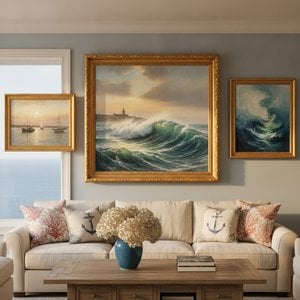
Bring the Ocean Home: Captivating Maritime Paintings to Transform Your Space with Timeless Elegance
Transform your home with breathtaking maritime oil paintings. From serene seascapes to dramatic nautical scenes, discover hand-painted reproductions that bring the ocean's soul to your space. Expertly crafted for collectors seeking timeless elegance and coastal tranquility.



