

 Vista previa
 Compartir
 Compartir
 Ver detalles

 Descargar
 Ver similares
 Radiografía
 Presentación de diapositivas
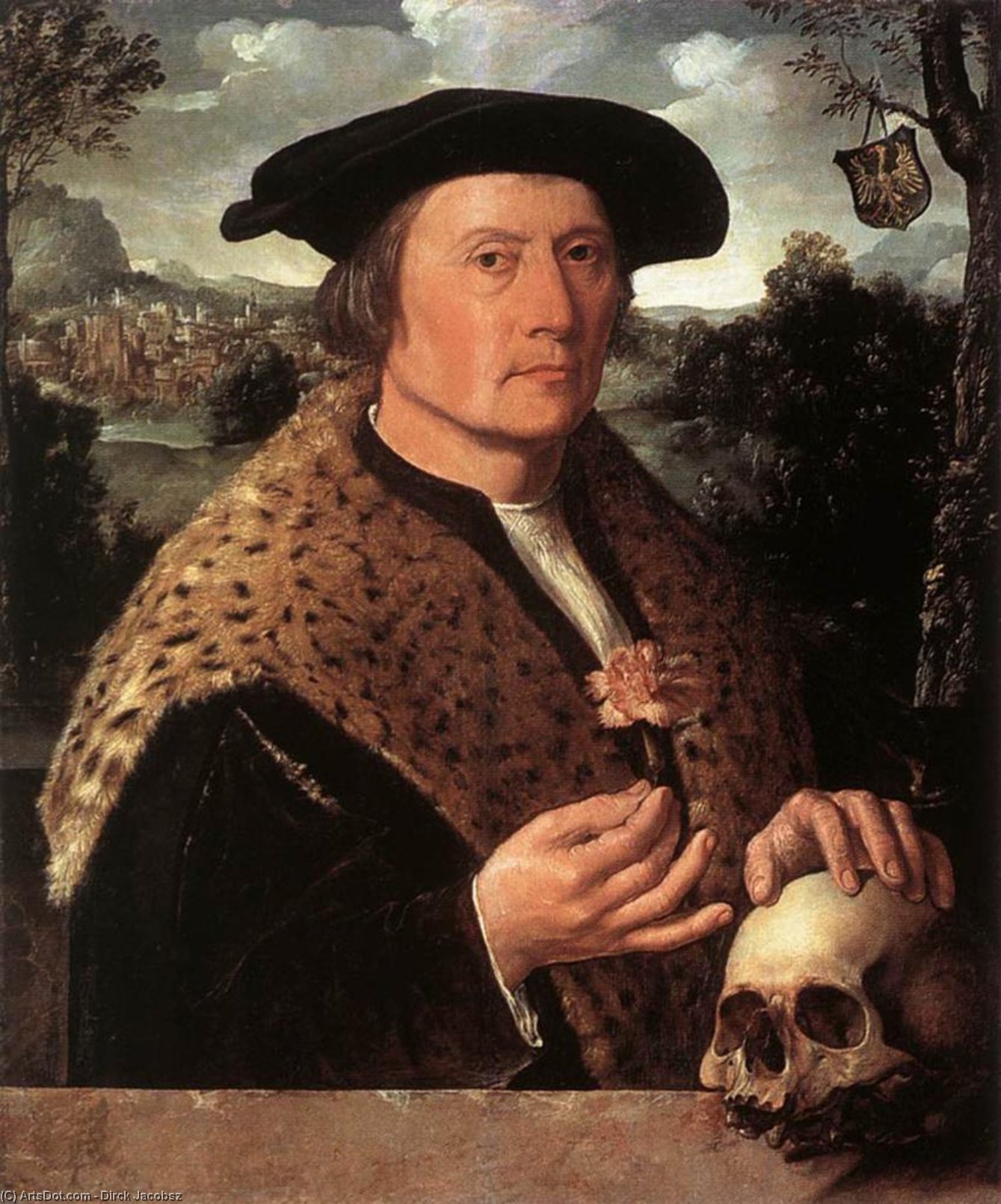
Pompeius Occo
 Oil On Canvas
- WallArt
- Renaissance
 1531
1531- Renaissance
 66.0 x 54.0 cm
 Rijksmuseum
 Leer más
Reproducción al óleo hecha a mano
Óleo sobre lienzo pintado a mano en el tamaño y marco de su elección, realizado por encargo por nuestros artistas. ( Cambiar a impresión Cambiar a imagen)




P118B $10

P118H $10

P118W $10

P438Z $10

P508JH $12

P508YH $12

P805H $10

P805Z $10

P919BZ $10

P919G $10

P919XJ $10

P959ZH $10

P968JZ $12

W106C $8

W218G $10

W218JH $8

W218Y $10

W307PJ $10

W316G $10

W316PJ $8

W316Y $10

W398PJ $8

W4111J $10

W500HY $15

W500JH $15

W692G $12

W849H $8

W940BG $15

W953PJ $8




Elija entre nuestros tamaños predefinidos que respetan las proporciones originales de la obra.

Puede ingresar sus propias dimensiones para adaptarse a un marco o espacio específico. Si el tamaño seleccionado no coincide con las proporciones de la imagen original, recortaremos la obra o extenderemos la pintura con elementos adicionales pintados a mano. Se le enviará una maqueta digital para su aprobación antes de comenzar la producción.
Tenga en cuenta que la vista previa en pantalla no refleja el recorte o la extensión reales. Solo la maqueta mostrará con precisión la composición final.
Si bien existen tamaños personalizados, recomendamos seleccionar una dimensión de la lista predefinida para preservar las proporciones originales.
Tras realizar el pedido, el equipo de ArtsDot.com enviará un correo electrónico al cliente para solicitar instrucciones y proporcionarle una vista previa del boceto.
Envío a todo el mundo () en 3-4 semanas en lugar de las 5 semanas estándar. (11 agosto). Sin comprometer la calidad.

Envío exprés gratuito a todo el mundo

Lienzo de lino de alta calidad

Seguro de envío completo

Garantía de reembolso de aranceles aduaneros

Garantía de fidelidad cromática exacta

Política de devolución de 60 días (solo por defectos)

Garantía de devolución del 100% del dinero

Oferta por volumen
 La opción de vidrio solo está disponible en tamaños inferiores a 110 cm.

Pompeius Occo
Técnica de reproducción
Tamaño de la reproducción
-


Precio total
$ 263
Descripción de la obra
A Study in Contemplation: The Portrait of Pompeius Occo
To gaze upon this portrait of Pompeius Occo is to step directly into the richly textured atmosphere of early sixteenth-century Dutch society. It is more than a mere likeness; it is a carefully constructed meditation on status, transience, and the weight of human existence. The gentleman depicted exudes an air of considerable wealth, suggested by the luxurious fur trimming adorning his hat and the meticulous rendering of his garments. Yet, this portrait resists simple admiration of earthly splendor. Instead, it draws the viewer into a profound dialogue between life’s vibrant pleasures and its inevitable conclusion.
Mastery of Technique and Form
The technical brilliance evident in this piece speaks to the high standards of the period's masters. Executed with what appears to be oil paint on canvas, the artist achieved a remarkable verisimilitude that continues to captivate. Observe the handling of light; it is dramatic, almost theatrical, carving out the contours of the face and catching the sheen of the fabric folds through stark contrasts of shadow and illumination. The background itself is a complex tapestry—a detailed cityscape interwoven with natural elements like trees and anchored by a heraldic shield. This depth, achieved through sophisticated perspective, pulls the eye beyond the sitter, suggesting a world both grand and contained.
The Weight of Symbolism
What elevates this work from portraiture to allegory are its potent symbolic props. In his hand, he delicately holds a single rose, an enduring emblem of beauty, love, or perhaps fleeting perfection. Juxtaposed against this bloom is the stark reality of the skull—the ultimate memento mori. This pairing forces the viewer into contemplation: how does one reconcile the ephemeral blush of life’s beauty with the cold certainty of death? The inclusion of these symbols transforms the portrait from a simple record of identity into a philosophical statement on the human condition, suggesting that true wisdom lies in acknowledging both.
Historical Echoes and Artistic Context
Dating to 1531, this work emerges from a period of intense cultural flowering in the Netherlands. While the artist’s biography connects him to the burgeoning genre of militia portraits—a reflection of civic pride—this specific piece adopts a more intimate, contemplative register. It speaks to an era where portraiture was not just about documenting rank, but about projecting inner virtue and worldly standing simultaneously. The combination of realistic rendering with deep symbolic undertones makes it a quintessential artifact of early Northern Renaissance thought.
Bringing the Contemplation Home
For the discerning collector or designer, this reproduction offers an unparalleled opportunity to integrate high art into a modern space. It does not merely decorate; it engages. The rich textures—the softness of the fur against the hard geometry of the architecture, the delicate curve of the rose against the stark bone of the skull—create a visual narrative that encourages pause and thought. Owning this piece is acquiring a conversation starter, a tangible link to the profound artistic concerns of the sixteenth century.
Obras relacionadas


Biografía del artista
Dirck Jacobsz (1497–1567): Pionero de los retratos de milicias holandesas
Dirck Jacobsz, cuyo lugar exacto de nacimiento permanece envuelto en el misterio —probablemente Ámsterdam—, se erige como una figura fundamental en el floreciente paisaje artístico de la Holanda del siglo XVI. Nacido en el seno de una familia profundamente arraigada en la tradición pictórica, recibió su formación inicial de la mano de su padre, Jacob Cornelisz van Oostsanen, lo que lo situó firmemente dentro del linaje artístico de su época. Sin embargo, el viaje creativo de Jacobsz floreció verdaderamente bajo la profunda influencia de Jan van Scorel, un también pintor de Ámsterdam cuyo estilo manierista cautivó su espíritu y moldeó su distintivo vocabulario visual. Esta afinidad estilística es particularmente evidente en ‘El Arquebusero’, completado alrededor de 1529, una obra monumental que consolidó la reputación de Jacobsz como uno de los artistas más destacados de la era y marcó el génesis de los retratos de milicias holandesas, un género que alteraría para siempre la representación artística de la vida civil.- Primeros años y formación: Los años formativos de Jacobsz estuvieron caracterizados por su inmersión en el entorno artístico de Ámsterdam, donde perfeccionó sus habilidades junto a maestros consagrados como Cornelisz van Asselen y Gerard Terwesten.
- Influencia manierista: La estética manierista de Jan van Scorel —caracterizada por una iluminación dramática, figuras estilizadas y un sentido intensificado de la emoción— sirvió como un catalizador indispensable para el desarrollo artístico de Jacobsz.
- El Arquebusero (1529): Esta pintura icónica representa el momento de consagración de Jacobsz, estableciéndolo como el progenitor del retrato de milicias holandés y demostrando su maestría en la composición y la técnica.
Matrimonio y familia: Estableciendo raíces en Ámsterdam
En 1550, Dirck Jacobsz contrajo matrimonio con Marritgen Gerritsdr., forjando un vínculo familiar que perduraría durante décadas. Juntos dieron la bienvenida a dos hijos a su vida —Maria dircksdr. y jacob dircksz.— quienes, por derecho propio, emprendieron sus propios caminos artísticos, continuando así el legado de expresión creativa de la familia. Esta tranquilidad doméstica proporcionó el escenario perfecto sobre el cual Jacobsz cultivó su oficio, consolidando su reputación como un pintor prolífico.Encargos notables y producción artística
La producción artística de Jacobsz se extendió mucho más allá de los retratos individuales; asumió encargos significativos para organizaciones cívicas y gremios, destacando especialmente la creación de dos retratos grupales tempranos de la corporación de tiradores de Ámsterdam, obras que hoy residen en el Museo del Hermitage de San Petersburgo. Estas pinturas monumentales ejemplifican la capacidad de Jacobsz para capturar dinámicas sociales complejas y transmitir un profundo significado simbólico a través de un detalle meticuloso y una ejecución magistral.Legado y trascendencia histórica
La contribución de Dirck Jacobsz a la historia del arte holandés trasciende la mera innovación estilística; él remodeló fundamentalmente la representación visual de la vida ciudadana, iniciando un género que se convertiría en sinónimo de los ideales humanistas del Renacimiento. Su influencia perdurable puede distinguirse en las generaciones posteriores de pintores que adoptaron sus sensibilidades manieristas y defendieron la representación de figuras prominentes dentro del contexto de sus comunidades. Sigue siendo una figura indispensable para comprender la evolución artística de Ámsterdam y la trayectoria más amplia de la pintura neerlandesa durante su edad de oro.
Dirck Jacobsz
1497 - 1567 , Países Bajos
Datos clave
- Artistic Movement Or Style: Manierismo
- Artists Who Influenced This Artist: ['Jan van Scorel']
- Date Of Birth: Amsterdam, Netherlands (1497)
- Date Of Death: 1567
- Full Name: Dirck Jacobsz
- Nationality: Holandés
- Notable Artworks:
- El Crucifixos
- Grupo de Ciudadanos Militares
- Place Of Birth: Amsterdam
Artículos relacionados

Los 10 Maestros del Siglo de Oro Holandés: Arte, Historia y Decoración Exclusiva
Descubre los 10 imprescindibles del Siglo de Oro Holandés: Rembrandt, Vermeer y más. Explora la historia, técnica y belleza de estos lienzos clásicos. Encuentra reproducciones de arte exclusivas para decorar tu hogar en .

Reflejos de una Época Dorada: La Pintura Barroca Holandesa y la Innovación Cultural
Descubra la riqueza y el detalle de la pintura barroca holandesa del Siglo de Oro. Explore las obras maestras de Rembrandt, Vermeer y otros artistas clave. Análisis experto e historia cultural.

La Luz y la República: Innovación Artística en el Siglo de Oro Neerlandés
Descubra la innovación artística del Siglo de Oro Neerlandés. Explore las obras maestras de Rembrandt y Vermeer, técnicas revolucionarias y el legado perdurable de este florecimiento cultural. ¡Sumérjase en la luz y la belleza!
Illuminating Realism: Exploring the Dutch Golden Age of Painting (1600-1700)
Explore the Dutch Golden Age of painting (1600-1700) with ArtsDot. Discover Rembrandt, Vermeer & other masters. Learn about techniques, history & find museum-quality reproductions.

Charles Leickert: Capturing the Dutch Golden Age Light – A Comprehensive Study of Technique, Context, and Legacy
Explore the captivating winter landscapes of Charles Leickert, a master of Dutch Golden Age light & atmosphere. Discover his techniques, symbolism, and lasting legacy – a comprehensive study for art enthusiasts and collectors.

