

 Ver en contexto
 Enviar
 Compartir
 Detalles
 Guía
Guía

 Descargar
 Similares
 Radiografía
 Presentación de diapositivas
 Preguntas y respuestas
 Estadísticas
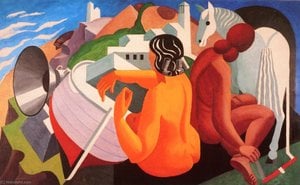
Nude with Calla Lilies

- 157.0 x 124.0 cm


 Ver más
La obra de arte que se muestra en esta página está protegida por las leyes de propiedad intelectual, lo que significa que no podemos crear ni vender legalmente una reproducción idéntica. Esta protección se hace cumplir en virtud de acuerdos internacionales como el Convenio de Berna y por las leyes nacionales, incluidas aquellas establecidas por el Ley de derechos de autor de los EE. UU. - Título 17.
Este método cumple plenamente con las normativas de derechos de autor, ya que no implica la copia ni la duplicación de la obra protegida. En su lugar, se trata de una reinterpretación creativa: una nueva pintura influenciada por la original, pero que no es idéntica a ella.
Giclée / Impresión de arte
Impresiones giclée o en lienzo de calidad de museo con producción rápida y opciones de acabado flexibles. ( Comprar pintura hecha a mano Cambiar a imagen digital)




P118B €10

P118H €10

P118W €10

P438Z €10

P508JH €12

P508YH €12

P805H €10

P805Z €10

P919BZ €10

P919G €10

P919XJ €10

P959ZH €10

P968JZ €12

W106C €8

W218G €10

W218JH €8

W218Y €10

W307PJ €10

W316G €10

W316PJ €8

W316Y €10

W398PJ €8

W4111J €10

W500HY €15

W500JH €15

W692G €12

W849H €8

W940BG €15

W953PJ €8




Elija entre nuestros tamaños predefinidos que respetan las proporciones originales de la obra.

Introduzca el ancho y el alto que necesite para adaptarse a su marco o pared. Una impresión solo puede recortarse, nunca hacerse más grande que la imagen original, por lo que un tamaño con una forma distinta perderá parte de la obra. Le enviaremos una maqueta digital para su aprobación antes de realizar cualquier impresión. La imagen que se muestra en esta página no refleja el recorte real; solo la maqueta lo hace.
Envío a todo el mundo () en 2 semanas en lugar de las 4/5 semanas estándar. (4 noviembre)

Envío exprés gratuito a todo el mundo

Lienzo de lino de alta calidad

Seguro de envío total

Garantía de reembolso de aranceles aduaneros

Garantía de fidelidad cromática exacta

Política de devolución de 100 días (solo por defectos)

Garantía de devolución del 100% del dinero

Descuento por cantidad
 La opción de vidrio solo está disponible en tamaños inferiores a 110 cm.

Nude with Calla Lilies
Giclée / Impresión de arte
Dimensiones de la reproducción
-


Precio total final
€ 56
Diego Rivera's Nude with Calla Lilies: A Study in Sensuality and Art Deco
Diego Rivera’s “Nude with Calla Lilies,” completed in 1944, is more than just a depiction of a reclining figure; it’s a potent distillation of the artist’s core aesthetic – a masterful blend of raw sensuality, profound connection to nature, and the elegant formalism of Art Deco. This painting, measuring 157 x 124 cm, immediately draws the viewer into a world where the vulnerability of the human form intertwines with the opulent beauty of the calla lilies, creating an image that resonates with both eroticism and quiet contemplation.
- Subject Matter: The central figure, rendered in a strikingly direct manner, is presented in a state of repose, her back turned to the observer. This deliberate choice invites intimacy, encouraging the viewer to become a silent participant in this private moment.
- Floral Symbolism: The overwhelming presence of calla lilies is crucial to understanding Rivera’s intent. As he frequently employed, these flowers served as potent symbols – particularly representing phallic symbolism and fertility. Their stark white petals amplify the painting's sensual undertones while simultaneously grounding the scene in a naturalistic setting.
- Art Deco Influence: The composition itself is firmly rooted in the principles of Art Deco. Clean lines, geometric forms subtly suggested within the arrangement of the lilies, and a restrained palette contribute to a sense of sophisticated order. This stylistic choice reflects Rivera’s engagement with contemporary design trends and his desire to create works that were both visually arresting and intellectually stimulating.
A Painter's Context: Rivera Within Mexico's Artistic Landscape
Rivera’s “Nude with Calla Lilies” emerged during a pivotal moment in Mexican art history, following the completion of his monumental murals at the National Institute of Cardiology and preceding his ambitious project, "Tenochtitlan." This period saw him refining his artistic voice, exploring themes of social justice and human connection while simultaneously embracing his fascination with classical beauty. Notably, Rivera shared a kinship with Frida Kahlo, another towering figure in Mexican art, both artists dedicated to depicting peasant life on smaller canvases, though their approaches differed significantly. Kahlo’s “Portrait of Dona Rosita Morillo” demonstrates a similar focus on sensuality and eroticism within a domestic setting, highlighting the shared artistic concerns that bound these two revolutionary figures.
Technique and Materials: Oil on Panel – A Legacy of Craft
The artwork is executed in oil on panel, a technique favored by Rivera for its ability to capture subtle nuances of light and shadow. The smooth application of paint creates a luminous effect, particularly evident in the delicate petals of the calla lilies. Rivera’s meticulous attention to detail – from the texture of the woman's skin to the arrangement of the flowers – speaks to his dedication to craft and his desire to create works that were both aesthetically pleasing and emotionally resonant. The panel support allowed for a level of control and precision essential to Rivera’s distinctive style.
Museum Connections & Historical Significance
The painting's evolution is intertwined with the legacy of Diego Rivera himself. Originally housed in the Museo Dolores Olmedo, its current location reflects Rivera’s commitment to preserving and sharing his artistic vision. The connection to the Frida Kahlo Museum (Casa Azul) underscores the shared cultural heritage and artistic dialogues that shaped Mexico’s vibrant art scene. “Nude with Calla Lilies” stands as a testament to Rivera's enduring influence, offering a compelling glimpse into his creative process and his profound engagement with themes of beauty, sexuality, and social commentary.
Preguntas y respuestas
¿Cómo se describe la atmósfera de "Nude with Calla Lilies" de Diego Rivera?
El ambiente general de "Nude with Calla Lilies" de Diego Rivera es Romantic. Esta atmósfera describe la esencia de la obra.
¿Es "Nude with Calla Lilies" de Diego Rivera una obra de arte reconocida?
"Nude with Calla Lilies" de Diego Rivera tiene un nivel de popularidad Recognized. Esta clasificación refleja el grado de reconocimiento de la obra.
¿Cómo equilibra la luz y la sombra "Nude with Calla Lilies"?
Los valores registrados para "Nude with Calla Lilies" de Diego Rivera son: balanced de brillo y Gentle Luminance de luminancia.
Obras relacionadas




![Seated Nude With Raised Arms [desnudo Sentado Con Brazos Levantados (frida Kahlo)] — Diego Rivera, Social Realism](/media/artworks/images-thumb/64/7a/647aa47374e4603dc3a49d246d953b33.jpg)
Biografía del artista
Vida Temprana y Formación Artística
- Nacido: 8 de diciembre de 1886, Guanajuato, México
- Fallecido: 24 de noviembre de 1957
- La trayectoria artística de Diego Rivera comenzó temprano; mostró interés por el arte desde la edad de tres años.
- Estudió en la Academia de San Carlos en Ciudad de México.
- Teodoro A. dehesa Méndez patrocinó sus estudios en Europa, comenzando en 1907.
- Inicialmente estudió con Eduardo Chicharro en Madrid, España.
- Se trasladó a París, Francia, convirtiéndose en parte de la comunidad artística del Montparnasse.
Influencias Europeas y Desarrollo Artístico
- Su obra europea temprana estuvo influenciada por el Realismo.
- La exposición al Cubismo impactó significativamente su estilo después de 1912.
- Influenciado por artistas como Pablo Picasso y Georges Seurat.
- Sus pinturas durante este período comenzaron a incorporar formas geométricas y planos que se cruzan, reflejando el movimiento cubista.
Regreso a México y el Movimiento Muralista Mexicano
- Rivera regresó a México en 1921, un momento crucial en su carrera.
- Se convirtió en una figura líder del Movimiento Muralista Mexicano, con el objetivo de crear arte público accesible para todos.
- Sus murales a menudo representaban escenas de la historia y los temas sociales mexicanos.
- Obras tempranas notables incluyen "Creación" (1922) y murales en la Secretaría de Educación Pública en Ciudad de México.
Obras Principales y Estilo Artístico
- Creación (1922): Su primer mural significativo, utilizando la técnica del encáustico.
- Sueños de un Domingo en la Alameda: Controvertido por su representación del ateísmo.
- Murales de la Secretaría de Educación Pública: Mostró su estilo único con figuras grandes y simplificadas y colores audaces influenciados por el arte azteca.
- Murales de la Industria de Detroit (1933): Encargado para el Instituto de Artes de Detroit, representando procesos industriales y trabajadores.
- Estilo de Rivera: Se caracteriza por una escala monumental, formas simplificadas, colores vibrantes y un enfoque en narrativas sociales e históricas. Incorporó elementos del arte folclórico mexicano y la estética precolombina en su obra.
Legado y Significado Histórico
- Diego Rivera es considerado uno de los artistas más importantes del siglo XX.
- Sus murales son ejemplos significativos del realismo social y el arte público.
- Jugó un papel crucial en el establecimiento del Muralismo Mexicano como un movimiento artístico influyente.
- Su obra refleja sus creencias políticas, particularmente sus puntos de vista marxistas.
- Su vida personal, incluido su matrimonio con Frida Kahlo, ha contribuido a su perdurable fama y significado cultural.

Diego Rivera
1886 - 1957 , México
Datos clave
- Artistas Que Influyeron:
- El Greco
- Francisco Goya
- Diego Velázquez
- Pablo Picasso
- Fecha De Fallecimiento: 24 de noviembre de 1957
- Fecha De Nacimiento: 8 de diciembre de 1886
- Lugar De Nacimiento: Guanajuato, México
- Movimiento Artístico: Muralismo Mexicano
- Nacionalidad: Mexicano
- Nombre Completo: Diego Rivera
- Obras Notables:
- Creación (1922)
- Sueño de una tarde dominical
- Detroit Industry Murals
Artículos relacionados

Revolution on Canvas: Exploring the Socio-Political Power & Artistic Legacy of Mexican Muralism
Explore the powerful world of Mexican muralism! Discover Diego Rivera, Frida Kahlo & Orozco's revolutionary art, social impact & lasting legacy. Expert insights & high-quality reproductions at ArtsDot.

The Gleaming Geometry of Desire: Exploring Art Deco's Enduring Influence on Visual Culture
Explore the captivating world of Art Deco! Discover its history, key characteristics, enduring influence on design & collecting with expert insights from ArtsDot.com.

The Enduring Allure of the Nude: A Historical & Artistic Exploration of the Human Form
Explore the captivating history of nude art! Discover iconic paintings & artists from classical to modern eras. Uncover symbolism, techniques & find museum-quality reproductions at ArtsDot.

Diego Rivera: A Revolutionary Vision of Mexican Identity Through Muralism
Explore the revolutionary murals of Diego Rivera and his profound impact on Mexican art & identity. Discover his techniques, iconic works like 'Man at the Crossroads,' and lasting legacy with ArtsDot.

La Edad Dorada Reinterpretada: Explorando los Principios Estéticos y el Legado Duradero del Art Déco
Descubre la elegancia atemporal del Art Déco. Explora su historia, características clave y artistas emblemáticos. Encuentra inspiración y obras exclusivas para decorar con estilo en ArtsDot.


