

 Vista previa
 Compartir
 Compartir
 Ver detalles

 Descargar
 Ver similares
 Radiografía
 Presentación de diapositivas
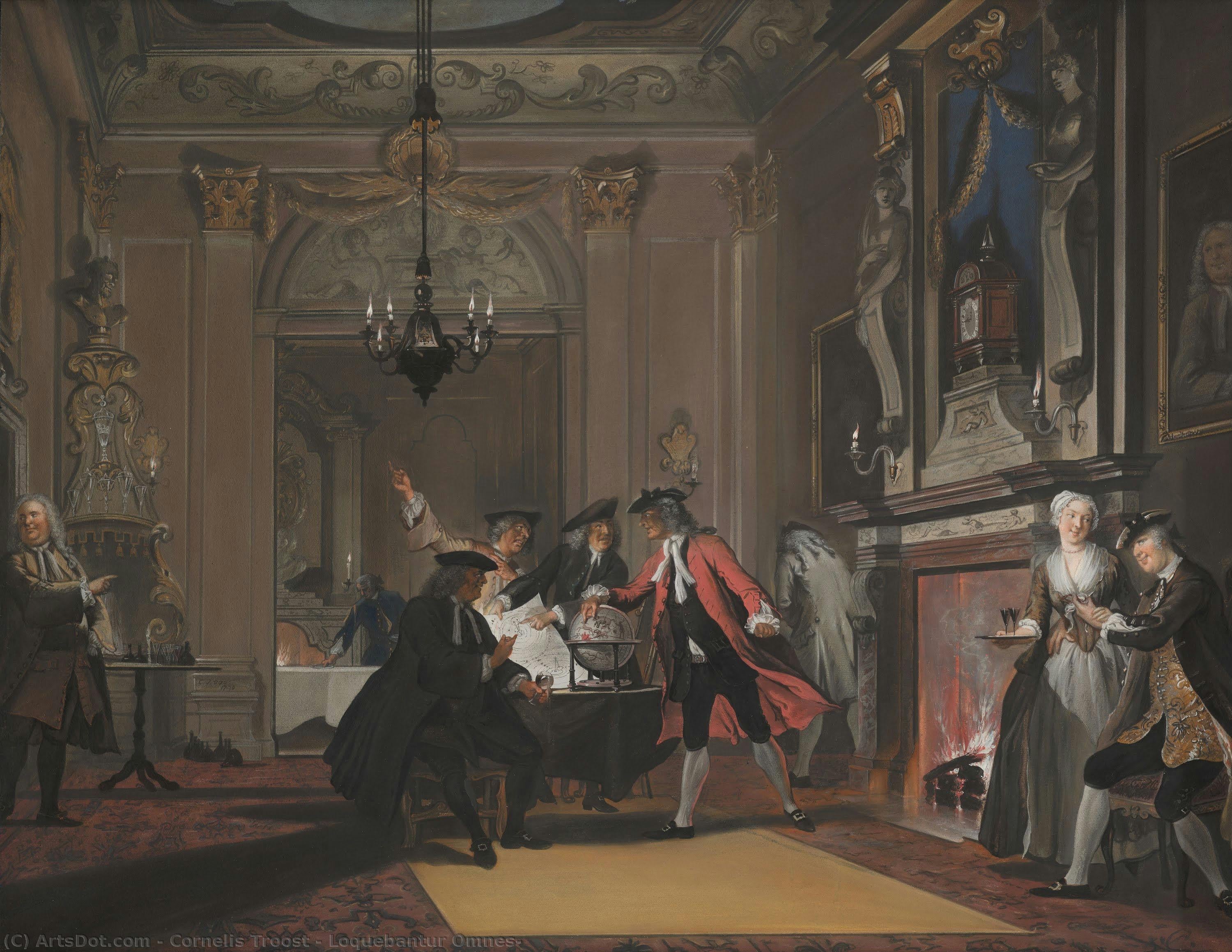
Loquebantur Omnes


 Leer más
Giclée / Impresión de arte
Impresiones giclée o en lienzo de calidad de museo con producción rápida y opciones de acabado flexibles. ( Encargar reproducción pintada a mano Comprar descarga)




P118B $10

P118H $10

P118W $10

P438Z $10

P508JH $12

P508YH $12

P805H $10

P805Z $10

P919BZ $10

P919G $10

P919XJ $10

P959ZH $10

P968JZ $12

W106C $8

W218G $10

W218JH $8

W218Y $10

W307PJ $10

W316G $10

W316PJ $8

W316Y $10

W398PJ $8

W4111J $10

W500HY $15

W500JH $15

W692G $12

W849H $8

W940BG $15

W953PJ $8




Elija entre nuestros tamaños predefinidos que respetan las proporciones originales de la obra.

Puede introducir sus propias dimensiones para adaptarse a un marco o espacio específico. Si el tamaño seleccionado no coincide con las proporciones de la imagen original, recortaremos la obra de arte o extenderemos la imagen con un borde con efecto espejo o de color sólido. Se enviará una maqueta digital para su aprobación antes de que comience la producción.
Tenga en cuenta que la vista previa en pantalla no refleja el recorte o la extensión real. Solo la maqueta mostrará con precisión la composición final.
Aunque existen tamaños personalizados, recomendamos seleccionar una dimensión de la lista predefinida para preservar las proporciones originales.
Envío a todo el mundo () en 2 semanas en lugar de las 4/5 semanas estándar. (13 agosto)

Envío exprés gratuito a todo el mundo

Lienzo de lino de alta calidad

Seguro de envío completo

Garantía de reembolso de aranceles aduaneros

Garantía de fidelidad cromática exacta

Política de devolución de 60 días (solo por defectos)

Garantía de devolución del 100% del dinero

Oferta por volumen
 La opción de vidrio solo está disponible en tamaños inferiores a 110 cm.

Loquebantur Omnes
Giclée / Impresión de arte
Tamaño de la reproducción
-


Precio total
$ 62
Descripción de la pieza
Loquebantur Omnes: A Window into Amsterdam’s Golden Age
Cornelis Troost's "Loquebantur Omnes" (Everyone Was Speaking), painted in 1740, isn’t merely a depiction of a convivial evening; it’s a meticulously crafted snapshot of Amsterdam’s vibrant social scene during the height of its Golden Age. This pastel masterpiece, now housed within the Mauritshuis museum in The Hague, offers a captivating glimpse into the lives and leisure activities of the city's elite – a world of refined conversation, spirited debate, and, ultimately, unrestrained indulgence. Troost, transitioning from his theatrical beginnings as an actor to a celebrated painter, masterfully captures the atmosphere of a gathering where propriety gradually yields to boisterous revelry.
The scene unfolds within a richly appointed room, dominated by opulent chandeliers that cast a warm, inviting glow upon the assembled gentlemen. Their attire – elaborate coats, silk waistcoats, and powdered wigs – speaks volumes about their status and wealth. The composition is carefully balanced; figures are arranged around a table laden with wine glasses and plates of food, while others mingle in conversation or observe the unfolding merriment. Notice the subtle details: the expressions on the faces, the gestures of animated discussion, the overflowing goblets—all contribute to a palpable sense of lively interaction.
Technique and Materials: A Masterful Blend
Troost’s choice of medium – pastel and gouache on paper – is particularly noteworthy. Pastel, with its delicate pigment and ability to create subtle gradations of tone, lends itself beautifully to capturing the nuances of light and shadow, as well as the fleeting expressions on the faces of his subjects. The addition of gouache, an opaque watercolor, provides depth and richness to the colors, anchoring the scene within a believable space. This combination creates a luminous quality that is both delicate and remarkably detailed. The layering of these techniques demonstrates Troost’s technical skill and his understanding of how to achieve a harmonious visual effect.
Furthermore, the painting's size – 565 x 725 mm – allows for an intimate portrayal of the scene, drawing the viewer into the heart of the gathering. The artist’s attention to detail is evident in every brushstroke, from the intricate folds of the clothing to the reflections in the wine glasses. The use of a slightly elevated perspective subtly emphasizes the social hierarchy within the group, with some figures positioned closer to the viewer and others receding into the background.
Symbolism and Narrative
Beyond its immediate visual appeal, “Loquebantur Omnes” is rich in symbolic meaning. The title itself – derived from a Latin phrase – suggests a narrative arc: a progression from restrained conversation to unrestrained revelry. The painting’s depiction of the gentlemen gradually becoming increasingly intoxicated and boisterous mirrors this shift. It's a commentary on the excesses of the wealthy class, a subtle critique masked within a scene of apparent merriment. The inclusion of objects like wine glasses and plates of food further reinforces the theme of indulgence and conviviality.
The painting’s composition also subtly alludes to classical themes of social interaction and entertainment. It echoes the depictions of symposiums found in ancient Greek art, where philosophers and intellectuals gathered to discuss important matters – albeit with a distinctly Dutch twist. The scene is not simply a portrait; it's a carefully constructed tableau that invites contemplation on the nature of society, pleasure, and human behavior.
A Legacy of Rococo Elegance
Cornelis Troost’s “Loquebantur Omnes” stands as a quintessential example of Dutch Rococo art. His ability to capture both the elegance and the underlying humor of his subjects is a hallmark of his style. The painting's enduring appeal lies in its ability to transport the viewer back to Amsterdam’s Golden Age, offering a glimpse into a world of refined tastes, spirited conversation, and ultimately, a cautionary tale about the perils of excess. Reproductions of this captivating work continue to delight art enthusiasts and collectors alike, preserving Troost’s legacy as one of the most significant figures in Dutch painting history.
Obras relacionadas


Biografía del artista
Una ventana a la Edad de Oro de Ámsterdam
Cornelis Troost, un nombre inextricablemente ligado al vibrante tapiz del Ámsterdam del siglo XVIII, fue mucho más que un simple artista; fue un observador agudo y un maestro en el registro de su época. Nacido en el corazón de la República Holandesa el 8 de octubre de 1696, en Ámsterdam, la trayectoria de Troost, desde aspirante a actor hasta célebre pintor, revela una fascinante confluencia de pasiones artísticas y transformación personal. Formado inicialmente como intérprete sobre las tablas, encontró su verdadera vocación no entre los aplausos y el drama, sino dentro del detalle meticuloso y los sutiles matices de la pintura. La trayectoria de su vida está marcada por un cambio deliberado: un rechazo consciente del foco de atención en favor de la contemplación silenciosa de las pinceladas, lo que finalmente lo llevó a convertirse en una de las figuras más significativas del arte de género rococó holandés.
La educación artística de Troost comenzó bajo la tutela de Arnold Boonen, un respetado retratista que reconoció el talento innato de su alumno. Este aprendizaje proporcionó una base crucial, pero fueron los primeros dibujos de Troost los que verdaderamente mostraron su estilo distintivo, particularmente uno fechado en 1708 que representa al príncipe Eugenio de Saboya y al notorio librero y espía Louis Renard, participando en actividades clandestinas dentro de un lujoso burdel de Ámsterdam. Esta pieza, rebosante de ingenio e intriga, insinuaba los temas que más tarde exploraría con una habilidad tan cautivadora: las complejidades de la vida social, el atractivo del placer y las corrientes ocultas bajo la apariencia de respetabilidad.
La elegancia del Rococó y la narrativa social
A medida que su carrera maduraba, Troost se convirtió en un maestro al capturar el delicado equilibrio entre la frivolidad y la sofisticación. Su obra estuvo indudablemente influenciación por las tendencias artísticas predominantes de su tiempo, incluyendo las composiciones dramáticas de William Hogarth, conocido por sus representaciones satíricas de la sociedad londinense, y la elegante gracia de maestros franceses como Watteau, Boucher y Lancret. Esta síntesis del realismo holandés y la elegancia del Rococó francés le permitió crear obras que estaban profundamente arraigadas en la realidad local y, al mismo tiempo, eran exquisitamente refinadas.
Su repertorio era notablemente diverso, abarcando desde retratos íntimos hasta monumentales composiciones grupales. Algunas de sus contribuciones más perdurables al mundo del arte incluyen:
- Retrato de los Inspectores del Collegium Medicum (1724): Una impresionante pintura al óleo rococó que muestra la cumbre de la maestría artística holandesa del siglo XVIII y la elegancia institucional.
- Retrato de Maria Magdalena Stavenisse (c. 1726): Una obra maestra barroca que utiliza detalles refinados para exhibir la riqueza y el estatus aristocrático.
- Regentes del Orfanato Aalmoezeniersweeshuis (1729): Un monumental retrato de grupo que sirve como una ventana a las estructuras sociales de Ámsterdam, utilizando una iluminación dramática y un entorno opulento para transmitir un sentido de importancia cívica.
El legado de un maestro observador
La importancia de Cornelis Troost reside en su capacidad para actuar como un historiador visual de un período de transición. Si bien la era de los grandes maestros del Siglo de Oro holandés ya había pasado, Troost insufló nueva vida a la tradición neerlandesa al dotarla de la alegría y el encanto decorativo del movimiento Rococó. Sus pinturas no se limitan a representar rostros; capturan el espíritu de una era: el crujir de la seda, el parpadeo de la luz de las velas y las sutiles jerarquías sociales de la clase alta de Ámsterdam.
A través de sus ingeniosos retratos y cautivadoras escenas de género, Troost dejó un legado que continúa encantando a los espectadores. Permanece como una figura fundamental que tendió un puente entre las pesadas y dramáticas tradiciones del siglo XVII y la estética ligera y elegante del siglo XVIII, asegurando que los matices sociales de su amada Ámsterdam quedaran preservados en pigmento para las generaciones venideras.

Cornelis Troost
1696 - 1750 , Países Bajos
Datos clave
- Artistic Movement Or Style: Rococo género
- Artists Or Movements Influenced By This Artist: ['Sara Troost']
- Artists Who Influenced This Artist:
- Hogarth
- Watteau
- Date Of Birth: 8 Oct. 1696
- Date Of Death: 7 Mar. 1750
- Full Name: Cornelis Troost
- Nationality: Holandés
- Notable Artworks:
- NELRI series
- Jeronimus Tonneman
- Place Of Birth: Amsterdam, Netherlands
Artículos relacionados

Rococó: 10 Obras Maestras que Definieron una Época | Arte y Decoración en
Descubre las 10 obras maestras del Rococó que marcaron una época. Explora la elegancia de Fragonard, Boucher y Watteau en . Reproducciones de arte de calidad museo para decorar tu hogar con estilo.

The Subdued Radiance of Pastel: Exploring Nuance & Emotion in Art
Explore the nuanced world of pastel art! Discover its history, techniques & emotional power with expert insights from ArtsDot.com. Find museum-quality reproductions and learn about collecting this delicate medium.

La Estética Rococó: Opulencia, Rebelión y Placer en el Arte del Siglo XVIII
Descubre la fascinante estética rococó: su historia, características clave y los artistas más influyentes del siglo XVIII. Un análisis profundo para amantes del arte y coleccionistas.

La Sutileza del Pastel: Técnica, Historia y Resonancia Emocional en el Arte
Descubre la sutileza del pastel: técnica, historia y artistas clave como Degas y Renoir. Guías expertas sobre materiales, conservación y cómo expresar emociones a través de este bello arte.

The Allure of Elegance in Art: A Historical & Aesthetic Exploration of Refinement & Grace
Explore the exquisite world of Rococo art! Discover its history, masters (Watteau, Boucher & more), and defining elegance. Expert insights for collectors seeking museum-quality reproductions & custom portraits.

