


 Vista previa
 Compartir
 Compartir
 Ver detalles
 Guía
Guía

 Descargar
 Ver artículos similares
 Radiografía
 Presentación de diapositivas
 Estadísticas
Self Portrait


 Leer más
Reproducción al óleo hecha a mano
Óleo sobre lienzo pintado a mano en el tamaño y marco de su elección, realizado por encargo por nuestros artistas. ( Cambiar a formato impreso Ver versión en imagen digital)




P118B $10

P118H $10

P118W $10

P438Z $10

P508JH $12

P508YH $12

P805H $10

P805Z $10

P919BZ $10

P919G $10

P919XJ $10

P959ZH $10

P968JZ $12

W106C $8

W218G $10

W218JH $8

W218Y $10

W307PJ $10

W316G $10

W316PJ $8

W316Y $10

W398PJ $8

W4111J $10

W500HY $15

W500JH $15

W692G $12

W849H $8

W940BG $15

W953PJ $8




Elija entre nuestros tamaños predefinidos que respetan las proporciones originales de la obra.

Puede ingresar sus propias dimensiones para adaptarse a un marco o espacio específico. Si el tamaño seleccionado no coincide con las proporciones de la imagen original, recortaremos la obra o extenderemos la pintura con elementos adicionales pintados a mano. Se le enviará una maqueta digital para su aprobación antes de comenzar la producción.
Tenga en cuenta que la vista previa en pantalla no refleja el recorte o la extensión reales. Solo la maqueta mostrará con precisión la composición final.
Si bien existen tamaños personalizados, recomendamos seleccionar una dimensión de la lista predefinida para preservar las proporciones originales.
Tras realizar el pedido, el equipo de ArtsDot.com enviará un correo electrónico al cliente para solicitar instrucciones y proporcionarle una vista previa del boceto.
Envío a todo el mundo () en 3-4 semanas en lugar de las 5 semanas estándar. (25 septiembre). Sin comprometer la calidad.

Envío exprés gratuito a todo el mundo

Lienzo de lino de alta calidad

Seguro de envío completo

Garantía de reembolso de impuestos aduaneros

Garantía de fidelidad cromática exacta

Política de devolución de 100 días (solo por defectos)

Garantía de devolución del 100% del dinero

Oferta por volumen
 La opción de vidrio solo está disponible en tamaños inferiores a 110 cm.

Self Portrait
Técnica de reproducción
Tamaño de la reproducción
-


Precio total
$ 263
Charles Willson Peale’s “The Artist in His Museum” – A Window into Early American Identity
Charles Willson Peale's 1822 self-portrait, "The Artist in His Museum," is far more than a simple depiction of an aging painter. It’s a meticulously constructed tableau vivant—a staged scene brimming with symbolism and offering a profound glimpse into the burgeoning identity of early America. Painted during a period of intense national formation, Peale sought to capture not just his own likeness but also the spirit of a nation striving to define itself through art, science, and a celebration of its natural heritage.
The painting immediately draws the eye with its dramatic lighting—a stark contrast between the deep crimson curtain concealing the museum’s interior and the softer illumination that highlights Peale's face. This theatrical effect wasn’t merely for aesthetic appeal; it served to elevate the artist, positioning him as a central figure within this carefully curated world. The composition is layered, inviting the viewer to explore multiple levels of meaning. In the foreground, we see Peale himself, his silver hair and thoughtful expression suggesting both wisdom and a touch of melancholy. He’s not simply posing; he's actively engaging with his surroundings, as if presenting them to an unseen audience.
A Cabinet of Curiosities: Symbolism and Natural History
Beyond Peale’s portrait lies the meticulously arranged collection within the museum—a veritable cabinet of curiosities that speaks volumes about the era's fascination with both the natural world and the pursuit of knowledge. A dead wild turkey, carefully taxidermied alongside Peale’s tools, represents a connection to American wilderness and a celebration of its bounty. Nearby, a majestic bald eagle, also preserved in meticulous detail, embodies national pride and the ideals of freedom. These specimens aren't merely decorative; they are tangible reminders of America’s unique natural resources and the burgeoning scientific spirit that sought to understand and classify them.
The inclusion of a paddlefish from the Allegheny River—a relatively obscure specimen—demonstrates Peale’s commitment to showcasing both familiar and exotic elements within his collection. Even more striking is the mastodon skeleton, a relic of a prehistoric past, symbolizing America's vastness and its place in the grand sweep of geological time. These objects weren’t simply displayed; they were presented as evidence of American progress—a testament to the nation’s ability to both preserve the past and embrace the future.
Neoclassical Portraiture and a Reflection on Time
Technically, “The Artist in His Museum” is a prime example of Neoclassical portraiture, characterized by its realistic representation and emphasis on capturing likeness. Peale employs smooth brushstrokes and subtle gradations of tone to create a sense of depth and volume, particularly in the rendering of his own face. The muted earth tones of the palette—dominated by browns, reds, and creams—lend the painting a dignified and contemplative mood. The inclusion of a partially visible paintbrush hints at Peale’s profession as a painter, further anchoring the scene within the realm of artistic creation.
However, the painting transcends mere portraiture. It's also a meditation on time and legacy. Peale, nearing eighty years old, is depicted not as a fading figure but as an active participant in his own museum—a guardian of knowledge and a symbol of American ingenuity. The scene suggests that art and science are inextricably linked, both serving to illuminate the human experience and preserve it for posterity.
A Legacy of Innovation and Artistic Vision
Charles Willson Peale’s “The Artist in His Museum” is more than just a painting; it's a microcosm of early America—a testament to the nation’s burgeoning identity, its embrace of scientific inquiry, and its celebration of artistic achievement. Peale’s vision extended beyond simply creating beautiful images; he sought to educate and inspire, establishing the Philadelphia Museum as one of the first American museums and laying the foundation for a new era of cultural exploration. Reproductions of this iconic work offer a captivating window into a pivotal moment in American history—a reminder that art can be both a reflection of our past and a vision of our future.
Obras relacionadas


![The Procession To Calvary [detail] — Pieter Bruegel El Viejo, Northern Mannerism](/media/artworks/images-thumb/cd/6e/cd6ed1a8a9ff3f207ad25305adfeb0f7.jpg)


Biografía del artista
Charles Willson Peale: Una Vida de Arte, Ciencia y Patriotismo
- Nacido: 15 de abril de 1741, Chester, Condado de Queen Anne, Maryland
- Fallecido: 22 de febrero de 1827, Filadelfia, Pensilvania
Primeros Años y Formación Artística
- La primera etapa de la vida de Peale estuvo marcada por dificultades económicas tras la muerte de su padre. Se formó como artesano en el oficio de sillero antes de descubrir su pasión por el arte.
- Recibió formación inicial de John Hesselius y estudió brevemente con John Singleton Copley, demostrando una aptitud temprana para el retrato.
- Un período crucial en su desarrollo fue su tiempo estudiando bajo la tutela de Benjamin West en Londres (1767-1770). Esta exposición a las tendencias artísticas europeas influyó significativamente en su estilo.
Carrera Artística y Obras Principales
- Retratista: Peale es conocido principalmente por sus retratos de figuras destacadas de la Revolución Americana, incluyendo numerosas representaciones de George Washington (casi sesenta en total). Estos retratos son valiosos documentos históricos además de logros artísticos.
- Estilo: Su estilo evolucionó con el tiempo, inicialmente influenciado por el enfoque neoclásico de West pero posteriormente incorporando elementos de realismo y un deseo de capturar la semejanza con precisión.
- Obras Notables:
- George Washington (1772): Marcó el comienzo de su larga asociación con Washington.
- El Grupo de la Escalera (c. 1795): Un ejemplo llamativo del "trompe l'oeil", que representa a sus hijos Raphael y Titian como si fueran parte del entorno arquitectónico.
Intereses Científicos y el Museo Americano de Peale
- Peale era un apasionado naturalista y científico, organizando expediciones para estudiar la historia natural.
- Fundó el Museo Americano de Peale en Filadelfia (1784), uno de los primeros museos en los Estados Unidos. Albergaba especímenes botánicos, biológicos y arqueológicos.
- El museo jugó un papel importante en la popularización de la ciencia y la educación en América. Era particularmente conocido por sus exhibiciones de huesos de mamut lanudo, adquiridos a través de una expedición en 1801.
- Se enseñó a sí mismo taxidermia para preservar especímenes para el museo, demostrando sus diversas habilidades.
Legado y Significado Histórico
- El trabajo de Peale une la brecha entre el arte y la ciencia, reflejando los ideales de la Ilustración de su época.
- Sus retratos proporcionan valiosos registros visuales de figuras clave en la historia estadounidense.
- La fundación del Museo Americano de Peale fue un esfuerzo pionero que ayudó a establecer el museo como una institución importante para la educación y la exploración científica.
- Influyó en generaciones posteriores de artistas y científicos, contribuyendo significativamente al desarrollo de la cultura americana.
- Su legado familiar continuó a través de sus hijos, incluyendo James Peale y Rubens Peale, quienes también se convirtieron en artistas consumados y contribuyeron a la colección del museo.

Charles Willson Peale
1741 - 1827 , Reino Unido
Datos clave
- Artistas Que Influyeron:
- John Hesselius
- John Singleton Copley
- Benjamin West
- Fecha De Fallecimiento: 22 de febrero de 1827
- Fecha De Nacimiento: 15 de abril de 1741
- Lugar De Nacimiento: Chester, Reino Unido
- Movimiento Artístico: Neoclasicismo
- Nacionalidad: Estadounidense
- Nombre Completo: Charles Willson Peale
- Obras Notables:
- Grupo de la escalera
- Retratos de Washington
Artículos relacionados

Reflecting the Self: A History of Portraiture & Psychological Insight
Explore the fascinating history of self-portraiture from Renaissance masters like Dürer & Rembrandt to modern interpretations. Discover the psychological insights and artistic techniques behind these iconic works. Expert analysis for art enthusiasts.

Grant Wood & American Regionalism: Identity, Myth & the Rural Landscape
Explore the world of Grant Wood & American Regionalism with ArtsDot. Discover the symbolism behind 'American Gothic', recurring themes, and the movement's lasting impact on art history. High-quality reproductions available.
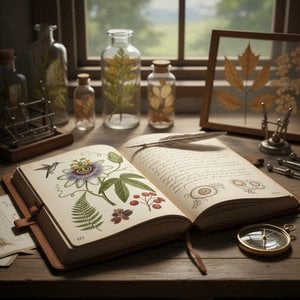
Titian Ramsay Peale II: A Legacy of Botanical Precision & Artistic Innovation
Explore the life & art of Titian Ramsay Peale II, a master of botanical precision and wildlife painting. Discover his legacy bridging art & natural history at ArtsDot.

Charles Willson Peale: Portraiture, Enlightenment Ideals & Shaping American Identity
Explore the life & art of Charles Willson Peale – Revolutionary portraitist, scientist, and founder of America’s first museum. Discover his iconic paintings of Washington & the Enlightenment ideals that shaped a nation.

Charles Bird King: Capturing Native American Dignity Through Portraiture & Cultural Exchange
Explore the captivating portraits of Charles Bird King, renowned for his depictions of Native American leaders. Discover the historical context, artistic techniques, and collecting value of these significant 19th-century artworks.


