

 Ver en contexto
 Enviar
 Compartir
 Detalles
 Guía
Guía

 Descargar
 Similares
 Radiografía
 Presentación de diapositivas
 Preguntas y respuestas
 Estadísticas
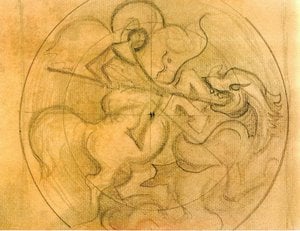
Shocking Grain

- 38.0 x 59.0 cm

 Ver más
La obra de arte que se muestra en esta página está protegida por las leyes de propiedad intelectual, lo que significa que no podemos crear ni vender legalmente una reproducción idéntica. Esta protección se hace cumplir en virtud de acuerdos internacionales como el Convenio de Berna y por las leyes nacionales, incluidas aquellas establecidas por el Ley de derechos de autor de los EE. UU. - Título 17.
Este método cumple plenamente con las normativas de derechos de autor, ya que no implica la copia ni la duplicación de la obra protegida. En su lugar, se trata de una reinterpretación creativa: una nueva pintura influenciada por la original, pero que no es idéntica a ella.
Giclée / Impresión de arte
Impresiones giclée o en lienzo de calidad de museo con producción rápida y opciones de acabado flexibles. ( Comprar pintura hecha a mano Cambiar a imagen digital)




































Elija entre nuestros tamaños predefinidos que respetan las proporciones originales de la obra.

Introduzca el ancho y el alto que necesite para adaptarse a su marco o pared. Una impresión solo puede recortarse, nunca hacerse más grande que la imagen original, por lo que un tamaño con una forma distinta perderá parte de la obra. Le enviaremos una maqueta digital para su aprobación antes de realizar cualquier impresión. La imagen que se muestra en esta página no refleja el recorte real; solo la maqueta lo hace.
Envío a todo el mundo () en 2 semanas en lugar de las 4/5 semanas estándar. (3 noviembre)

Envío exprés gratuito a todo el mundo

Lienzo de lino de alta calidad

Seguro de envío total

Garantía de reembolso de aranceles aduaneros

Garantía de fidelidad cromática exacta

Política de devolución de 100 días (solo por defectos)

Garantía de devolución del 100% del dinero

Descuento por cantidad
 La opción de vidrio solo está disponible en tamaños inferiores a 110 cm.

Shocking Grain
Giclée / Impresión de arte
Dimensiones de la reproducción
-


Precio total final
€ 56
Obras relacionadas


Biografía del artista
early life and artistic influences
Charles W. Thwaites, a British artist whose story remains partially veiled in mystery, emerged as a significant figure during the interwar period (1918-1939). Born in Milwaukee, Wisconsin, in 1904, his early years were shaped by the profound impact of World War I – an event that likely fueled a contemplative and perhaps somewhat melancholic artistic sensibility. While biographical details remain scarce, it’s reasonable to assume this period instilled within him a deep awareness of human experience and the complexities of a world undergoing dramatic transformation. His artistic journey began with a fascination for traditional techniques, yet he quickly demonstrated a willingness to experiment, incorporating elements of modernism into his distinctive style. His work reveals an affinity for Impressionism, particularly in its focus on capturing fleeting moments of light and atmosphere – a characteristic echoed in the works of masters like Claude Monet and Pierre-Auguste Renoir. However, Thwaites wasn’t simply a follower; he developed a unique voice, blending these influences with a personal vision that set him apart from his contemporaries. The influence of artists such as Henri Matisse, known for his bold colors and simplified forms, is also evident in some of his still life compositions, while the emotional intensity and dramatic use of light reminiscent of Francis Bacon can be observed in certain portraits.artistic style and notable works
Thwaites’ artistic style is best described as a captivating synthesis of traditional and modern approaches. His landscapes, frequently depicting rolling hills bathed in serene skies, evoke a profound sense of tranquility – an invitation to pause and contemplate the beauty of the natural world. These scenes aren't merely representations; they are imbued with emotion, suggesting a deep connection between the artist and his subject matter. His portraits, though fewer in number than his landscapes, possess a remarkable depth and sensitivity. He demonstrated an astute ability to capture not just physical likeness but also the essence of his subjects’ personalities – a skill that aligns closely with the psychological intensity found in the works of Francis Bacon, as exemplified by his portrait of Isabel Rawsthorne standing in a street in Soho. Furthermore, Thwaites' still life compositions are characterized by meticulous arrangements of everyday objects, skillfully utilizing light and texture to create visually arresting images. These pieces reveal an experimental spirit, drawing inspiration from Henri Matisse’s Antibes – a collection of vibrant still lifes that celebrated the pleasures of domestic life. Notable among his works is “Threshing Barley,” a mural study showcasing his mastery of composition and color, reflecting a deep appreciation for rural life and agricultural traditions.museum collections and online presence
Despite not enjoying the widespread recognition afforded to some of his contemporaries, Thwaites’ work has been carefully preserved and can be found in select private collections around the world. His paintings are increasingly accessible through online art platforms such as ArtsDot, offering art enthusiasts and collectors a valuable opportunity to engage with his unique artistic vision. While comprehensive exhibitions have been limited, the availability of high-quality reproductions ensures that his work continues to circulate and inspire appreciation. The presence of his pieces on platforms like ArtsDot underscores a growing interest in lesser-known artists from the early 20th century – individuals whose contributions deserve renewed attention.legacy and enduring influence
Charles W. Thwaites’ artistic legacy, though somewhat understated, endures through the emotional resonance of his paintings. He navigated the complexities of the interwar period with a quiet determination, producing works that offer a fascinating glimpse into the evolving landscape of modern art. His unique perspective—a blend of Impressionistic techniques and a distinctly personal style—makes him a compelling figure in British art history. Like Vincent van Gogh’s expressive brushstrokes or Claude Monet's luminous landscapes, Thwaites’ work continues to resonate with viewers seeking beauty, tranquility, and a deeper understanding of the human condition. His ability to capture fleeting moments of light and emotion ensures that his paintings will continue to be appreciated for generations to come.historical context
Thwaites’ artistic development unfolded during a period of significant social and political upheaval – the aftermath of World War I and the rise of new artistic movements like Cubism and Surrealism. These developments undoubtedly influenced his creative choices, prompting him to explore innovative techniques and challenge conventional notions of representation. His work reflects a desire to move beyond mere imitation, embracing abstraction and experimentation while retaining a strong connection to traditional forms. The influence of artists such as Charles-André van Loo, known for his Rococo portraits, can be seen in the meticulous detail and elegant compositions of some of Thwaites’ works, particularly his portraits. Furthermore, the rise of movements like Abstract Expressionism during the mid-20th century provided a broader context for understanding Thwaites' exploration of form and emotion.
Charles Winstanley Thwaites
1904 - 2002
Datos clave
- Artistic Movement Or Style: Impresionismo y Moderno
- Artists Or Movements Influenced By This Artist: ['American Muralists']
- Artists Who Influenced This Artist:
- Francis Bacon
- Henri Matisse
- Date Of Birth: 1904
- Date Of Death: 2002
- Full Name: Charles W Thwaites
- Nationality: Británico
- Notable Artworks: ['Threshing Barley']
- Place Of Birth: Milwaukee, Wisconsin