


 Vista previa
 Compartir
 Compartir
 Ver detalles

 Descargar
 Ver similares
 Radiografía
 Presentación de diapositivas
ENEE PORTANT ANCHISE


 Leer más
Giclée / Impresión de arte
Impresiones giclée o en lienzo de calidad de museo con producción rápida y opciones de acabado flexibles. ( Encargar reproducción pintada a mano Comprar descarga)




P118B $10

P118H $10

P118W $10

P438Z $10

P508JH $12

P508YH $12

P805H $10

P805Z $10

P919BZ $10

P919G $10

P919XJ $10

P959ZH $10

P968JZ $12

W106C $8

W218G $10

W218JH $8

W218Y $10

W307PJ $10

W316G $10

W316PJ $8

W316Y $10

W398PJ $8

W4111J $10

W500HY $15

W500JH $15

W692G $12

W849H $8

W940BG $15

W953PJ $8




Elija entre nuestros tamaños predefinidos que respetan las proporciones originales de la obra.

Puede introducir sus propias dimensiones para adaptarse a un marco o espacio específico. Si el tamaño seleccionado no coincide con las proporciones de la imagen original, recortaremos la obra de arte o extenderemos la imagen con un borde con efecto espejo o de color sólido. Se enviará una maqueta digital para su aprobación antes de que comience la producción.
Tenga en cuenta que la vista previa en pantalla no refleja el recorte o la extensión real. Solo la maqueta mostrará con precisión la composición final.
Aunque existen tamaños personalizados, recomendamos seleccionar una dimensión de la lista predefinida para preservar las proporciones originales.
Envío a todo el mundo () en 2 semanas en lugar de las 4/5 semanas estándar. (17 agosto)

Envío exprés gratuito a todo el mundo

Lienzo de lino de alta calidad

Seguro de envío completo

Garantía de reembolso de aranceles aduaneros

Garantía de fidelidad cromática exacta

Política de devolución de 60 días (solo por defectos)

Garantía de devolución del 100% del dinero

Oferta por volumen
 La opción de vidrio solo está disponible en tamaños inferiores a 110 cm.

ENEE PORTANT ANCHISE
Giclée / Impresión de arte
Tamaño de la reproducción
-


Precio total
$ 62
Descripción de la pieza
A Moment of Heroic Devotion
In the sweeping, dramatic tradition of the Rococo era, Charles-André van Loo captures a scene of profound human connection and physical exertion in Enee portant Anchise. The painting presents a breathtaking tableau of movement, centered on the powerful figure of Aeneas as he carries his aged father, Anchises, upon his back. This is not merely a depiction of strength, but a poignant study of duty and the heavy weight of lineage. As the protagonist navigates through a crowd of onlookers, the composition vibrates with an urgent energy, pulling the viewer into the midst of a fleeing or arriving procession. The interplay of hands—one gripping tightly to ensure stability, the other reaching out in a gesture of guidance—creates a rhythmic tension that anchors the entire narrative.
The artistry of Van Loo shines through his masterful command of light and texture, hallmarks of a painter trained in the prestigious Académie royale. The scene is bathed in a luminous quality that softens the edges of the surrounding figures, allowing the central duo to emerge with sculptural clarity. One can almost feel the strain in the muscles of the bearer and the delicate, weathered grace of the elder. Subtle details, such as the bright white of a hat or the humble presence of a bowl resting on the earth, serve to ground this mythological moment in a tangible, human reality. The brushwork, though refined, possesses a fluid vitality that breathes life into the fabric of their garments and the atmospheric depth of the background.
The Elegance of Rococo Narrative
Beyond its immediate physical drama, the work serves as a window into the 18th-century fascination with classical antiquity and the virtues of heroism. Van Loo, a master of the Rococo style, avoids the heavy, somber tones of the preceding Baroque period, opting instead for an elegance that finds beauty in struggle. The painting functions as an allegory of resilience; it is a visual poem about the preservation of history and the sacred bond between generations. For the discerning collector or interior designer, this piece offers more than just a historical reference—it provides a sophisticated focal point that commands attention through its emotional depth and classical prestige.
Integrating such a masterpiece into a contemporary space allows for a striking dialogue between the past and the present. Whether placed in a grand salon to evoke a sense of timeless nobility or used as a conversation piece in a modern study, the painting’s rich palette and dynamic composition lend an air of cultured sophistication. It invites the observer to pause and reflect on the enduring themes of sacrifice and devotion, making it an exquisite choice for those who seek art that resonates with both aesthetic splendor and profound human truth.
Obras relacionadas


Biografía del artista
Primeros Años y Formación
- Nacimiento: 15 de febrero de 1705, en Niza, Francia
- Antecedentes Familiares: Hijo de Louis-Abraham van Loo y hermano menor de Jean-Baptiste van Loo. Miembro de una exitosa dinastía de pintores de origen holandés.
- Educación Temprana: Formación inicial en Turín, seguida por estudios en Roma (1712) bajo las enseñanzas de Benedetto Luti y Pierre Legros.
- Estudios Parisinos: Asistió a la Académie royale, ganando el primer premio para dibujo en 1723 y pintura histórica en 1727.
Carrera Artística y Obras Notables
- Estilo: Principalmente conocido como pintor rococó, caracterizado por la elegancia, la gracia y el detalle ornamentado.
- Temática: Amplia gama que incluye retratos, escenas mitológicas, pinturas históricas, alegorías y escenas de género.
- Obras Significativas:
- Venus y Amor (Kunsthalle Bremen) – Demuestra maestría del estilo rococó.
- Alto de la Caza (The Metropolitan Museum of Art) - Captura actividades aristocráticas.
- Retrato de Marie Leszczynska, Reina de Francia – Un notable retrato real.
- Júpiter y Antiope - Muestra temas mitológicos.
- Autorretrato – Proporciona una visión del auto-concepto del artista.
- Perseo y Andromeda (múltiples versiones) – Ilustra habilidad en la representación de la mitología clásica.
- Mademoiselle Clairon como Medea (pequeña versión) - Un cautivador retrato rococó de 1760.
Patronazgo y Reconocimiento Real
- Patronazgo Real: Disfrutó del patronazgo de Madame de Pompadour y la corte francesa.
- Nombramiento en la Corte: Se convirtió en Primer Pintor del Rey Luis XV en 1762, un puesto prestigioso.
- Orden de San Miguel: Decorado con la Orden de San Miguel, lo que significaba el favor real.
Influencias y Legado
- Influencia Familiar: Fuertemente influenciado por su padre y hermano, ambos pintores consumados.
- Rivalidad: Competía con François Boucher, otro prominente artista rococó.
- Escuela Francesa Moderna: Su "simplicidad de estilo y corrección de diseño" influyó significativamente en la escuela francesa moderna de pintura.
- Fortuna Crítica: Si bien su posición crítica fluctuó con el tiempo, su habilidad y la amplitud de su obra merecen respeto.
Colecciones de Museos y Exploración Adicional
- Presencia en Museos: Sus obras se presentan en museos destacados como el Louvre (El Matrimonio de la Virgen), Kunsthalle Bremen y The Metropolitan Museum of Art.
- Recursos Adicionales:
- Página de ArtsDot sobre Charles-André van Loo: https://www.ArtsDot.com/artists/charles-andre-van-loo/
- Página de ArtsDot sobre los Mayores Artistas de Todos los Tiempos: https://www.ArtsDot.com/greatest-artists
- Museo Virtual de ArtsDot: https://www.ArtsDot.com/
- Artículo de Wikipedia: https://en.wikipedia.org/wiki/Charles-Andr%C3%A9_van_Loo

Charles-André van Loo
1705 - 1765 , Francia
Datos clave
- Artistas Que Influyeron:
- Benedetto Luti
- Pierre Le Gros
- Escuela Francesa Moderna: Influenciado
- Fecha De Fallecimiento: 15 de julio de 1765
- Fecha De Nacimiento: 15 de febrero de 1705
- Lugar De Nacimiento: Niza, Francia
- Movimiento Artístico: Rococó
- Nacionalidad: Francés
- Nombre Completo: Charles-André van Loo
- Obras Notables:
- Venus y Amor
- Alto de la Caza
- Retrato de Marie Leszczynska
- Júpiter y Antiope
- Autorretrato
- Perseo y Andrómeda
Artículos relacionados
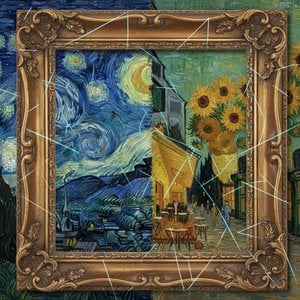
Las 25 Obras Maestras de Van Gogh: Un Viaje Emocional a Través del Arte
Descubre las 25 obras maestras de Van Gogh, desde 'La Noche Estrellada' hasta sus icónicos girasoles. Explora su vida, técnica impresionista y el profundo significado de cada cuadro. Reproducciones de arte de museo en ArtsDot.com.

Charles-André van Loo: A Study in Rococo Portraiture & the French Court's Artistic Dynamics
Explore the elegant world of Charles-André van Loo, a master of Rococo portraiture at the French court. Discover his life, techniques, and enduring influence on 18th-century art. Hand-painted reproductions available.

Rembrandt van Rijn: Las 25 Obras Maestras que Definen un Genio | Arte, Historia y Decoración
Descubre las 25 obras maestras de Rembrandt van Rijn, el genio del barroco holandés. Explora su historia, técnica y simbolismo en retratos icónicos como 'La Ronda Nocturna'. Encuentra reproducciones de arte exclusivas para decorar tu hogar con ArtsDot.com.

Giclée Prints: Archival Quality & Aesthetic Nuances for the Discerning Collector
Explore the world of giclée prints with ArtsDot. Learn about archival quality, aesthetic nuances & investment potential. Expert guidance for discerning art collectors seeking museum-quality reproductions and lasting value.

Los 10 Maestros del Neoclasicismo: Obras que Definieron una Era |
Descubre los 10 imprescindibles del Neoclasicismo con . Obras de David, Ingres y Canova que marcaron una era. Historia, técnica y significado de cada pieza. Encuentra reproducciones de arte de museo en



