
- Inicio

- Impresión en lienzo
- Chaim Gross
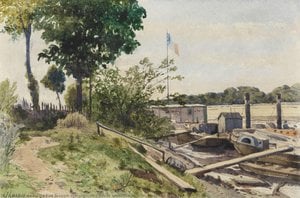
- Squatters

 Encargar reproducción Comprar imagen en alta resolución
 Enviar
 Compartir
 Detalles
 Añadir a favoritos

 Descargar
 Similares
 Radiografía
 Presentación de diapositivas
Squatters
 Impressionism
 1932
1932 19.0 x 34.0 cm
 Ver más
Giclée / Impresión de arte
Impresión giclée o en lienzo de calidad de museo con producción rápida y opciones de acabado flexibles.




































Elija entre nuestros tamaños predefinidos que respetan las proporciones originales de la obra.

Puede introducir sus propias dimensiones para adaptarse a un marco o espacio específico. Si el tamaño seleccionado no coincide con las proporciones de la imagen original, recortaremos la obra de arte o extenderemos la imagen con un borde con efecto espejo o de color sólido. Se enviará una maqueta digital para su aprobación antes de que comience la producción.
Tenga en cuenta que la vista previa en pantalla no refleja el recorte o la extensión real. Solo la maqueta mostrará con precisión la composición final.
Aunque existen tamaños personalizados, recomendamos seleccionar una dimensión de la lista predefinida para preservar las proporciones originales.
Entrega mundial () en 2 semanas en lugar de las 4/5 semanas estándar. (23 julio)

Envío exprés gratuito a todo el mundo

Lienzo de lino de alta calidad

Seguro de envío total

Garantía de reembolso de impuestos aduaneros

Garantía de fidelidad de color

Política de devolución de 60 días (solo por defectos)

Garantía de devolución del 100% del dinero

Descuento por pedido múltiple
 La opción de vidrio solo está disponible en tamaños inferiores a 110 cm.

Squatters
Giclée / Impresión de arte
Tamaño de la reproducción
-


Precio total final
-
Obras similares


Biografía del artista
Chaim Gross: Sculptor of Emotion and Family
Chaim Gross (1902 – 1991) stands as a singular figure in American sculpture, recognized for his uncompromising approach to carving wood and bronze—a method he termed “direct carving.” Unlike many sculptors of his era who relied on molds or preparatory sketches, Gross meticulously shaped his figures from raw material, allowing the inherent qualities of the wood itself to inform the final form. This technique wasn’t merely stylistic; it represented a profound philosophical commitment to capturing the essence of human experience and familial bonds—a conviction that fueled his entire artistic career. Born in Brooklyn, New York, Gross's early life was imbued with intellectual curiosity and a deep fascination for Jewish mysticism—Kabbalah—which profoundly shaped his artistic vision. From a young age, he demonstrated an exceptional aptitude for drawing and sculpting, honing his skills through independent study and experimentation. His formative years instilled in him a belief that art should strive for psychological depth and honesty—a principle that would permeate every subsequent piece he created. He pursued postgraduate studies at Yale University under Josef Albers, absorbing influences from Bauhaus principles and exploring the intersection of abstraction and figuration, solidifying his understanding of artistic innovation. Gross’s sculptural output spanned decades, encompassing monumental works alongside intimate portraits. He consistently tackled themes of family—particularly mothers and daughters—often depicting figures intertwined in poses conveying tenderness, vulnerability, and unspoken emotion. His sculptures aren't simply representations of the human form; they are explorations of inner life, striving to convey feelings rather than merely replicating external appearances. Consider “Two Girls (11),” a poignant pencil drawing that exemplifies this dedication to capturing psychological nuance—a piece currently housed at the Smithsonian Institution. The delicate lines and subtle shading reveal Gross’s masterful ability to distill complex emotions onto paper, demonstrating his profound understanding of human psychology. His artistic style evolved over time, moving from early Expressionist influences toward a more refined aesthetic characterized by organic forms and textured surfaces. However, he never abandoned his foundational belief in the importance of conveying emotion through art. Works like “Mother Playing,” completed in 1967, exemplify this commitment to capturing the palpable warmth of maternal love—a piece available for reproduction at ArtsDot.com. The artist’s meticulous attention to detail and his masterful manipulation of material contribute to an enduring impression of emotional resonance. He championed a sculptural method that prioritized intuition and responsiveness to the material, rejecting academic conventions in favor of a more visceral engagement with artistic creation. Gross's legacy extends beyond his individual artworks. He established the Chaim Gross Sculpture Studio in Rye Brook, New York, fostering a tradition of teaching and mentoring aspiring sculptors—a testament to his belief in the transformative power of art education. His influence can be seen in the work of numerous artists who followed him, demonstrating the enduring impact of his pioneering approach to sculpture. Ultimately, Chaim Gross remains an artist whose work continues to inspire contemplation on themes of family, emotion, and the enduring beauty of honest artistic expression—a true icon of 20th-century American art.
Chaim Gross
1902 - 1991 , Austria
Datos clave
- Artistic Movement Or Style: Expressionism
- Artists Who Influenced This Artist:
- Henri Matisse
- Pablo Picasso
- Date Of Birth: 1902
- Full Name: Chaim Gross
- Nationality: American
- Notable Artworks:
- Untitled (2 reclining women)
- Two Girls ( 11)
- Mother Playing
- Place Of Birth: Vienna, Austria
Artículos relacionados

Edward Hopper: Las 25 Obras Maestras que Definen la Soledad Moderna | ArtsDot
Descubre las 25 obras maestras de Edward Hopper, el pintor de la soledad moderna. Explora su realismo americano, luz y sombra, e icónicas escenas urbanas. Reproducciones de arte en ArtsDot.com para decorar tu hogar con estilo.

Edwin Deakin: A Victorian Topographer's Vision of Landscape, Industry & Social Change
Explore the captivating world of Edwin Deakin, a Victorian artist who masterfully captured California's landscapes, Spanish missions & Chinatown. Discover his legacy and influence on art history.

Visiones Efímeras: Historia y Resonancia Emocional de la Pintura Acuarela
Descubre la fascinante historia de la acuarela, desde sus orígenes hasta su expresión contemporánea. Explora técnicas, artistas clave como Paul Klee y encuentra reproducciones de alta calidad en ArtsDot.

Ephemeral Visions: Exploring the Artistic Legacy & Nuances of Watercolor Painting
Explore the captivating world of watercolor painting! Discover its rich history, essential techniques, influential artists & collecting tips from art experts. A comprehensive guide for enthusiasts.

Ephemeral Echoes: Exploring the Aesthetic & Historical Significance of Vintage Watercolor Painting
Explore the captivating world of vintage watercolor painting! Discover its rich history, techniques, influential artists & collecting tips. Expert insights for enthusiasts and collectors at ArtsDot.

