


 Vista previa
 Compartir
 Compartir
 Ver detalles
 Guía
Guía

 Descargar
 Ver artículos similares
 Radiografía
 Presentación de diapositivas
 Estadísticas
Rolling Mill
 Acrylic On Canvas
- WallArt
- Romantic Industrialization
 1834
1834- 19th Century
 26.0 x 33.0 cm
 Nationalgalerie
 Leer más
Reproducción al óleo hecha a mano
Óleo sobre lienzo pintado a mano en el tamaño y marco de su elección, realizado por encargo por nuestros artistas. ( Cambiar a formato impreso Ver versión en imagen digital)




P118B €10

P118H €10

P118W €10

P438Z €10

P508JH €12

P508YH €12

P805H €10

P805Z €10

P919BZ €10

P919G €10

P919XJ €10

P959ZH €10

P968JZ €12

W106C €8

W218G €10

W218JH €8

W218Y €10

W307PJ €10

W316G €10

W316PJ €8

W316Y €10

W398PJ €8

W4111J €10

W500HY €15

W500JH €15

W692G €12

W849H €8

W940BG €15

W953PJ €8




Elija entre nuestros tamaños predefinidos que respetan las proporciones originales de la obra.

Type the width and the height you need, to fit your frame or your wall. This is hand-painted, so for a size with a different shape the artist can paint a bit more around the picture, or cut a bit — you choose. We send you a digital mockup to approve before the painting starts. The picture shown on this page does not show the real result — only the mockup does.
Tras realizar el pedido, el equipo de ArtsDot.com enviará un correo electrónico al cliente para solicitar instrucciones y proporcionarle una vista previa del boceto.
Envío a todo el mundo () en 3-4 semanas en lugar de las 5 semanas estándar. (14 octubre). Sin comprometer la calidad.

Envío exprés gratuito a todo el mundo

Lienzo de lino de alta calidad

Seguro de envío completo

Garantía de reembolso de impuestos aduaneros

Garantía de fidelidad cromática exacta

Política de devolución de 100 días (solo por defectos)

Garantía de devolución del 100% del dinero

Oferta por volumen
 La opción de vidrio solo está disponible en tamaños inferiores a 110 cm.

Rolling Mill
Técnica de reproducción
Tamaño de la reproducción
-


Precio total
€ 228
The Weight of Progress: Carl Blechen’s “Rolling Mill”
Carl Blechen's "Rolling Mill" isn’t merely a depiction of a factory; it’s a profound meditation on the burgeoning industrial landscape of 19th-century Germany, rendered with a haunting beauty that belies its subject matter. Painted in 1834, this oil on canvas captures a pivotal moment – the rise of mechanized production and its complex relationship to the natural world. Blechen, a key figure in bridging Romanticism and early industrialization, eschews the idealized pastoral scenes favored by many of his contemporaries, instead confronting the gritty reality of factories like the Neustadt-Eberswalde Rolling Mill, one of the first metalworking plants in the Mark Brandenburg.
The painting immediately draws the eye to a vast, imposing structure dominated by towering smokestacks and the rhythmic clang of machinery. Blechen masterfully employs atmospheric perspective – a technique borrowed from the Italian masters he admired – to create a sense of depth and scale. The distant hills are rendered in muted blues and purples, contrasting sharply with the darker tones of the mill itself. This deliberate juxtaposition highlights the encroachment of industry upon the serene beauty of the countryside, suggesting a fundamental shift in the relationship between humanity and nature.
A Romantic Encounter with Industry
Blechen’s approach to industrial subject matter is remarkably nuanced. He doesn't present the factory as a symbol of progress or triumph; rather, he imbues it with a melancholic quality. The scene is populated by figures – a solitary angler casting his line into the Finow Canal and two fishermen hauling in their nets – who seem almost oblivious to the industrial activity unfolding behind them. These individuals represent a traditional way of life, seemingly untouched by the forces of modernization. Their presence serves as a poignant reminder of what’s being lost in the relentless march forward.
The painting's composition is carefully orchestrated to evoke a sense of unease and contemplation. The dominant verticality of the mill contrasts with the horizontal lines of the river, creating a visual tension that mirrors the conflict between tradition and innovation. Blechen’s use of light and shadow further enhances this effect, casting long, dramatic shadows across the landscape and emphasizing the imposing scale of the factory.
Technique and Symbolism
Blechen's technical skill is evident in his meticulous attention to detail – from the intricate patterns of the machinery to the subtle variations in color and texture. He employs a loose, expressive brushstroke that captures the dynamism of the scene while maintaining a sense of atmospheric depth. The painting’s palette is dominated by earthy tones—browns, grays, and ochres—which contribute to its somber mood. The smoke billowing from the chimneys isn't simply a visual element; it symbolizes the pollution and environmental degradation associated with industrialization – a subtle but powerful critique of the era.
Interestingly, Blechen’s work predates many later Romantic depictions of industry, making it a remarkably prescient commentary on the social and environmental consequences of rapid technological advancement. The painting's enduring power lies in its ability to capture not just the physical reality of the rolling mill but also the emotional and philosophical complexities of an era defined by profound transformation.
A Legacy of Observation
“Rolling Mill” stands as a testament to Carl Blechen’s unique artistic vision. It's a work that invites viewers to consider the lasting impact of industrialization on both the landscape and the human spirit. Reproductions of this powerful image offer a valuable opportunity to engage with a pivotal moment in art history, prompting reflection on our own relationship with technology and the environment. The painting’s continued relevance speaks volumes about Blechen's ability to capture the essence of his time—a time of both unprecedented progress and profound uncertainty.
Preguntas y respuestas
¿A qué etapa de la carrera de Carl Blechen pertenece "Rolling Mill" (1834)?
Dada su fecha de 1834, "Rolling Mill" se sitúa en el Romantic Industrialization de Carl Blechen.
¿Quién es el artista detrás de "Rolling Mill"?
"Rolling Mill" fue creada por Carl Blechen. La información en esta página describe la obra original de Carl Blechen.
¿De qué manera el estilo de "Rolling Mill" se relaciona con la época de su creador?
"Rolling Mill" pertenece al movimiento Romantic Industrialization, y su creador trabajó en la época Siglo XIX.
Obras relacionadas


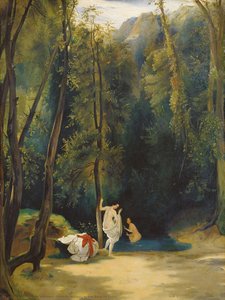


Biografía del artista
Un Pionero de la Industrialización Romántica: La Vida y el Arte de Carl Blechen
Carl Eduard Ferdinand Blechen, nacido en Cottbus, Alemania, en 1798, ocupa una posición singular y a menudo pasada por alto dentro de la tradición paisajística. Su vida estuvo marcada tanto por el brillo artístico como por las turbulencias personales, una dualidad que moldeó profundamente su obra evocadora e innovadora. Inicialmente destinado a una carrera pragmática en la banca debido a limitaciones financieras familiares, las inclinaciones artísticas inherentes de Blechen finalmente prevalecieron. Se dedicó a estudiar en la Academia de Artes de Berlín en 1822, embarcándose en un camino que lo convertiría en uno de los primeros artistas en abordar los desafíos estéticos –y las posibilidades– presentados por la temprana industrialización.
Los años formativos de Blechen estuvieron impregnados de los ideales románticos que recorrían Europa. Sin embargo, a diferencia de muchos de sus contemporáneos que se centraron únicamente en la belleza natural idealizada o la grandeza histórica, la mirada de Blechen se dirigió hacia un mundo cambiante. Un viaje crucial a Italia en 1828-1829 resultó transformador. Sumergido en la luz y la atmósfera del campo italiano, perfeccionó sus habilidades en el bocetaje al aire libre, capturando momentos fugaces y efectos dramáticos con una sensibilidad notable. Estos bocetos no eran meros estudios preparatorios; estaban imbuidos de una energía vibrante que caracterizaría su estilo maduro. Regresó a Berlín no solo como un pintor técnicamente competente sino como un artista con una visión distinta –una que buscaba reconciliar la sublime belleza de la naturaleza con las realidades invasoras de la modernidad.
Navegando entre Tradición y Transformación
La producción artística de Blechen se caracteriza por una tensión convincente entre sensibilidad romántica y un incipiente realismo. No rehuyó representar el floreciente paisaje industrial, pero tampoco lo celebró acríticamente. Obras como Bau der Teufelsbrücke (Construcción del Puente del Diablo), pintada entre 1830 y 1832, ejemplifican este enfoque. La pintura no glorifica la hazaña de ingeniería; en cambio, presenta una escena de arduo trabajo ambientada sobre un telón de fondo dramático, insinuando tanto la ambición humana como el potencial de interrupción del orden natural. Esta voluntad de confrontar las complejidades de su tiempo lo distingue de muchos de sus contemporáneos.
Sus paisajes a menudo están impregnados de una atmósfera melancólica, que refleja no solo el cambiante entorno físico sino también sus propias luchas internas. Waldweg bei Spandau (Camino Forestal cerca de Spandau), por ejemplo, evoca una sensación de soledad e introspección, al tiempo que muestra la maestría de Blechen en la luz y la sombra. Empleó hábilmente la perspectiva atmosférica para crear profundidad y estado de ánimo, atrayendo al espectador a la escena e invitándolo a la contemplación. No se limitaba a registrar lo que veía; transmitía una respuesta emocional a ello.
Un Genio Atormentado y un Legado Duradero
A pesar de sus logros artísticos, la vida de Blechen se truncó trágicamente por enfermedad mental. Nombrado Profesor de Pintura Paisajística en la Academia de Berlín en 1831 –un testimonio de su creciente reputación– su condición comenzó a deteriorarse rápidamente después de 1835. Obligado a tomarse una licencia y finalmente hospitalizado, continuó creando arte incluso en medio de su sufrimiento, produciendo conmovedores dibujos que ofrecen un vistazo a su atribulado mundo interior. Murió en Berlín en 1840 a la edad de 41 años.
Aunque su carrera fue relativamente breve, la influencia de Carl Blechen en las generaciones posteriores de artistas es innegable. Sus innovadoras representaciones de paisajes industriales allanaron el camino para los pintores realistas e impresionistas posteriores que buscaron capturar el rostro cambiante de la vida moderna. Demostró que era posible encontrar belleza –y significado– incluso en medio de la transformación, una lección que continúa resonando con los artistas de hoy. Su obra sigue siendo un poderoso recordatorio de la compleja relación entre la humanidad, la naturaleza y el progreso.
Obras Clave y Colecciones
- Im Berliner Tiergarten (El Zoológico de Berlín), 1825: Un ejemplo temprano de su capacidad para capturar efectos atmosféricos y escenas cotidianas con una sensibilidad romántica.
- Waldweg bei Spandau (Camino Forestal cerca de Spandau): Un paisaje inquietante que ejemplifica su dominio de la luz, la sombra y el estado de ánimo.
- Bau der Teufelsbrücke (Construcción del Puente del Diablo), 1830–32: Una representación innovadora de la temprana industrialización, que muestra tanto la ambición humana como su impacto en el mundo natural.
Hoy en día, las obras de Blechen se pueden encontrar en colecciones de museos prominentes en todo el mundo, incluido el Kunsthalle Bielefeld en Alemania, The Fitzwilliam Museum en Cambridge y la National Gallery en Londres. Estas instituciones preservan su legado para las generaciones futuras, asegurando que su visión innovadora continúe inspirando y desafiando a los espectadores.
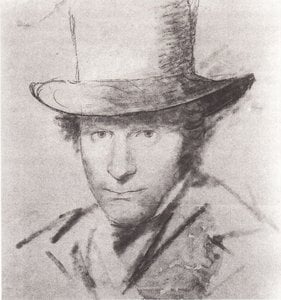
Carl Blechen
1798 - 1840 , Alemania
Datos clave
- Artistas Que Influyeron:
- Caspar David Friedrich
- Johann Christian Dahl
- Fecha De Fallecimiento: 23 de julio de 1840
- Fecha De Nacimiento: 29 de julio de 1798
- Lugar De Nacimiento: Cottbus, Alemania
- Movimiento Artístico: Romanticismo
- Nacionalidad: Alemán
- Nombre Completo: Carl Eduard Ferdinand Blechen
- Obras Notables:
- Im Berliner Tiergarten
- Waldweg bei Spandau
- Bau der Teufelsbrücke
Artículos relacionados

Evocations of Place: A Historical Journey Through Landscape Art
Explore the rich history of landscape art with ArtsDot. Discover renowned artists, movements like Impressionism & Romanticism, and expert guidance for collecting timeless pieces. Find your perfect serene escape today!

Arte Industrial: 10 Obras Maestras para un Hogar con Carácter | ArtsDot.com
Descubre 10 obras maestras que capturan la esencia del arte industrial. Explora la historia de Van Gogh, Hopper y Klimt, sus técnicas y paletas. Encuentra lienzos perfectos para un hogar con carácter en ArtsDot.com.

Evoking Nature's Sublime: A Comprehensive Exploration of 19th-Century Landscape Painting
Explore the captivating world of 19th-century landscape painting! Discover renowned artists like Friedrich & Monet, key movements, and find the perfect artwork to bring nature's serenity into your home. Expert insights at ArtsDot.

John Constable: Las 25 Obras Maestras del Paisaje Inglés | ArtsDot
Descubre las 25 obras maestras de John Constable, el pintor romántico inglés que capturó la belleza del paisaje. Explora su técnica, historia y significado en ArtsDot.com. Reproducciones de arte de alta calidad para tu hogar.

Paisajes Románticos: 10 Obras Maestras que Definieron un Movimiento Artístico
Descubre los 10 paisajes románticos más influyentes de artistas como Caspar David Friedrich y Turner. Explora la belleza, el simbolismo y las técnicas del movimiento romántico. Reproducciones de arte exclusivas en ArtsDot.com.

