Enviar
 Compartir
 Detalles
 Guía
Guía

 Descargar
 Similares
 Presentación de diapositivas
 Preguntas y respuestas
 Estadísticas
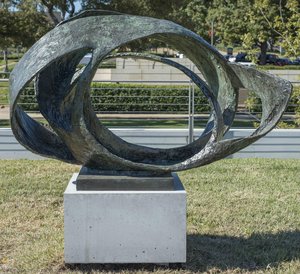
Madre e Hijo


 Ver más
La obra de arte que se muestra en esta página está protegida por las leyes de propiedad intelectual, lo que significa que no podemos crear ni vender legalmente una reproducción idéntica. Esta protección se hace cumplir en virtud de acuerdos internacionales como el Convenio de Berna y por las leyes nacionales, incluidas aquellas establecidas por el Ley de derechos de autor de los EE. UU. - Título 17.
Este método cumple plenamente con las normativas de derechos de autor, ya que no implica la copia ni la duplicación de la obra protegida. En su lugar, se trata de una reinterpretación creativa: una nueva pintura influenciada por la original, pero que no es idéntica a ella.
Giclée / Impresión de arte
Impresiones giclée o en lienzo de calidad de museo con producción rápida y opciones de acabado flexibles. ( Comprar pintura hecha a mano Cambiar a imagen digital)




































Elija entre nuestros tamaños predefinidos que respetan las proporciones originales de la obra.

Introduzca el ancho y el alto que necesite para adaptarse a su marco o pared. Una impresión solo puede recortarse, nunca hacerse más grande que la imagen original, por lo que un tamaño con una forma distinta perderá parte de la obra. Le enviaremos una maqueta digital para su aprobación antes de realizar cualquier impresión. La imagen que se muestra en esta página no refleja el recorte real; solo la maqueta lo hace.
Envío a todo el mundo () en 2 semanas en lugar de las 4/5 semanas estándar. (11 noviembre)

Envío exprés gratuito a todo el mundo

Lienzo de lino de alta calidad

Seguro de envío total

Garantía de reembolso de aranceles aduaneros

Garantía de fidelidad cromática exacta

Política de devolución de 100 días (solo por defectos)

Garantía de devolución del 100% del dinero

Descuento por cantidad
 La opción de vidrio solo está disponible en tamaños inferiores a 110 cm.

Madre e Hijo
Giclée / Impresión de arte
Dimensiones de la reproducción
-


Precio total final
€ 56
Barbara Hepworth: Una Exploración Silenciosa de la Materilidad y el Amor Familiar
La escultura "Madre e Hijo" de Barbara Hepworth, creada en 1934, representa una obra maestra del movimiento moderno británico que invita a una reflexión profunda sobre las relaciones humanas y la belleza inherente a la simplicidad escultórica. Esta pieza, realizada en piedra o mármol blanco, captura un momento íntimo entre dos figuras abrazadas, ofreciendo una visión conmovedora de conexión y protección maternal.Estilo y Técnica Innovadora
Hepworth pertenecía a la vanguardia artística de su época, impulsada por principios fundamentales como la abstracción pura y el desafío a las convenciones tradicionales de representación visual. Su estilo se caracteriza por líneas curvas suaves y formas geométricas esenciales que crean una sensación de movimiento interno y equilibrio perfecto. La escultura emplea técnicas avanzadas de talla escultórica para lograr una precisión excepcional en la definición de los materiales, resaltando la textura natural de la piedra y creando una superficie lisa y brillante que refleja la luz con delicadeza. Esta meticulosa atención al detalle demuestra el compromiso de Hepworth con la exploración de las posibilidades expresivas del lenguaje escultórico.El Contexto Histórico: Surrealismo Británico y la Unidad Creativa
La creación de "Madre e Hijo" coincidió con el nacimiento del movimiento surrealista británico, liderado por artistas como Ben Nicholson, Paul Nash y otros miembros de la unidad uno. Este grupo buscaba fusionar los principios del surrealismo con la abstracción pura, desafiando las normas establecidas por el arte occidental tradicional. Hepworth abrazó esta corriente artística, buscando inspiración en sueños y emociones primitivas para traducir experiencias subjetivas en formas escultóricas evocadoras. Esta colaboración creativa fue esencial para impulsar nuevas tendencias en el ámbito artístico británico durante los años treinta.Simbolismo Profundo: Protección Maternal y Equilibrio Armónico
Más allá de su belleza estética, "Madre e Hijo" posee un significado simbólico profundo que refleja valores fundamentales como la protección maternal y el equilibrio armonónico entre las figuras humanas. Las líneas curvas suaves que unen las manos abrazadas representan la fuerza del vínculo emocional entre madre e hijo, mientras que la posición estable de las esculturas simboliza la seguridad y fortaleza proporcionada por esta relación esencial para el desarrollo humano. Hepworth utilizó estos elementos simbólicos para transmitir una sensación de calma y serenidad, invitando al espectador a contemplar la belleza intrínseca de la unidad familiar.Impacto Emocional: Una Reflexión Sobre la Naturaleza Humana
La escultura "Madre e Hijo" sigue siendo un testimonio del poder del arte para comunicar emociones universales y estimular la reflexión sobre cuestiones fundamentales relacionadas con la condición humana. Su simplicidad aparente oculta una complejidad emocional que invita al observador a conectar con sus propios sentimientos más profundos y a valorar la importancia de los vínculos familiares como fuente de apoyo y bienestar. Esta obra maestra moderna continúa inspirando artistas y amantes del arte en todo el mundo, ofreciendo una visión conmovedora de la belleza y profundidad presentes en las relaciones humanas más significativas.Preguntas y respuestas
¿Es Barbara Hepworth, autor de "Madre e Hijo", conocido por otros nombres?
Barbara Hepworth también es conocido por los nombres Dame Barbara Hepworth, Dame Jocelyn Barbara Hepworth.
¿Qué emoción transmite "Madre e Hijo" de Barbara Hepworth?
El tono emocional registrado para "Madre e Hijo" de Barbara Hepworth es Serenidad. Este resume el sentimiento que expresa la obra.
¿Cuál es la atmósfera general de "Madre e Hijo" de Barbara Hepworth?
"Madre e Hijo" transmite una atmósfera Sereno.
Obras relacionadas


Biografía del artista
Primeros años, familia y formación
Barbara Hepworth nació el 10 de enero de 1903 en Wakefield, West Riding de Yorkshire, Inglaterra. Fue la hija mayor de Gertrude y Herbert Hepworth. Su padre se desempeñaba como ingeniero civil para el West Riding County Council, una trayectoria que aportó una base práctica y estructural a su crianza. Este entorno temprano en Yorkshire moldeó la conciencia espacial que, más tarde, definiría su enfoque hacia la forma tridimensional.
Su educación formal comenzó en la Wakefield Girls' High School. Este inicio académico la llevó a la Leeds School of Art en 1920, donde comenzó a desarrollar la disciplina técnica necesaria para una investigación escultórica seria. Para la década de 1920, ya se había trasladado a Londres para estudiar en el Royal College of Art. Este periodo de formación fue esencial para establecer el rigor intelectual que distingue su obra de la mera decoración. No se limitaba a aprender un oficio; estaba dominando la relación entre la materia y el vacío.
Los años formativos y el inicio de su carrera
La trayectoria profesional temprana de Barbara Hepworth estuvo definida por una serie de cambios personales y artísticos significativos que reflejaron las transformaciones radicales que ocurrían en el modernismo británico. En mayo de 1925, se casó con el escultor John Skeaping en Florencia. Este periodo estuvo marcado por una transición hacia la talla directa, un método que exigía un compromiso físico y sin mediaciones con la piedra y la madera. Para 1931, su vida personal y creativa experimentó otra transformación cuando se enamoró del pintor Ben Nicholson. Este vínculo formaba parte de un círculo intelectual más amplio e intenso de artistas modernos centrados en Hampstead, Londres. Estas intersecciones sociales y románticas no fueron meras distracciones; fueron los crisoles en los que su enfoque del espacio y la forma se puso a prueba frente a las tendencias predominantes de la época.
La disolución de su primer matrimonio en marzo de 1933 señaló un alejamiento de sus exploraciones anteriores, más figurativas. Finalmente, se casó con Ben Nicholson en 1938, una unión que consolidó su posición dentro de la vanguardia de la abstracción británica. Durante estos años, su obra se distanció de las tradiciones representativas, buscando en su lugar destilar la esencia de la forma a través de un lenguaje más reductivo y geométrico. Este periodo de transición la llevó desde el estudio de los monumentos antiguos hacia una comprensión sofisticada de cómo el espacio negativo funciona como un elemento estructural. Su desarrollo no fue una progresión lineal, sino una serie de rupturas deliberadas, y a menudo difíciles, con el pasado.
El movimiento artístico Unit One
En 1933, Barbara Hepworth ayudó a establecer el movimiento artístico Unit One, un colectivo que alteró fundamentalmente la trayectoria del modernismo británico. Junto a Ben Nicholson, Paul Nash y varios otros artistas, trabajó para tender un puente entre el surrealismo y la abstracción. No se trataba de una mera preferencia estilística, sino de un intento deliberado de unificar estas dos fuerzas dominantes dentro de la escena artística británica. El movimiento desafió los límites tradicionales de la representación, buscando un nuevo lenguaje visual capaz de dar cabida a las complejidades de la era moderna.
El impacto de este periodo se percibe en la transición de Barbara Hepworth, desde sus primeros experimentos figurativos hacia un vocabulario abstracto mucho más riguroso. Este cambio no fue un desarrollo aislado; formó parte de un esfuerzo más amplio y coordinado por parte del grupo Unit One para alejar el arte británico del provincialismo y acercarlo a la vanguardia internacional. Su participación en este círculo consolidó su posición como una figura central en un movimiento que priorizaba las cualidades esenciales de la forma y el espacio por encima de la descripción literal.
A medida que se acercaba la Segunda Guerra Mundial, el enfoque de esta comunidad artística experimentó un desplazamiento geográfico. Barbara Hepworth se convirtió en una figura prominente dentro de la colonia de artistas que residían en St Ives, Cornualles. Este traslado transformó el pueblo costero en un centro neurálgico para el pensamiento modernista. La concentración de talento en St Ives permitió una exploración continua de la relación entre la forma abstracta y el paisaje natural, asegurando que las ideas radicales defendidas por Unit One permanecieran en el corazón del desarrollo de la escultura británica.
Técnica y Estilo Artístico
El enfoque de Barbara Hepworth hacia la escultura moderna se define por un compromiso riguroso con la talla directa. En lugar de modelar arcilla para ser fundida posteriormente, ella trabajaba directamente sobre el medio, permitiendo que el material dictara la forma final. Este método exige un compromiso físico e inmediato con la sustancia de la obra. Utilizaba el cincelado y la talla para dar forma al mármol y la madera, pintando a menudo las cavidades de sus formas para manipular la interacción entre la luz y la sombra en las superficies interiores. En muchas piezas, iba más allá al atar los costados de sus esculturas con alambre o cuerda, creando una tensión literal entre las partes separadas de un único objeto.
Su contribución más significativa al lenguaje de la abstracción es el uso del espacio negativo. Al introducir vacíos profundos en sus esculturas, transformó el agujero de una mera ausencia en un elemento estructural. Estas aperturas hacen algo más que crear aberturas; establecen una conexión entre el objeto y el espacio que lo rodea. Esta técnica obliga al espectador a reconocer el aire dentro de la forma como una parte tangible de la composición. El resultado es una tensión entre la presencia y la ausencia que define su estética modernista.
- Pierced Form (1932)
- Single Form (Chûn Quoit) (1961)
- Two Forms (1937)
- Oval Form (Trezion) (1962)
Obras Clave e Innovaciones Escultóricas
La contribución más trascendental de Barbara Hepworth a la escultura moderna fue su uso radical del espacio negativo. En 1931, introdujo la forma perforada, una técnica que transformó el vacío, dejando de ser una mera ausencia para convertirse en un elemento estructural. Este cambio desplazó la escultura desde la masa sólida hacia una exploración de cómo la luz y el espacio interactúan con el material. Su gran avance llegó en 1937 con Oval Form (Trezion), una obra que consolidó su dominio sobre estos volúmenes geométricos y huecos. Al tallar la propia sustancia de la obra, obligó al espectador a reconocer el espacio interior como algo tan vital como el material mismo.
Su capacidad para equilibrar temas orgánicos con una abstracción rigurosa se manifiesta con claridad en su obra de la década de 1930, Mother and Child. Esta pieza demuestra cómo logró destilar las relaciones humanas en formas simplificadas y redondeadas. Con el tiempo, su rango técnico se expandió para incluir la integración de materiales no escultóricos. En 1956, produjo Stringed Figure (Curlew), la cual utilizaba cordel de algodón para unir las formas de madera, creando una tensión física que reflejaba la geometría interna de la escultura. Este método enfatizaba la conexión entre las diferentes partes de un solo objeto a través de un amarre literal y táctil.
La escala de su visión alcanzó un nivel monumental con Single Form. Este bronce de veintiún pies y cinco toneladas fue encargado como un memorial para Dag Hammarskjöld. La obra permanece como un ejemplo definitivo de cómo su lenguaje abstracto podía traducirse en estructuras masivas de carácter público sin perder su enfoque en la forma esencial.
Últimos años y muerte
El capítulo final de la carrera de Barbara Hepworth estuvo anclado en St Ives, Cornualles. Tras la adquisición del estudio Trewyn en septiembre de 1949, permaneció en este entorno costero durante 26 años. Este periodo se caracterizó por una expansión significativa tanto en la escala como en la complejidad de su producción artística. Para hacer frente a las exigencias de su práctica, trabajó con 16 asistentes a partir de 1949, una necesidad impuesta por la ardua labor física que requerían sus tallas a gran escala y sus fundiciones en bronce.
Su vida llegó a un final abrupto en 1975. Un incendio en su estudio le arrebató la vida a la edad de 72 años. El incidente ocurrió en las mismas instalaciones donde había vivido y trabajado durante más de dos décadas. Esta conclusión repentina dejó tras de sí un cuerpo de obra que se había desplazado de manera decisiva desde lo figurativo hacia una abstracción rigurosa y esencial.
Legado y Colecciones de Museos
La influencia de Barbara Hepworth persiste a través de las estructuras institucionales que preservan su producción física. The Hepworth Wakefield, en Wakefield, Reino Unido, lleva su nombre y mantiene una presencia significativa en la región de su nacimiento. Este museo alberga más de 400 de sus esculturas y dibujos, asegurando que su enfoque específico de la forma y el espacio permanezca accesible para el público. La colección proporciona un vínculo directo con su evolución como escultora, transitando desde sus primeros experimentos figurativos hacia sus obras posteriores, de un carácter más abstracto.
En St Ives, Cornualles, el Barbara Hepworth Museum and Sculpture Garden ofrece un tipo de preservación distinto. Este sitio mantiene su estudio y su jardín en el estado en que se encontraban durante su vida y su labor creativa. Funciona como un punto de referencia inamovible para su práctica, mostrando cómo su entorno nutrió su estética. En 1980, su familia transfirió el museo a la galería Tate, asegurando su supervivencia a largo plazo dentro de una de las colecciones nacionales más importantes.
Dónde ver sus obras hoy en día
La presencia física de Barbara Hepworth en el mundo del arte permanece anclada en The Hepworth Wakefield, en Wakefield, Reino Unido. Esta institución alberga una parte significativa de su producción, ofreciendo una mirada concentrada a su evolución escultórica. La colección que allí se custodia permite un encuentro directo con su manejo del material y la manera en que manipulaba el espacio a través de sus características formas perforadas.
Más allá del Reino Unido, su influencia se distribuye en varias de las principales colecciones internacionales. En los Estados Unidos, el Kimbell Art Museum en Fort Worth posee 'Oval Form (Trezion)'. Esta pieza demuestra su capacidad para dominar el volumen a través del bronce. Del mismo modo, el New Orleans Museum of Art contiene 'River Form', una obra que resalta su compromiso con las formas orgánicas y fluidas. Estos emplazamientos aseguran que su obra siga siendo parte de un diálogo global en lugar de un fenómeno localizado.
El alcance de su práctica se extiende hasta la Auckland Art Gallery Toi o Tāmaki, que alberga 'Torso II (Torcello)'. Contemplar estas obras en sus respectivos entornos institucionales revela la escala y la realidad material de su abstracción. Sus esculturas exigen un tipo de observación específico, que requiere rodear el objeto para comprender la relación entre la masa sólida y el vacío.

Barbara Hepworth
1903 - 1975 , Reino Unido
Datos clave
- Artistic Movement Or Style: Modernismo, Surrealismo, Abstracción
- Artists Or Movements Influenced By This Artist: ['Unit One']
- Artists Who Influenced This Artist:
- Constantin Brâncuși
- Jean Arp
- Date Of Birth: 1903
- Date Of Death: 1975
- Full Name: Dame Jocelyn Barbara Hepworth
- Nationality: Inglesa
- Notable Artworks:
- Oval Form (Trezion)
- Two Forms
- Totem
- Single Form (Chûn Quoit)
- Mother and Child
- Place Of Birth: Wakefield, Reino Unido
Artículos relacionados
The Enduring Allure of Marble in Art History: From Classical Sculpture to Modern Abstraction
Explore the captivating history of marble sculpture from ancient Greece to modern art. Discover renowned artists like Canova & Michelangelo, carving techniques, and investment insights at ArtsDot.

Más allá de la forma: Un análisis técnico y estético sobre la evolución de la escultura
Descubre la evolución técnica y estética de la escultura, desde el bronce hasta el modernismo. Explora la maestría de la forma ahora.

Esculturas de Bronce Legendarias: 10 Obras Maestras que Transformaron el Arte | ArtsDot
Descubre las 10 esculturas de bronce más legendarias que revolucionaron el arte. Explora la historia de Rodin, Degas y otros maestros del bronce. Encuentra reproducciones de alta calidad e inspiración para tu hogar en ArtsDot.com.

Barbara Hepworth: A Sculptural Dialogue with Form, Space & the Human Condition
Explore the profound world of Barbara Hepworth's sculpture. Discover her artistic evolution, iconic forms, and lasting influence on modern art. A guide for collectors & enthusiasts.

Abstracción Geométrica: 10 Obras Maestras que Transformaron el Arte Moderno | ArtsDot
Descubre las 10 obras maestras de la abstracción geométrica que revolucionaron el arte moderno. Explora a Mondrian, Malevich y Kandinsky en ArtsDot.com. Reproducciones de alta calidad para tu hogar.