

 Ver en contexto
 Enviar
 Compartir
 Detalles
 Guía
Guía

 Descargar
 Similares
 Radiografía
 Presentación de diapositivas
 Preguntas y respuestas
 Estadísticas
The High Command Left Panel

 Ver más
Giclée / Impresión de arte
Impresiones giclée o en lienzo de calidad de museo con producción rápida y opciones de acabado flexibles. ( Comprar pintura hecha a mano Cambiar a imagen digital)




































Elija entre nuestros tamaños predefinidos que respetan las proporciones originales de la obra.

Introduzca el ancho y el alto que necesite para adaptarse a su marco o pared. Una impresión solo puede recortarse, nunca hacerse más grande que la imagen original, por lo que un tamaño con una forma distinta perderá parte de la obra. Le enviaremos una maqueta digital para su aprobación antes de realizar cualquier impresión. La imagen que se muestra en esta página no refleja el recorte real; solo la maqueta lo hace.
Envío a todo el mundo () en 2 semanas en lugar de las 4/5 semanas estándar. (9 noviembre)

Envío exprés gratuito a todo el mundo

Lienzo de lino de alta calidad

Seguro de envío total

Garantía de reembolso de aranceles aduaneros

Garantía de fidelidad cromática exacta

Política de devolución de 100 días (solo por defectos)

Garantía de devolución del 100% del dinero

Descuento por cantidad
 La opción de vidrio solo está disponible en tamaños inferiores a 110 cm.

The High Command Left Panel
Giclée / Impresión de arte
Dimensiones de la reproducción
-


Precio total final
€ 56
Obras relacionadas


Biografía del artista
Augustus Vincent Tack: Pionero del Paisaje Espiritual
Augustus Vincent Tack (1870 – 1949) se erige como una figura singular en la historia del arte estadounidense, reconocido primordialmente por su distintiva mezcla de realismo y abstracción, un enfoque estilístico que presagió el floreciente movimiento del Expresionismo Abstracto. Nacido en Pittsburgh, Pensilvania, la trayectoria artística de Tack comenzó con una formación académica en el St. Francis Xavier College antes de perfeccionar sus habilidades en la Art Students League de Nueva York, donde absorbiya las influencias de luminarias como John La Farge, cuyo estudio frecuentaba. Este periodo formativo estableció los cimientos para sus exploraciones posteriores en la pintura de paisaje y, fundamentalmente, hacia representaciones profundamente simbólicas de la naturaleza, una preocupación que definiría gran parte de su obra.- Inicios y de Influencias: La exposición debut de Tack en las Kraushaar Galleries en 1896 marcó el comienzo de una prolífica carrera artística caracterizada por un compromiso constante con instituciones prominentes como el Worcester Art Museum, las Carnegie International Exhibitions y la Pennsylvania Academy of Fine Arts. Sus colaboraciones con Duncan Phillips —particularmente su participación en el Allied War Salon de 1918— demostraron no solo sus conexiones sociales, sino también su compromiso de abordar preocupaciones sociales apremiantes a través de la expresión artística.
- La Colonia de Deerfield y su Matrimonio: En busca de inspiración y camaradería, Tack se trasladó a Deerfield, Massachusetts, donde estableció una colonia de artistas y contrajo matrimonio con Agnes Gordon Fuller, hija del renombrado pintor George Fuller. Esta unión fomentó un entorno de apoyo propicio para las búsqueda creativas y consolidó su posición dentro de la comunidad artística.
- Docencia y la Universidad de Yale: El papel pedagógico de Tack se extendió más allá de Deerfield; impartió conferencias en la Art Students League de Nueva York entre 1906 y 1910, y posteriormente enseñó en la Universidad de Yale de 1910 a 1913, transmitiendo su visión artística a una nueva generación de artistas.
Un Estilo Distintivo: Realismo Infundido con Misticismo
El estilo artístico de Tack se distinguió por un equilibrio cuidadoso entre el realismo tradicional y una abstracción evocadora. Mientras que sus retratos se adherían a las convenciones académicas —capturando semejanzas con un detalle meticuloso y una iluminación dramática—, sus paisajes trascendían la mera descripción para adentrarse en reinos de contemplación espiritual. Pinturas como “Time and Timelessness” ejemplifican este enfoque, yuxtaponiendo formas geométricas con elementos figurativos para transmitir una sensación de belleza perdurable y un profundo simbolismo. La crítica señaló que la obra de Tack "era una reinterpretación contemporánea del idealismo heroico del siglo XIX", resaltando su ambición de elevar al espectador más allá de lo mundano.- Obras Notables: Entre sus piezas más celebradas se encuentran “The High Command Right Panel” (19449), que retrata a oficiales navales con un realismo magistral y complejidad compositiva; los retratos de Harry S. Truman y Elihu Root —ejecutados en 1948 y 1922 respectivamente—, que demuestran la capacidad de Tack para transmitir carácter y emoción mediante una pincelada matizada; y “Time and Timelessness”, una obra maestra del paisaje que refleja su fascinación por los temas espirituales.
Legado y Reconocimiento
A pesar de los reveses comerciales, el legado artístico de Tack persiste como un precursor del Expresionismo Abstracto, un movimiento que remodelaría el panorama del arte estadounidense en las décadas posteriores a su muerte. Sus pinturas permanecen resguardadas en importantes colecciones y continúan inspirando tanto a artistas como a académicos. La contribución de Augustus Vincent Tack al arte estadounidense no reside meramente en sus innovaciones estilísticas, sino también en su inquebrantable búsqueda de la verdad artística: un testimonio del poder perdurable de la imaginación y la visión.
Augustus Vincent Tack
1870 - 1949 , Estados Unidos
Datos clave
- Artistic Movement Or Style: Expresionismo abstracto
- Artists Who Influenced This Artist: ['John La Farge']
- Date Of Birth: 1870
- Date Of Death: 1949
- Full Name: Augustus Vincent Tack
- Nationality: Americano
- Notable Artworks:
- Tiempo y Eternidad
- El Alto Comando Derecha
- Place Of Birth: Pittsburgh, Estados Unidos
Artículos relacionados
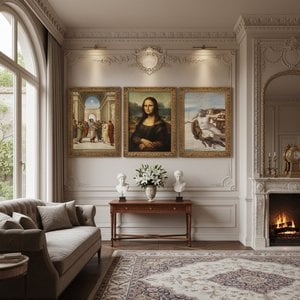
Las 10 Obras Maestras del Renacimiento Superior: Arte, Historia y Decoración
Descubre las 10 obras maestras del Renacimiento Superior: Leonardo, Miguel Ángel, Rafael y Botticelli. Explora su historia, técnica y significado. Reproducciones de arte en alta calidad para decorar tu hogar con elegancia. ¡Encuentra tu obra favorita en !
