Ver en contexto
 Enviar
 Compartir
 Detalles
 Guía
Guía

 Descargar
 Similares
 Radiografía
 Presentación de diapositivas
 Preguntas y respuestas
 Estadísticas
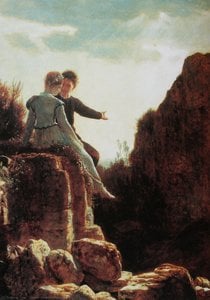
Centauro observando peces

- 43.0 x 70.0 cm


 Ver más
Giclée / Impresión de arte
Impresiones giclée o en lienzo de calidad de museo con producción rápida y opciones de acabado flexibles. ( Comprar pintura hecha a mano Cambiar a imagen digital)




P118B €10

P118H €10

P118W €10

P438Z €10

P508JH €12

P508YH €12

P805H €10

P805Z €10

P919BZ €10

P919G €10

P919XJ €10

P959ZH €10

P968JZ €12

W106C €8

W218G €10

W218JH €8

W218Y €10

W307PJ €10

W316G €10

W316PJ €8

W316Y €10

W398PJ €8

W4111J €10

W500HY €15

W500JH €15

W692G €12

W849H €8

W940BG €15

W953PJ €8




Elija entre nuestros tamaños predefinidos que respetan las proporciones originales de la obra.

Introduzca el ancho y el alto que necesite para adaptarse a su marco o pared. Una impresión solo puede recortarse, nunca hacerse más grande que la imagen original, por lo que un tamaño con una forma distinta perderá parte de la obra. Le enviaremos una maqueta digital para su aprobación antes de realizar cualquier impresión. La imagen que se muestra en esta página no refleja el recorte real; solo la maqueta lo hace.
Envío a todo el mundo () en 2 semanas en lugar de las 4/5 semanas estándar. (9 noviembre)

Envío exprés gratuito a todo el mundo

Lienzo de lino de alta calidad

Seguro de envío total

Garantía de reembolso de aranceles aduaneros

Garantía de fidelidad cromática exacta

Política de devolución de 100 días (solo por defectos)

Garantía de devolución del 100% del dinero

Descuento por cantidad
 La opción de vidrio solo está disponible en tamaños inferiores a 110 cm.

Centauro observando peces
Giclée / Impresión de arte
Dimensiones de la reproducción
-


Precio total final
€ 56
Una meditación silenciosa sobre la naturaleza y la mortalidad
En la quietud de la obra maestra de 1878 de Arnold Böcklin, “Centauro observando peces”, el espectador es invitado a un reino donde los límites entre lo mitológico y lo terrestre se disuelven. Este evocador óleo sobre lienzo, conservado actualmente en el prestigioso Kunsthaus Zürich, sirve como una profunda puerta de entrada al movimiento simbolista, un período de la historia del arte dedicado a explorar las profundidades psicológicas ocultas del alma humana. En lugar de presentar una mera escena de la antigua leyenda, Böcklin elabora una experiencia inmersiva que apela a los temas universales de la soledad y el pulso silencioso y rítmico del mundo natural. El centauro, una criatura de naturaleza dual, se reclina sobre una serena orilla, con la mirada fija en el movimiento bajo la superficie del agua, creando un momento de animación suspendida que se siente a la vez eterno y fugaz.
La composición está magistralmente orquestada para evocar una sensación de ensueño romántico. Utilizando un formato horizontal, Böcklin enfatiza la postura reclinada del centauro, situando a la figura mitológica dentro de un paisaje de arenas suaves y hierbas que se mecen. El artista elude deliberadamente la precisión rígida del realismo estricto en favor de una verdad emocional. A través del uso de una iluminación difusa y sombras suaves, establece una atmósfera de quietud melancólica. Esta técnica permite al espectador sentir el peso del silencio, como si el aire mismo alrededor de la criatura estuviera cargado de contemplación. Es una pintura que no exige atención mediante el espectáculo, sino que se la gana a través de una sutil y cautivadora intimidad.
La maestría de la textura y la atmósfera
Técnicamente, “Centauro observando peces” es un triunfo de la textura y la perspectiva. Böcklin emplea la técnica del impasto con una habilidad notable, aplicando capas de pintura gruesas y deliberadas para representar el pelaje áspero de la mitad equina del centauro. Esta riqueza táctil proporciona una sensación palpable de fisicidad, haciendo que la criatura se sienta presente y respirando dentro del encuadre. Para equilibrar esta textura densa, el artista utiliza la perspectiva atmosférica para crear una ilusión de profundidad infinita. Al reducir la saturación del color y suavizar los detalles del horizonte lejano, simula una distancia brumosa y onírica que refuerza el tema del aislamiento. Este método traza un linaje directo con los maestros del Romanticismo como Caspar David Friedrich, utilizando el paisaje como un espejo para la introspección espiritual.
La paleta de colores es una sofisticada disposición de tonos terrosos —ocres, marrones profundos y beige apagados— que otorga a la obra una cualidad orgánica y atemporal. Estos tonos cálidos y terrenales contrastan con la luz sutil y centelleante que se refleja en el agua, dirigiendo la mirada hacia el punto focal de la tranquila observación del centauro. Para el coleccionista o diseñador de interiores, esta pieza ofrece una versatilidad estética única; su estado de ánimo sombrío pero tranquilo proporciona un ancla sofisticada para una habitación, ofreciendo una sensación de profundidad histórica y gravedad intelectual de la que carecen las obras más contemporáneas.
Simbolismo: La intersección entre el mito y el ser
Más allá de su esplendor visual, la pintura funciona como un complejo tapiz simbólico. El centauro mismo —un híbrido de intelecto humano e instinto animal— sirve como una poderosa metáfora de la dualidad de la existencia. Mientras observa a los peces, surge una profunda sensación de la relación entre la humanidad y los elementos indómitos de la naturaleza. El acto de observar se convierte en una meditación sobre la mortalidad; la quietud de la figura sugiere una resignación a los ciclos de la vida y la muerte que gobiernan tanto al hombre como a la bestia. Hay un toque de tristeza en su soledad, pero es una melancolía hermosa y digna que celebra la quietud de la existencia.
Para aquellos que buscan traer un fragmento de este profundo paisaje emocional a sus espacios personales, una reproducción de alta calidad de esta obra ofrece más que una simple decoración. Proporciona una ventana a una era pasada de exploración artística, un recordatorio constante de la belleza que se encuentra en el silencio y del poder perdurable del mito. Ya sea colocada en una biblioteca, un estudio o un espacio de galería curado, “Centauro observando peces” continúa provocando el pensamiento, invitando a todos los que la encuentran a hacer una pausa, respirar y reflexionar sobre las maravillas silenciosas del mundo.
Preguntas y respuestas
¿A qué movimiento y a qué época pertenece "Centauro observando peces" de Arnold Böcklin?
"Centauro observando peces" de Arnold Böcklin pertenece al movimiento Simbolismo, dentro de la era Siglo XIX de su creador.
¿En qué etapa de la trayectoria de Arnold Böcklin se sitúa "Centauro observando peces", dada su fecha?
La fecha de 1878 sitúa a "Centauro observando peces" en el Periodo de madurez del desarrollo de Arnold Böcklin.
¿Cómo se describe la atmósfera de "Centauro observando peces" de Arnold Böcklin?
"Centauro observando peces" de Arnold Böcklin se describe con un ambiente Romántico y soñador. Esta clasificación puede ayudar a combinar la obra con un entorno.
Obras relacionadas


Biografía del artista
Primeros años y formación
Arnold Böcklin, pintor simbolista suizo, nació el 16 de octubre de 1827 en Basilea, Suiza. Su padre, Christian Frederick Böcklin, descendía de una antigua familia de Schaffhausen y se dedicaba al comercio de seda. La madre de Arnold, Ursula Lippe, era nativa de la misma ciudad. Estudió en la Academia de Düsseldorf bajo Schirmer, convirtiéndose en amigo de Anselm Feuerbach. Böcklin está asociado con la Escuela de Düsseldorf de pintura.Carrera artística y simbolismo
El viaje artístico de Böcklin lo llevó a varias ciudades, incluyendo París, donde trabajó en el Louvre, y Roma, donde fue influenciado por sus vistas. Su obra a menudo presentaba figuras alegóricas y mitológicas en entornos que involucraban arquitectura clásica, explorando temas de la muerte y la mortalidad.- Great Park, una de sus primeras obras, mostró la antigua mitología.
- Ninfa y Sátiro (1858) y Safo (1859) fueron obras notables de este período.
- El retrato de Böcklin de sí mismo, con la muerte tocando un violín (1872), ejemplificó su estilo único.
Evolución artística e influencias
La obra de Böcklin evolucionó hacia un simbolismo más profundo y evocador. Se inspiró en la literatura clásica, la mitología griega y romana, y el paisaje suizo. Su interés por temas como la muerte, la melancolía y la naturaleza se reflejó en sus pinturas con una atmósfera onírica y misteriosa. Böcklin fue influenciado por artistas como Peter Cornelius y Philipp Veit, así como por las ideas del movimiento prerrafaelita.Logros principales e impacto
Böcklin es mejor conocido por sus cinco versiones de La Isla de los Muertos (1880-1886), que evocaban el cementerio inglés en Florencia, donde estaba enterrada su hija. Esta obra maestra se convirtió en un símbolo del simbolismo tardorromántico y ha inspirado a numerosos artistas y compositores. Su trabajo influyó en artistas más jóvenes como Hans Thoma e inspiró a varios compositores de la época romántica tardía. Clement Greenberg describió su obra como "una de las expresiones más consumadas" de su tiempo.Legado e importancia histórica
El estilo de Böcklin se superpone con el de los prerrafaelitas, enfatizando el mundo de los sueños y el misticismo. Su capacidad para crear imágenes evocadoras y simbólicas lo convirtió en una figura clave del movimiento simbolista. Su obra sigue siendo admirada por su belleza melancólica, su profundidad psicológica y su impacto duradero en el arte occidental.Museos y colecciones
La obra de Böcklin se puede encontrar en varios museos, incluyendo:- Öffentliche Kunstsammlung (Basilea, Suiza)
- Kunstmuseum Basel (Suiza)
- Museum Kunsthaus Zürich (Zúrich, Suiza)

Arnold Böcklin
1827 - 1901 , Suiza
Datos clave
- Artistas Que Influyeron: ['Anselm Feuerbach']
- Fallecimiento: 16 de enero de 1901
- Fecha De Nacimiento: 16 de octubre de 1827
- Influenciado A Artistas: ['Hans Thoma']
- Lugar De Nacimiento: Basilea, Suiza
- Movimiento Artístico: Simbolismo
- Nacionalidad: Suizo
- Nombre Completo: Arnold Böcklin
- Obras Notables:
- Isla de la Muerte
- La Guerra
- Ninfas y sátiros
Artículos relacionados

The Enduring Legacy of Oil on Canvas: Technique, History & Aesthetic Impact
Explore the rich history & techniques of oil painting – from Renaissance masters to Impressionism. Discover pigments, layering methods, and why this timeless medium endures. Expert insights for artists & art enthusiasts.

El Legado Duradero del Óleo sobre Lienzo: Técnica, Historia y Práctica Contemporánea
Descubre la historia y técnica del óleo sobre lienzo. Explora reproducciones fieles hechas a mano, personalización artística y consejos de expertos con .

10 Obras Maestras del Realismo Romántico que Debes Conocer
Explora la emoción y el detalle del Realismo Romántico. Un viaje por 10 obras maestras que capturan la esencia humana con técnica y alma. Encuentra inspiración y reproducciones de calidad museo para tu hogar en ArtsDot.com. ¡Descubre toda la colección online!

The Enduring Power of Painting: A Historical & Contemporary Exploration of Form and Emotion
Explore the rich history & enduring techniques of oil painting with ArtsDot. Discover masterpieces, learn about art collecting, and find authentic handmade reproductions crafted by skilled artists.

El Óleo sobre Lienzo: Historia, Técnica y la Persistencia de un Medio Artístico Atemporal
Descubre la historia y técnica del óleo sobre lienzo. Explora reproducciones fieles hechas a mano, personalización artística y consejos de expertos con ArtsDot. ¡Colecciona arte con confianza!