

 Vista previa
 Compartir
 Compartir
 Ver detalles
 Guía
Guía

 Descargar
 Ver artículos similares
 Radiografía
 Presentación de diapositivas
 Estadísticas
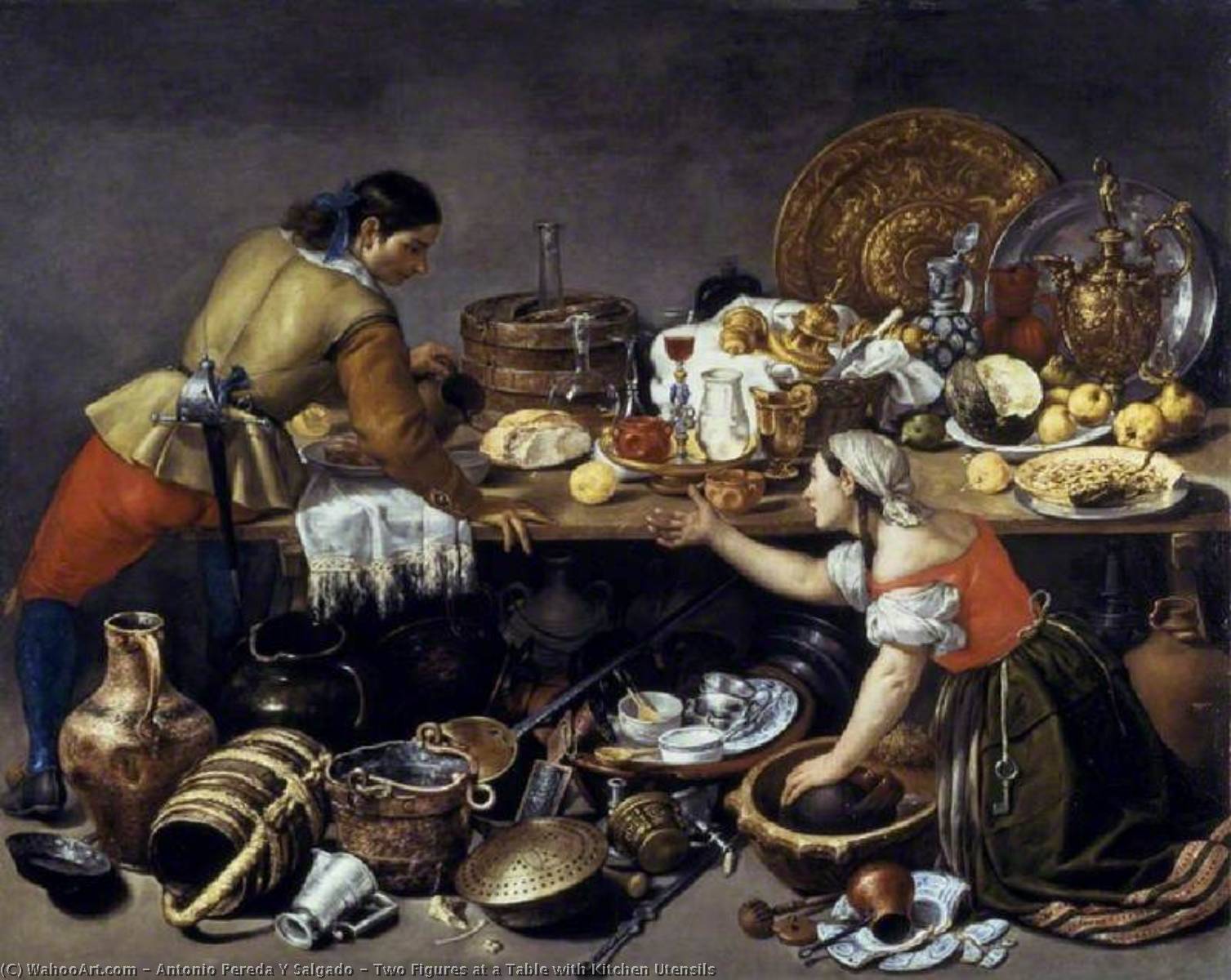
Two Figures at a Table with Kitchen Utensils
 192.0 x 238.0 cm
 National Trust
 Leer más
Reproducción al óleo hecha a mano
Óleo sobre lienzo pintado a mano en el tamaño y marco de su elección, realizado por encargo por nuestros artistas. ( Cambiar a formato impreso Ver versión en imagen digital)




































Elija entre nuestros tamaños predefinidos que respetan las proporciones originales de la obra.

Puede ingresar sus propias dimensiones para adaptarse a un marco o espacio específico. Si el tamaño seleccionado no coincide con las proporciones de la imagen original, recortaremos la obra o extenderemos la pintura con elementos adicionales pintados a mano. Se le enviará una maqueta digital para su aprobación antes de comenzar la producción.
Tenga en cuenta que la vista previa en pantalla no refleja el recorte o la extensión reales. Solo la maqueta mostrará con precisión la composición final.
Si bien existen tamaños personalizados, recomendamos seleccionar una dimensión de la lista predefinida para preservar las proporciones originales.
Tras realizar el pedido, el equipo de ArtsDot.com enviará un correo electrónico al cliente para solicitar instrucciones y proporcionarle una vista previa del boceto.
Envío a todo el mundo () en 3-4 semanas en lugar de las 5 semanas estándar. (23 septiembre). Sin comprometer la calidad.

Envío exprés gratuito a todo el mundo

Lienzo de lino de alta calidad

Seguro de envío completo

Garantía de reembolso de impuestos aduaneros

Garantía de fidelidad cromática exacta

Política de devolución de 100 días (solo por defectos)

Garantía de devolución del 100% del dinero

Oferta por volumen
 La opción de vidrio solo está disponible en tamaños inferiores a 110 cm.

Two Figures at a Table with Kitchen Utensils
Técnica de reproducción
Tamaño de la reproducción
-


Precio total
$ 263
Obras relacionadas


Biografía del artista
Antonio de Pereda y Saldago: A Master of Still Life and Dramatic Baroque
Antonio de Pereda y Saldago (1611-1678) stands as a prominent figure in Spanish Baroque painting, celebrated primarily for his exquisitely rendered still lifes that capture the essence of everyday life alongside profound religious contemplation. Born in Valladolid, he descended from a family deeply rooted in artistic tradition – his father, mother, and two brothers were all painters themselves—a lineage that undoubtedly instilled within him an early appreciation for visual artistry. His formative years were spent in Madrid under the tutelage of Pedro de las Cuevas, a respected maestro who imparted foundational skills in painting technique. However, Pereda’s artistic journey took a decisive turn when Giovanni Battista Crescenzi, a celebrated Venetian painter and influential mentor, tragically passed away in 1635, prompting Pereda to seek new inspiration and commissions from ecclesiastical institutions. This period marked a significant shift in his career trajectory as he distanced himself from the royal court and embraced opportunities to depict sacred subjects—a decision that would solidify his reputation as a devout artist. Recognizing Crescenzi’s impact on his artistic development, Pereda sought guidance from another influential figure: Giovanni Battista Crescenzi's former student, Giuseppe Cesari, who further honed his skills and broadened his stylistic horizons. The patronage of the Buen Retiro Palace in Madrid provided him with invaluable commissions for monumental frescoes—most notably ‘Relief of Genoa,’ alongside Velázquez’s masterpiece—a collaborative effort that exemplifies the artistic fervor of the era. This ambitious undertaking to recreate the siege of Genoa (1635) for the salón de reinos of the Buen Retiro Palace stands as a testament to his ambition and technical prowess—a project that mirrored Velázquez’s own monumental endeavor and cemented Pereda's position among Spain’s foremost artists. Pereda’s oeuvre extends beyond religious iconography; he achieved considerable acclaim as a historical painter, producing evocative depictions of pivotal moments in Spanish history. His masterful use of tenebrism – characterized by stark contrasts between light and dark – powerfully conveyed emotion and heightened the visual impact of his compositions. Works such as ‘The Knights Dream,’ exemplify this dramatic technique, capturing the solemn grandeur of religious narratives with breathtaking precision. Furthermore, Pereda’s artistic legacy continues to resonate today, largely due to his ability to infuse his paintings with psychological depth and his unwavering commitment to portraying human experience—from serene domestic scenes to monumental historical representations.- Notable Paintings: ‘Two Figures at a Table with Kitchen Utensils’, ‘Tobias Restoring His Father’s Sight’, ‘Family of Darius before Alexander the Great’.
- Influences: Giovanni Battista Crescenzi, Giuseppe Cesari.
- Style: Baroque Painting; Dramatic Use of Tenebrism.

antonio pereda y salgado
1611 - 1678 , España
Datos clave
- Artistic Movement Or Style: Barroco
- Artists Or Movements Influenced By This Artist: ['Spanish Barroco']
- Artists Who Influenced This Artist: ['Giovanni Battista Crescenzi']
- Date Of Birth: 1611
- Date Of Death: 1678
- Full Name: Antonio de Pereda y Saldago
- Nationality: Español
- Notable Artworks:
- Alivio de Génova
- Tobias Restoring His Father's Sight
- Familia de Darius antes de Alejandro el Grande
- Place Of Birth: Valladolid, España