


 Ver en contexto
 Enviar
 Compartir
 Detalles

 Descargar
 Similares
 Radiografía
 Presentación de diapositivas
Resurrected Jesus Christ surrounded by St. Peter and St. Paul


 Ver más
Giclée / Impresión de arte
Impresiones giclée o en lienzo de calidad de museo con producción rápida y opciones de acabado flexibles. ( Comprar pintura hecha a mano Comprar imagen)




P118B $10

P118H $10

P118W $10

P438Z $10

P508JH $12

P508YH $12

P805H $10

P805Z $10

P919BZ $10

P919G $10

P919XJ $10

P959ZH $10

P968JZ $12

W106C $8

W218G $10

W218JH $8

W218Y $10

W307PJ $10

W316G $10

W316PJ $8

W316Y $10

W398PJ $8

W4111J $10

W500HY $15

W500JH $15

W692G $12

W849H $8

W940BG $15

W953PJ $8




Elija entre nuestros tamaños predefinidos que respetan las proporciones originales de la obra.

Puede introducir sus propias dimensiones para adaptarse a un marco o espacio específico. Si el tamaño seleccionado no coincide con las proporciones de la imagen original, recortaremos la obra de arte o extenderemos la imagen con un borde con efecto espejo o de color sólido. Se enviará una maqueta digital para su aprobación antes de que comience la producción.
Tenga en cuenta que la vista previa en pantalla no refleja el recorte o la extensión real. Solo la maqueta mostrará con precisión la composición final.
Aunque existen tamaños personalizados, recomendamos seleccionar una dimensión de la lista predefinida para preservar las proporciones originales.
Envío a todo el mundo () en 2 semanas en lugar de las 4/5 semanas estándar. (22 agosto)

Envío exprés gratuito a todo el mundo

Lienzo de lino de alta calidad

Seguro de envío total

Garantía de reembolso de impuestos aduaneros

Garantía de fidelidad cromática exacta

Política de devolución de 60 días (solo por defectos)

Garantía de devolución del 100% del dinero

Descuento por cantidad
 La opción de vidrio solo está disponible en tamaños inferiores a 110 cm.

Resurrected Jesus Christ surrounded by St. Peter and St. Paul
Giclée / Impresión de arte
Dimensiones de la reproducción
-


Precio total final
$ 62
Descripción de la pieza
A Divine Encounter: The Radiance of Resurrection
In the profound stillness of mid-sixteenth-century religious devotion, Anthonis Mor van Dashorst captures a moment of celestial triumph in his masterpiece, Resurrected Jesus Christ surrounded by St. Peter and St. Paul. This evocative work serves as more than a mere depiction of biblical events; it is a window into the spiritual psyche of the Northern Renaissance. The composition centers on the triumphant figure of Christ, whose presence radiates a sense of peace and victory over mortality. Flanking Him are the pillars of the early Church, St. Peter and St. Paul, whose very proximity to the divine suggests a bridge between the earthly realm and the eternal. As the eye wanders through the scene, one encounters an angelic presence bearing flowers—symbols of life and rebirth—which softens the gravity of the sacred assembly with a touch of ethereal grace.
The painting is populated by a delicate arrangement of onlookers, their faces reflecting a spectrum of human emotion from awe to quiet contemplation. This layering of figures creates a profound sense of depth and community, inviting the viewer to step into the crowd and participate in this holy revelation. Even the subtle inclusion of nature, such as the small bird perched near the upper corner, serves to ground this miraculous event within the natural order, suggesting that the resurrection is an event that resonates through all of creation.
Mastery of the Dutch Renaissance Style
Anthonis Mor van Dashorst, a painter celebrated for his "regal dignity," brings his signature meticulous realism to this religious subject. While he was renowned for capturing the precise textures of velvet and lace in his portraits of European nobility, here he applies that same technical rigor to the drapery of sacred vestments and the luminous skin tones of the saints. The technique is characterized by a masterful handling of light, which seems to emanate from Christ Himself, casting soft shadows that define the musculature and facial expressions of the surrounding apostles. This interplay of light and shadow—a hallmark of the era—imbues the canvas with a three-dimensional quality that makes the figures feel palpably present.
The artist’s training, influenced by the legendary Pieter Bruegel the Elder, is evident in his ability to weave complex human narratives into a cohesive visual landscape. There is a rhythmic flow to the composition; the eye is led from the central divine light outward toward the peripheral figures, creating a circularity that mimics the eternal nature of the subject matter. For the collector or interior designer, this painting offers a sophisticated balance of dramatic intensity and classical harmony, making it a centerpiece capable of commanding attention in any curated space.
A Timeless Addition to the Collector's Gallery
For those seeking to infuse their surroundings with historical depth and spiritual resonance, a high-quality reproduction of this 1556 masterpiece offers an unparalleled opportunity. This artwork is not merely a decorative element; it is a conversation piece that speaks to the enduring power of faith and the technical brilliance of the Dutch Renaissance. The emotional impact of the work lies in its ability to evoke a sense of wonder, making it an ideal choice for grand foyers, private libraries, or contemplative study areas.
Integrating such a profound work into a modern interior requires an appreciation for the way classical themes can interact with contemporary aesthetics. Whether placed within a traditional setting of heavy wood and rich textures or used as a striking contrast in a minimalist, modern gallery-style room, the painting provides a sense of permanence and cultural continuity. Owning a piece that captures Mor’s ability to portray the divine with such human intimacy allows the owner to surround themselves with the very essence of artistic and spiritual triumph.
Obras relacionadas


Biografía del artista
Anthonis Mor van Dashorst: El Pintor de la Dignidad Regia
Anthonis Mor van Dashorst (1517-1577) se erige como una piedra angular del retrato renacentista holandés, encarnando el realismo meticuloso y la profundidad simbólica característicos de su era. Nacido en Utrecht, Países Bajos, surgió de una familia profundamente arraigada en la tradición artística; su padre era escultor, lo que estableció un linaje dedicado a la representación visual. Aunque los detalles biográficos siguen siendo algo escasos, la prolífica producción de Mor dice mucho sobre su talento y su compromiso inquebrantable con capturar la esencia de sus sujetos. Rápidamente ganó renombre por su capacidad para retratar a la nobleza con una precisión sin igual, asegurando encargos de figuras influyentes en toda Europa.- Sus primeros años y formación: Poco se sabe con certeza sobre los años formativos de Mor más allá de su crianza en Utrecht. Sin embargo, estudió bajo la tutela de Pieter Bruegel el Viejo en Amberes, absorbiendo la magistral observación de la naturaleza humana y del paisaje propia de Bruegel, influencias que permearían la propia visión artística de Mor.
- Periodo en Amberes y desarrollo artístico: La estancia de Mor en Amberes resultó crucial para su maduración artística. Perfeccionó sus habilidades junto a otros artistas como Quentin Massys y Hendrik Golse, sumergiéndose en el vibrante entorno artístico de la República Flamenca. Esta exposición fomentó una comprensión sofisticada de la perspectiva y el claroscuro, técnicas que empleó con destreza para iluminar sus retratos con un dramático juego de luces y sombras.
El reinado de María Tudor: Una obra maestra del retrato del Renacimiento Septentrional
La fama de Mor ascendió dramáticamente tras completar su retrato de María Tudor, Reina de Inglaterra (1554). Este lienzo monumental ejemplifica la cúspide de la destreza artística de Mor. Ejecutado con un detalle minucioso, captura el porte regio y la compostura interior de María, siendo un testimonio de la capacidad del pintor para transmitir matices psicológicos junto a la semejanza física. La composición está meticulosamente equilibrada, utilizando una estructura piramidal y sutiles pliegues en los ropajes para enfatizar la estatura y la dignidad de la reina. Además, el uso del claroscuro crea un cautivador juego de luces y sombras que resalta el rostro de María, transmitiendo un aura de solemnidad y grandeza. Este retrato consolidó la reputación de Mor como uno de los retratistas más destacados de su tiempo y permanece como un ejemplo celebrado del arte del Renacimiento Septentrional.- Patrocinio real y reconocimiento artístico: Mor se benefició enormemente del mecenazgo real, asegurando encargos de monarcas de toda Europa, incluido Felipe II de España. Estos compromisos le permitieron explorar proyectos ambiciosos y refinar su estilo artístico, consolidando su legado como artista de corte.
- Encargos notables y estilo artístico: Más allá del retrato de María Tudor, Mor emprendió numerosos encargos que representaban a destacados estadistas, diplomáticos y aristócratas. Su estilo artístico distintivo, caracterizado por un realismo meticuloso, una perspectiva magistral y un claroscuro expresivo, se volvió instantáneamente reconocible. Priorizó constantemente la transmisión no solo de la apariencia física, sino también del carácter y la emoción, elevando sus retratos más allá de simples semejanzas para convertirlos en profundas declaraciones sobre la dignidad humana.
Influencia y legado
La influencia de Mor se extendió mucho más allá de sus contemporáneos inmediatos. Su enfoque meticuloso del retrato estableció un precedente para las generaciones posteriores de artistas, inspirándolos a luchar por una mayor precisión y una mayor perspicacia psicológica. Defendió los ideales humanistas prevalentes durante el Renacimiento, reflejando una creencia inquebrantable en el poder del arte para iluminar la experiencia humana. Hoy en día, las pinturas de Mor van Dashorst continúan cautivando a audiencias de todo el mundo, sirviendo como recordatorios perdurables de la brillantez artística alcanzada durante la Edad de Oro holandesa, un periodo definido por la innovación, la ambición y un profundo aprecio por la belleza.
Anthonis Mor
1517 - 1577 , Países Bajos
Datos clave
- Artistic Movement Or Style: Retrato renacentista
- Artists Or Movements Influenced By This Artist: ['Barroco']
- Artists Who Influenced This Artist:
- Jan van Eyck
- Rogier van der Weyden
- Date Of Birth: 1517 Utrecht, Países Bajos
- Date Of Death: 1577
- Full Name: Anthonis Mor van Dashorst
- Nationality: Neerlandés
- Notable Artworks:
- El enano del cardenal Granvelle
- Reina María Tudor de Inglaterra
- Margarita, duquesa de Parma
- Place Of Birth: Utrecht
Artículos relacionados

Paul Klee: Las 25 Obras Maestras que Definen un Genio del Arte Moderno | ArtsDot
Descubre las 25 obras maestras de Paul Klee, el genio del arte moderno. Explora su expresionismo único, composiciones abstractas y vibrantes paletas de colores. Reproducciones de alta calidad y decoración con arte en ArtsDot.com.

Paul Cézanne: Las 25 Obras Maestras que Definieron el Arte Moderno | ArtsDot
Descubre las 25 obras maestras de Paul Cézanne que revolucionaron el arte moderno. Explora su técnica, inspiración y significado en paisajes, bodegones y retratos. Reproducciones de alta calidad para decorar tu hogar con arte inolvidable. ¡Explora la colección completa en ArtsDot.com!

El Greco: Las 25 Obras Maestras que Definen un Genio del Arte y la Fe
Descubre las 25 obras maestras de El Greco, el genio del Renacimiento español. Explora su arte religioso, manierismo y la historia detrás de cuadros icónicos como 'El Entierro del Conde de Orgaz'. Encuentra reproducciones de alta calidad en ArtsDot.com.

Los 10 Maestros del Barroco Holandés: Obras que Definen una Época | ArtsDot
Descubre los 10 imprescindibles del Barroco holandés: Rembrandt, Vermeer y más. Explora la historia, técnica y belleza de estas obras maestras. Reproducciones de arte en ArtsDot.com para decorar tu hogar con elegancia.
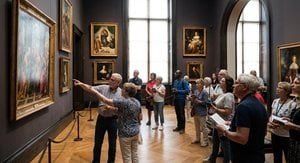
Los 25 Tesoros de la Alte Pinakothek: Arte Renacentista y Barroco en Munich
Descubre los 25 tesoros de la Alte Pinakothek en Munich. Explora obras maestras de Dürer, Rembrandt y Rubens. Historia del arte renacentista y barroco para inspirar tu hogar. Reproducciones de alta calidad en ArtsDot.com.


