


 Vista previa
 Compartir
 Compartir
 Ver detalles
 Guía
Guía

 Descargar
 Ver artículos similares
 Radiografía
 Presentación de diapositivas
 Estadísticas
Flowers in a Vase
 Acrylic On Canvas
- WallArt
- Fauvism
 1930
1930 35.0 x 25.0 cm
 Real Academia Musical
 Leer más
Giclée / Impresión de arte
Impresiones giclée o en lienzo de calidad de museo con producción rápida y opciones de acabado flexibles. ( Encargar reproducción pintada a mano Ver versión en imagen digital)




P118B $10

P118H $10

P118W $10

P438Z $10

P508JH $12

P508YH $12

P805H $10

P805Z $10

P919BZ $10

P919G $10

P919XJ $10

P959ZH $10

P968JZ $12

W106C $8

W218G $10

W218JH $8

W218Y $10

W307PJ $10

W316G $10

W316PJ $8

W316Y $10

W398PJ $8

W4111J $10

W500HY $15

W500JH $15

W692G $12

W849H $8

W940BG $15

W953PJ $8




Elija entre nuestros tamaños predefinidos que respetan las proporciones originales de la obra.

Puede introducir sus propias dimensiones para adaptarse a un marco o espacio específico. Si el tamaño seleccionado no coincide con las proporciones de la imagen original, recortaremos la obra de arte o extenderemos la imagen con un borde con efecto espejo o de color sólido. Se enviará una maqueta digital para su aprobación antes de que comience la producción.
Tenga en cuenta que la vista previa en pantalla no refleja el recorte o la extensión real. Solo la maqueta mostrará con precisión la composición final.
Aunque existen tamaños personalizados, recomendamos seleccionar una dimensión de la lista predefinida para preservar las proporciones originales.
Envío a todo el mundo () en 2 semanas en lugar de las 4/5 semanas estándar. (22 septiembre)

Envío exprés gratuito a todo el mundo

Lienzo de lino de alta calidad

Seguro de envío completo

Garantía de reembolso de impuestos aduaneros

Garantía de fidelidad cromática exacta

Política de devolución de 100 días (solo por defectos)

Garantía de devolución del 100% del dinero

Oferta por volumen
 La opción de vidrio solo está disponible en tamaños inferiores a 110 cm.

Flowers in a Vase
Giclée / Impresión de arte
Tamaño de la reproducción
-


Precio total
$ 62
Flowers in a Vase by André Derain: A Symphony of Color and Light
André Derain’s “Flowers in a Vase,” painted around 1901, isn't merely a still life; it’s an explosion of Fauvist emotion captured on canvas. This intimate scene, brimming with vibrant reds, whites, and greens, transports the viewer to a world where color reigns supreme, defying traditional representation and embracing pure visual sensation. The painting, housed in the National Gallery of Art, Washington D.C., offers a captivating glimpse into the heart of this revolutionary artistic movement.
The work’s genesis lies within the burgeoning Fauvist period, a short but intensely influential era in early 20th-century art. Derain, alongside Henri Matisse, sought to liberate color from its descriptive role and use it instead as an independent expressive force. “Flowers in a Vase” exemplifies this philosophy perfectly. The colors aren’t intended to mimic reality; they are chosen for their emotional impact – the fiery red of the roses, the luminous white of the blooms, and the verdant green of the foliage all vibrate with intensity. This deliberate departure from naturalism was considered radical at the time, provoking both excitement and criticism.
A Technique of Bold Strokes and Fragmented Forms
Derain’s technique is characterized by bold, broken brushstrokes that create a sense of movement and immediacy. He applied paint directly to the canvas with little blending, resulting in a textured surface where individual strokes are visible. This impasto effect adds depth and physicality to the painting, drawing attention to the materiality of the pigments themselves. The forms within the composition – the vase, the flowers, the leaves – are not rendered with meticulous detail but rather suggested through fragmented shapes and planes of color. This simplification contributes to the overall sense of dynamism and unrestrained expression.
Notably, Derain employed a technique reminiscent of Pointillism—small dots of pure color applied side-by-side—though his approach was looser and more expressive than that of Seurat. This layering of colors creates an optical illusion of depth and luminosity, further enhancing the painting’s vibrant quality. The subtle variations in tone and hue within each color area contribute to a remarkable sense of visual richness.
Symbolism and Emotional Resonance
Beyond its purely formal qualities, “Flowers in a Vase” is rich in symbolic meaning. Flowers have long been associated with beauty, love, and mortality – themes that resonate deeply within the painting. The arrangement itself—a vibrant bouquet contained within a simple vase—suggests both abundance and fragility. The dark background serves to heighten the impact of the colors, creating a dramatic contrast that draws the viewer’s eye directly to the blossoms.
Furthermore, the inclusion of a single white flower floating on water evokes a sense of transience and ephemerality. It's a poignant reminder of the fleeting nature of beauty and life itself. The painting’s emotional impact is profound—a celebration of color, light, and the inherent joy of existence, tempered by an underlying awareness of mortality.
A Legacy of Color and Innovation
“Flowers in a Vase” stands as a pivotal work in André Derain's oeuvre and a cornerstone of Fauvist art. It demonstrates his willingness to challenge conventional artistic norms and embrace the expressive potential of color. The painting’s influence can be seen in the works of subsequent generations of artists, who continued to explore the possibilities of non-naturalistic representation. Today, it remains a powerful testament to the transformative power of color and a captivating example of early 20th-century artistic innovation.
Obras relacionadas


Biografía del artista
Primeros Años y Formación
- Nacimiento y Familia: André Derain nació el 10 de junio de 1880 en Chatou, Yvelines, Île-de-France, justo fuera de París.
- Estudio Independiente: Contrariamente a algunas cuentas, Derain comenzó a pintar independientemente en 1895, antes de conocer a Vlaminck o Matisse. Ocasionalmente iba al campo con Father Jacomin y sus hijos.
- Educación Formal: En 1898, estudió ingeniería en la Académie Camillo, donde conoció a Matisse y posteriormente asistió a clases de pintura bajo Eugène Carrière.
- Abandono de la Ingeniería: Tras el servicio militar (1901-1904), Derain fue persuadido por Matisse para abandonar su carrera de ingeniería y dedicarse a la pintura. Luego asistió a la Académie Julian.
Fauvismo y Desarrollo Artístico Temprano
- Colaboración con Matisse: Derain colaboró estrechamente con Henri Matisse, particularmente durante el verano de 1905 en Collioure, lo que resultó en obras como "Montañas en Collioure".
- Salón d'Automne (1905): Su exposición en el Salon d'Automne marcó un momento crucial, llevando al crítico Louis Vauxcelles a acuñar el término "Fauves" ("bestias salvajes") debido a su audaz y poco convencional uso del color.
- Pinturas de Londres: En 1906, Derain fue enviado a Londres por Ambroise Vollard, produciendo una serie de pinturas que representaban la ciudad de una manera nueva y sorprendente, centrándose en el Támesis y el Tower Bridge. Estas obras se consideran entre sus más significativas.
- Influencias y Estilo: El trabajo Fauvista temprano se caracteriza por colores intensos y no naturalistas y pinceladas expresivas. Derain fue influenciado por artistas como Van Gogh y Cézanne.
Evolución del Estilo y Obras Posteriores
- Transición hacia el Clasicismo: Después de 1907, el estilo de Derain comenzó a evolucionar, alejándose de la paleta puramente fauvista hacia tonos más apagados y una mayor énfasis en la forma. Este período (1911-1914) a veces se conoce como su "fase gótica".
- Influencia del Cubismo y los Maestros Antiguos: El trabajo de Derain durante este tiempo reflejó su estudio de los Maestros Antiguos, incorporando elementos del Cubismo y un renovado interés en las formas clásicas.
- Diseño de Ballet: En 1919, diseñó el ballet "La Boutique Fantasque" para Diaghilev, demostrando su versatilidad como artista.
- Obras Notables: Las obras clave de este período incluyen "Arlequín y Pierrot", "El Retorno de Ulises" (un gran mural) y varios paisajes y bodegones que muestran su estilo en evolución.
Legado y Significado Histórico
- Co-fundador del Fauvismo: Derain es reconocido como una figura clave en el desarrollo del Fauvismo, junto con Matisse, contribuyendo significativamente al movimiento artístico moderno de principios del siglo XX.
- Visión Única de Londres: Su serie de pinturas que representan Londres ofreció una perspectiva fresca y distintiva de la ciudad, apartándose de las representaciones artísticas anteriores.
- Reconocimiento en el Período de Posguerra: Después de la Primera Guerra Mundial, Derain ganó un nuevo reconocimiento por sus contribuciones a un clasicismo renovado en el arte.
- Años Posteriores y Controversia: A pesar de ganar el Premio Carnegie en 1928, Derain enfrentó controversias durante la Segunda Guerra Mundial debido a su presencia en Alemania y posteriormente fue marginado por algunos de sus antiguos seguidores.
- Muerte y Recuerdos: André Derain murió el 8 de septiembre de 1954. Su trabajo continúa siendo celebrado por sus colores audaces, composiciones expresivas y significativa contribución a la historia del arte moderno.

André Derain
1880 - 1954 , Francia
Datos clave
- Artistas Que Influyeron:
- Henri Matisse
- Pablo Picasso
- Eugène Carrière
- Van Gogh
- Cézanne
- Fecha De Fallecimiento: 8 de septiembre de 1954
- Fecha De Nacimiento: 10 de junio de 1880
- Lugar De Nacimiento: Chatou, Francia
- Movimiento Artístico: Fauvismo
- Nacionalidad: Francés
- Nombre Completo: André Derain
- Obras Notables:
- Harlequin y Pierrot
- Pinturas de Londres
- Bailarina fantástica
- El retorno de Ulises
Artículos relacionados
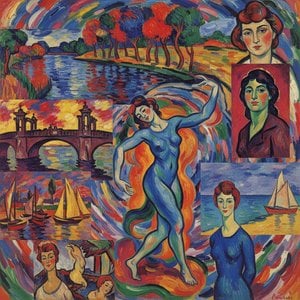
Fauvismo Expresionista: 10 Obras Maestras que Transformaron el Arte | ArtsDot
Descubre las 10 obras maestras del fauvismo que revolucionaron el arte. Explora la pasión, el color y la expresión de Matisse, Derain y más. Reproducciones de alta calidad en ArtsDot.com.

André Derain: Fauvism's Bold Visionary & the Evolution of Modern Color
Explore the revolutionary art of André Derain, co-founder of Fauvism. Discover his bold use of color, evolution from radical expressionism to classicism, and lasting influence on modern art history. Learn more at ArtsDot.
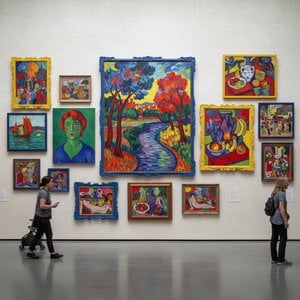
Fauvismo: 10 Obras Maestras que Revolucionaron la Pintura |
Descubre las 10 obras maestras del Fauvismo con Matisse, Derain y Vlaminck. Explora la historia, el color y la audacia de este movimiento artístico revolucionario. Reproducciones de arte exclusivas en .

Silent Narratives: Exploring the Enduring Appeal of Still Life Painting Across Centuries
Explore the rich history of still life painting with ArtsDot. Discover Dutch Masters, decode vanitas symbolism & learn about collecting timeless art. Expert insights and museum-quality reproductions.

Blossoming Symbolism: A Historical Journey Through Flowers in Western Painting
Explore the rich history of flower symbolism in Western painting! Discover how artists from the Renaissance to Modernism used blossoms to convey meaning, emotion & beauty. Learn about iconic artworks and movements.


