

 Ver en contexto
 Enviar
 Compartir
 Detalles
 Guía
Guía

 Descargar
 Similares
 Radiografía
 Presentación de diapositivas
 Preguntas y respuestas
 Estadísticas
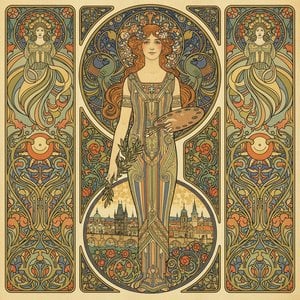
Zdenka Cerny

 Ver más
Giclée / Impresión de arte
Impresiones giclée o en lienzo de calidad de museo con producción rápida y opciones de acabado flexibles. ( Comprar pintura hecha a mano Cambiar a imagen digital)




P118B €10

P118H €10

P118W €10

P438Z €10

P508JH €12

P508YH €12

P805H €10

P805Z €10

P919BZ €10

P919G €10

P919XJ €10

P959ZH €10

P968JZ €12

W106C €8

W218G €10

W218JH €8

W218Y €10

W307PJ €10

W316G €10

W316PJ €8

W316Y €10

W398PJ €8

W4111J €10

W500HY €15

W500JH €15

W692G €12

W849H €8

W940BG €15

W953PJ €8




Elija entre nuestros tamaños predefinidos que respetan las proporciones originales de la obra.

Introduzca el ancho y el alto que necesite para adaptarse a su marco o pared. Una impresión solo puede recortarse, nunca hacerse más grande que la imagen original, por lo que un tamaño con una forma distinta perderá parte de la obra. Le enviaremos una maqueta digital para su aprobación antes de realizar cualquier impresión. La imagen que se muestra en esta página no refleja el recorte real; solo la maqueta lo hace.
Envío a todo el mundo () en 2 semanas en lugar de las 4/5 semanas estándar. (15 noviembre)

Envío exprés gratuito a todo el mundo

Lienzo de lino de alta calidad

Seguro de envío total

Garantía de reembolso de aranceles aduaneros

Garantía de fidelidad cromática exacta

Política de devolución de 100 días (solo por defectos)

Garantía de devolución del 100% del dinero

Descuento por cantidad
 La opción de vidrio solo está disponible en tamaños inferiores a 110 cm.

Zdenka Cerny
Giclée / Impresión de arte
Dimensiones de la reproducción
-


Precio total final
€ 56
The Enchanting World of Alphonse Mucha’s Seasons
Alphonse Maria Mucha stands as one of the most recognizable figures of Art Nouveau—a movement that swept across Europe between 1890 and 1910, prioritizing organic forms, flowing lines, and a celebration of beauty. Born in Ivančice, Moravia (now Czech Republic) in 1860, Mucha’s early life instilled within him a profound appreciation for both music and art—a duality that would profoundly influence his artistic vision. Rejecting the rigid conventions of academic painting, he sought inspiration from Japanese woodcuts and embraced a distinctly personal style characterized by meticulous detail and an ethereal quality. This stylistic rebellion cemented his place as a pioneer of modern decorative arts.- A Parisian Embrace: Mucha’s relocation to Paris in 1887 proved pivotal, propelling him into the epicenter of artistic innovation. Here, he honed his craft alongside fellow artists like Pierre-Auguste Renoir and Gustave Moreau, absorbing their influences while forging an unmistakable aesthetic identity.
- The Birth of “Mucha Style”: His breakthrough came with the commission for Sarah Bernhardt’s theatrical posters—a project that birthed what would become known as “Mucha Style.” This distinctive approach involved stylized female figures draped in flowing robes, adorned with elaborate jewelry and surrounded by floral motifs—a visual language that captivated audiences and established Mucha's reputation as a master of decorative illustration.
The Seasons: A Symphony of Color and Form
Mucha’s “The Seasons” series represents the pinnacle of his Art Nouveau style, embodying its core principles with breathtaking elegance. Created in 1896, 1897, and 1900—primarily for F. Champenois—these monumental color lithographs on paper are more than mere decorative panels; they are profound meditations on nature’s cyclical rhythms and the feminine spirit. Each of the four canvases depicts a different season—Winter, Spring, Summer, and Autumn—presented as idealized allegorical figures bathed in soft, diffused light.- Symbolic Representation: Mucha skillfully employed symbolism to convey complex ideas about femininity, fertility, and transformation. The floral arrangements surrounding each figure serve not only as visual embellishments but also as emblems of the respective season—representing purity (Winter), rebirth (Spring), abundance (Summer), and decay (Autumn).
- Lithographic Technique: Mucha’s masterful use of lithography—a printing process involving stone etching—allowed him to achieve remarkable tonal gradations and textural nuances. This technique, combined with careful color layering, resulted in prints that shimmered with luminosity and captured the subtle beauty of natural light.
Beyond Decoration: Mucha’s Legacy
Alphonse Mucha's influence extends far beyond the Art Nouveau movement itself. His distinctive style continues to inspire artists and designers today, demonstrating the enduring power of artistic innovation. Furthermore, his monumental canvases—known as “The Slav Epic”—represent a bold undertaking to chronicle the history of Slavic peoples—a testament to Mucha’s unwavering commitment to artistic expression and cultural heritage. The series stands as an unparalleled achievement in symbolic painting, capturing the grandeur and complexity of Slavic civilization with breathtaking artistry. Source: Kern, David M. H., ed. (October 1980). The Art Nouveau Style BookPreguntas y respuestas
¿Dónde puedo ver una vista previa de "Zdenka Cerny"?
Puedes ver una vista previa de "Zdenka Cerny" de Alphonse Maria Mucha en la página de Vista previa de la obra de la obra.
¿Cuál es la luminancia de "Zdenka Cerny" de Alphonse Maria Mucha?
La luminancia registrada para "Zdenka Cerny" de Alphonse Maria Mucha es Luminosidad suave.
¿Cómo se combinan la técnica y el movimiento en "Zdenka Cerny"?
En "Zdenka Cerny", la técnica de Acrílico sobre lienzo se funde con el movimiento Art Nouveau.
Obras relacionadas


Biografía del artista
Primeros Años y Educación
- Nacido: 15 de julio de 1860, en Ivanačice, Moravia (ahora parte de la República Checa)
- Mostró talento artístico desde una edad temprana.
- Estudió en la Academia de Bellas Artes de Praga pero se desilusionó con los enfoques tradicionales.
- Se mudó a París en 1887 para perseguir su propio estilo.
Estilo Artístico y Obras Notables
- Conocido por un estilo Art Nouveau distintivo caracterizado por líneas fluidas, formas orgánicas y una sensación de movimiento.
- Influenciado por artistas como Pierre-Auguste Renoir y Gustave Moreau.
- Obras Notables:
- La Insurrección Eslava - Muestra la combinación de motivos checos tradicionales con elementos Art Nouveau modernos.
- Salon des Cent
- Pinturas inspiradas en obras como Las Hijas de Tespio de Gustave Moreau, y La Ribambelle des Gobelins de Piero Dorazio.
- Ilustraciones basadas en Jóvenes Granjeros Rompiendo Lino de Sir Hubert von Herkomer.
- Frecuentemente presentó mujeres idealizadas con túnicas fluidas rodeadas de flores exuberantes.
Hitos Profesionales y Comisiones Importantes
- Colaboración con Sarah Bernhardt: Creó carteles y diseños para la actriz Sarah Bernhardt, comenzando con el cartel de Gismonda (1894), lo que lanzó su carrera.
- Exposición Universal en París (1900): Su estilo Art Nouveau ganó reconocimiento internacional en esta exposición. Decoró el Pabellón de Bosnia y Herzegovina y colaboró en el Pabellón Austriaco.
- Patronazgo de Charles Richard Crane: Recibió apoyo de Charles Richard Crane, lo que le permitió crear la monumental serie El Épico Eslavo (1912-30).
- Checoslovaquia Independiente: Diseñó sellos postales, billetes y documentos gubernamentales para la recién independiente Checoslovaquia.
Influencias y Legado
- Influenciado por las tradiciones artísticas checas y los movimientos de arte europeos modernos.
- Su estilo único allanó el camino para futuras generaciones de artistas en Art Nouveau y Secesión.
- Inspiró a otros artistas como Eva Prokopcová.
- El legado se extiende más allá de su obra de arte hasta influir en el diseño y la estética.
Vida Posterior y Muerte
- Se casó con Maruska (Marie/Maria) Chytilová en 1906.
- Visitó los Estados Unidos desde 1906 hasta 1910, donde nació su hija Jaroslava.
- Murió el 14 de julio de 1939 en Praga, Checoslovaquia.

Alphonse Maria Mucha
1860 - 1939 , República Checa
Datos clave
- Artistas Influenciados: ['Eva Prokopcová']
- Artistas Que Influyeron:
- Pierre-Auguste Renoir
- Gustave Moreau
- Fecha De Fallecimiento: 1939
- Fecha De Nacimiento: 15 de julio de 1860
- Lugar De Nacimiento: Brno, República Checa
- Movimiento Artístico: Art Nouveau
- Nacionalidad: Checo
- Nombre Completo: Alphonse Maria Mucha
- Obras Notables:
- La sublevación eslava
- Salón de los Cien
- Las hijas de Tespio
- La Ribambelle de Gobelins
Artículos relacionados
Alphonse Mucha: A Comprehensive Exploration of Art Nouveau's Master of Decorative Symbolism
Explore the life & art of Alphonse Mucha, master of Art Nouveau! Discover his iconic posters, stunning illustrations, and the monumental Slav Epic. A comprehensive guide for collectors & enthusiasts.

La Línea Fluida y la Forma Floreciente: Explorando el Legado Estético del Art Nouveau
Descubre el legado del Art Nouveau: su historia, influencias y artistas clave como Van de Velde y Boccioni. Un análisis profundo de este movimiento estético revolucionario.

Raphael Kirchner: A Poetic Vision of Belle Époque Society Through Art Nouveau Lithography
Explore the captivating world of Raphael Kirchner, a master of Art Nouveau illustration during the Belle Époque. Discover his iconic 'Kirchner Girls,' pioneering pin-up art & lasting influence.

F.A.Q.: Impresiones en Póster – Durabilidad, Comparación con Lienzos y Tamaños Disponibles
Descubra la durabilidad y calidad de las impresiones en póster . Compare con lienzos, explore tamaños disponibles y personalización exclusiva para coleccionistas exigentes. ¡Arte auténtico garantizado!

Art Nouveau: 10 Obras Maestras que Definieron un Movimiento Revolucionario |
Descubre las 10 obras maestras del Art Nouveau que revolucionaron el arte. Explora la belleza de Mucha, Klimt y más. Reproducciones de museo en para un hogar con estilo. ¡Inspírate ahora!


