


 Vista previa
 Compartir
 Compartir
 Ver detalles
 Guía
Guía

 Descargar
 Ver artículos similares
 Radiografía
 Presentación de diapositivas
 Estadísticas
untitled (1561)


 Leer más
Giclée / Impresión de arte
Impresiones giclée o en lienzo de calidad de museo con producción rápida y opciones de acabado flexibles. ( Encargar reproducción pintada a mano Ver versión en imagen digital)




P118B $10

P118H $10

P118W $10

P438Z $10

P508JH $12

P508YH $12

P805H $10

P805Z $10

P919BZ $10

P919G $10

P919XJ $10

P959ZH $10

P968JZ $12

W106C $8

W218G $10

W218JH $8

W218Y $10

W307PJ $10

W316G $10

W316PJ $8

W316Y $10

W398PJ $8

W4111J $10

W500HY $15

W500JH $15

W692G $12

W849H $8

W940BG $15

W953PJ $8




Elija entre nuestros tamaños predefinidos que respetan las proporciones originales de la obra.

Puede introducir sus propias dimensiones para adaptarse a un marco o espacio específico. Si el tamaño seleccionado no coincide con las proporciones de la imagen original, recortaremos la obra de arte o extenderemos la imagen con un borde con efecto espejo o de color sólido. Se enviará una maqueta digital para su aprobación antes de que comience la producción.
Tenga en cuenta que la vista previa en pantalla no refleja el recorte o la extensión real. Solo la maqueta mostrará con precisión la composición final.
Aunque existen tamaños personalizados, recomendamos seleccionar una dimensión de la lista predefinida para preservar las proporciones originales.
Envío a todo el mundo () en 2 semanas en lugar de las 4/5 semanas estándar. (26 septiembre)

Envío exprés gratuito a todo el mundo

Lienzo de lino de alta calidad

Seguro de envío completo

Garantía de reembolso de impuestos aduaneros

Garantía de fidelidad cromática exacta

Política de devolución de 100 días (solo por defectos)

Garantía de devolución del 100% del dinero

Oferta por volumen
 La opción de vidrio solo está disponible en tamaños inferiores a 110 cm.

untitled (1561)
Giclée / Impresión de arte
Tamaño de la reproducción
-


Precio total
$ 62
A Symphony of Ornamentation: The Soul of Art Nouveau
To step into the world of Alphonse Mucha is to surrender to a dreamscape where the boundaries between fine art and decorative elegance dissolve into a single, flowing rhythm. His work, particularly seen in pieces like untitled (1561), serves as a breathtaking portal to the Belle Époque, an era defined by a profound longing for beauty amidst the encroaching rigidity of the industrial age. Mucha did not merely paint; he orchestrated a visual language composed of sinuous lines, organic motifs, and a sense of ethereal movement that would eventually define the Art Nouveau movement. His mastery lies in his ability to transform the flat surface of a canvas or poster into a lush, multidimensional experience, where every curve feels alive with the pulse of nature.
The composition of this particular work invites the viewer into an opulent interior, a sanctuary of craftsmanship and refined taste. At its heart lies a magnificent, ornate table, acting as an anchor for a room that breathes with warmth and grandeur. The palette is a rich tapestry of autumnal tones—deep reds, burnt oranges, and earthy browns—which bathe the scene in a soft, diffused light. This warmth creates an atmosphere of intimacy and luxury, making the space feel less like a static room and more like a living, breathing extension of the natural world. For the discerning collector or interior designer, such a piece offers more than mere decoration; it provides a focal point of historical depth and sensory richness.
Symbolism and the Language of Nature
Beyond its immediate aesthetic splendor, the artwork is steeped in the symbolic vocabulary that Mucha championed throughout his illustrious career. The presence of the peacock motif within the stained glass window is particularly poignant; in the lexicon of Art Nouveau, the peacock represents a duality of beauty, pride, and immortality. This element, paired with the intricate geometric patterns and stylized floral flourishes, connects the domestic interior to the wild, untamed elegance of the natural realm. Mucha’s ability to weave these symbols into the very fabric of the architecture suggests a philosophy where art is not separate from life, but rather an essential component of a well-lived existence.
The interplay of textures further enhances this symbolic narrative. The smooth, polished surfaces of the wood contrast beautifully with the reflective glint of metal accents and the translucent, textured quality of the glass. This tactile variety engages the viewer on a subconscious level, evoking the sensation of touching the fine materials of a bygone era. It is this meticulous attention to detail—the way light catches a curved edge or settles into a deep shadow—that gives the piece its enduring emotional resonance. It evokes a sense of nostalgia for a time when craftsmanship was a sacred pursuit and every decorative element told a story of grace and intention.
A Timeless Legacy for the Modern Collector
For those seeking to infuse their contemporary spaces with character and historical weight, a high-quality reproduction of Mucha’s vision offers unparalleled inspiration. Whether placed in a grand salon or a quiet study, the artwork commands attention through its sophisticated balance of complexity and harmony. It serves as a bridge between the past and the present, bringing the romanticism of the late 19th century into the modern home. The piece does not merely occupy space; it transforms it, creating an environment of contemplative beauty and refined luxury.
Investing in such a work is an embrace of the Art Nouveau spirit—a celebration of the organic, the decorative, and the profoundly beautiful. As a centerpiece for interior design, it provides a foundation of warmth and narrative depth that complements both classical and modern aesthetics. To possess a piece of Mucha’s legacy is to hold a fragment of a golden age, ensuring that the flowing lines and luminous colors of his incomparable vision continue to inspire generations of art lovers and connoisseurs alike.
Obras relacionadas


Biografía del artista
Primeros Años y Educación
- Nacido: 15 de julio de 1860, en Ivanačice, Moravia (ahora parte de la República Checa)
- Mostró talento artístico desde una edad temprana.
- Estudió en la Academia de Bellas Artes de Praga pero se desilusionó con los enfoques tradicionales.
- Se mudó a París en 1887 para perseguir su propio estilo.
Estilo Artístico y Obras Notables
- Conocido por un estilo Art Nouveau distintivo caracterizado por líneas fluidas, formas orgánicas y una sensación de movimiento.
- Influenciado por artistas como Pierre-Auguste Renoir y Gustave Moreau.
- Obras Notables:
- La Insurrección Eslava - Muestra la combinación de motivos checos tradicionales con elementos Art Nouveau modernos.
- Salon des Cent
- Pinturas inspiradas en obras como Las Hijas de Tespio de Gustave Moreau, y La Ribambelle des Gobelins de Piero Dorazio.
- Ilustraciones basadas en Jóvenes Granjeros Rompiendo Lino de Sir Hubert von Herkomer.
- Frecuentemente presentó mujeres idealizadas con túnicas fluidas rodeadas de flores exuberantes.
Hitos Profesionales y Comisiones Importantes
- Colaboración con Sarah Bernhardt: Creó carteles y diseños para la actriz Sarah Bernhardt, comenzando con el cartel de Gismonda (1894), lo que lanzó su carrera.
- Exposición Universal en París (1900): Su estilo Art Nouveau ganó reconocimiento internacional en esta exposición. Decoró el Pabellón de Bosnia y Herzegovina y colaboró en el Pabellón Austriaco.
- Patronazgo de Charles Richard Crane: Recibió apoyo de Charles Richard Crane, lo que le permitió crear la monumental serie El Épico Eslavo (1912-30).
- Checoslovaquia Independiente: Diseñó sellos postales, billetes y documentos gubernamentales para la recién independiente Checoslovaquia.
Influencias y Legado
- Influenciado por las tradiciones artísticas checas y los movimientos de arte europeos modernos.
- Su estilo único allanó el camino para futuras generaciones de artistas en Art Nouveau y Secesión.
- Inspiró a otros artistas como Eva Prokopcová.
- El legado se extiende más allá de su obra de arte hasta influir en el diseño y la estética.
Vida Posterior y Muerte
- Se casó con Maruska (Marie/Maria) Chytilová en 1906.
- Visitó los Estados Unidos desde 1906 hasta 1910, donde nació su hija Jaroslava.
- Murió el 14 de julio de 1939 en Praga, Checoslovaquia.

Alphonse Maria Mucha
1860 - 1939 , República Checa
Datos clave
- Artistas Influenciados: ['Eva Prokopcová']
- Artistas Que Influyeron:
- Pierre-Auguste Renoir
- Gustave Moreau
- Fecha De Fallecimiento: 1939
- Fecha De Nacimiento: 15 de julio de 1860
- Lugar De Nacimiento: Brno, República Checa
- Movimiento Artístico: Art Nouveau
- Nacionalidad: Checo
- Nombre Completo: Alphonse Maria Mucha
- Obras Notables:
- La sublevación eslava
- Salón de los Cien
- Las hijas de Tespio
- La Ribambelle de Gobelins
Artículos relacionados
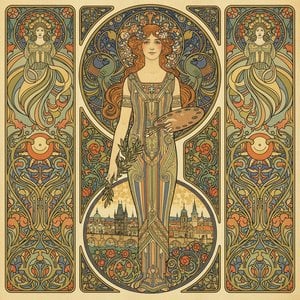
Alphonse Mucha: A Comprehensive Exploration of Art Nouveau's Master of Decorative Symbolism
Explore the life & art of Alphonse Mucha, master of Art Nouveau! Discover his iconic posters, stunning illustrations, and the monumental Slav Epic. A comprehensive guide for collectors & enthusiasts.

Art Nouveau: 10 Obras Maestras que Definieron un Movimiento Revolucionario |
Descubre las 10 obras maestras del Art Nouveau que revolucionaron el arte. Explora la belleza de Mucha, Klimt y más. Reproducciones de museo en para un hogar con estilo. ¡Inspírate ahora!

Armonizando Historia y Tono: Una Guía para Combinar Estilos Artísticos con la Arquitectura Interior para una Decoración Equilibrada
Guía experta para combinar estilos artísticos con tu arquitectura interior. Crea espacios equilibrados y elegantes con nuestros consejos y reproducciones de alta calidad. ¡Transforma tu hogar!

La Línea Fluida y la Forma Floreciente: Explorando el Legado Estético del Art Nouveau
Descubre el legado del Art Nouveau: su historia, influencias y artistas clave como Van de Velde y Boccioni. Un análisis profundo de este movimiento estético revolucionario.
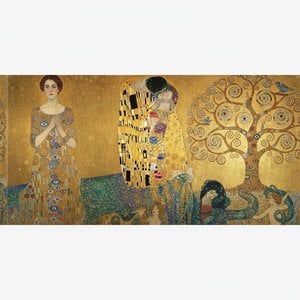
Gustav Klimt: Las 25 Obras Maestras que Definen un Ícono del Arte Moderno | ArtsDot
Descubre las 25 obras maestras de Gustav Klimt, ícono del simbolismo y Art Nouveau. Explora 'El Beso', 'Judith' y más. Reproducciones de arte en ArtsDot.com para decorar tu hogar con elegancia. ¡Inspírate!


