

 Ver en contexto
 Enviar
 Compartir
 Detalles
 Guía
Guía

 Descargar
 Similares
 Radiografía
 Presentación de diapositivas
 Preguntas y respuestas
 Estadísticas
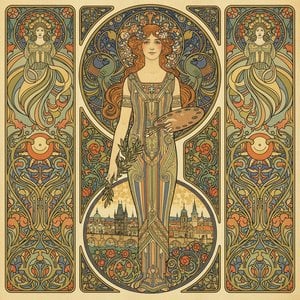
Evening Contemplation


 Ver más
Giclée / Impresión de arte
Impresiones giclée o en lienzo de calidad de museo con producción rápida y opciones de acabado flexibles. ( Comprar pintura hecha a mano Cambiar a imagen digital)




P118B €10

P118H €10

P118W €10

P438Z €10

P508JH €12

P508YH €12

P805H €10

P805Z €10

P919BZ €10

P919G €10

P919XJ €10

P959ZH €10

P968JZ €12

W106C €8

W218G €10

W218JH €8

W218Y €10

W307PJ €10

W316G €10

W316PJ €8

W316Y €10

W398PJ €8

W4111J €10

W500HY €15

W500JH €15

W692G €12

W849H €8

W940BG €15

W953PJ €8




Elija entre nuestros tamaños predefinidos que respetan las proporciones originales de la obra.

Introduzca el ancho y el alto que necesite para adaptarse a su marco o pared. Una impresión solo puede recortarse, nunca hacerse más grande que la imagen original, por lo que un tamaño con una forma distinta perderá parte de la obra. Le enviaremos una maqueta digital para su aprobación antes de realizar cualquier impresión. La imagen que se muestra en esta página no refleja el recorte real; solo la maqueta lo hace.
Envío a todo el mundo () en 2 semanas en lugar de las 4/5 semanas estándar. (5 noviembre)

Envío exprés gratuito a todo el mundo

Lienzo de lino de alta calidad

Seguro de envío total

Garantía de reembolso de aranceles aduaneros

Garantía de fidelidad cromática exacta

Política de devolución de 100 días (solo por defectos)

Garantía de devolución del 100% del dinero

Descuento por cantidad
 La opción de vidrio solo está disponible en tamaños inferiores a 110 cm.

Evening Contemplation
Giclée / Impresión de arte
Dimensiones de la reproducción
-


Precio total final
€ 56
Evening Contemplation: A Study in Art Nouveau Elegance
“Rêverie du Soir,” as this captivating illustration is known, transports the viewer to a realm of quiet beauty and introspective thought. Created in the style of Alphonse Mucha, a master of the Art Nouveau movement, this piece embodies the era’s fascination with organic forms, flowing lines, and a profound appreciation for nature's elegance. The image depicts a young woman seated beneath an arched window – a classic motif signifying knowledge, refuge, and connection to the divine – lost in a moment of serene contemplation.
- Subject Matter: The central figure, a young woman draped in flowing white fabric, is positioned with deliberate grace. Her gaze, directed slightly upwards and outwards, invites the viewer into her private world, suggesting a dreamy introspection that is characteristic of Art Nouveau’s focus on emotional expression.
- Composition & Style: The artwork's symmetrical composition and vertical emphasis create a sense of height and formality, hallmarks of Mucha’s style. The intricate patterns of foliage, flowers, and geometric shapes in the background aren't merely decorative; they contribute to a layered depth that draws the eye into the scene.
Technique & Materials: A Delicate Dance of Watercolor and Ink
The artist’s meticulous attention to detail is immediately apparent in the rendering of textures and patterns. It's believed this piece was executed primarily with watercolor and ink on paper, a combination that lends itself beautifully to the luminous quality sought after by Mucha. The delicate washes of color – muted golds, browns, greens, and creams – create a soft, ethereal atmosphere. Evidence suggests the use of stippling or engraving techniques may have been employed to further enhance the intricate details within the foliage and patterns, adding to the overall richness and depth.
- Brushwork: The artist’s brushwork is remarkably fine, capturing the subtle nuances of light and shadow.
- Metallic Accents: Strategic use of gold leaf or metallic paint highlights key elements – perhaps the window frame or decorative motifs – adding a touch of opulence and drawing attention to areas of particular interest.
Symbolism & Historical Context: Echoes of a Romantic Era
Beyond its aesthetic beauty, “Evening Contemplation” is rich in symbolism. The flowers and foliage represent nature’s bounty and beauty, while the arched window symbolizes knowledge and spiritual connection. Created during Mucha's peak period (1890-1905), this artwork reflects the broader cultural trends of the late 19th century – a time of burgeoning artistic movements like Art Nouveau, alongside a renewed interest in classical ideals and romanticism. It’s a testament to Mucha’s ability to synthesize these influences into a uniquely personal style that continues to captivate audiences today.
- Art Nouveau Influence: The flowing lines, organic forms, and decorative details are quintessential characteristics of the Art Nouveau movement, which sought to create art that was both beautiful and functional.
- Mucha’s Legacy: Mucha's work profoundly influenced subsequent generations of artists and designers, shaping the visual language of advertising, illustration, and interior design for decades to come.
Emotional Impact & Artistic Merit
“Evening Contemplation” evokes a sense of romanticism, elegance, and tranquility. The soft lighting, serene subject matter, and meticulous execution combine to create an image that is both visually stunning and emotionally resonant. This reproduction offers a unique opportunity to own a piece of art history – a testament to Alphonse Mucha’s genius and the enduring appeal of Art Nouveau's timeless beauty.
Preguntas y respuestas
¿Qué tan luminosa es "Evening Contemplation" en su conjunto?
La luminosidad percibida de "Evening Contemplation" de Alphonse Maria Mucha es brilliant. Puede armonizarse con la luz del espacio destinado.
¿Qué representa "Evening Contemplation"?
Los temas presentes en "Evening Contemplation" de Alphonse Maria Mucha incluyen art nouveau style, elegant woman figure, floral decoration, vertical composition, dreamy atmosphere, symbolic imagery, golden light effect, los cuales resumen la temática de la obra.
¿Qué tema y atmósfera combina "Evening Contemplation" de Alphonse Maria Mucha?
"Evening Contemplation" de Alphonse Maria Mucha combina art nouveau style, elegant woman figure, floral decoration, vertical composition, dreamy atmosphere, symbolic imagery, golden light effect con una atmósfera Ethereal.
Obras relacionadas


Biografía del artista
Primeros Años y Educación
- Nacido: 15 de julio de 1860, en Ivanačice, Moravia (ahora parte de la República Checa)
- Mostró talento artístico desde una edad temprana.
- Estudió en la Academia de Bellas Artes de Praga pero se desilusionó con los enfoques tradicionales.
- Se mudó a París en 1887 para perseguir su propio estilo.
Estilo Artístico y Obras Notables
- Conocido por un estilo Art Nouveau distintivo caracterizado por líneas fluidas, formas orgánicas y una sensación de movimiento.
- Influenciado por artistas como Pierre-Auguste Renoir y Gustave Moreau.
- Obras Notables:
- La Insurrección Eslava - Muestra la combinación de motivos checos tradicionales con elementos Art Nouveau modernos.
- Salon des Cent
- Pinturas inspiradas en obras como Las Hijas de Tespio de Gustave Moreau, y La Ribambelle des Gobelins de Piero Dorazio.
- Ilustraciones basadas en Jóvenes Granjeros Rompiendo Lino de Sir Hubert von Herkomer.
- Frecuentemente presentó mujeres idealizadas con túnicas fluidas rodeadas de flores exuberantes.
Hitos Profesionales y Comisiones Importantes
- Colaboración con Sarah Bernhardt: Creó carteles y diseños para la actriz Sarah Bernhardt, comenzando con el cartel de Gismonda (1894), lo que lanzó su carrera.
- Exposición Universal en París (1900): Su estilo Art Nouveau ganó reconocimiento internacional en esta exposición. Decoró el Pabellón de Bosnia y Herzegovina y colaboró en el Pabellón Austriaco.
- Patronazgo de Charles Richard Crane: Recibió apoyo de Charles Richard Crane, lo que le permitió crear la monumental serie El Épico Eslavo (1912-30).
- Checoslovaquia Independiente: Diseñó sellos postales, billetes y documentos gubernamentales para la recién independiente Checoslovaquia.
Influencias y Legado
- Influenciado por las tradiciones artísticas checas y los movimientos de arte europeos modernos.
- Su estilo único allanó el camino para futuras generaciones de artistas en Art Nouveau y Secesión.
- Inspiró a otros artistas como Eva Prokopcová.
- El legado se extiende más allá de su obra de arte hasta influir en el diseño y la estética.
Vida Posterior y Muerte
- Se casó con Maruska (Marie/Maria) Chytilová en 1906.
- Visitó los Estados Unidos desde 1906 hasta 1910, donde nació su hija Jaroslava.
- Murió el 14 de julio de 1939 en Praga, Checoslovaquia.

Alphonse Maria Mucha
1860 - 1939 , República Checa
Datos clave
- Artistas Influenciados: ['Eva Prokopcová']
- Artistas Que Influyeron:
- Pierre-Auguste Renoir
- Gustave Moreau
- Fecha De Fallecimiento: 1939
- Fecha De Nacimiento: 15 de julio de 1860
- Lugar De Nacimiento: Brno, República Checa
- Movimiento Artístico: Art Nouveau
- Nacionalidad: Checo
- Nombre Completo: Alphonse Maria Mucha
- Obras Notables:
- La sublevación eslava
- Salón de los Cien
- Las hijas de Tespio
- La Ribambelle de Gobelins
Artículos relacionados
Alphonse Mucha: A Comprehensive Exploration of Art Nouveau's Master of Decorative Symbolism
Explore the life & art of Alphonse Mucha, master of Art Nouveau! Discover his iconic posters, stunning illustrations, and the monumental Slav Epic. A comprehensive guide for collectors & enthusiasts.

La Línea Fluida y la Forma Floreciente: Explorando el Legado Estético del Art Nouveau
Descubre el legado del Art Nouveau: su historia, influencias y artistas clave como Van de Velde y Boccioni. Un análisis profundo de este movimiento estético revolucionario.

Echoes of Time: Exploring the Enduring Appeal of Vintage Artwork
Explore the captivating world of vintage art! Discover its history, enduring appeal, & how to build your own collection. Expert advice, custom reproductions & museum-quality prints at ArtsDot.

Art Nouveau: 10 Obras Maestras que Definieron un Movimiento Revolucionario |
Descubre las 10 obras maestras del Art Nouveau que revolucionaron el arte. Explora la belleza de Mucha, Klimt y más. Reproducciones de museo en para un hogar con estilo. ¡Inspírate ahora!

Echoes of Time: Nostalgia, Technique & Cultural Significance in Vintage Paintings
Explore the captivating world of vintage paintings! Discover key styles, cultural significance & collecting tips from art experts at ArtsDot. Find authentic reproductions and elevate your home décor.


